













 Posted 05/25/2018 3:06 pm


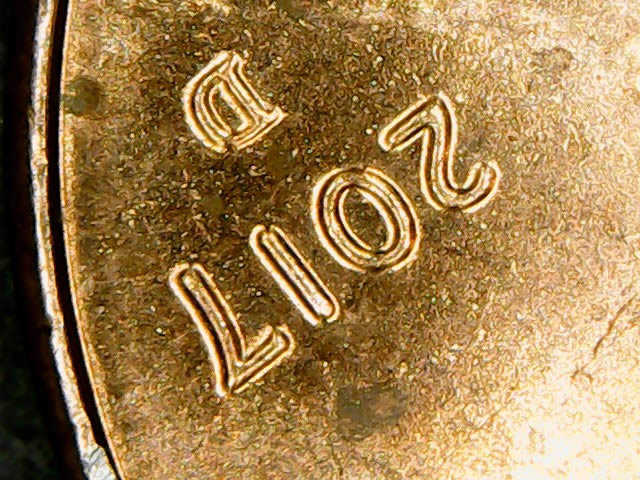
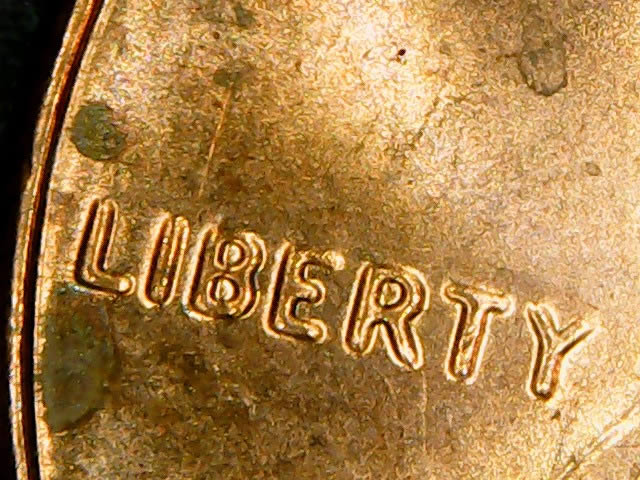
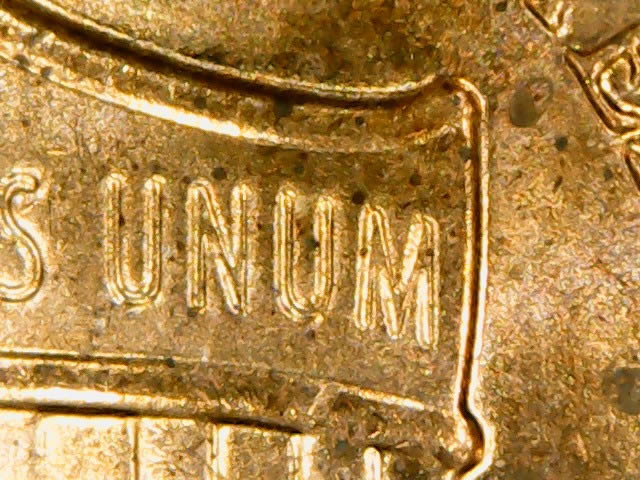
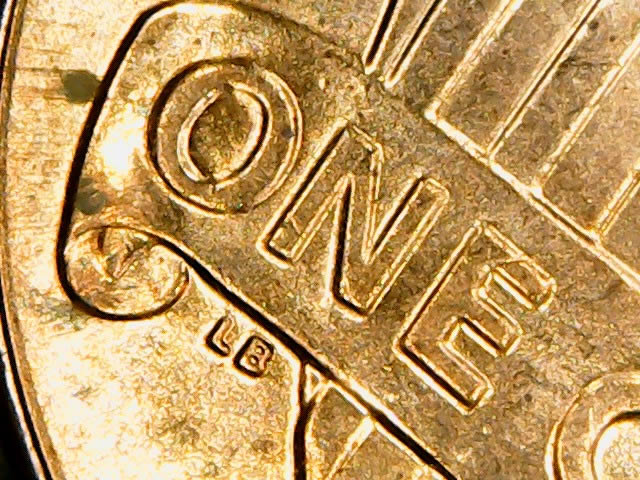
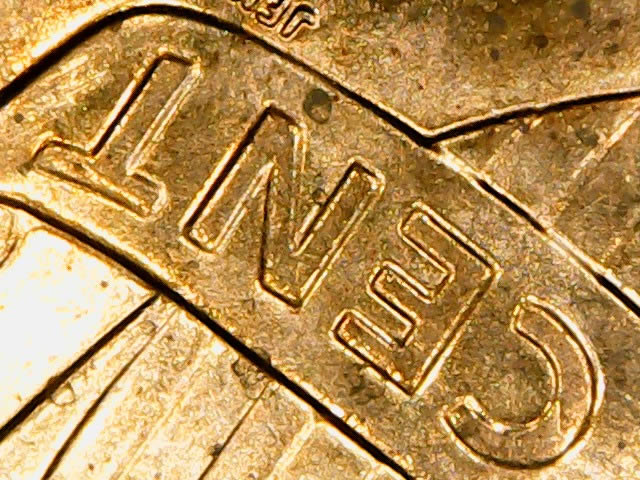
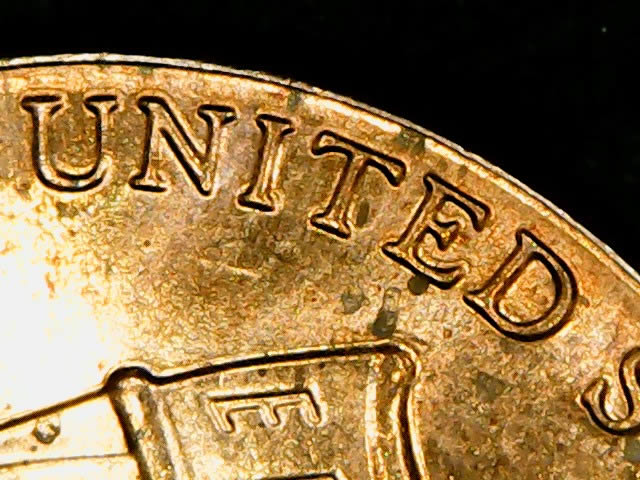
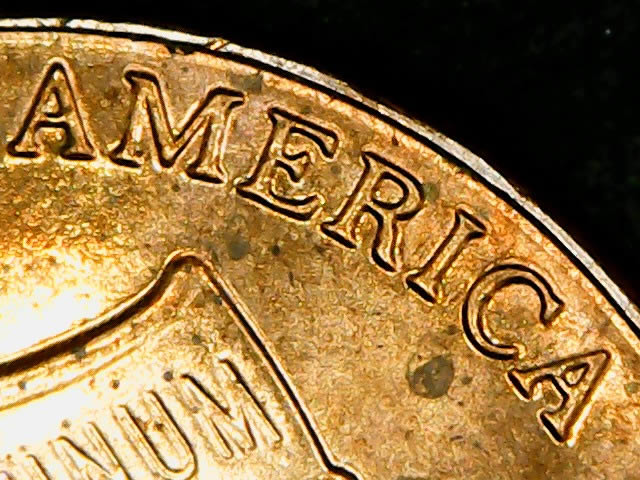
When you are taking macro images of close ups of devices, the number one rule is this: Only one light source. With two lights you will get exactly what you are seeing. The devices are normal and when you turn the light at just the right angle (date area of the 1917-D) you will get what looks like a false notch on the corners of the devices. A single source is all you need. Too much light doesn't help things. Too little light is also bad. But you need to see light and shadows on your images. Rather than flood the image and all you see is glare. Here is what I'm talking about:
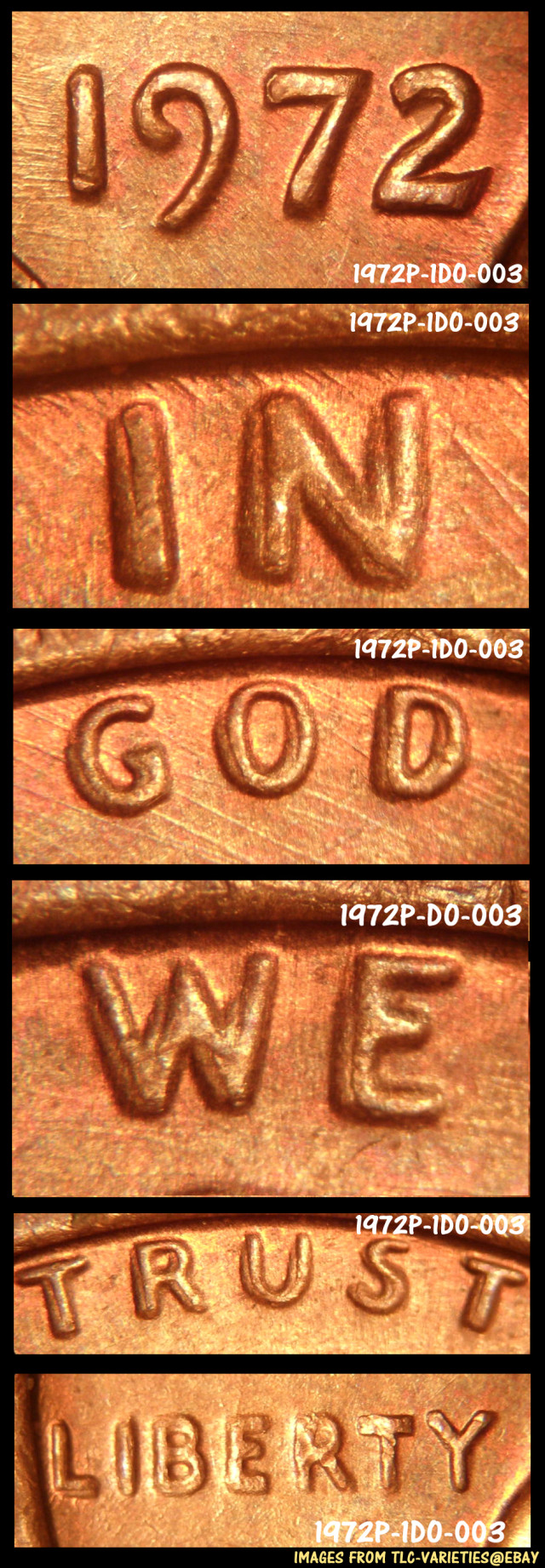
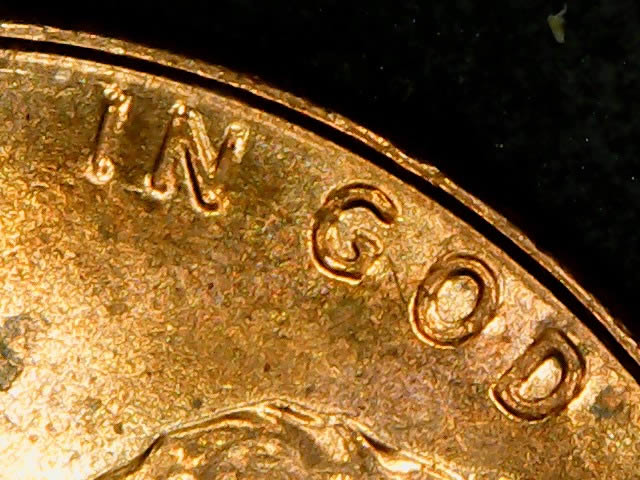
Note this image. Note how the light falls over the devices, rather the spot light what they want to show with too much light. Note the light direction? Lighting on side away from the spread. Thus it shows as a shadow. Light and shadows make an image. With my images I use a 14w, 12volt bulb with my scope:
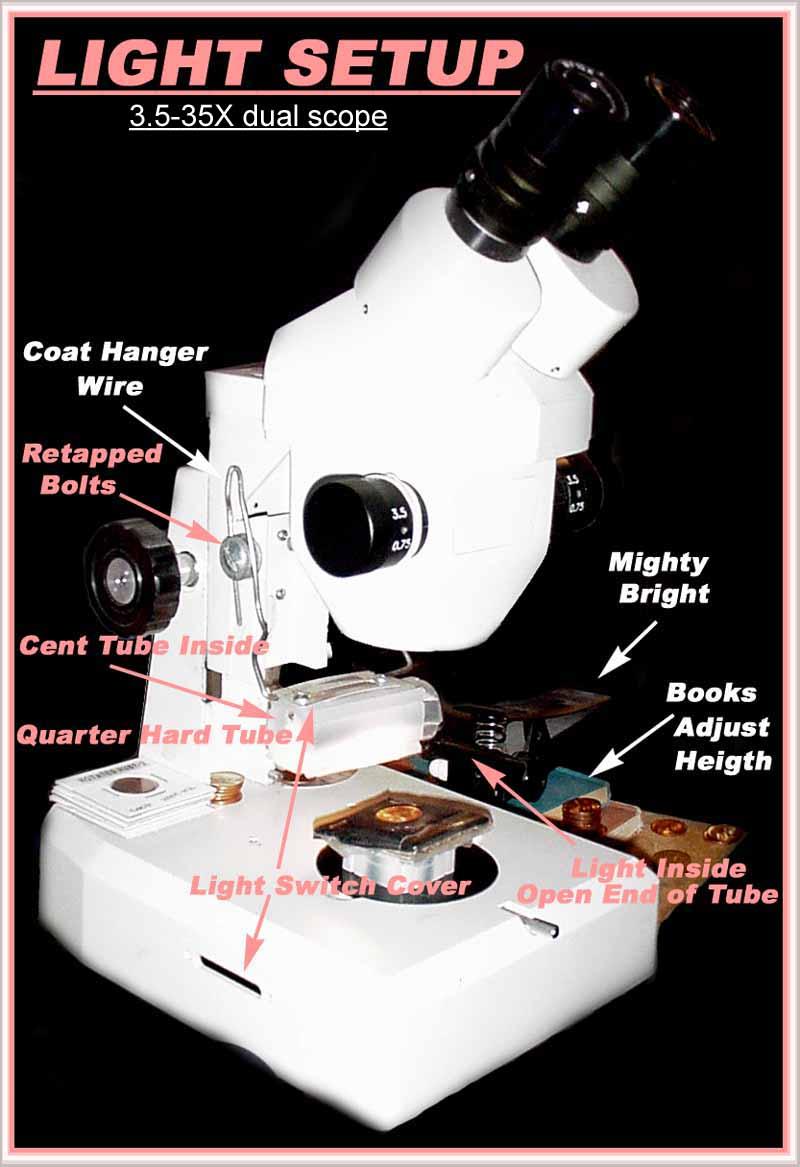 Single light source.
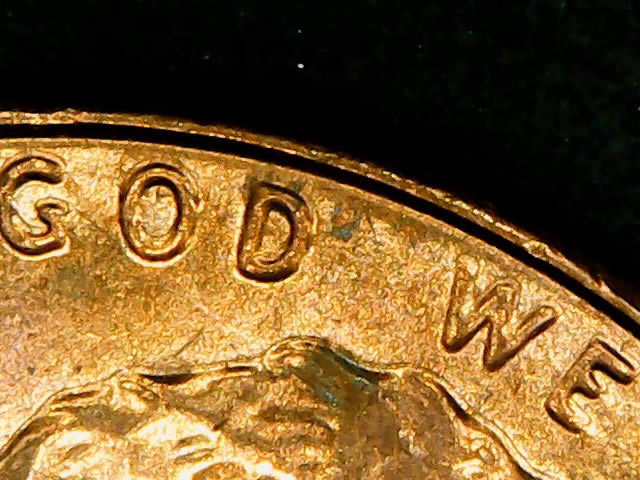
Note this image. Note how the light falls over the devices, rather the spot light what they want to show with too much light. Note the light direction? Lighting on side away from the spread. Thus it shows as a shadow. Light and shadows make an image. With my images I use a 14w, 12volt bulb with my scope:
Single light source. 


