| Author |
 Replies: 11 / Views: 1,641 Replies: 11 / Views: 1,641 |
|
|
Valued Member
United States
86 Posts |
|
|
|
|
Rest in Peace
United States
17900 Posts |
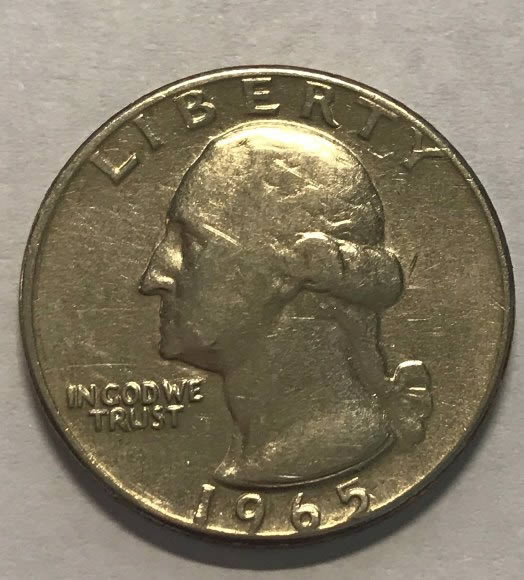
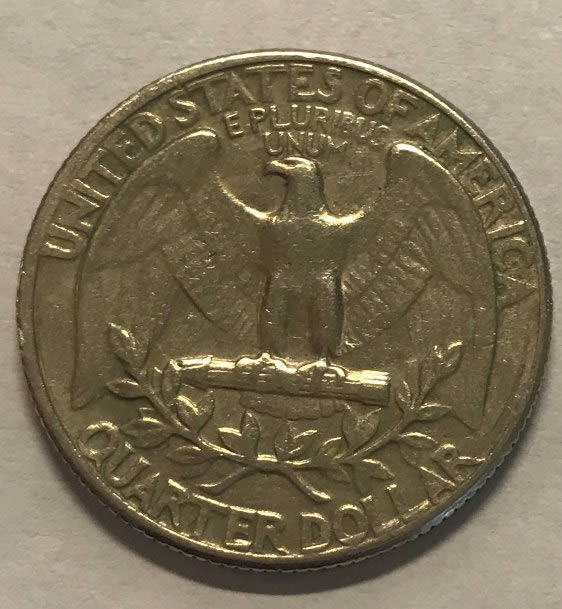
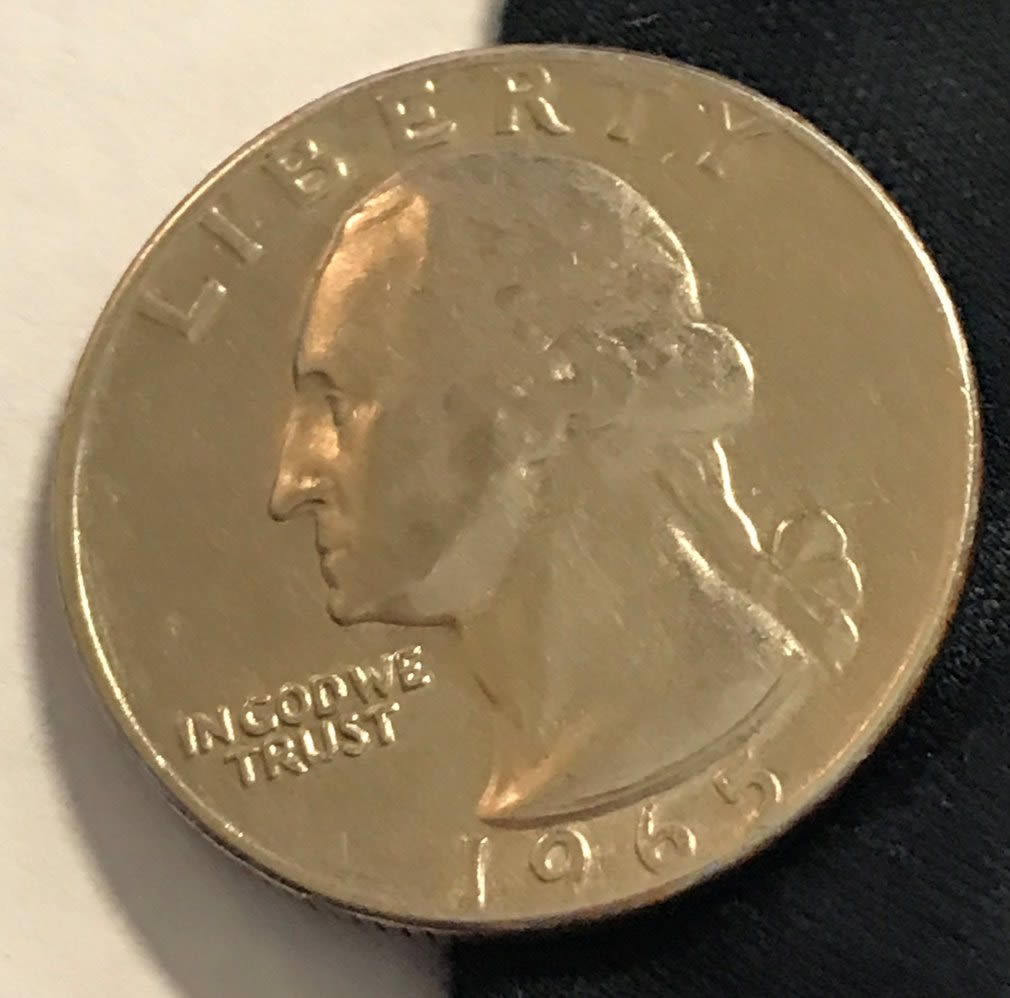
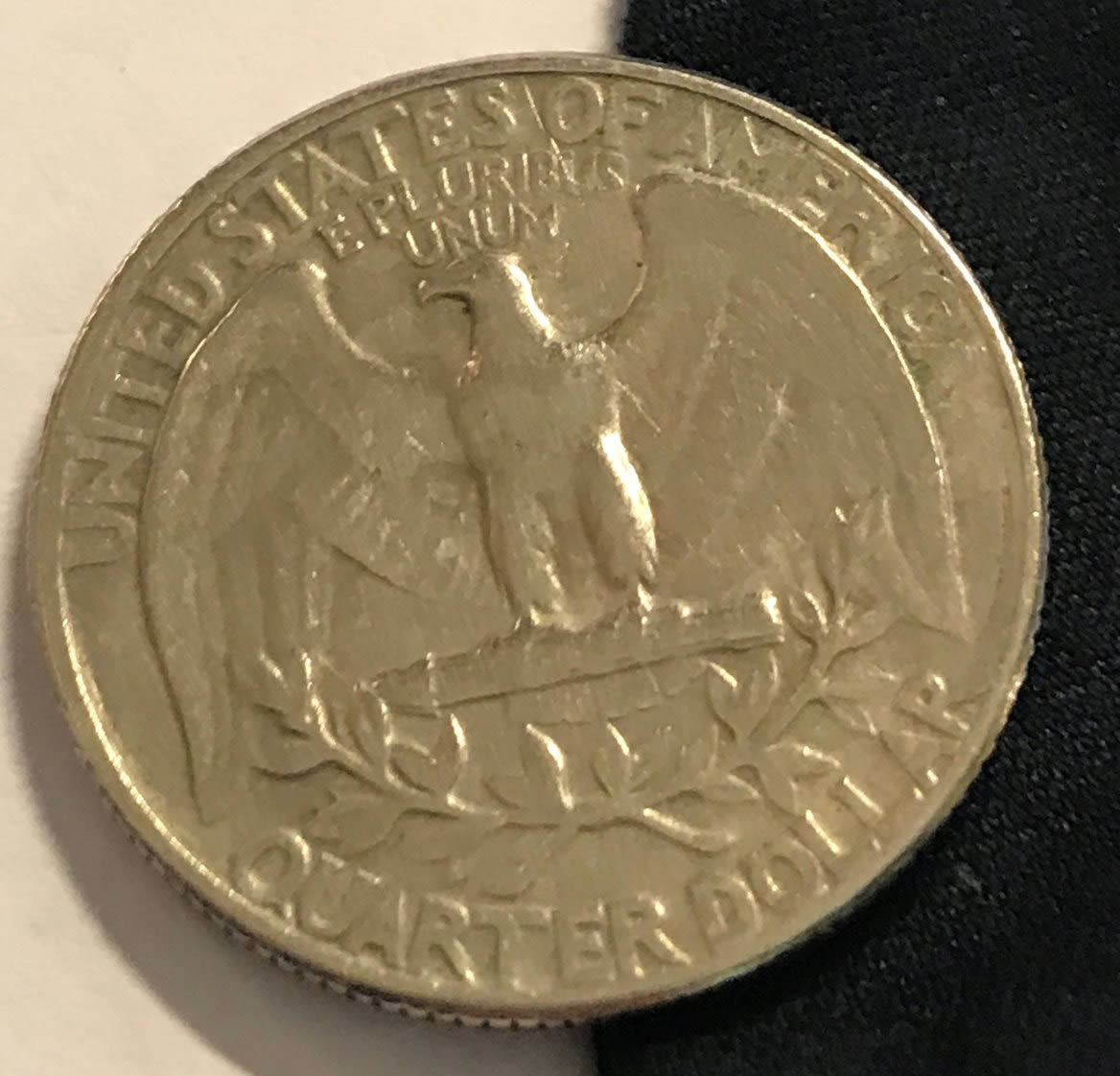
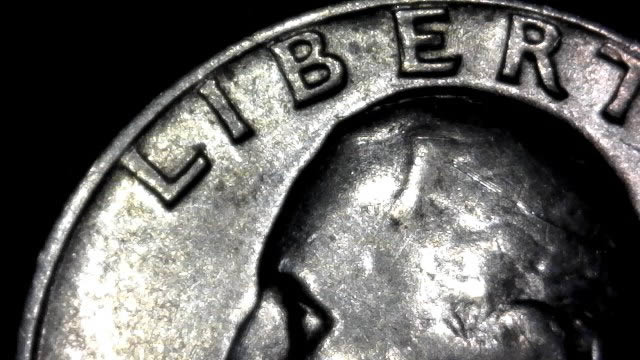
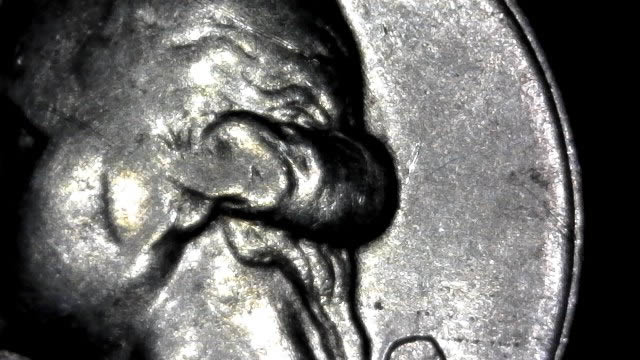
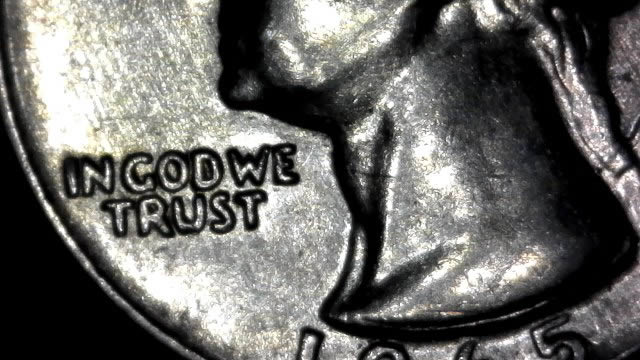
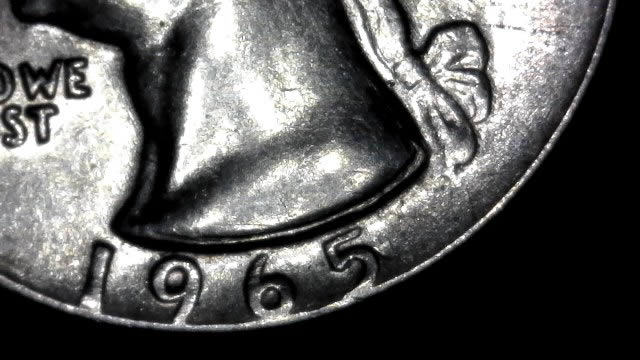
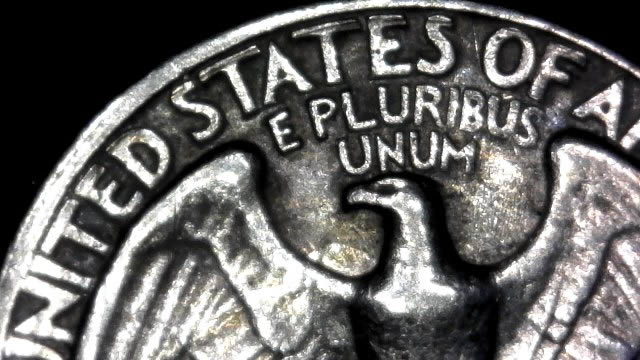
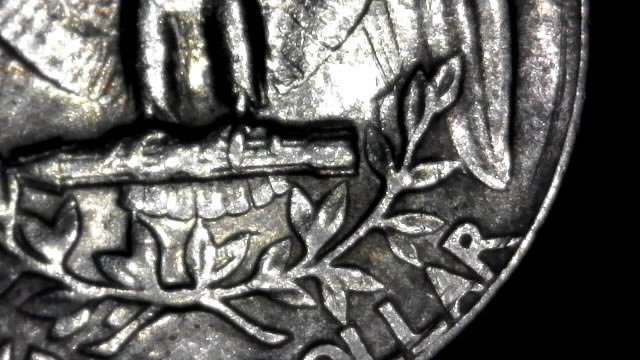
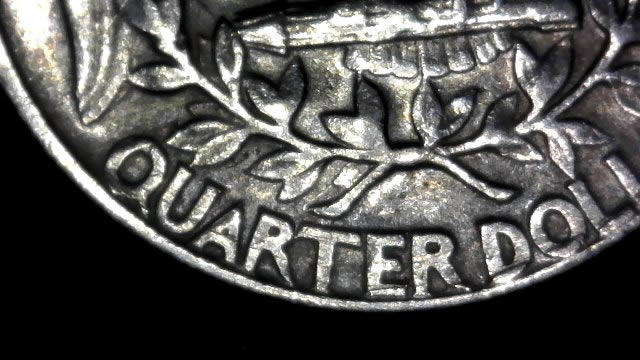
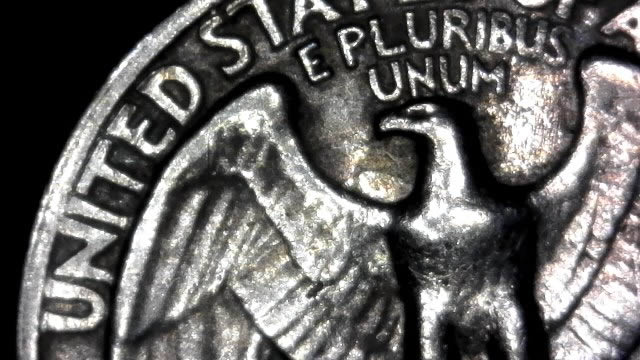
Technical Grade 45. Eye Appeal 6/10.
Grading techniques do not change because of the age of a Coin. A 200 year old coin is evaluated with the same consideration that would be required of a 10 year old coin.
A 1965 quarter uses the same grading diagnostics as a 1932 quarter or a 2017 quarter. There may be modest changes for grading requirements as the type changes, but the basic identification specifications for each grade assignment remain constant.
|
|
Pillar of the Community
United States
1882 Posts |
But an older could is more likely to have more wear than a new one. I think that is all the OP meant.
Nonetheless, it isn't old enough to have any value in a circulated grade.
|
|
Bedrock of the Community
United States
94367 Posts |
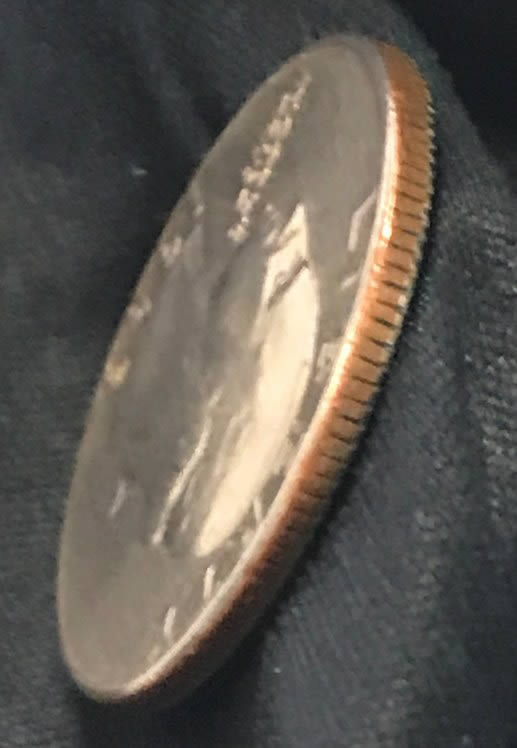
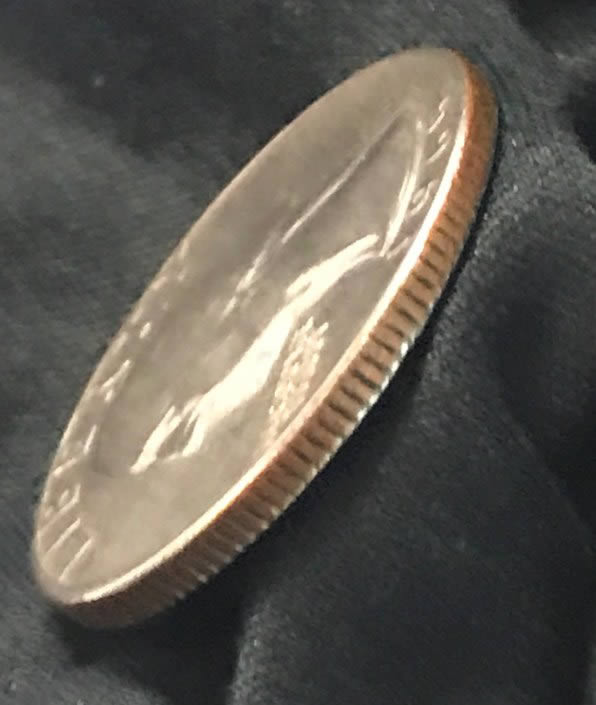
Full pics of both sides would make it easier to grade.
Edited by Coinfrog
05/27/2018 10:36 am
|
|
Valued Member
 United States
86 Posts |
|
|
Rest in Peace
United States
17900 Posts |
Oops. I was way high on my grade. This one is a spender. No - the age of a Coin has NOTHING to do with grading. It has much more to do with the number saved from circulation as opposed to circulation needs. One of the reasons that there are still plenty of good grades for the period of the late 1850-s to the mid-1860s. Because of the civil war, many of the circulation coins were hoarded. That hoarding can still be detected today. And there are dozens of other examples, like the reason that gaZillions of 1909 VDB cents, or 1964 Kennedy halves, or 1883 no cents nickels were all saved because of their initial issue being considered to be a potentially valuable coin. But so many were saved that the opposite actually occurred. There is simply never an instance when the age of a Coin helps determine its grade. 2000 year old denarii are graded using the same basic requirements and examination techniques as a Roosevelt dime issued yesterday. |
|
Valued Member
United States
86 Posts |
Thank you moxking! Very helpful
|
|
Pillar of the Community
United States
1882 Posts |
moxking, I did not say that the age of a coin has anything to do with the grade. It is easier to find a high graded coin in your change that is 5 years old than 55 years.
|
|
Bedrock of the Community
United States
94367 Posts |
Yes, of course that's correct. This coin seems to be a well-circulated EF or so.
|
|
Pillar of the Community
United States
8715 Posts |
Spend it. Common date in well-circulated condition.
|
|
Valued Member
United States
86 Posts |
This novice finds it fascinating that age is not a factor. If a doctor would look at a 99 year old person with no wrinkles it would be in the news.
I look at at 40 year old coin with few winkles and think WOW - but and big BUT I am responding to the beauty of coins in general, which I never appreciated. Am now. I am such a newbie I look at a 2006 dime and think WOW so stunning.... so luminous. Easily impressed, indeed. But to re-emphasize now that I have seen the artwork and beauty I hope not to forget that part.
I am putting coins aside just because they almost bring tears to my eyes they are so beautiful. Don't care about value. We have invested in proofs a few years ago which may mean (?) we are novices but not completely ignorant (mostly but not completely).
Thank you all for the tutorials. I am learning and I want to learn more.
|
|
Pillar of the Community
United States
1882 Posts |
Age is not a factor in how a coin is graded. But certainly you may find a coin to be more special because of its age. And, and old coin may be rare because of how many survived over time.
It is more noteworthy to find an old coin in great condition in your pocket change than it is to find an old coin that has been sitting in someone's drawer or collection for 50 years. Noteworthy is not synonymous with valuable.
|
| |
Replies: 11 / Views: 1,641 |
|










 Posted 05/27/2018 09:13 am