| Author |
 Replies: 11 / Views: 1,362 Replies: 11 / Views: 1,362 |
|
|
Valued Member
United States
111 Posts |
|
|
|
|
Pillar of the Community
 United States
6514 Posts |
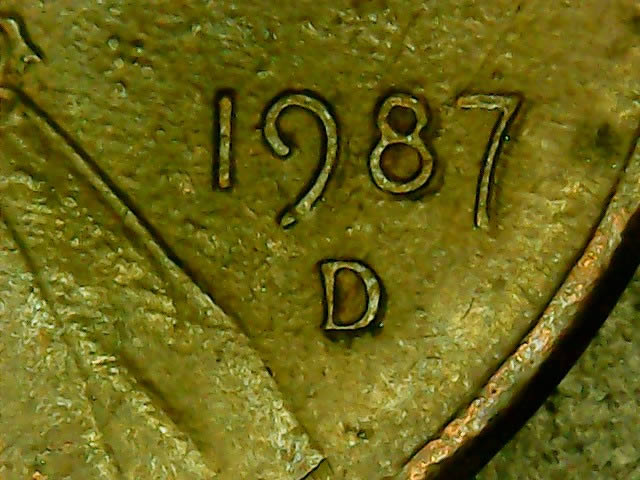
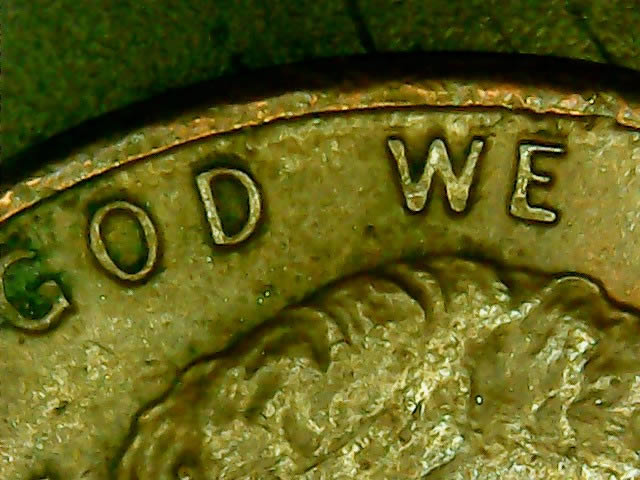
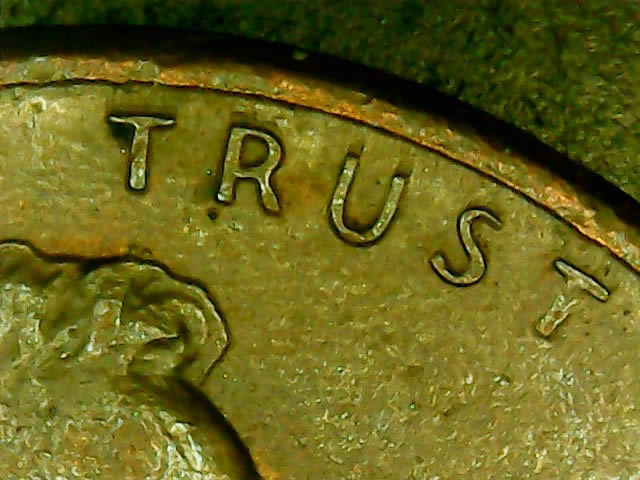
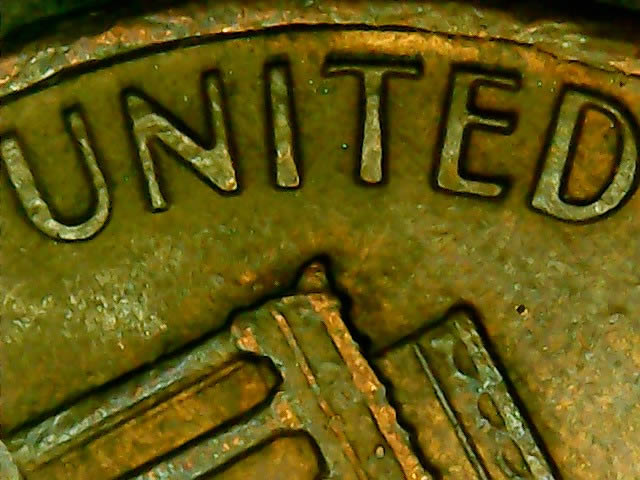
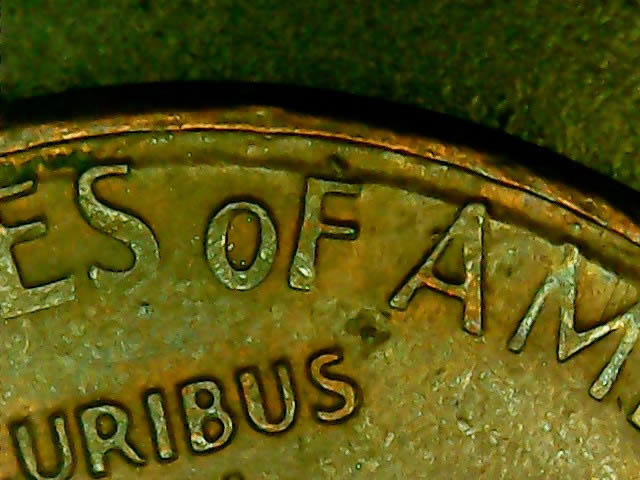
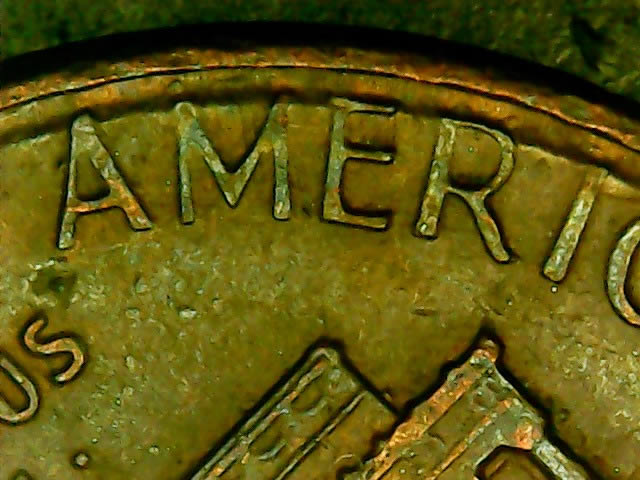
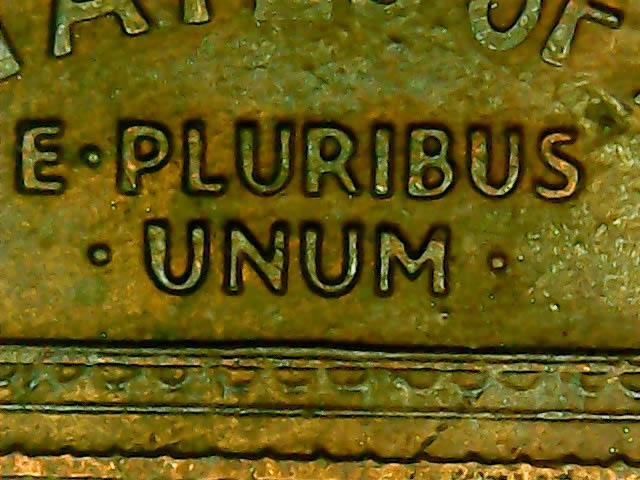
It would appear that your Lincoln Cent fell victim to PMD. The flattening of the letters was done by a hit of some sort after it left the mint. |
|
Valued Member
 United States
111 Posts |
Really?!? PMD? I would have never thought that as the lettering is completely intact and even stands above the area that has been flattened. Thank you for the information. This one definately is throwing another loop into learning for me.... |
|
Bedrock of the Community
United States
10065 Posts |
Just keep asking questions  This type of PMD is not difficult to encounter. |
|
Pillar of the Community
United States
6514 Posts |
I'm not an expert. Just my opinion. There are others here that know a lot more than me. I believe your coin is also exhibiting MD and LDS.
Check out my counterstamped Lincoln Cent collection: http://goccf.com/t/303507 |
|
Valued Member
United States
111 Posts |
Thank you everyone for your input. I am really trying to learn this stuff, but its not sinking in like it should. I appreciate everyones time.
|
|
Bedrock of the Community
Canada
21910 Posts |
When looking for errors, ask yourself if it is possible that it could have been done at the mint. There are only certain errors that are possible during the striking of a coin. Many strange things both intentional and unintentional happen to coins after they have left the mint but are classed as PMD, not errors. Edited by JimmyD
06/14/2018 08:19 am
|
|
Valued Member
United States
111 Posts |
|
|
Bedrock of the Community
United States
62064 Posts |
OK. Let's look at things from the dies point of view. The hub that created the die is a positive. Just like a coin.  The die on the right is given the devices incuse into the die. This is called a negative. Why, because it is opposite of the hub and coins it will strike. The devices are set deep enough to make the raised devices and the design. The fields are on the outside areas of the die. 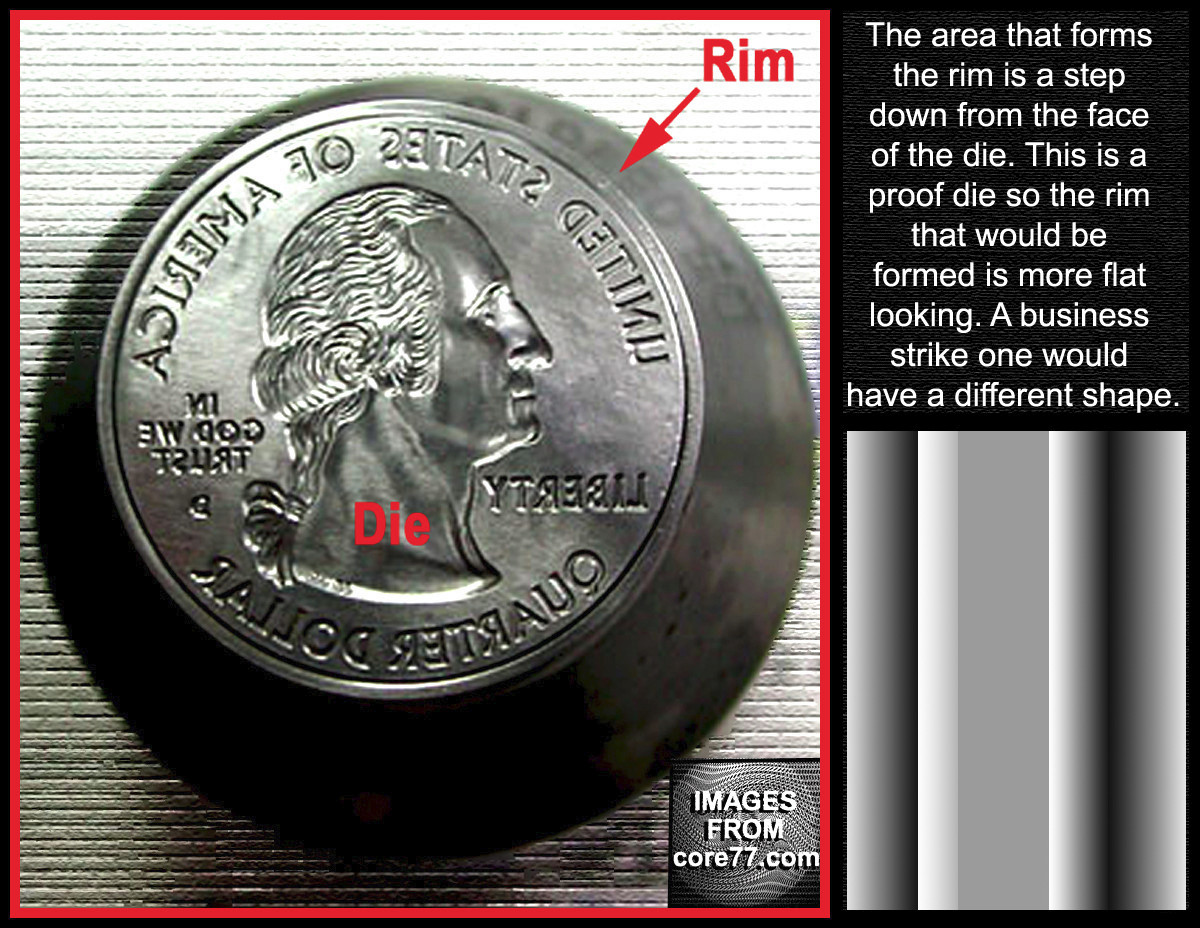 Note on the image the setup of the die? The fields are the outside of the die. Note the rim is formed with the area on the outside of the die. So the raised devices are incuse on the die will be raised on the coins. So what happens when the die is polished? What area is affected? The fields. The deeper the polishing, the weaker the devices become. Suppose on the outer ring of the fields, part of that are is removed? This creates a raised are on the coins struck. But going the other way let's say that edge on the die was raised taller than the fields area. Then what would you see on the coin? An area lower than the fields. Thus, back to the coin discussed. The area near the rim would be raised on the die, making it deeper than the fields. The letters won't fall off because they are deeper into the die. So to fix this die, it just needs a polishing. CoopHome: incuse mark near rim Edited by coop
06/15/2018 2:19 pm
|
|
Bedrock of the Community
United States
79330 Posts |
Good demonstrate Coop! Thank you for sharing this. I enjoyed reading this.
Errers and Varietys.
|
|
Valued Member
United States
111 Posts |
Thank you again and again my "Cooper Sensei". Your explaination are so detailed yet simple to understand. I just had no idea how many details are involved in collecting.
|
|
Bedrock of the Community
United States
62064 Posts |
Sometimes you just need to stop thinking coins, but how the coins are made to answer questions. When you see it from that perspective, then you will understand the end result better.
|
| |
Replies: 11 / Views: 1,362 |
|











 Posted 06/08/2018 11:29 pm


