Before really diving in to the start of the Indo-Sassanian drachms, I feel it is important to distinguish them from the "Proper" Hepthalite drachms, made and used in Central Asia from the mid-5th to 7th centuries. These coins are covered by Göbl, whose book I have been unable to find in English for under $300.
A bit of background: While the Huns had been copying Sassanian coins since at least the 4th century (the earliest copies are derived from Shapur II), in the later half of the 5th century, the Hephthalite kingdom rose to sudden and unexpected prominence when they captured and ransomed the Sassanian Emperor Peroz (459-484). The ransom amount is not known, but amounted to "two ox carts" according to later historians. They received a second ransom in the 470s when Peroz's second campaign against the Huns also ended in catastrophe; he now had to ransom his son Kavadh. A third and final campaign saw Peroz fall in battle; the Sassanian empire was nearly toppled. This is one of the most numismatically significant events of the non-classical era, as this influx of Peroz drachms led to their status as the de facto silver currency of the Silk Road, and this inspired hundreds of types of imitation by dozens of cultures; the last ripples of which would be felt in a Hindu monastery in central India nearly 900 years after Peroz's first ransom!
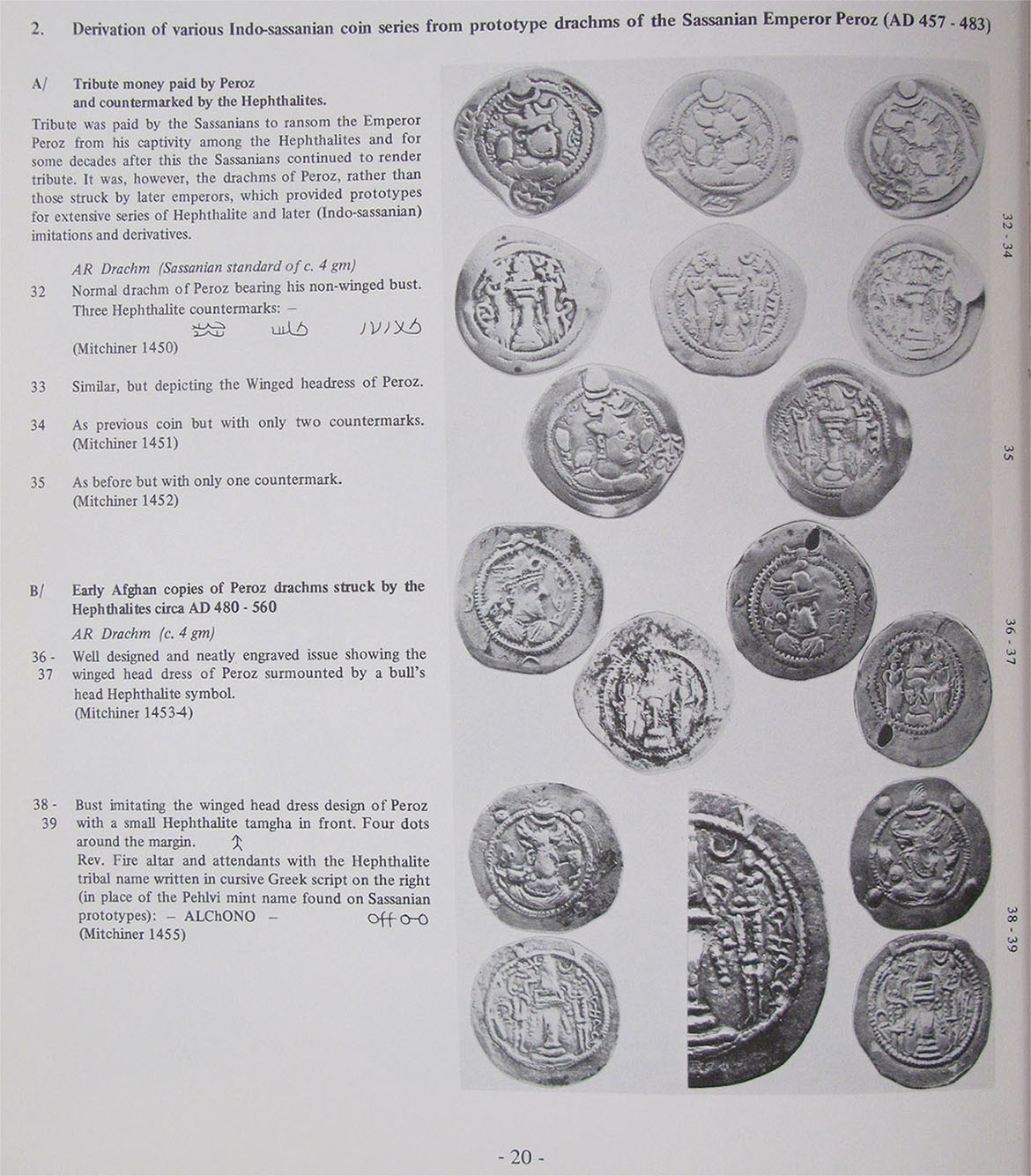
These first four coins are believed to be some of the only coin types attributable to the Hepthalites who humiliated the Sassanians. All are copies of Peroz's third crown drachm, generally of degenerate style, but importantly, all have the addition of four large pellets outside of the obverse die border. Their purpose or origin is not known.
Additional important characteristics are:
- An addition of a small Bactrian legend (unread by me) above the front ribbon on the obverse
- The replacement of the date on the reverse with a Bactrian legend, ostensibly reading ALXOON or Alchon.
- Nearly all coins have a Pahlavi "M" on the reverse left; a feature found on some official Peroz drachms.
(Example:
https://www.zeno.ru/showphoto.php?photo=107355 )
For reference, here is an official Peroz drachm, ST mint

First up are Göbl 287, four pellets but no legends or tamghas added
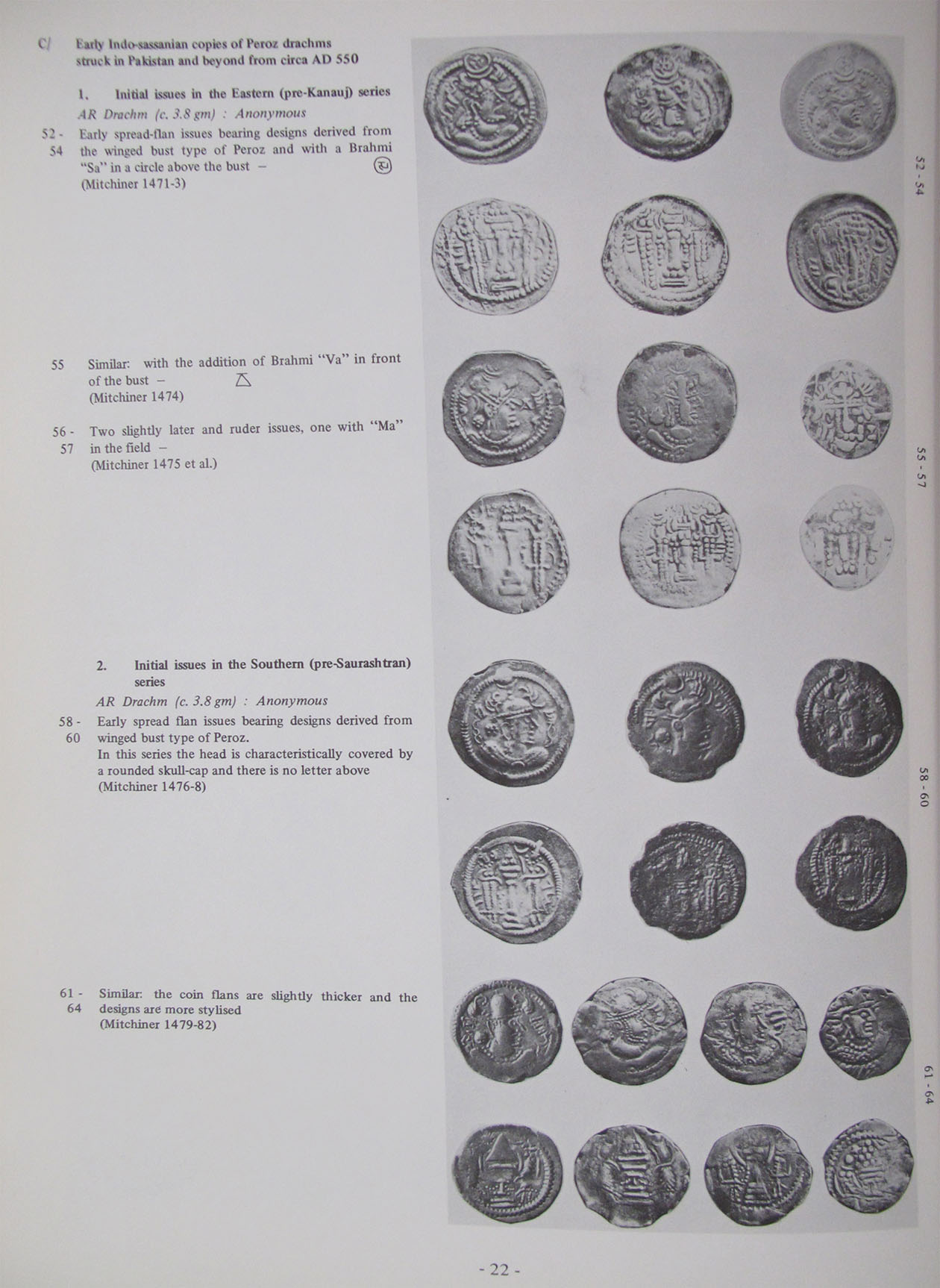
A very early type of fine style
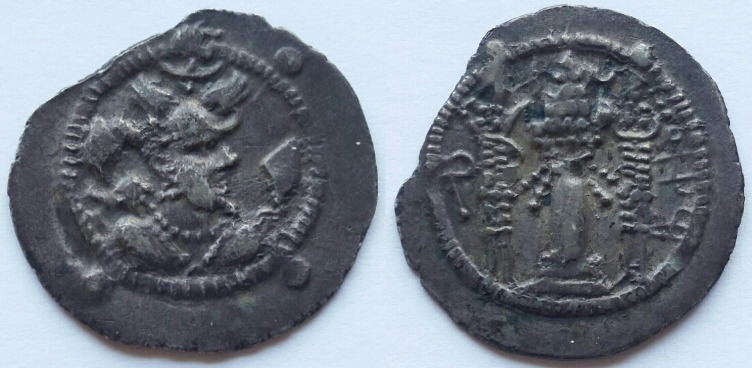
(ex.
ebay sale, Syossetcoin, May 2018, $41)
Later, crude style
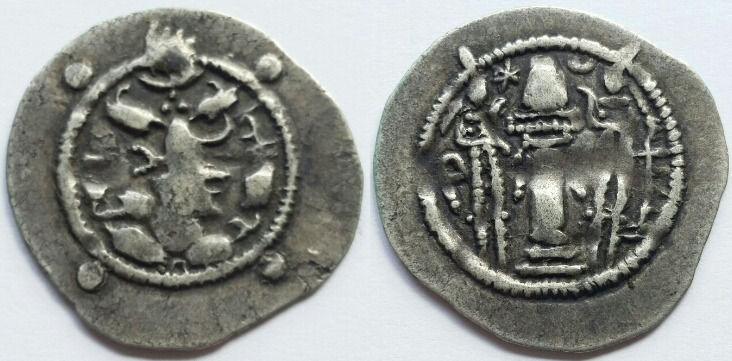
(ex. Frank Robinson auction, March 2018, $35)
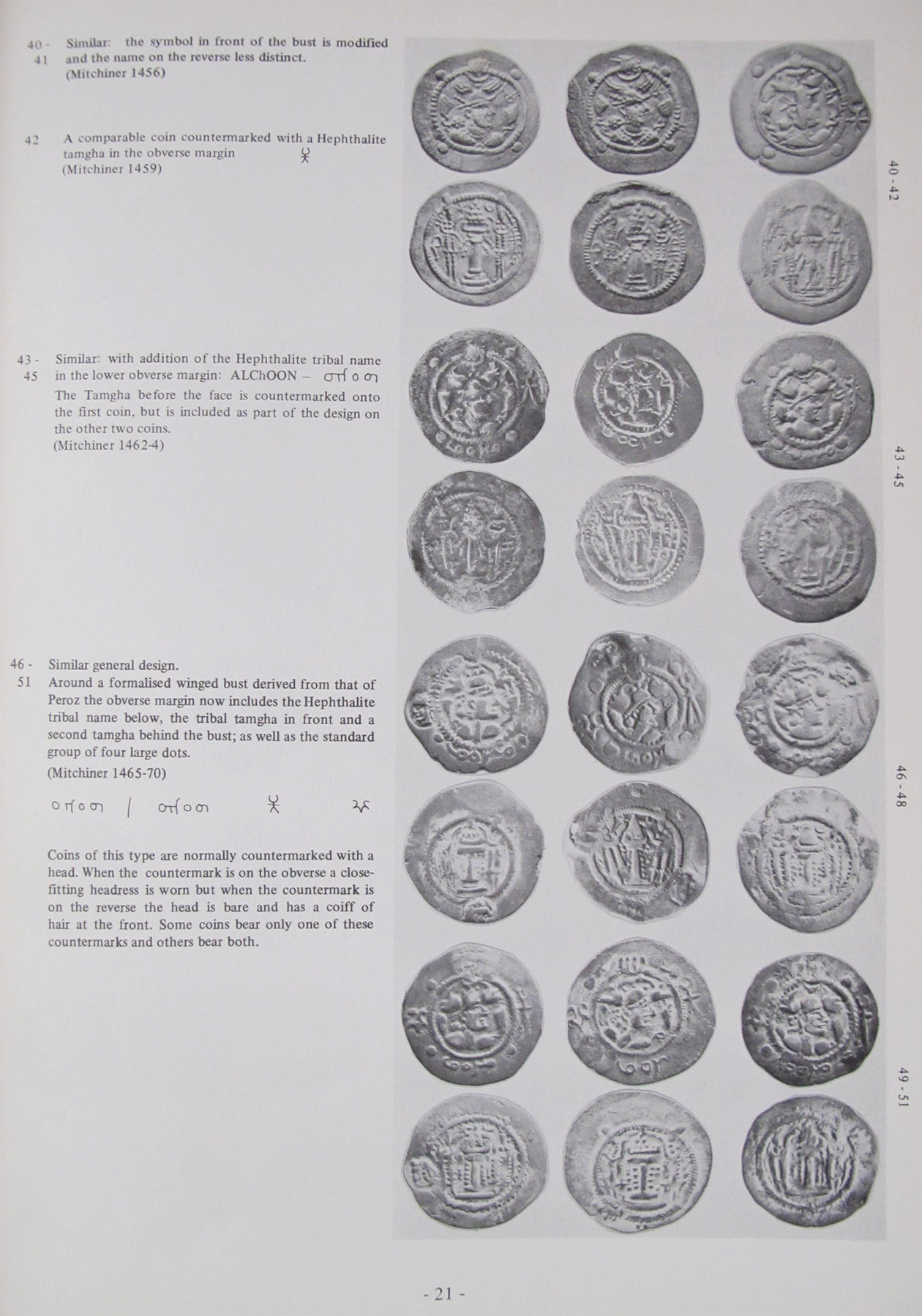
Next are Göbl 288-289, where the die engravers added tamghas and/or legends to the die (not countermarked)
Both of these are broken and of very little value, but were cheap as dirt.
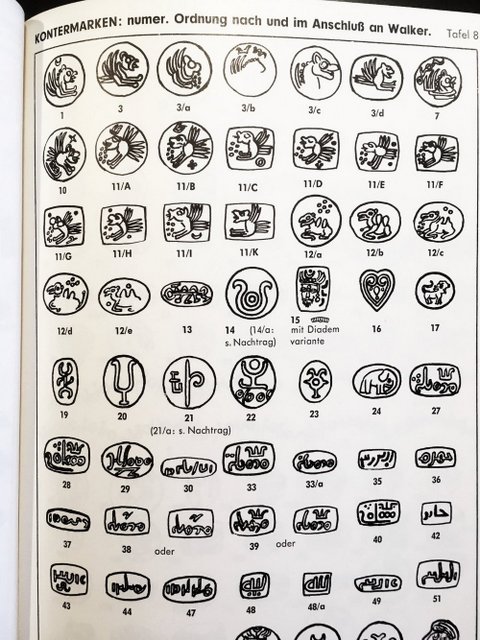
This one has a countermarked Bactrian legend, I believe this type:
https://www.zeno.ru/showphoto.php?photo=156181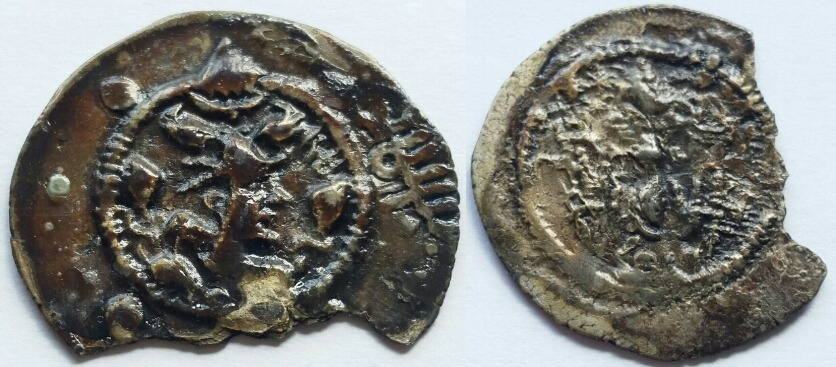
(ex.
ebay sale, Amorepiccino, 2017, $5)
Note the tamgha present at about 7:00
This one is free of countermarks, and clearly shows the tamgha engraved in the die:
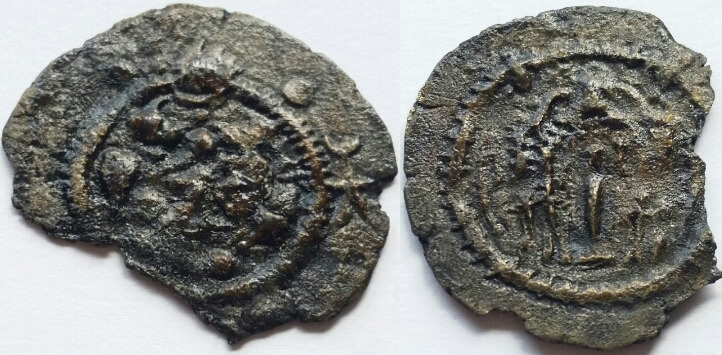
(ex.
ebay sale, Amorepiccino, 2017, $5)
These aren't exactly my area of expertise, so I welcome comments and discussion!










 Posted 06/18/2018 2:29 pm




 May end up having to copy it manually so I don't find myself out of a job.


