| Author |
 Replies: 5,294 / Views: 291,231 Replies: 5,294 / Views: 291,231 |
|
|
|
Pillar of the Community
 United States
2703 Posts |
1661 William of Orange1/12 ecufancy crown over shield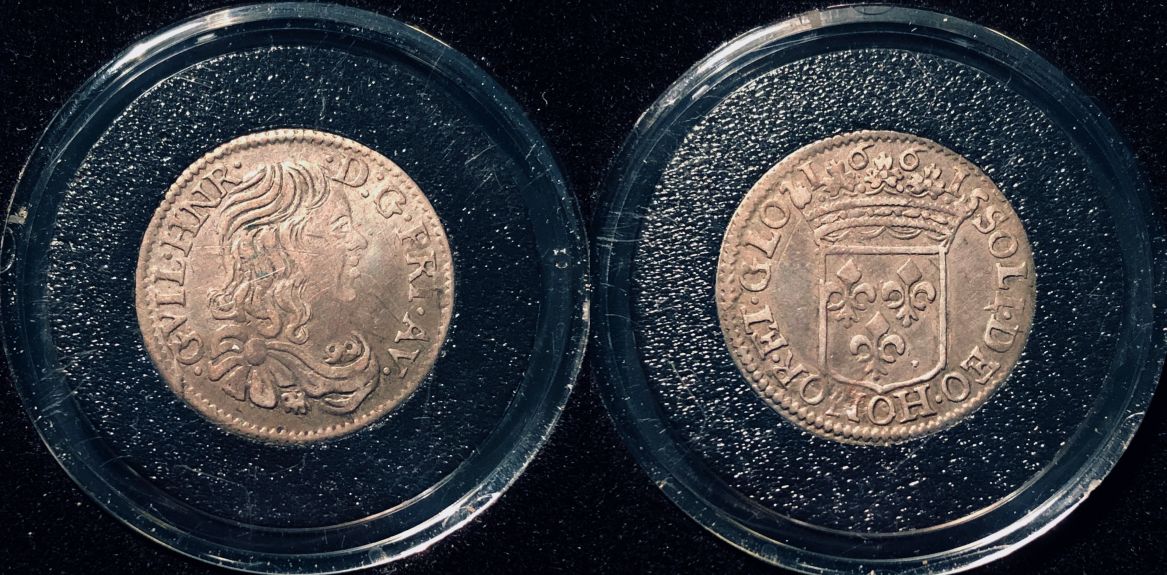 simplified crown over shield simplified crown over shield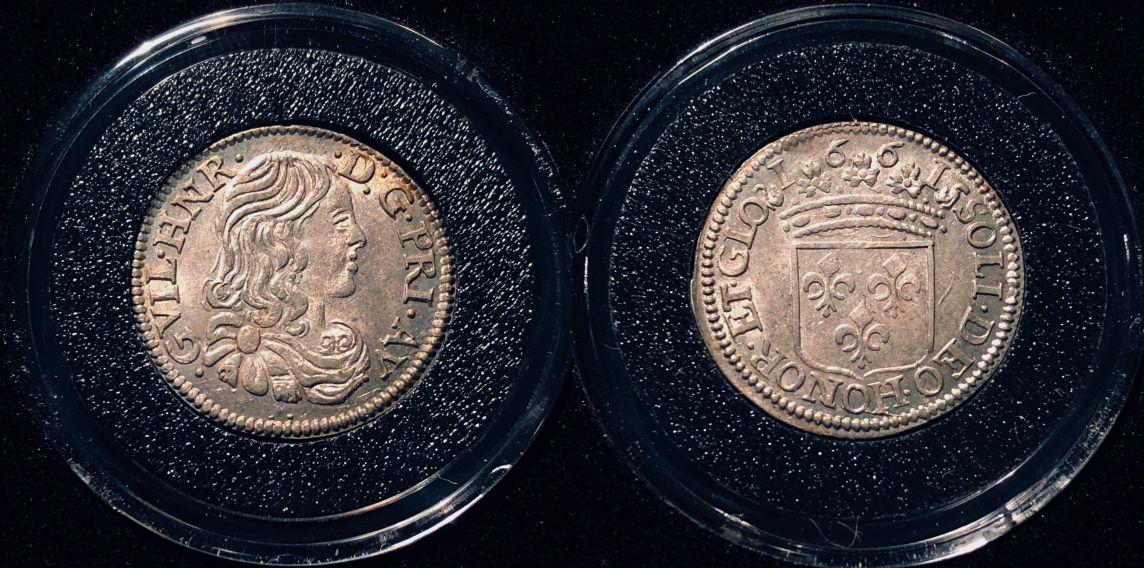
|
|
Pillar of the Community
United States
9395 Posts |
1661-- Kingdom of Spain, 8 maravedis:   |
|
Pillar of the Community
 United States
8057 Posts |
Nice new adds ... William of Orange and Spain.
|
|
Pillar of the Community
United States
2703 Posts |
1661 King Louis XIV of France1/12 Ecu with Juvenile BustMontpelier(N) 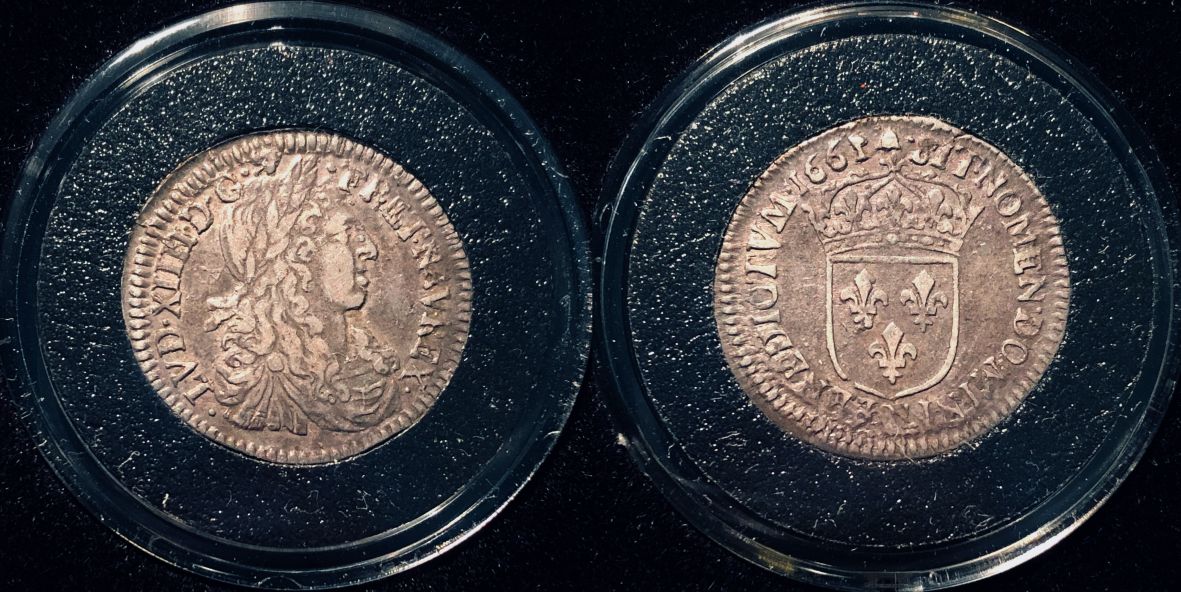 1/12 Ecu for Dauphine with Juvenile BustGrenoble(Z) 1/12 Ecu for Dauphine with Juvenile BustGrenoble(Z) 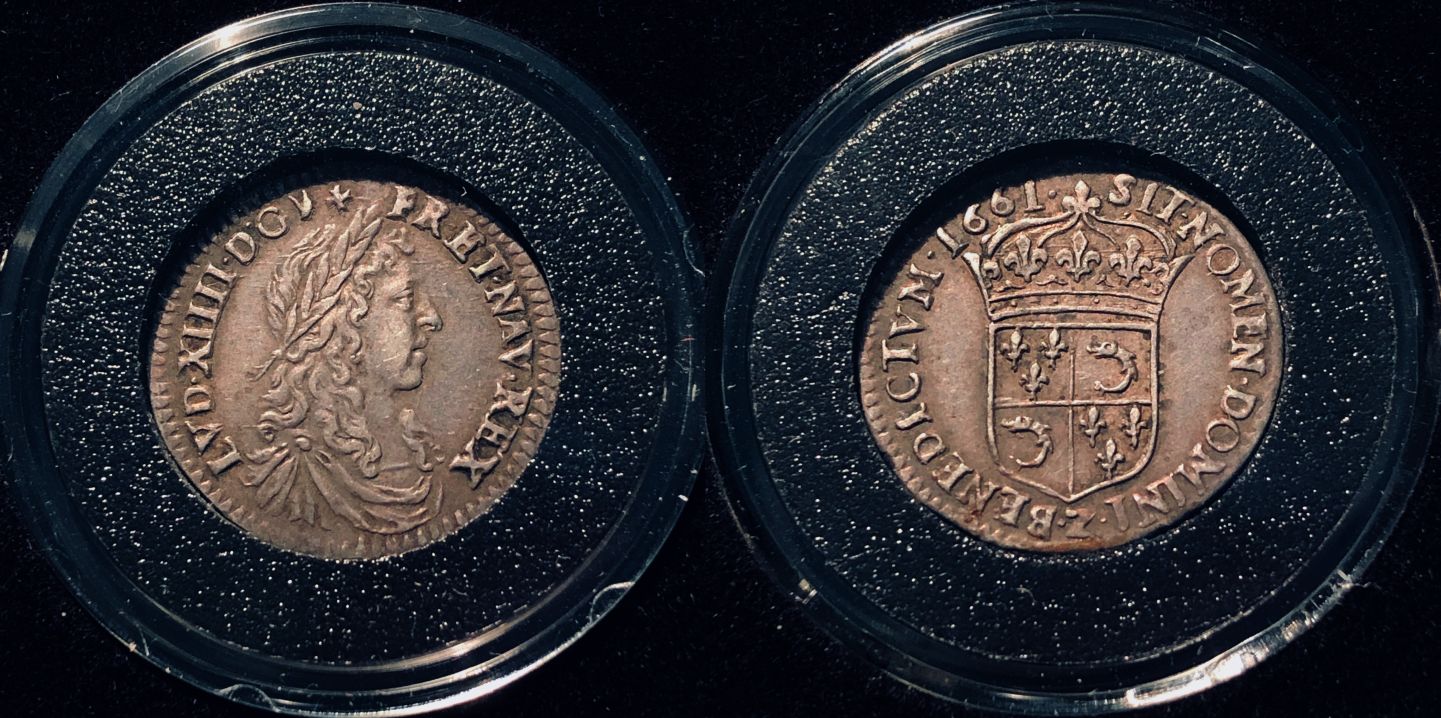 1/2 Ecu with Juvenile BustRennes(9) 1/2 Ecu with Juvenile BustRennes(9) Ecu for Bearn with Long CurlMorlaas(M) Ecu for Bearn with Long CurlMorlaas(M)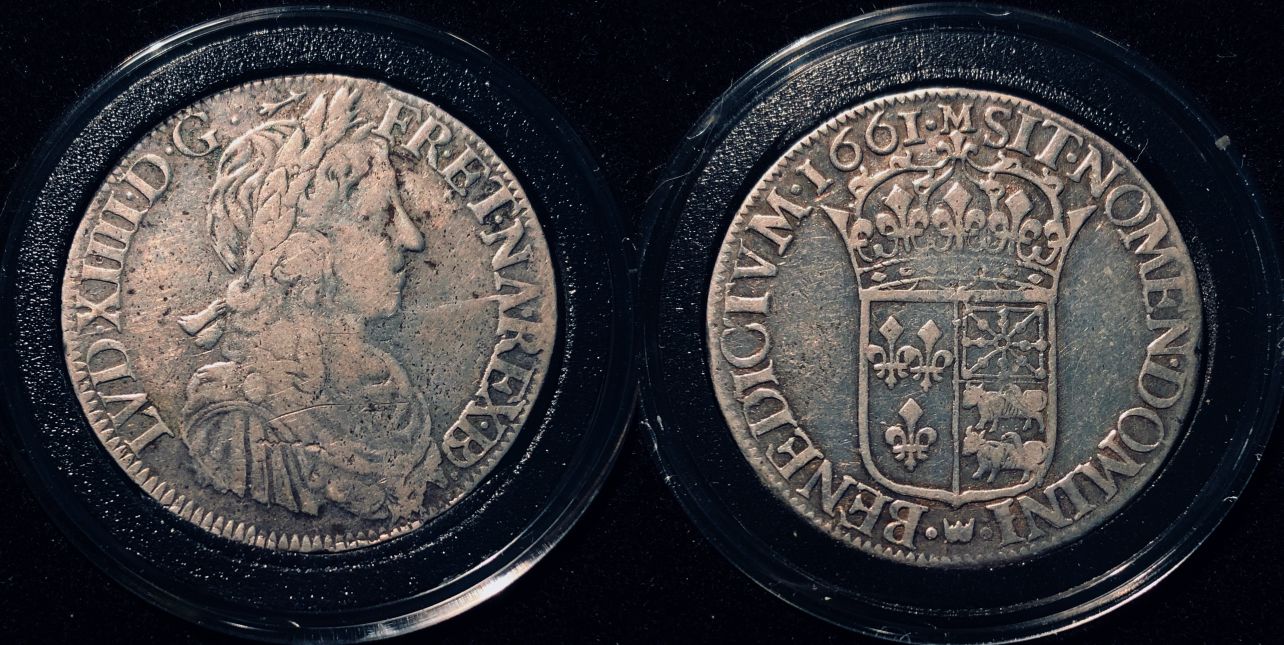
|
|
Pillar of the Community
United States
789 Posts |
How did they determine the mint marks on all those French mints?
|
|
Moderator
United States
34563 Posts |
@jc, look at the six o'clock position on the rev. For example, on the most recent coin posted by @t360, that little crown thing indicates Morlaas.
"If you climb a good tree, you get a push."
-----Ghanaian proverb
"The danger we all now face is distinguishing between what is authentic and what is performed."
-----King Adz
|
|
Pillar of the Community
United States
2703 Posts |
I don't know if there was any system to assigning the mint marks, but they were consistently used from about 1520-1792. Every letter (except J and U) was used as well as some double letter combinations such as Metz(AA) and Strasbourg (BB), and 9 and &. And of course the cow for Pau on coins issued for Bearn. "C" was used early on for St. Lo and then later Caen. All the mints varied widely on their output and denominations struck but didn't change their mint marks. Most of these provincial mints closed after the French Revolution in 1792.
|
|
Bedrock of the Community
United States
12057 Posts |
1661 3 Kreuzer (Tirol, Austria) ex: WAG / Album 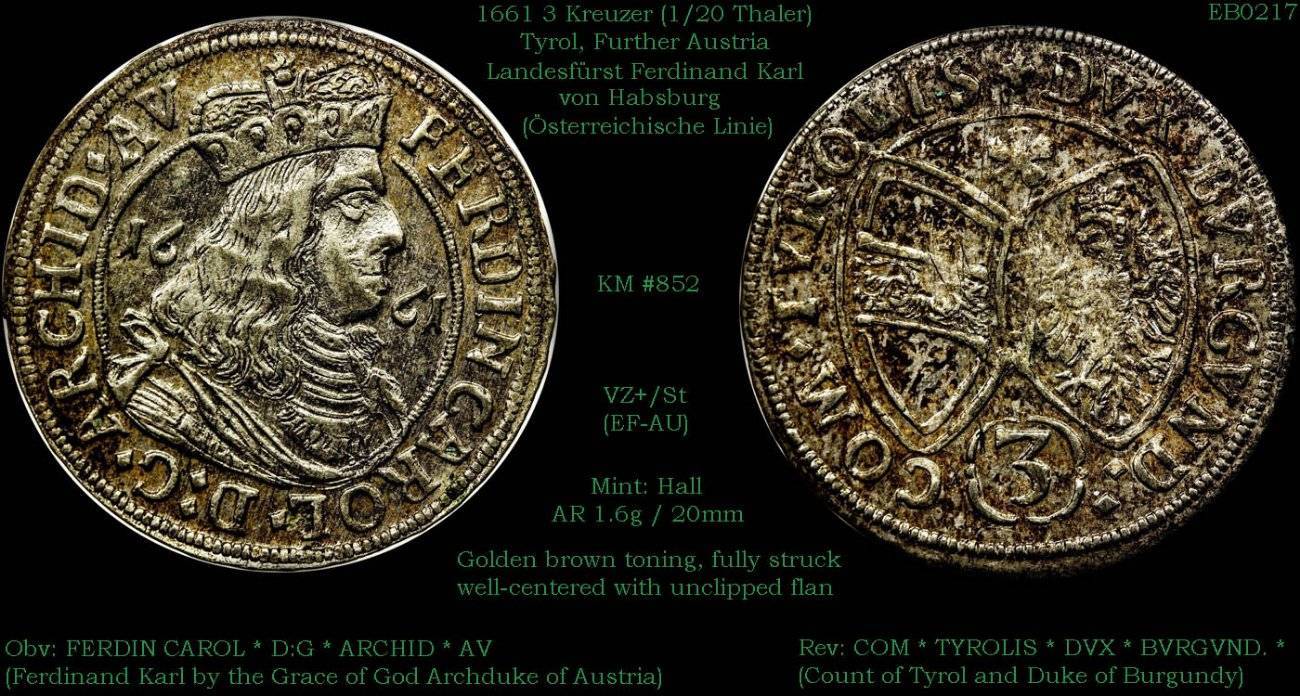 Member ANA - EAC - TNA - SSDC - CCT #890 "Most of the things worth doing in the world had been declared impossible before they were done." -- Louis D. Brandeis |
|
Pillar of the Community
United States
789 Posts |
Quote:
@jc, look at the six o'clock position on the rev. ... Sorry I wasn't specific, I meant how did the issuer of the coins determine which mark to use. |
|
Moderator
United States
34563 Posts |
Ah sorry that I mis-understood you. You are asking why, for example, Morlaas used a crown but Rennes used a number 9. Sorry but I do not know the answer to this question.
"If you climb a good tree, you get a push."
-----Ghanaian proverb
"The danger we all now face is distinguishing between what is authentic and what is performed."
-----King Adz
|
|
Pillar of the Community
United States
8057 Posts |
@t360, very interesting info on the French mints, and the original question is always an interesting one. Not hard to find the logic in assigning A for Paris if an alphabetic scheme is used, and while "cow and Pau" are a nice rhyme in English, they don't rhyme in French, and Normandy (Caen) is certainly as well known for their cows as any other place in France. So ...  Poland 1660 Szostak, Krakow mint. As Petrus has pointed out, in Jan Casimir's reign the mint on coins from the Poliash-Lithuanian commonwealth can be determined from a combination of the mintmaster's initials (AT, TLB, GFH, etc) and other symbols. 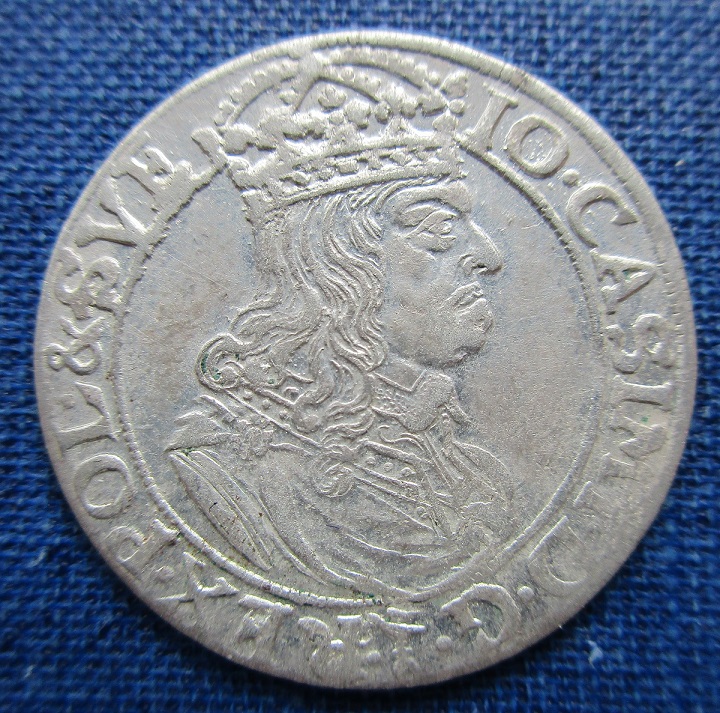 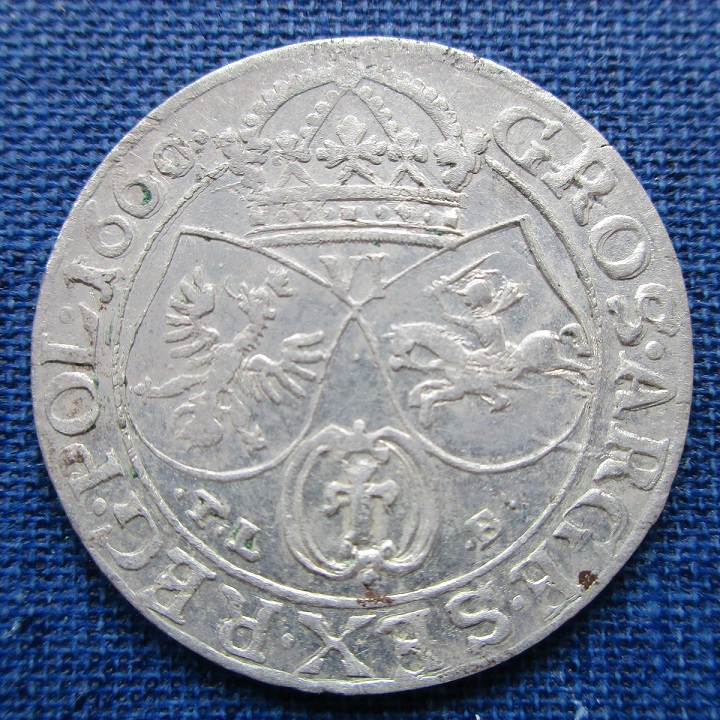 Edited by tdziemia
06/17/2019 12:11 am
|
|
Valued Member
Norway
375 Posts |
Solidus, Poland, 1660 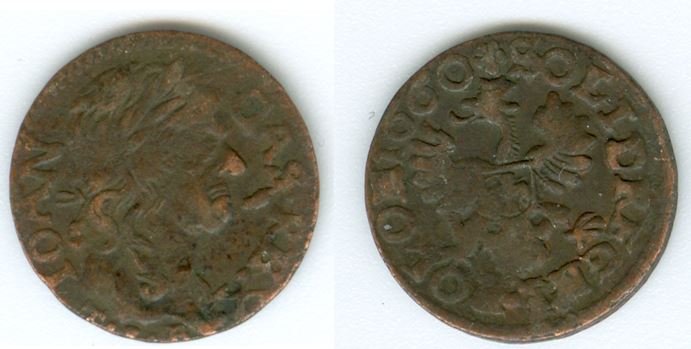 |
|
Pillar of the Community
Belgium
2895 Posts |
JETON 1660 (South Netherlands) PHIL. IIII. D.G. HISP. ET. INDIAR. REX. Philippus IIII Dei gratia Hispaniarum and Indiarum rex Philips IIII, by God's grace king of Spain and the Indies CEDANT CONCORDIBUS IGNIBUS ARMA united, fiery moving army MERIDIONAL NETHERLANDS, Cu counter token, 1660, Antwerp. The Peace of the Pyrenees concluded between France and Spain. Right: Philip IV's battleship on the right. Reverse: Hymen, holding an olive branch and burning a heap of arms with his torch. Ref .: Dugn., 4160; van Loon, II, 445, 2. 6,00g. Dim: 31 mm 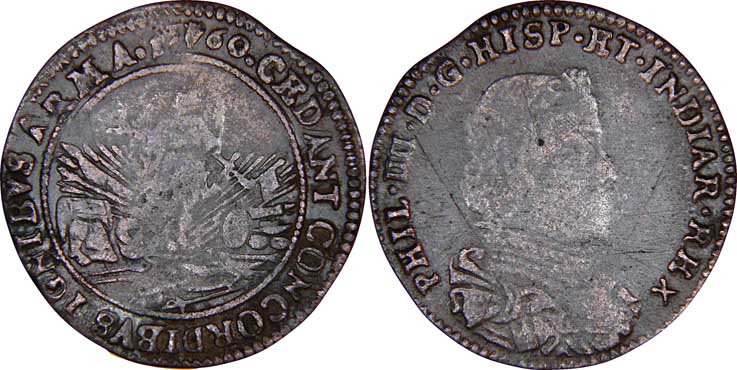 |
|
Pillar of the Community
Belgium
2895 Posts |
MAXIMILIAN HENDRIK of BAVARIA 1650-1688 - mintplace HASSELT FRONT: crowned coat of arms, crown interrupts the text. Coat of arms of Bavaria (diamonds). ND (1660) MAX. THEM. D.G. ARC. COL. (or variant). Maximilianus Henricus dei gratia archiepiscopus Coloniae. Maximilian Heinrich, by God's grace, Archbishop of Cologne. Crowned coat of arms of Bouillon, under the crown is a slanting cross made of a staff and a sword. .EP. / .ET. PRIN. LEO. DVX. BVL (or variant). episcopus et princeps Leodiensis dux Bulloniensis. Prince Bishop of Liège, Duke of Bouillon. de Chestret 646 - Dengis 1109 Struck on a different lighter foot. 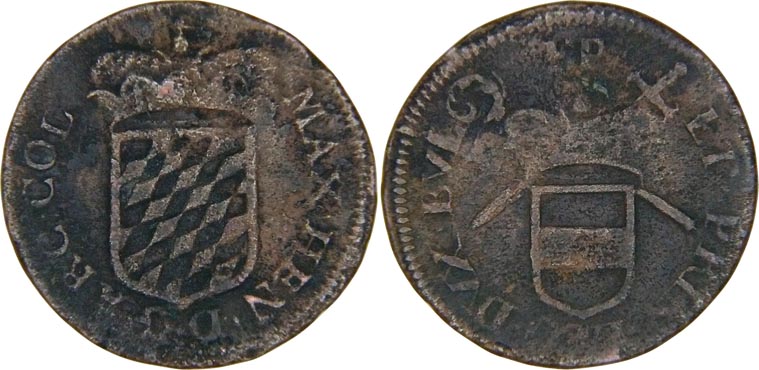 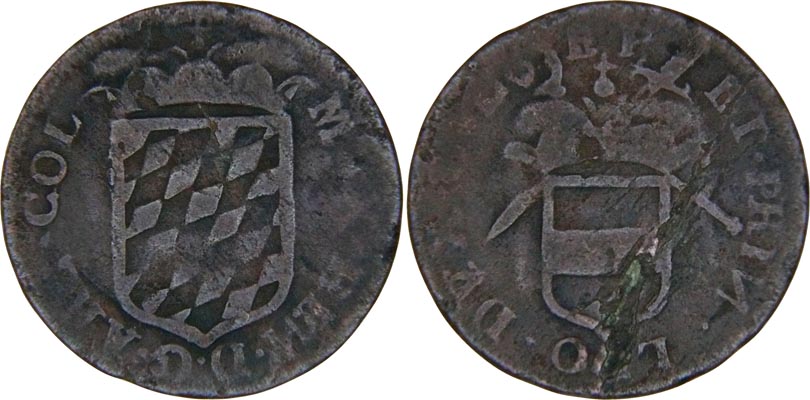 |
|
Pillar of the Community
Belgium
2895 Posts |
Johan Casimir II (1609-1672) King of Poland SOLI.MAG.DVC.LIT1660: SOLIDUS MAGNUS DUCATUS LITHUANIAE solidus of the Grand Duchy of Lithuania IOAN.CAS.REX JOANNES CASIMIRUS REX King Jan Casimir solidus 1660 TLB: 1660-66 Titus Livijus Boratinis, Tenant; Privy mark: HKPL: 1663-76 Jeronimas Kryspinas bronze 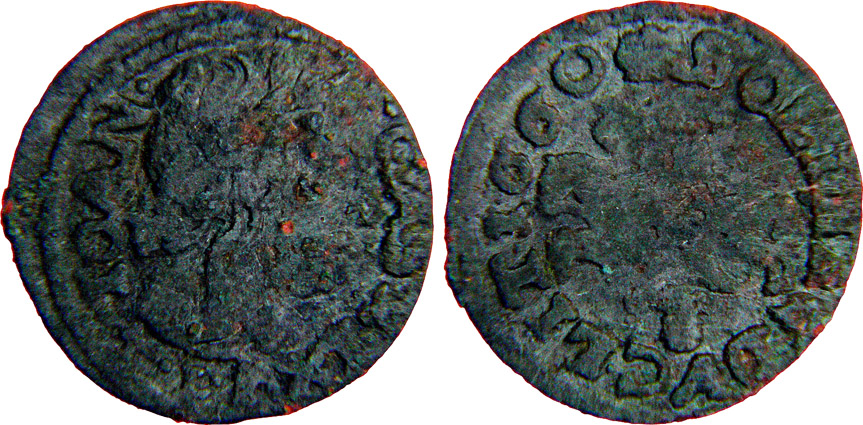 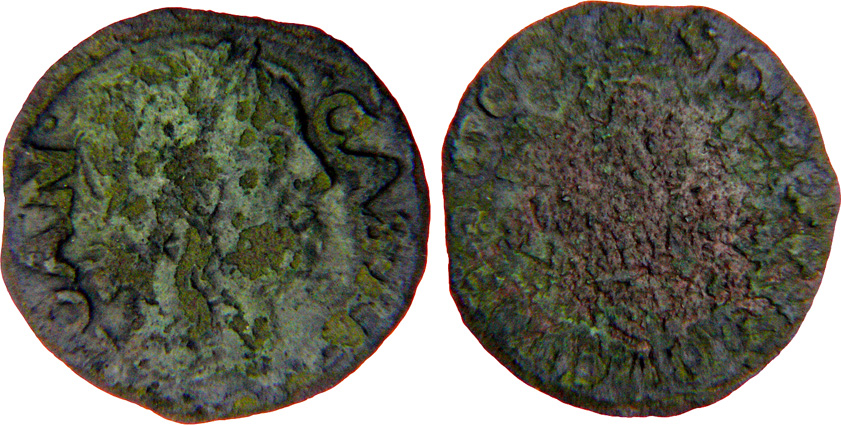 |
| |
Replies: 5,294 / Views: 291,231 |







 First Page
 Previous Page


 Posted 06/16/2019 1:05 pm





