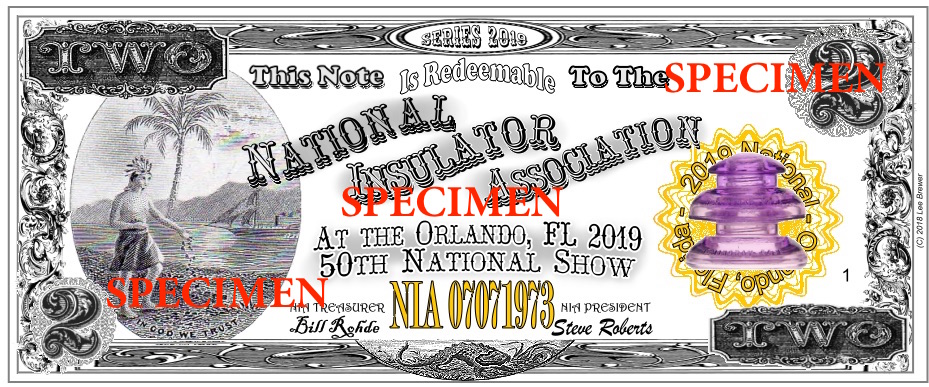
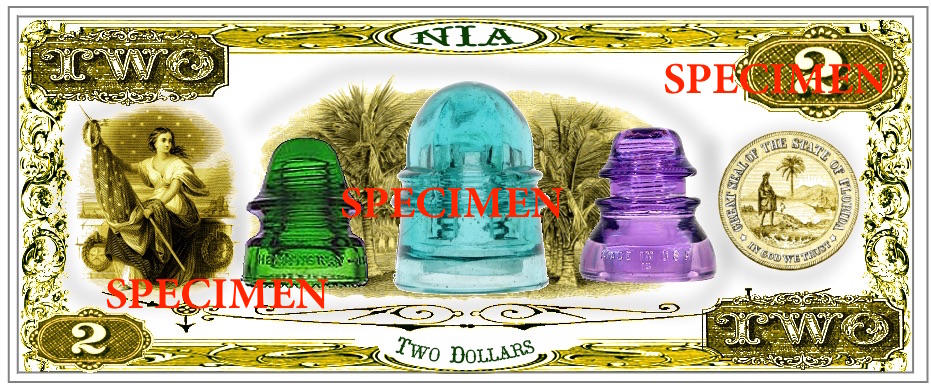
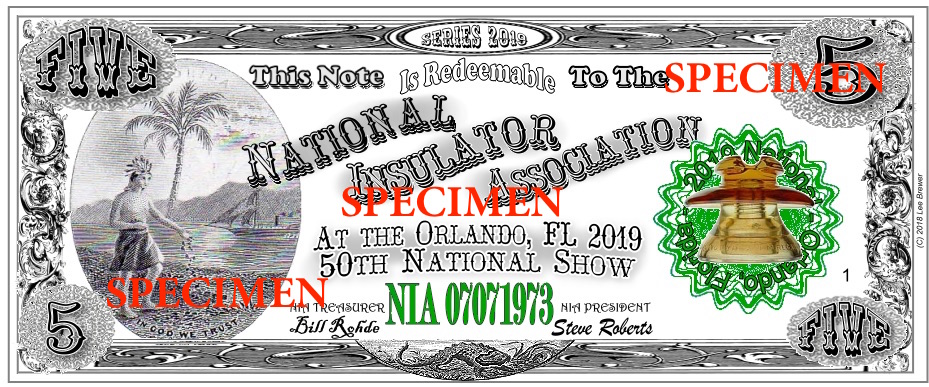
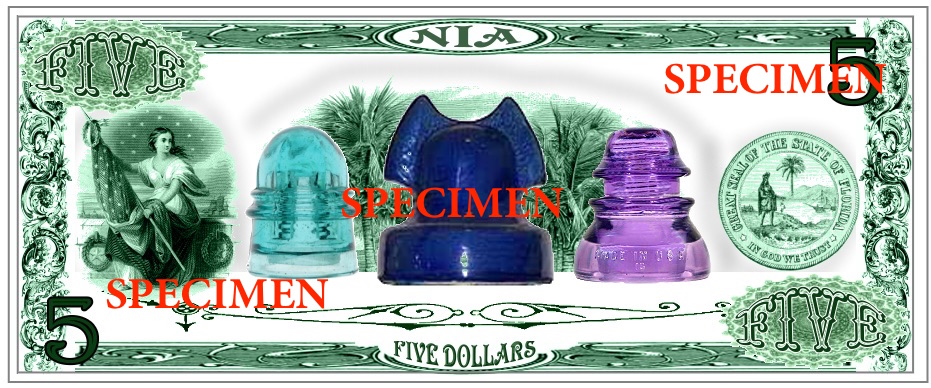
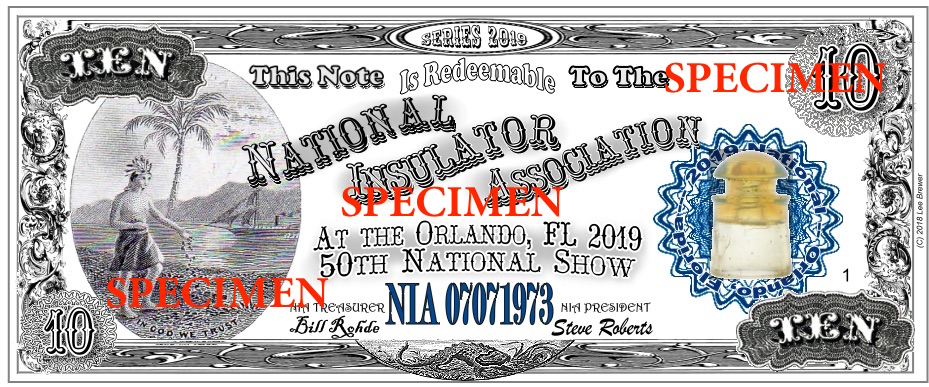
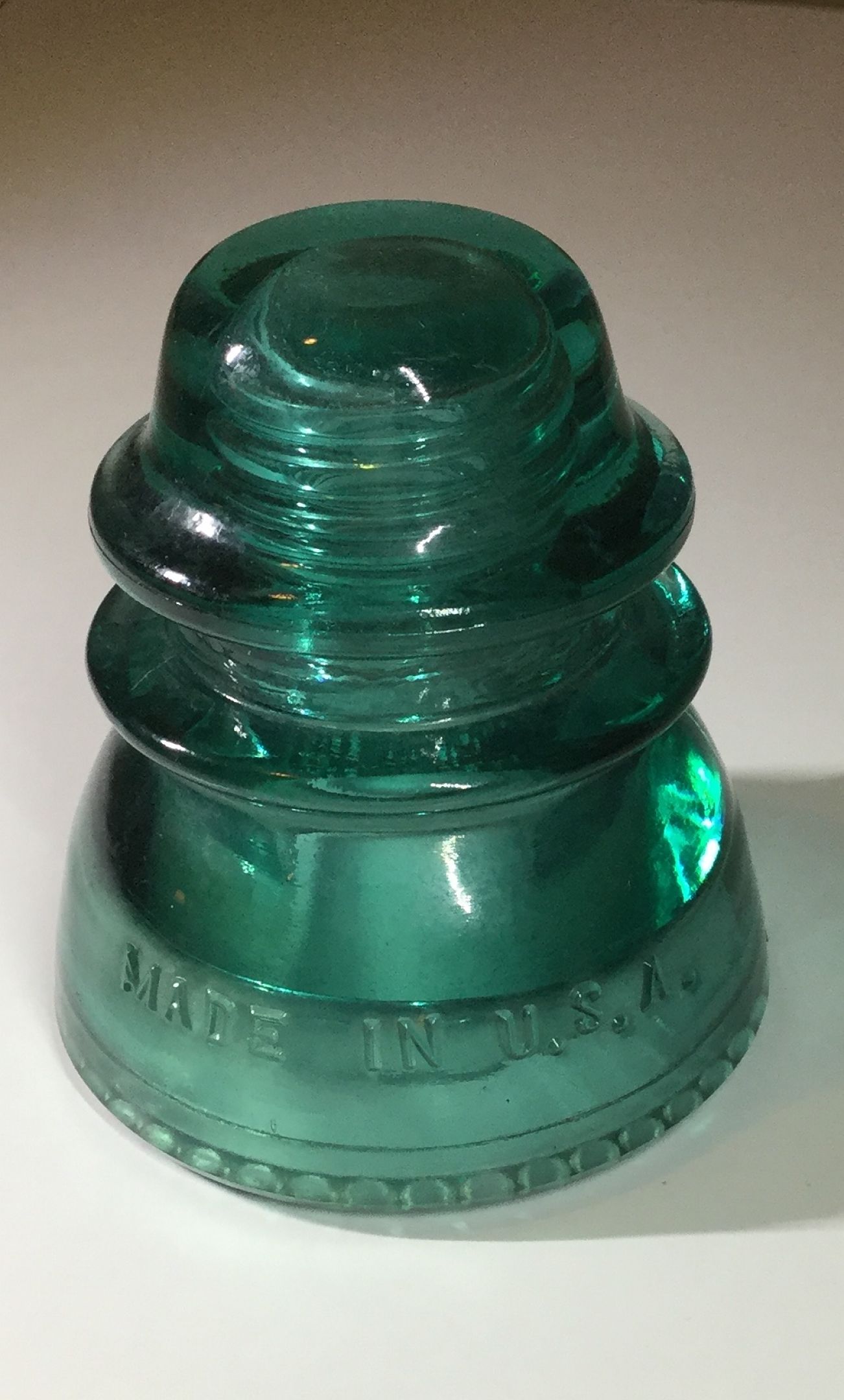
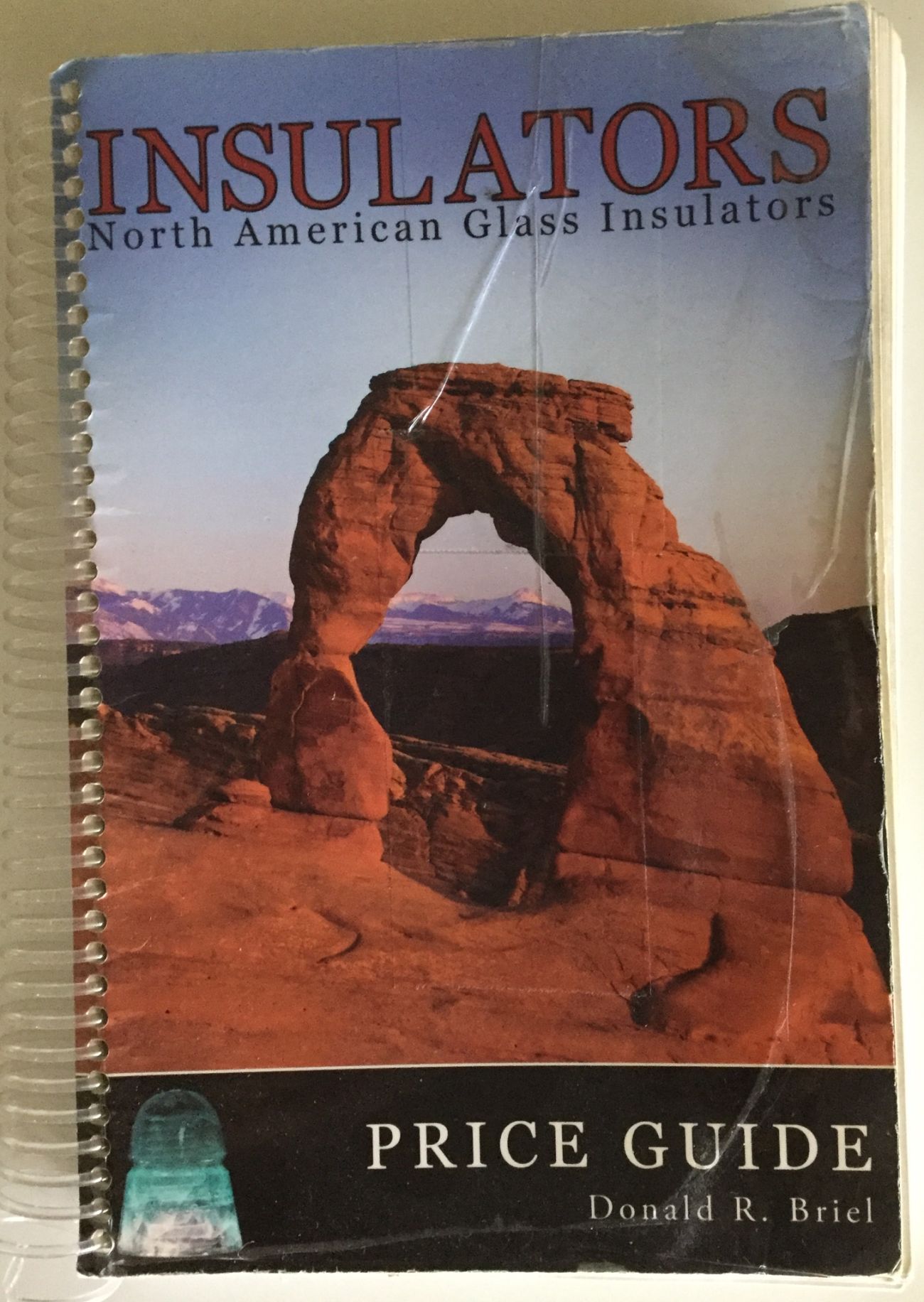
Thanks for the complements. Next year is a show in Logan, Utah so I am planning to start work on them soon.
@Steve
Cool! You hit on two of my specialty areas also!
Forgive the teacher coming out in me that happens when objects I collect are concerned!:
Insulators are identified by being assigned a Consolidated Design number; Since many makers made the same shape, we can lump them together by this shape ("design") and then further ID them by embossing.
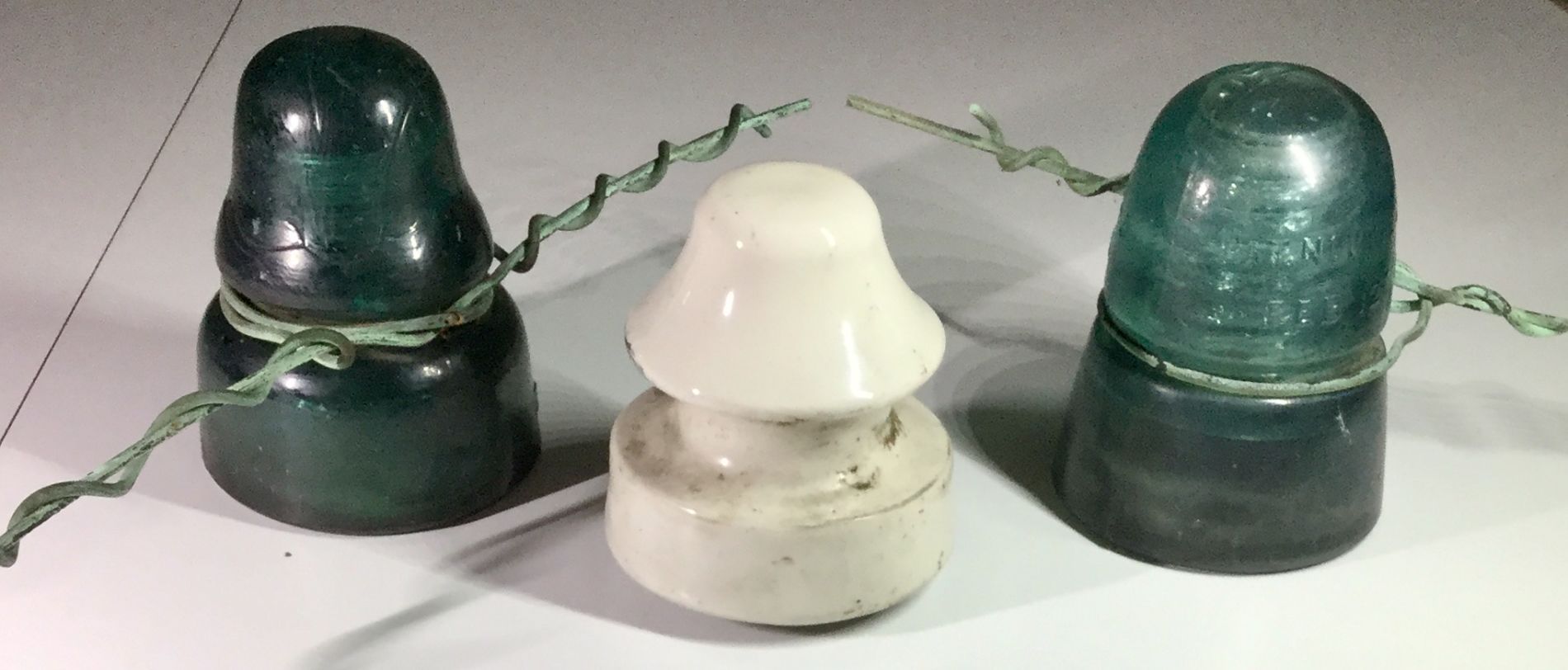
The one on the left is a CD162.5. Made by the Brookfield Glass Company plant in Old Bridge, NJ between 1906 and 1919. The neat thing about this one is that the Pennsylvania RR (Pennsy or PRR) made this design themselves and Brookfield manufactured it for them. Why? Out best guess is the Pennsy was thumbing their nose at Western Union. W.U. had not paid for using the PRR right of way for their pole usage. The PRR gave them an ultimatum that if they did not pay by a certain time, the PRR would rip everything WU out and replace it with their own stuff. BTW, PM me if you want a magazine article outlining with pics of colors these are known in plus everything else about them. Neat history!
WU did not pay, and the Pennsy not only ripped out and replaced everything, but they also put up their own, specifically defined, PRR-usage-only designed insulator in the place of the W.U. stuff. It very possibly was the PRRs way of saying "we are the most powerful US company (they were by far!)and we will not be cheated!"
In the middle is a porcelain piece and, admittedly identifying them is something I am not able to do without a reference. These are assigned Unipart (or U) numbers.
The one on the right is the type I wrote the hobby reference book about so I could (well...did) write 270 pages about them! This is a type made on the very first fully automated insulator making machine. Brooklyn, NY was where it was made. The machine was likely used from 1900-1904 or 1905. This is a CD 145 CREB or
CRown
Embossed
Brookfield. The nickname of the shape is "Beehive." The top patent date is the patent for an insulator to have an inner skirt and the bottom patent date is for the profile of this type of insulator.
The last one you have is the CD154 Hemingray-42. There were more Hemingray-42s made than any other insulator from 1923-the early 60s. The very last glass insulator of any kind in the US was made in 1972 (some say 1978) so all are antiques.
Here is the primary online source for identifying insulators worldwide by shape. Clicking on individual insulators can bring up more pics of the same kind. First choose the overall category and away you go. Careful, they can be addicting to look at!
http://nia.org/general/gallery.htmFirst choose the category and away you go.
Also visiting the picture gallery at insulators.info can be fun. Get some coffee.
Sorry for the book here, but coins and insulators get me going!
How much squash could a Sasquatch squash if a Sasquatch would squash squash?
Download and read: Grading the graders
Costly
TPG ineptitude and No FG
Kennedy halveshttps://ln5.sync.com/dl/7ca91bdd0/w...i3b-rbj9fir2






 Posted 07/02/2018 5:56 pm