| Author |
 Replies: 27 / Views: 6,789 Replies: 27 / Views: 6,789 |
|
Valued Member
United States
190 Posts |
I just purchased an odd looking Canada Penny in a multi-coin lot. It is a 1966 Canada Small Cent. It is paper thin and smaller than a normal size penny. It has a copper Red color. It is not magnetic. My local coin dealer thought it could be minted on a thin planchet that was mistakenly cut for dimes, but then used for pennies with poor results. He says it looks authentic to him, and he is a certified PCGS coin dealer. I have found some references for thin planchet pennies for other dates, but not much about value. Does anyone have some experience with this kind of error and have some idea of value? Has any sold at auction? 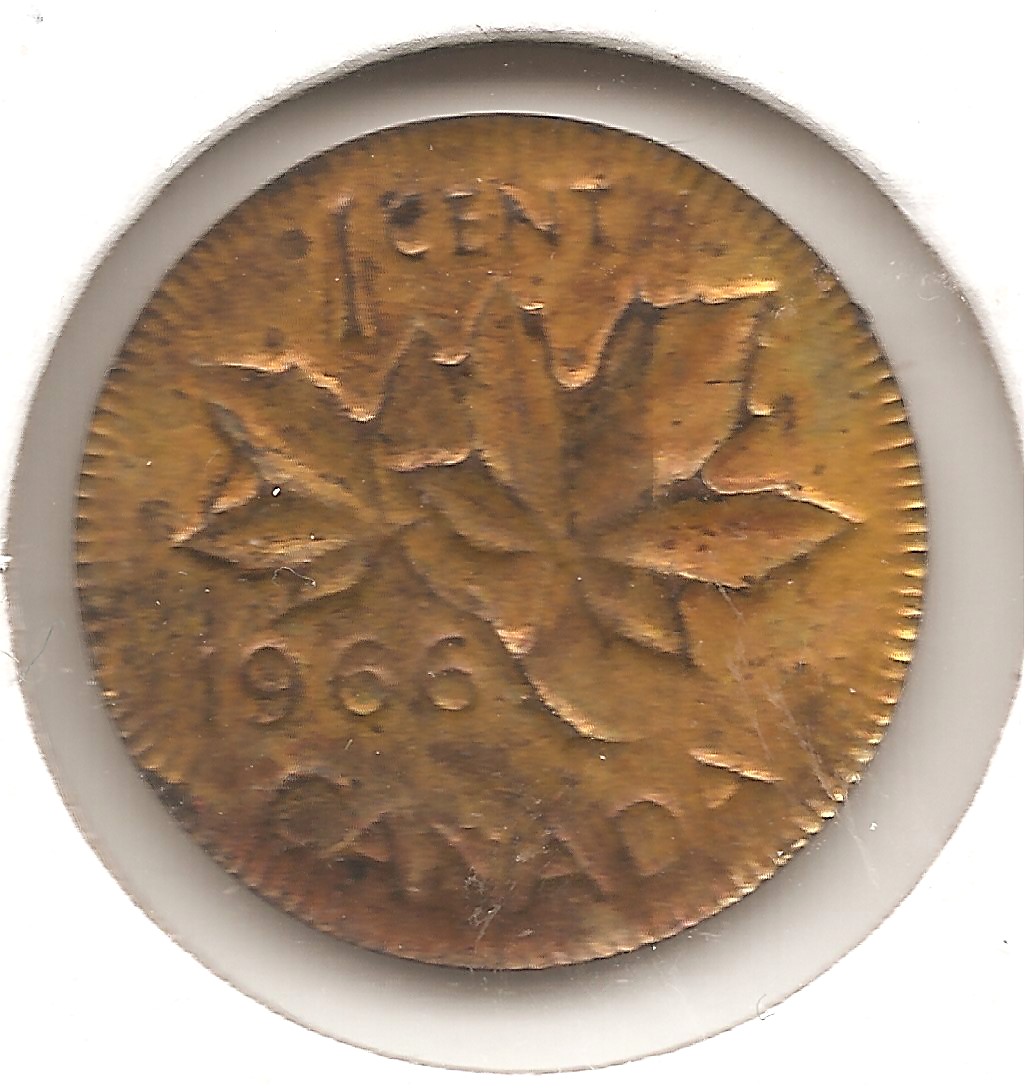 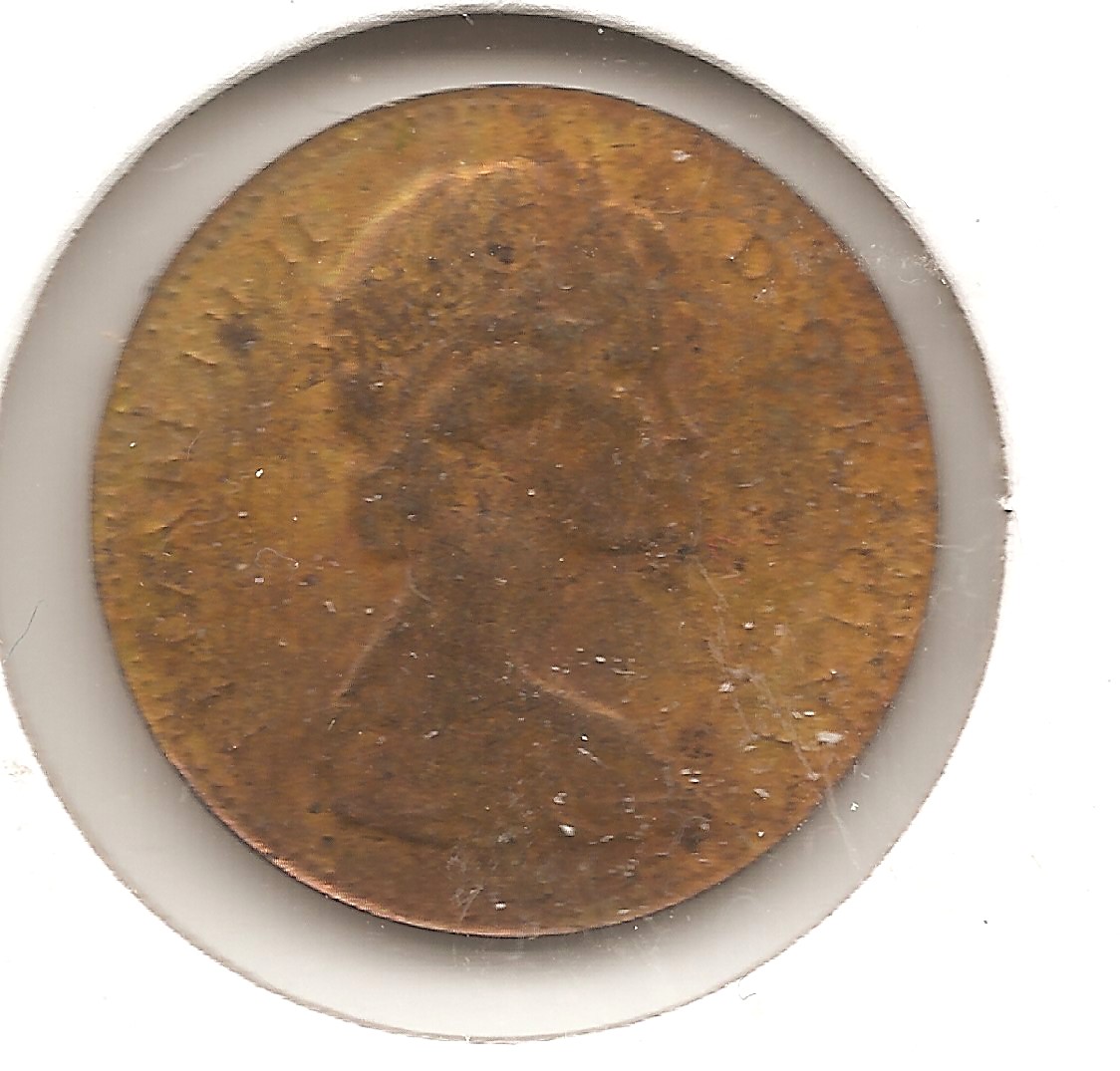 Edited by pasasap
07/28/2018 12:12 am
|
|
|
|
Rest in Peace
10197 Posts |
If it were a legitimate error there would be little if any completed detail on the coin at all. A thinned planchet A thinned planchet hasn't the needed metal to be forced under pressure into the devices. Without pix = without proof as well.
|
|
Pillar of the Community
7234 Posts |
Paper thin? Where's the 911 responder?
Edited by Mark1959
07/27/2018 3:52 pm
|
|
Pillar of the Community
Canada
5342 Posts |
We need pics to see what it could be, but if it's copper, use a magnet, it can't be struck on a dime, also if you can weigh it
|
|
Bedrock of the Community
Canada
21912 Posts |
Wouldn't be on a dime planchet or it would be silver.
but will need pictures.
Edited by JimmyD
07/27/2018 5:44 pm
|
|
Bedrock of the Community
United States
79401 Posts |
Now, if you can show pictures of your coin that you purchased, that would be great.
Errers and Varietys.
|
|
Bedrock of the Community
Canada
21912 Posts |
Quote:
Paper thin? Where's the 911 responder? He responded!  |
|
Pillar of the Community
Canada
872 Posts |
paper thin and smaller diameter usually means acid coin. the acid will eat away at the devices on the coin and give it a mushy appearance as well. pictures are needed and the weight of the coin to determine what you have.
|
|
Bedrock of the Community
United States
94367 Posts |
|
|
Moderator
 Canada
10477 Posts |
Photos would help here immensely... there are many different causes (both legit and post-mint) that can cause what you are describing.
"Discovery follows discovery, each both raising and answering questions, each ending a long search, and each providing the new instruments for a new search." -- J. Robert OppenheimerContent of this post is licensed under a Creative Commons Attribution-NonCommercial 3.0 Unported License. See: http://creativecommons.org/licenses...0/deed.en_USMy eBay store
|
|
Valued Member
 United States
190 Posts |
Normally to respond to one person on most forums there is a respond tab below the person's post, but I do not see it, so I will address some of the statements here. I do not know a whole lot about acid treated coins other than I have experience with U.S. Large Cents that were pickled. Basically, the pickle makers would add copper penny (Large Cent) to the pickle barrow to help with the process. The acidity of the vinegar would fade the details on the coin turning them mushy looking, but not thin the planchet. All the Large Cents that have been pickled that I have seen have planchets that are the correct thickness, and the weight of the pennies are correct unless they are heavily worn or holed. However, these are very large pennies as compared to this one, so maybe the results would be different.
I have seen a dime that was taken from a commercial clothing dryer that looked smaller, but that was because the rim of the dime rolled up on itself like someone rolled up the coin's sleeves. This penny does not appear to look like that dime. I do not believe it was exposed to extreme heat.
I check the coin with a very powerful magnet with no sticking.
I do not think the penny is silver. It looks copper. It has some luster, but appears to have been in circulation, so it is not uncirculated.
The coin was part of a group of Canada pennies I purchased in a large lot. Basically, it was a jar full of Canada Small Cents.
|
|
Pillar of the Community
Canada
2531 Posts |
robmck1967 got it right, even before pics were up! This coin has been soaked in acid. Acid eats away at all surfaces resulting in a smaller, thinner coin and mushy surfaces with thinner details.
|
|
Valued Member
United States
190 Posts |
I watched an experiment on YouTube proving your explanation. So, I guess this coin was the result of a Chemistry experiment. Oh, well, no loss of funds on my part. It was in a jar with other pennies. I never did that experiment in school, so I did not know it was possible. We plated pennies with silver and gold, but never shrinky dinked them to paper thin. I thought the details would have been lost and the coins pitted, but it seems that is not the case. Good catch and thanks.
|
|
Pillar of the Community
Canada
2784 Posts |
pasasap hope this help you. here is the information weight and coin thickness. plus the quanity strike. 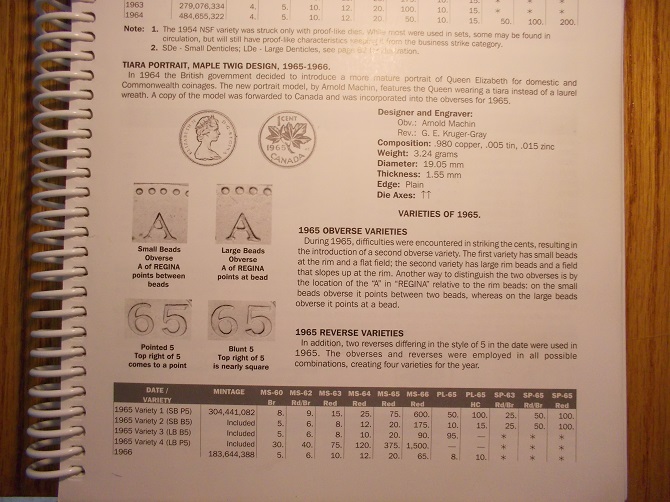 |
|
Pillar of the Community
Canada
2784 Posts |
here is a couple of images. to compare your coin to. your coin just dont look right. sorry for the photos I did not want to cut this coin out of the parafilm.hope this helps 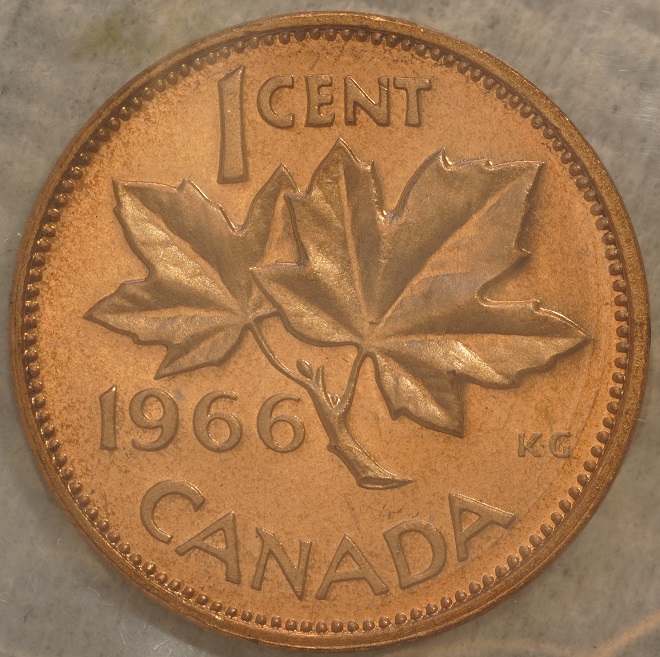 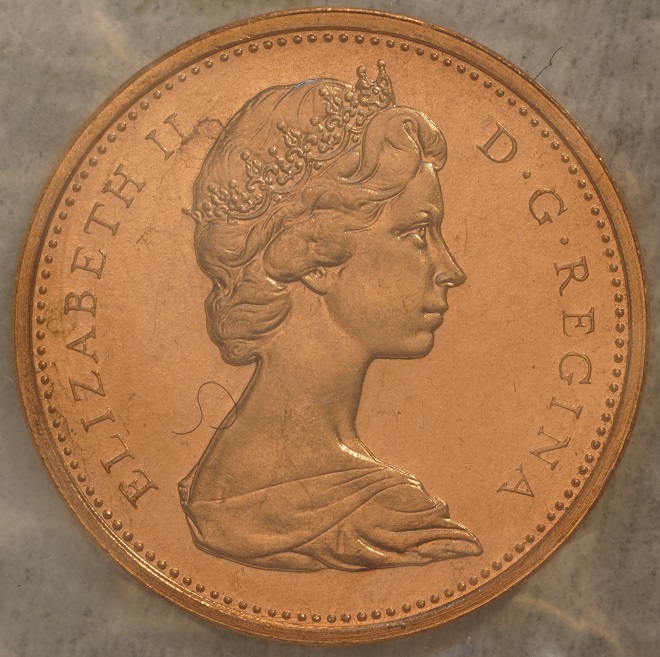 |
|
Pillar of the Community
Canada
1984 Posts |
|
| |
Replies: 27 / Views: 6,789 |







 Posted 07/27/2018 3:51 pm





