

 Posted 08/12/2018 3:34 pm


Maybe this advise may help... Centrally located errors, what are they? Well, first off what ARE you looking for? Hub Doubling? Strike doubling? Situational damages?
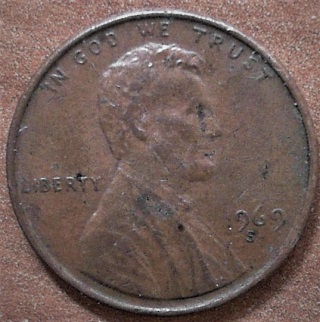
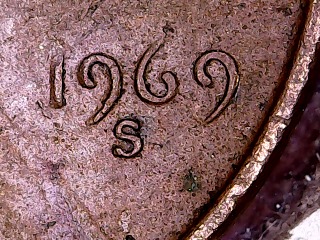
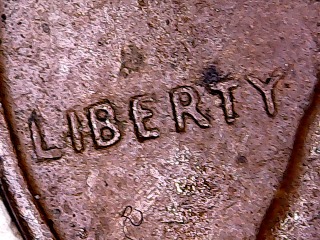
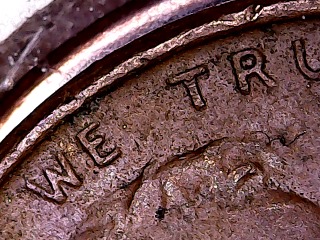
If searching for a doubled die event, just what area of the design is generally effected and what are those telltale signs to look for? Centrally located doubling, a motion or size event? Lot of questions, huh? Well let's define these two types of doubling. One is a movement of one hub in a rotational direction from a previous hubbing process. This is quite often seen in the doubled eyelid variety on 1950's wheat cents. The second hubbing will remove most of the first(previous) details, but that small bit remains. Now size differences of hubs, these can be use of a new working master with an older, more deteriorated master. This can leave a slight outline of the face as on a Kennedy half, or more beard and an extra ear on Lincoln. But make note, these are the areas affected. The lips, not so much unless the profile has been effected.
Then one other thing to be considered, are you seeing what is a Master Die Doubling? This happens where the original master hubbing die became doubled(happens a lot on profile) and is therefore passed on to ever single die produced for that year, all mints. The perfect example of this is the 1972 Lincoln, the devices all show doubling, shows on P, D and S mints.
I will spend much time in the pictorial study BEFORE I begin looking at individual coins, I get in mind exactly what I'm to be looking for, I study by date/mm, pull up varietyvista for DDO / DDRs, or coppercoins for RPMs for each date, spend a few minutes getting those pix in mind, then I tackle the loupe and scope. Saves a lot of time by bypassing the worthless junk, which is the majority we look at. Hope these hints help, I've gotten to about 4 hours per bank box to search thoroughly through. Do I miss some... probably, but I may save my eyesight and mind to do it another day!
If searching for a doubled die event, just what area of the design is generally effected and what are those telltale signs to look for? Centrally located doubling, a motion or size event? Lot of questions, huh? Well let's define these two types of doubling. One is a movement of one hub in a rotational direction from a previous hubbing process. This is quite often seen in the doubled eyelid variety on 1950's wheat cents. The second hubbing will remove most of the first(previous) details, but that small bit remains. Now size differences of hubs, these can be use of a new working master with an older, more deteriorated master. This can leave a slight outline of the face as on a Kennedy half, or more beard and an extra ear on Lincoln. But make note, these are the areas affected. The lips, not so much unless the profile has been effected.
Then one other thing to be considered, are you seeing what is a Master Die Doubling? This happens where the original master hubbing die became doubled(happens a lot on profile) and is therefore passed on to ever single die produced for that year, all mints. The perfect example of this is the 1972 Lincoln, the devices all show doubling, shows on P, D and S mints.
I will spend much time in the pictorial study BEFORE I begin looking at individual coins, I get in mind exactly what I'm to be looking for, I study by date/mm, pull up varietyvista for DDO / DDRs, or coppercoins for RPMs for each date, spend a few minutes getting those pix in mind, then I tackle the loupe and scope. Saves a lot of time by bypassing the worthless junk, which is the majority we look at. Hope these hints help, I've gotten to about 4 hours per bank box to search thoroughly through. Do I miss some... probably, but I may save my eyesight and mind to do it another day!
Edited by Crazyb0
08/12/2018 3:38 pm
08/12/2018 3:38 pm