| Author |
 Replies: 10 / Views: 1,003 Replies: 10 / Views: 1,003 |
|
|
Pillar of the Community
United States
3360 Posts |
|
|
|
|
Bedrock of the Community
United States
79187 Posts |
I think you're correct. Interesting finds Pete2226!
Errers and Varietys.
|
|
Pillar of the Community
United States
3656 Posts |
Hi Pete hope you are doing well.
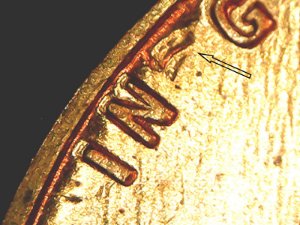
It looks raised which leans me towards a die dent rather than a die gouge.
|
|
Pillar of the Community
 United States
3360 Posts |
Quote:
Hi Pete hope you are doing well.
It looks raised which leans me towards a die dent rather than a die gouge. Hello coincents - thanks for asking - still struggling with chemo side effects. Question about your response - the feature is raised. I thought that both a die dent and a die gouge would be raised. I honestly don't know how to differentiate between the 2? |
|
Pillar of the Community
United States
3656 Posts |
I'm sorry to hear that I know it can't be easy on you and your family. I am always glad when I see a post from you. It is good that you can still enjoy the hobby on your better days. Here are some links to help (both of us). From what I now read on my own link the die gouge is raised as well - The Die Dents I primarily see around the rim of the coin like your is displaying where are die gouges are primarily within in body of the coin. http://www.error-ref.com/?s=Die+gougehttp://www.error-ref.com/?s=Die+dentStill learning as well, I am sure Halo and some others will be able to give you the more accurate answer. Just looked more like a Die dent to me. There must to a way to see if it looks like it was caused by debris or if the die itself is damaged. |
|
Pillar of the Community
United States
3360 Posts |
CoinCents ---thanks - I have read your sources previously, but forgot one clear point which differentiates the 2: Quote:
Die gouges are easily confused with linear die dents. The former are most easily diagnosed when there are clear longitudinal striations within the body of the die gouge. thanks again. |
|
Moderator
 United States
34553 Posts |
Quote:
I am always glad when I see a post from you. As a proud owner of several coins previously owned by @pete2226, I agree! I agree that this die dent/gouge is interesting--good eye for seeing that! "If you climb a good tree, you get a push."
-----Ghanaian proverb
"The danger we all now face is distinguishing between what is authentic and what is performed."
-----King Adz
|
|
Moderator
United States
56855 Posts |
Good to hear from you Pete. I would say it is more likely to be a die gouge because of the shape. John1  |
|
Pillar of the Community
United States
3360 Posts |
Quote:
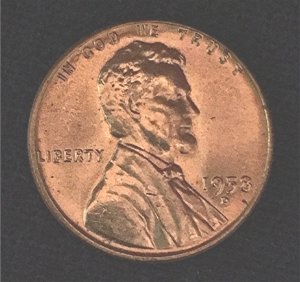
I would say it is more likely to be a die gouge because of the shape. Thank you John 1 - that is exactly what I thought. However, if we go strictly by the definition given by error-ref, it does not have the "clear longitudinal striations", as far as I can see. Therefore it seems to me that it would be classed as a die dent? |
|
Pillar of the Community
United States
2376 Posts |
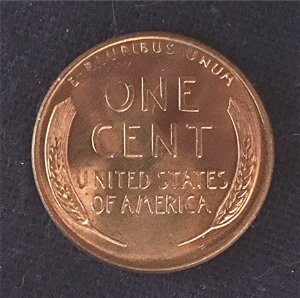
Die dents can definitely be on the interior of the coin, away from the rim. Here is one that Mr. Diamond called a by-facial die dent where a foreign object was struck by the dies and dented both obverse and reverse dies. 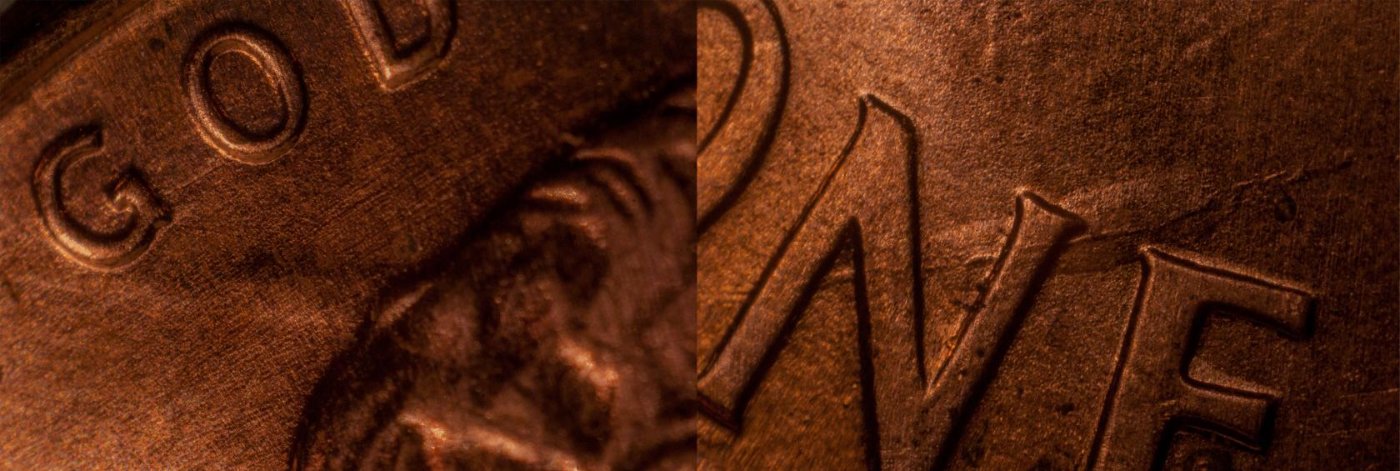 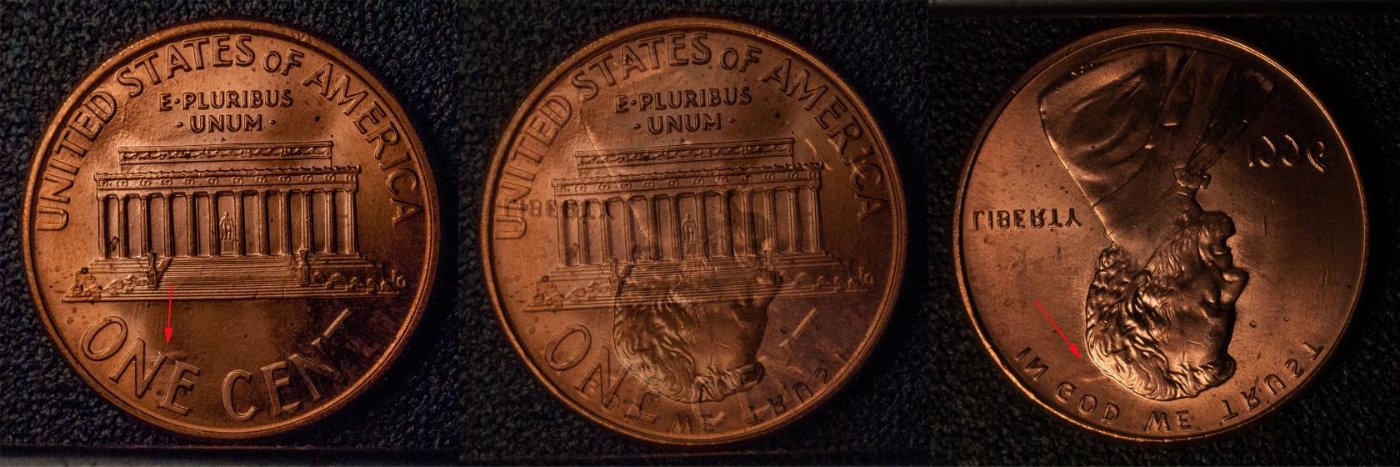 |
|
Pillar of the Community
United States
3360 Posts |
|
| |
Replies: 10 / Views: 1,003 |
|









 Posted 08/16/2018 3:16 pm





