











 Posted 08/21/2018 05:05 am


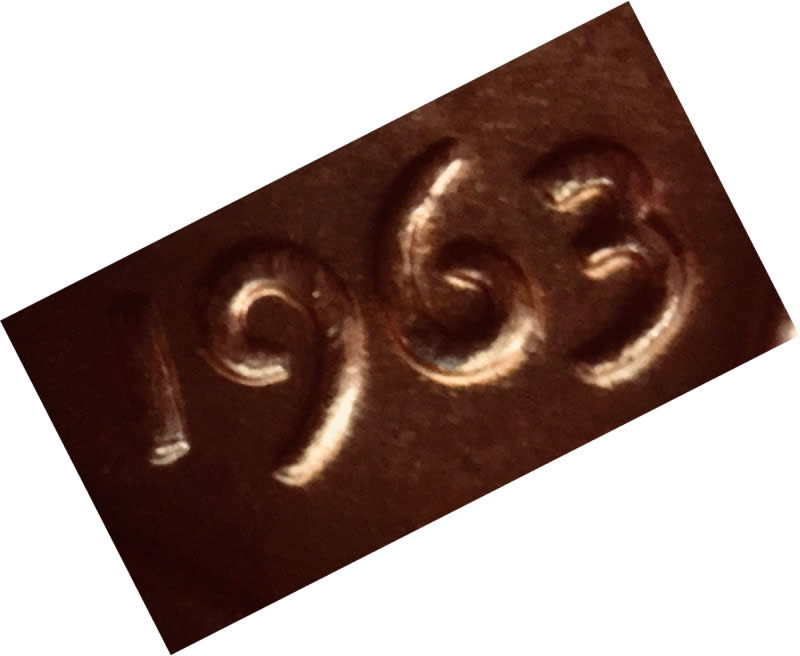
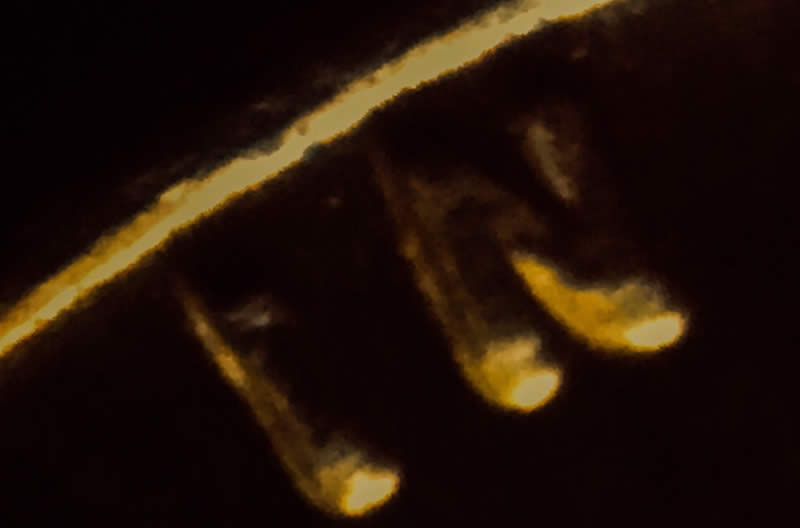
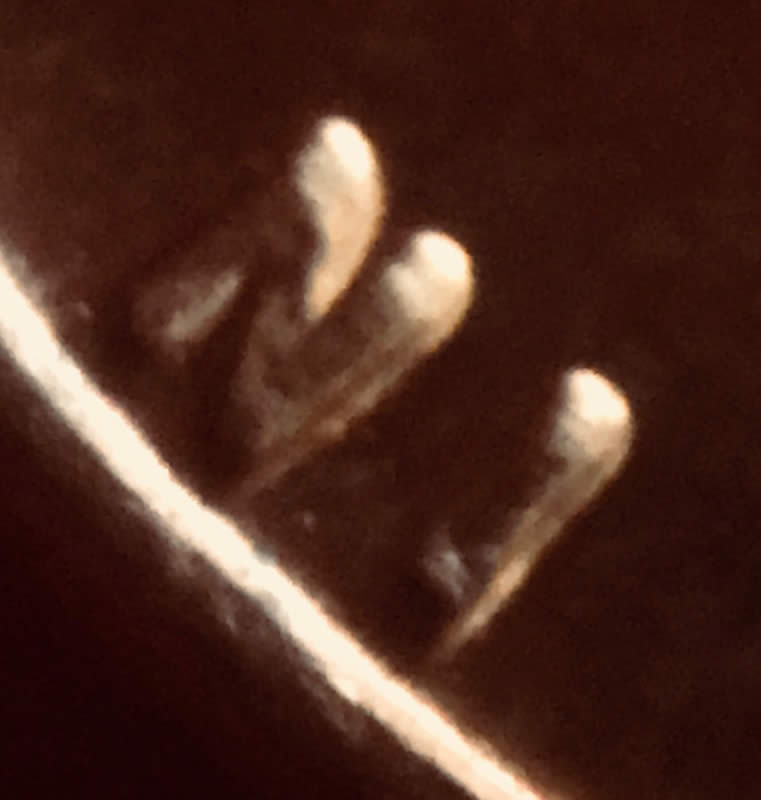
1963-s used a worn master hub, it was a design flaw. Also, just because a device is "fat" don't automatically mean hub doubling. Could be as here, using hubs from the 50's (obverse) or it could be a Grease Filled Die, or it could be circulation wear.
As I've stated numerous times before, do some homework BEFORE you check out ANY coins... Find out what the <bleep-bleep> a doubled die really looks like for the specific date you're checking. For instance on the 63s, a whole bunch of listing are for proof dies, not business strikes! Are there any "fat boys" for 63? What are the die markers to look for? Once you know WHAT to look for, than anything else you see is 99.9999999999999% chance NOT a hub doubled event!
Final point, my using a single light source positioned at angle with the object you pix, you get Shadows. See the light reflecting? This WILL screw you up! Smoke and mirrors effect... use multiple sources or direct overhead(slightly angled reduces glare). The edges of a device will catch/reflect light weirdly, beware!
As I've stated numerous times before, do some homework BEFORE you check out ANY coins... Find out what the <bleep-bleep> a doubled die really looks like for the specific date you're checking. For instance on the 63s, a whole bunch of listing are for proof dies, not business strikes! Are there any "fat boys" for 63? What are the die markers to look for? Once you know WHAT to look for, than anything else you see is 99.9999999999999% chance NOT a hub doubled event!
Final point, my using a single light source positioned at angle with the object you pix, you get Shadows. See the light reflecting? This WILL screw you up! Smoke and mirrors effect... use multiple sources or direct overhead(slightly angled reduces glare). The edges of a device will catch/reflect light weirdly, beware!


