











 Posted 09/05/2018 12:30 am


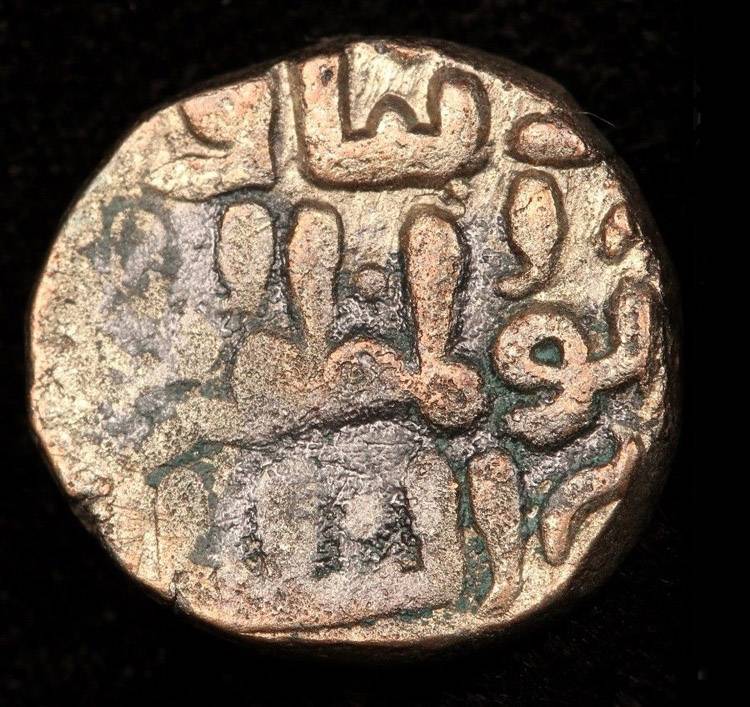
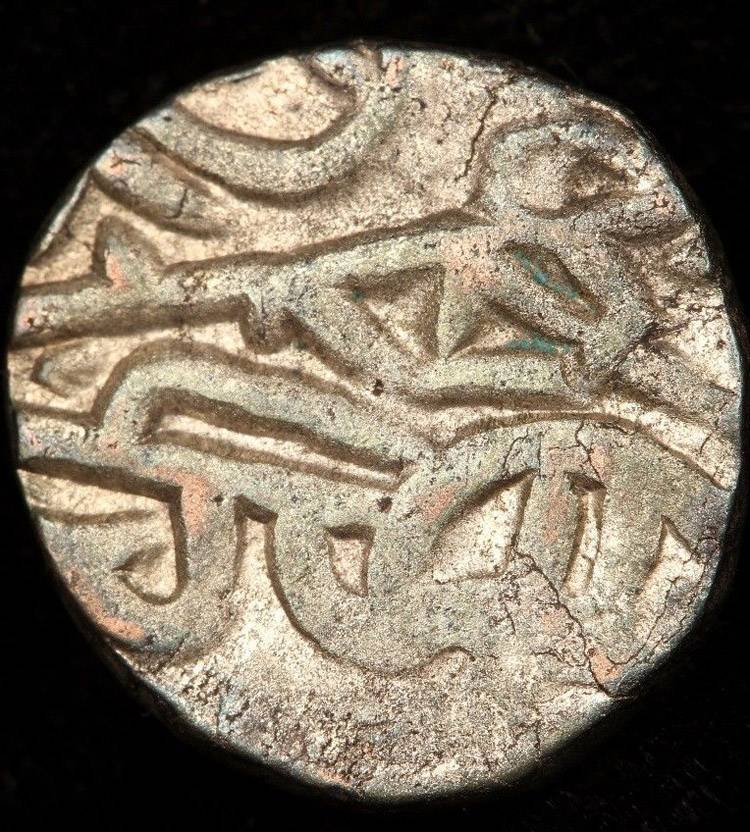
Oh! You're right, it does look a bit like the bull and horseman type, although on a much thicker planchet and more "stylized?" It is as though the complete design was too large for the planchet.
So it's both Indian and Arabic at once, I suppose from India under Mamluk rule, although my knowledge of the history around that era is poor.
I did Google and found that some coins have Devanagari script on the horseman side but some do not have writing at all.
You are truly gifted & a blessing to this forum. Thank you for your time and sharing your knowledge with us!
So it's both Indian and Arabic at once, I suppose from India under Mamluk rule, although my knowledge of the history around that era is poor.
I did Google and found that some coins have Devanagari script on the horseman side but some do not have writing at all.
You are truly gifted & a blessing to this forum. Thank you for your time and sharing your knowledge with us!
Member ANA - EAC - TNA - SSDC - CCT #890
"Most of the things worth doing in the world had been declared impossible before they were done." -- Louis D. Brandeis
"Most of the things worth doing in the world had been declared impossible before they were done." -- Louis D. Brandeis


