The steel cent planchets (like the bronze cent planchets but unlike today's copper plated zinc cent planchets) were annealed. This process softens the planchets for striking, reducing the wear on the dies. That said, steel planchets caused
substantially more die wear than the softer bronze planchets.
Die cracks tell a story. They show the areas of relative weakness on the designs, especially where the cracks appear frequently in the same locations. They also show where the stresses toward the outside edge of the dies cause metal failure on the dies.
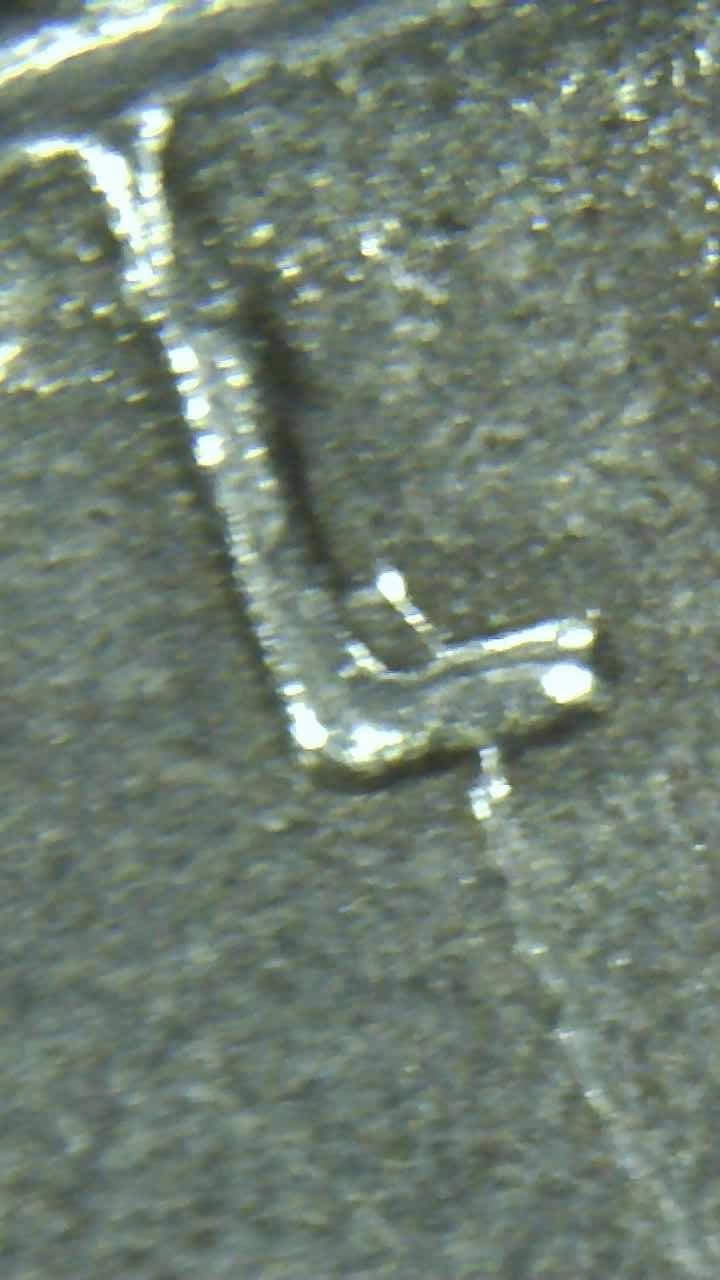
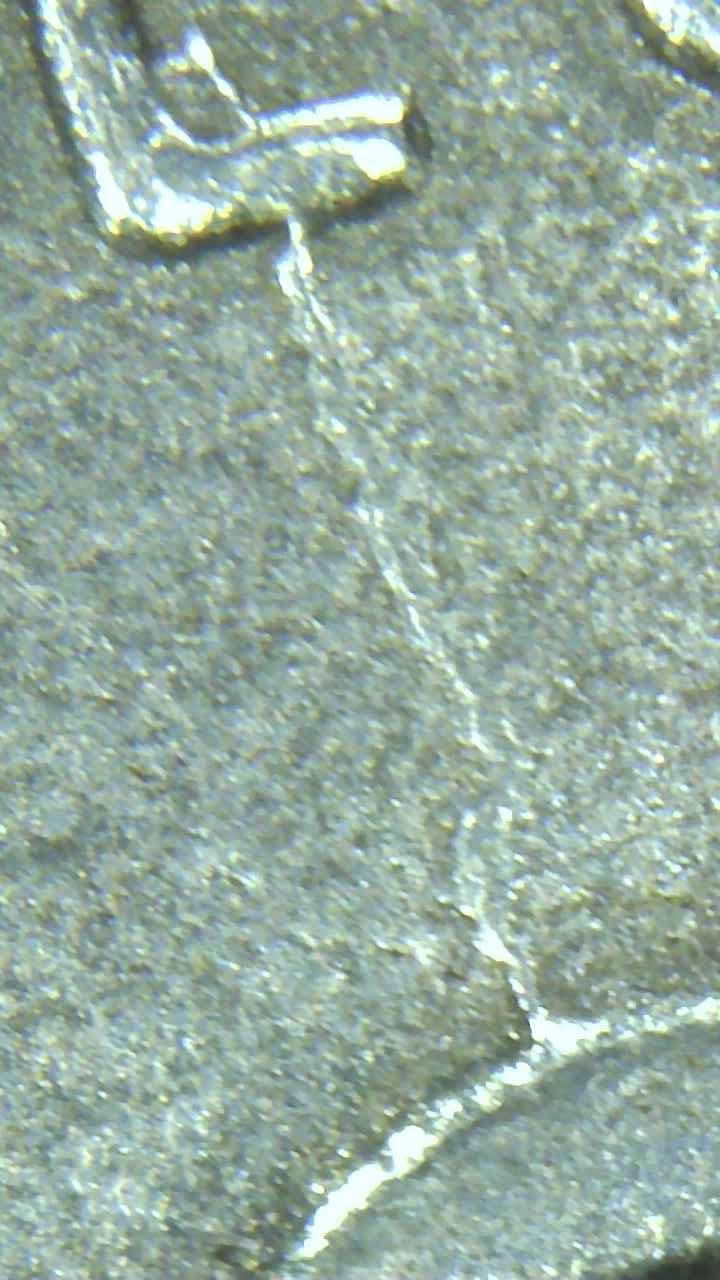
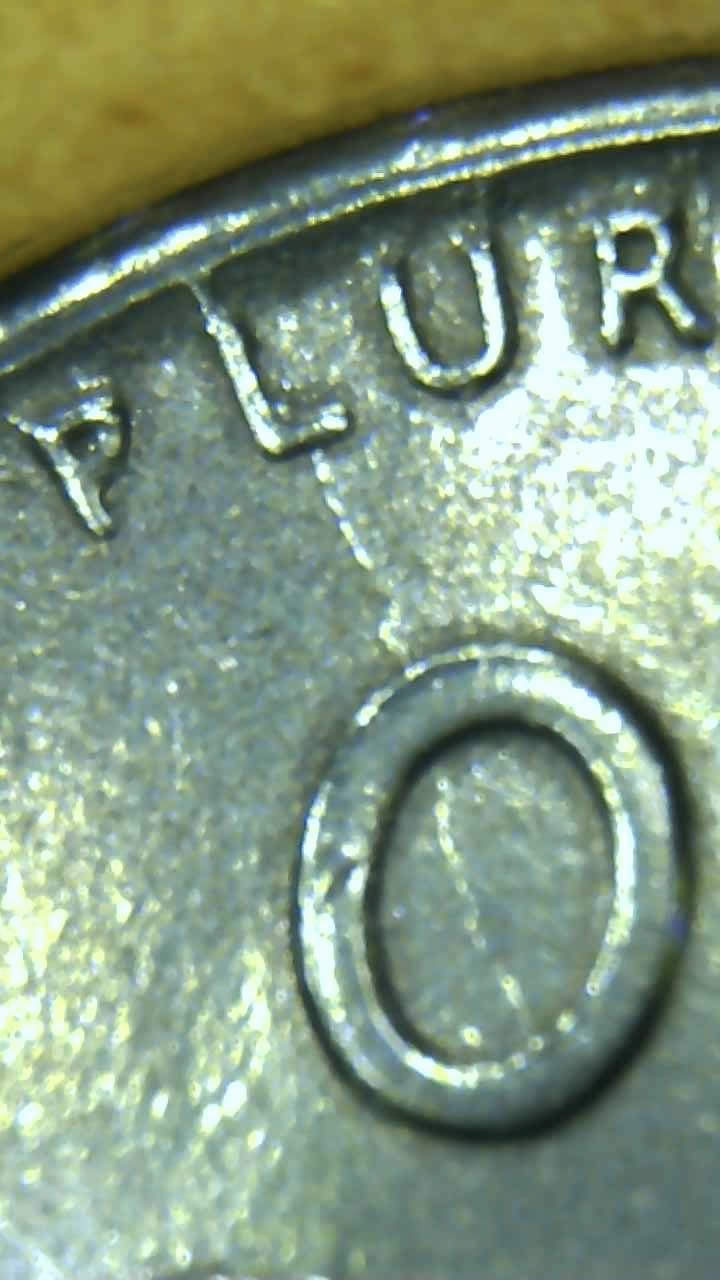
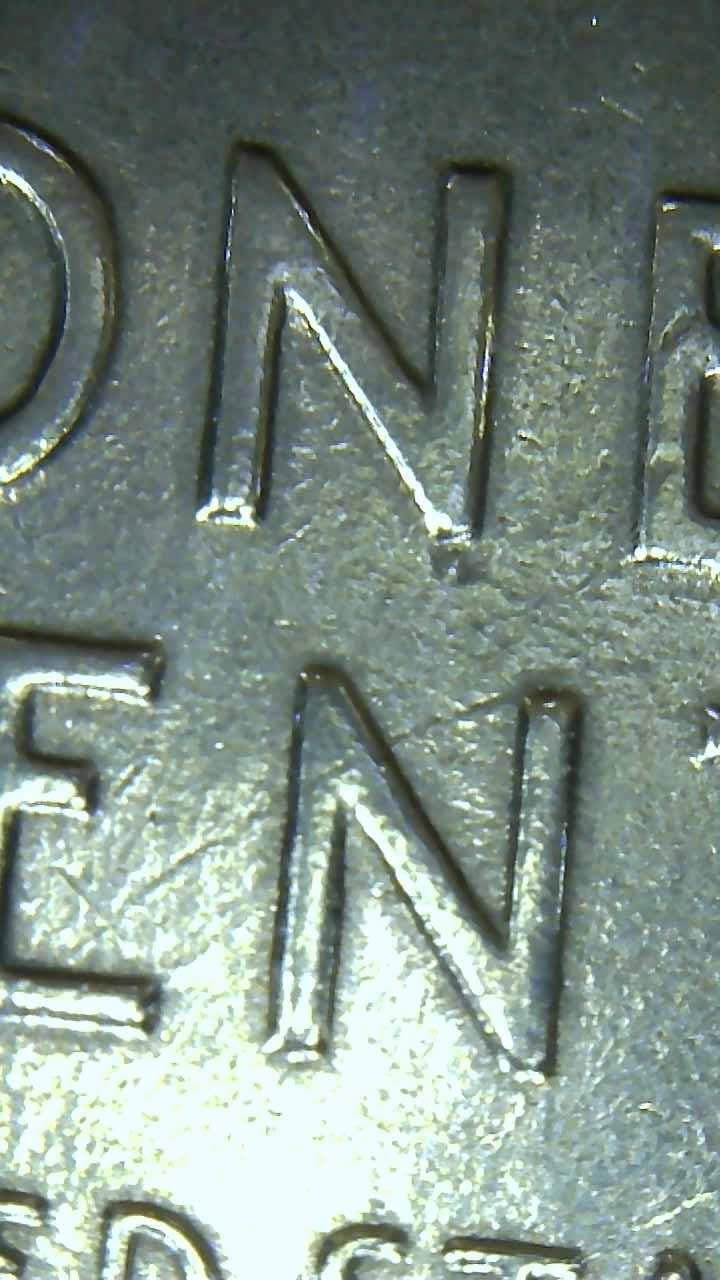
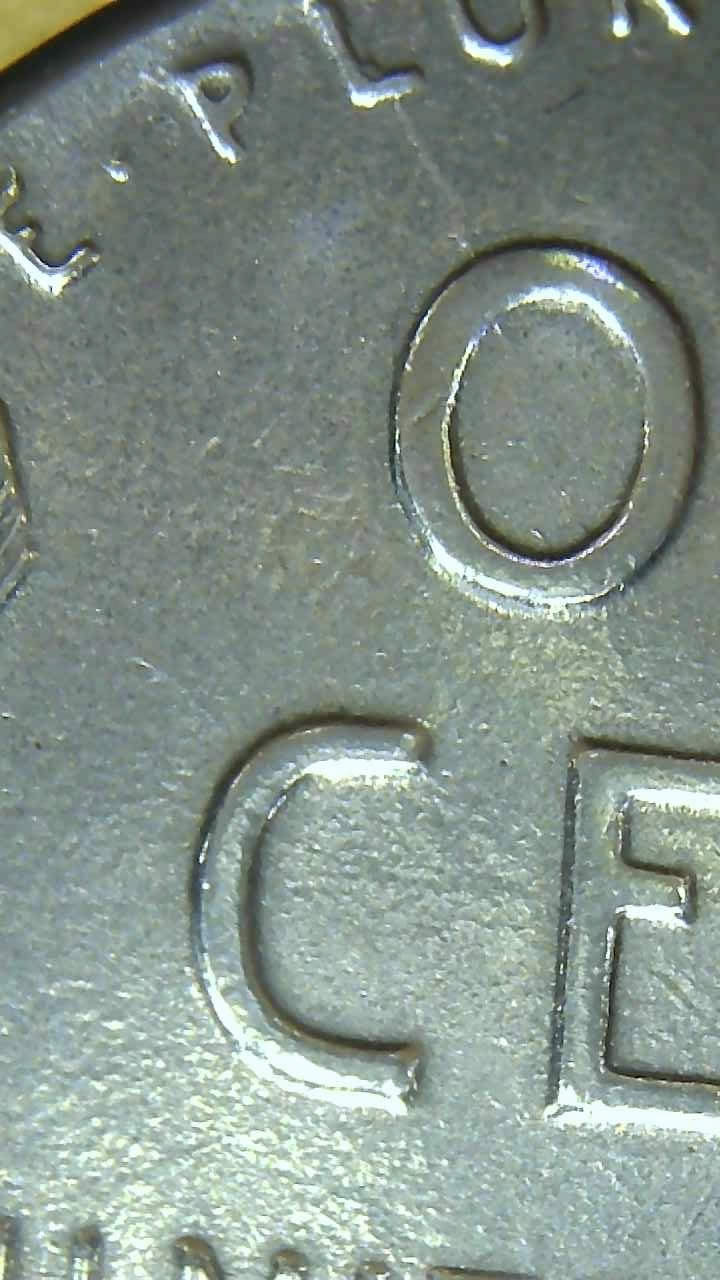
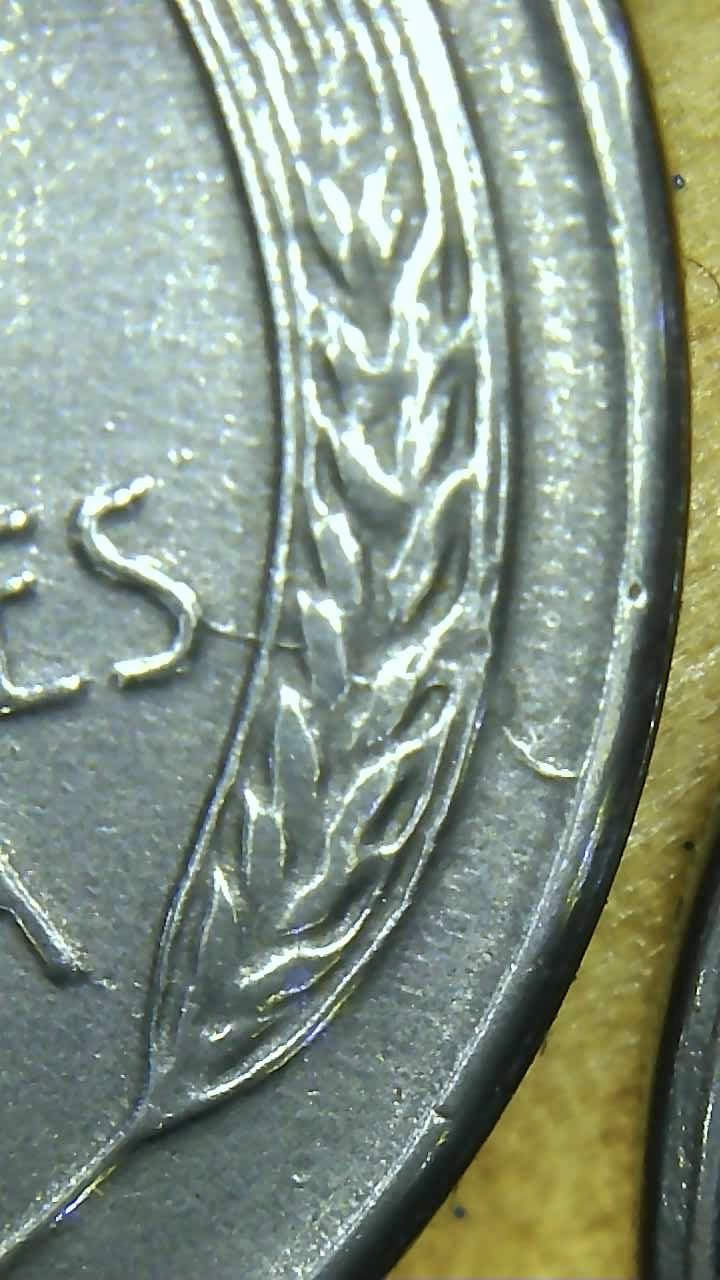
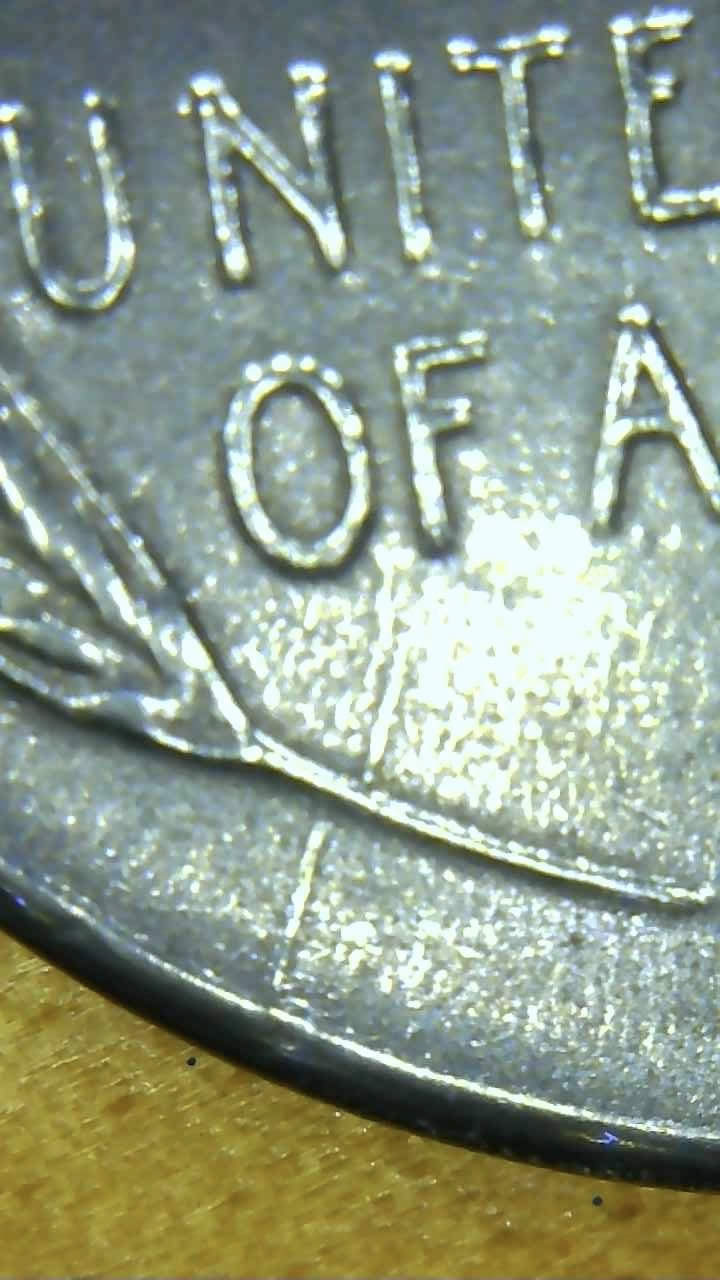
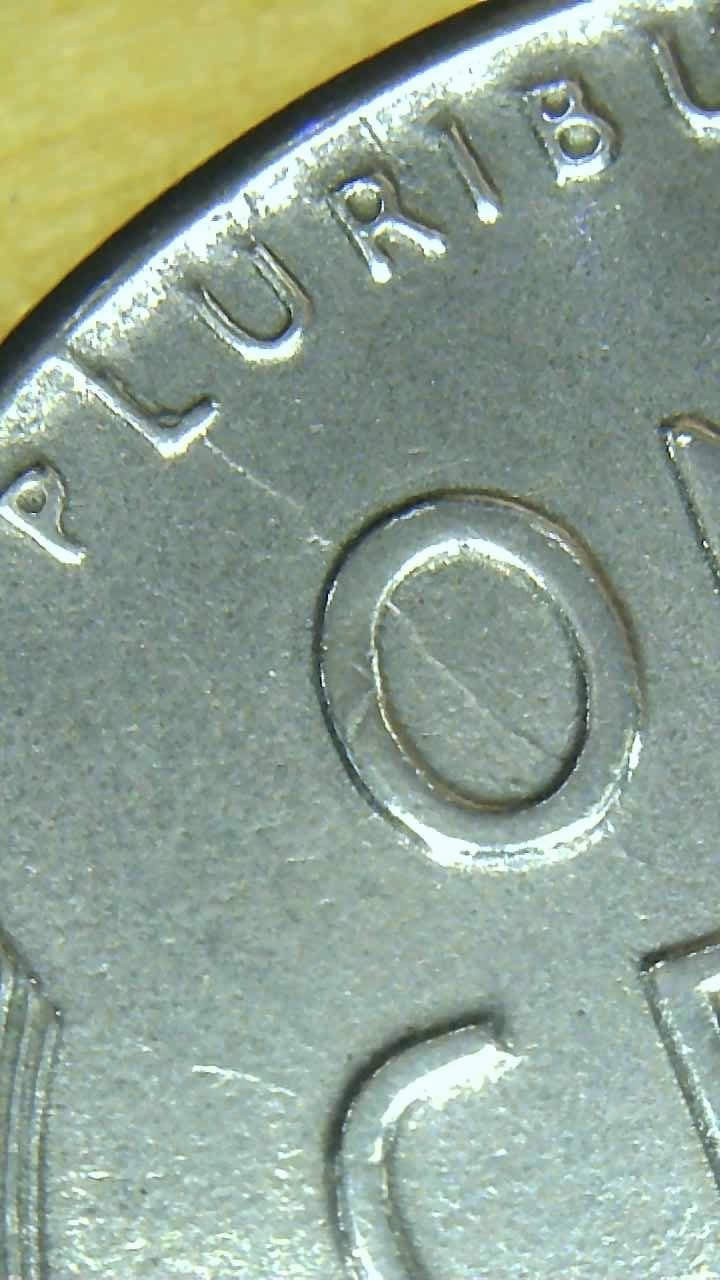
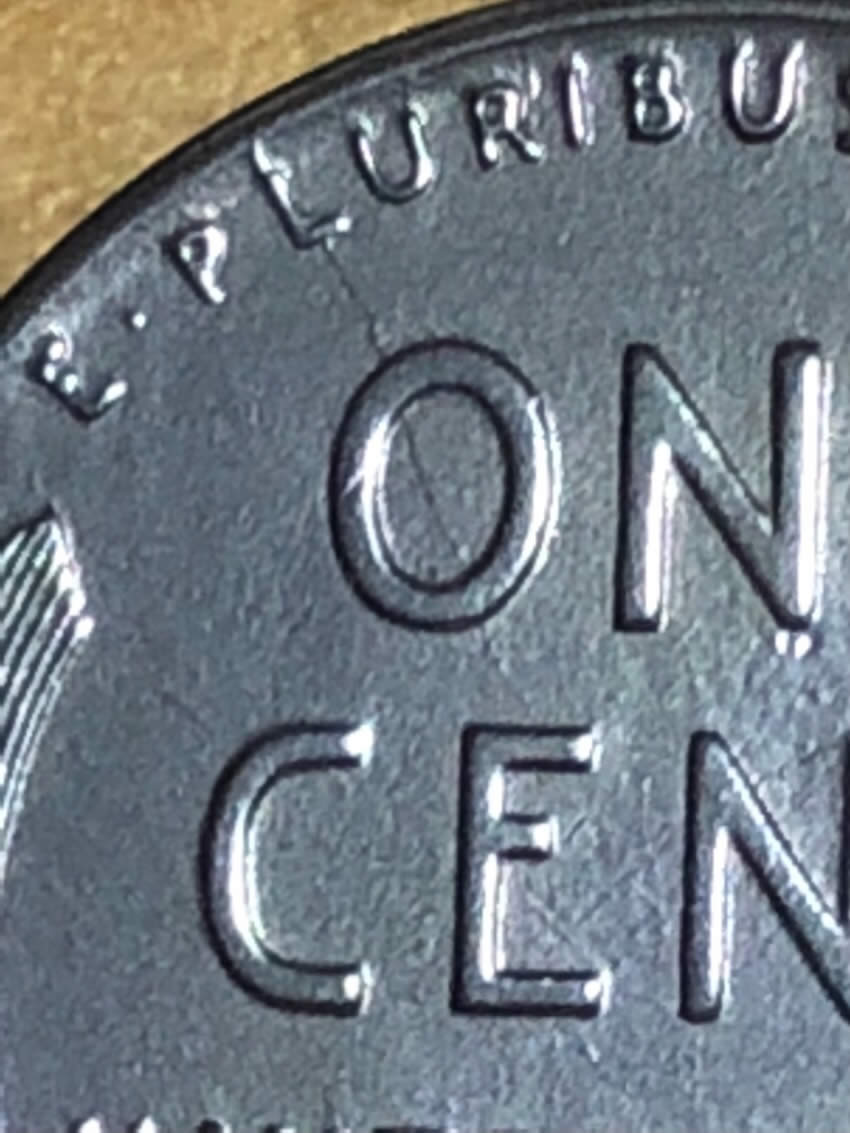
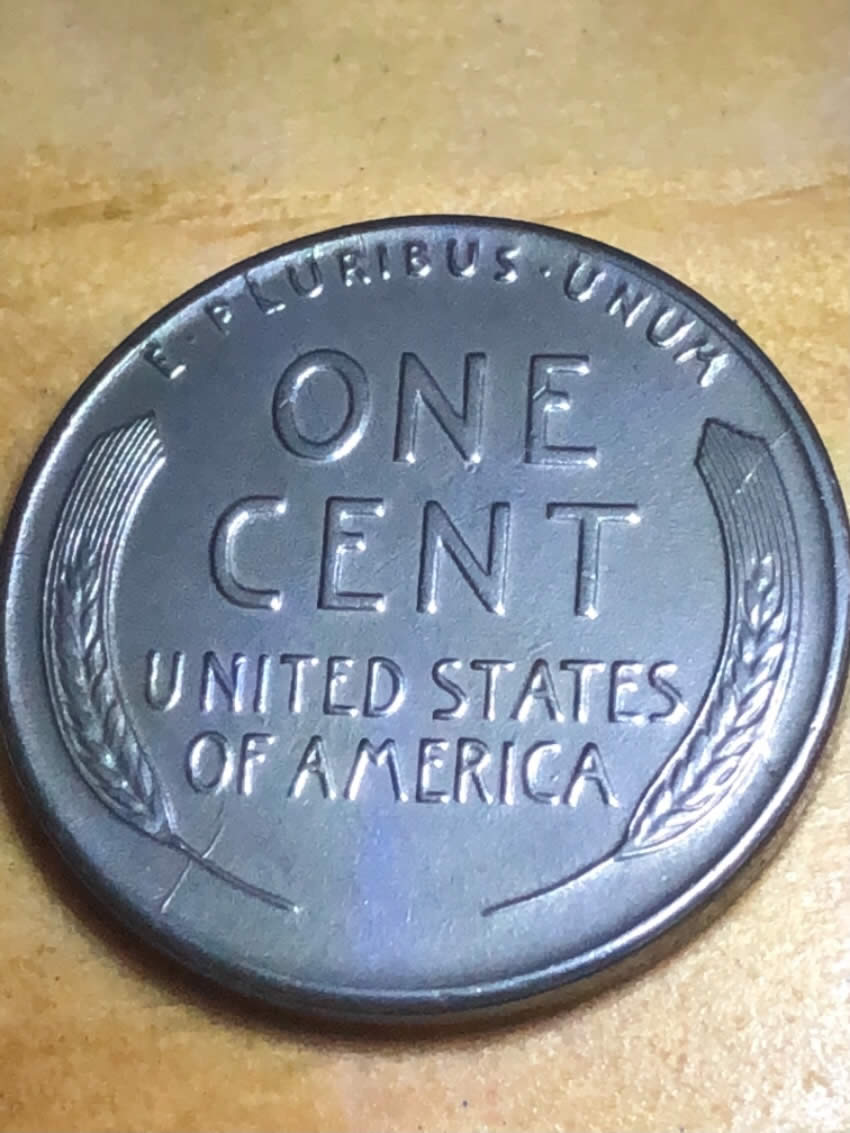
On the Wheat reverse Lincoln cents, die cracks (and eventually die breaks) between the rim and the wheat stalks are common. Your coin has two cracks from the rim to the right wheat stalk, one at 2:00 and the other at 4:00. The die cracks through PLURIBUS to ONE (at about 11:00) and through the stem of the left wheat stalk (at about 7:00) are a little less common. (Not rare, but less common.) What your coin shows is a reverse die with four cracks in widely different areas, all aiming toward the center. This was a die that was late in its serviceable life.
Is your coin collectible? Of course. It isn't especially rare or valuable, but it
is collectible, it
is a nice eye-appealing example, and it
is something that you found and that tells you something about the process of making coins. That's what the hobby of coin collecting is all about: learning and enjoying. There is no official rulebook for collecting. If you enjoy the different die cracks and find them interesting, go for it! Trying to find nice die crack examples for all of the common date and high mintage 1934-1958 Lincoln Cents is a toughie.
Spend some time looking at the photos on cuds-on-coins.com. The photos of
Retained Cuds,
Cuds, and interior die breaks on the Lincoln cents will give you an idea of the range of
Die Deterioration and die weaknesses found in the series. Hunting for those coins won't make you a millionaire, but also won't cost you a fortune. The hunt can be fun, and the resulting collection can be enjoyable.
Again, your coin is a really nice and eye-appealing example of multiple reverse die cracks.












 Posted 09/30/2018 8:58 pm


