"Look what I got." just seems a little inadequate sometimes. Especially at a forum where people come to learn and not just envy someone else's coin. (That's what auction catalogues are for.)
This one came in the mail today, and I thought I would share.
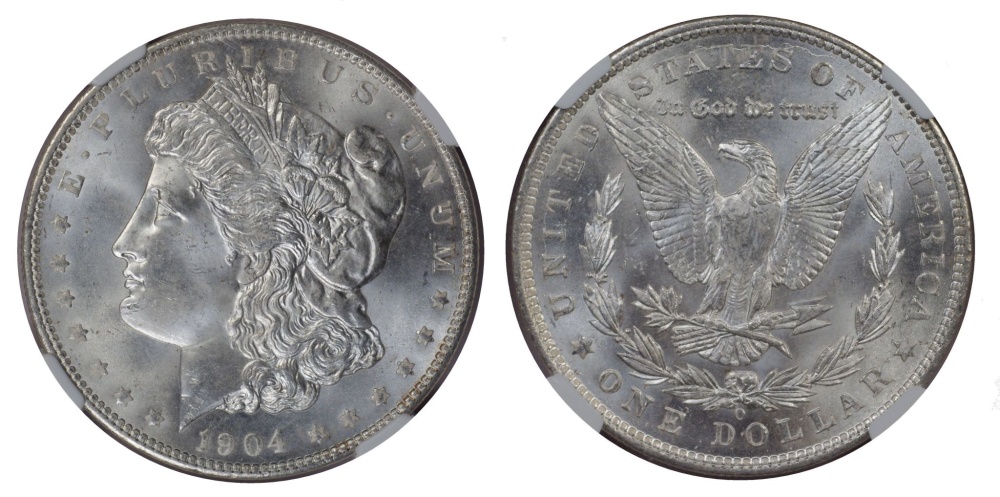
Most numismatists will recognize this as a Silver Dollar designed by Geo. Morgan, made in 1904 at the New Orleans mint. And of course it is a
VAM, specifically VAM-44. I collect these because they provide a level of challenge and reward that simply fits my needs.
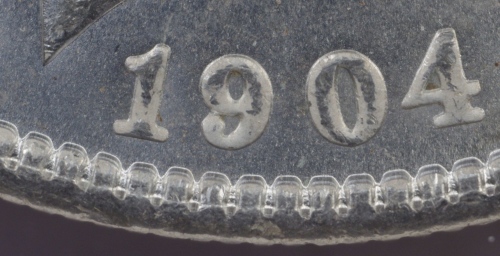
When checking the big and obvious features to help me attribute a
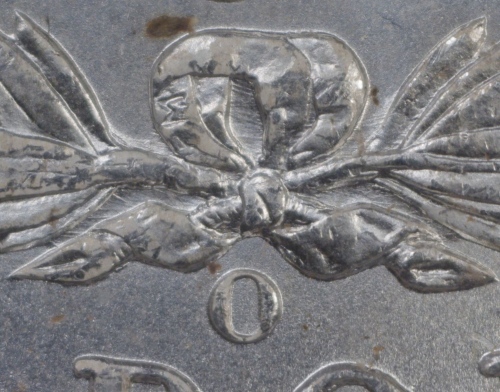
VAM, especially a 1904-O, I look at date and mint mark placement. In this case the date is a tad to the left of average, but very normal. Too, it is slightly slanted, but not as pronounced as some. Slanted doesn't mean it is tilted as if walking against a strong wind, but that the "1" is closer to the rim than the "4" as if it is walking up a staircase. The mintmark, "O" is higher than normal and tilted to the left.
Also important to the description is a doubled profile and hair. And though the profile doubling is strong for the full length, it is easily seen at the chin. The doubled hair is above the date.
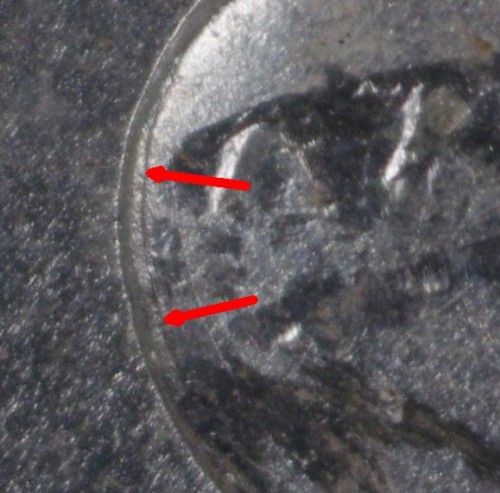
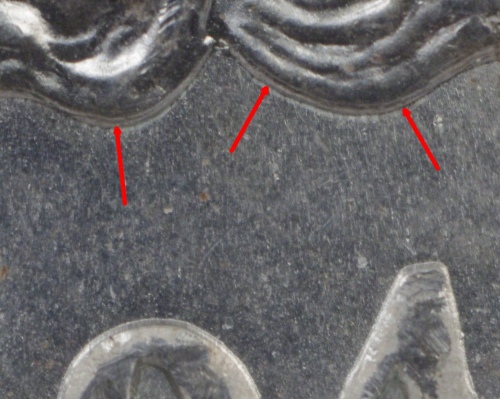
But for me, the real fun is in the file marks. The dies were so hard that polishing was often done with a file. And the most exposed high spots on the die are the most protected low areas of the coin.
On the obverse, there is a strip where the neck meets the jaw that got a healthy dose of the file. And above it are polish lines along the jaw that were never in the original design.
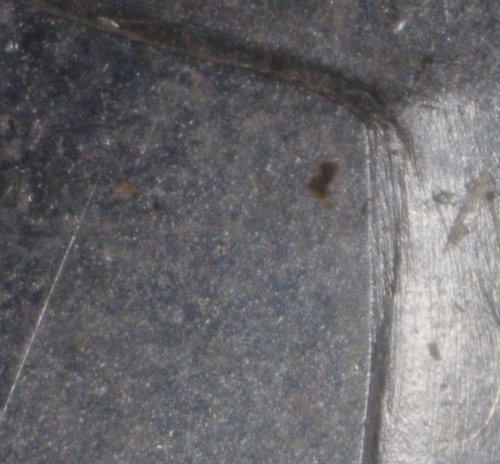
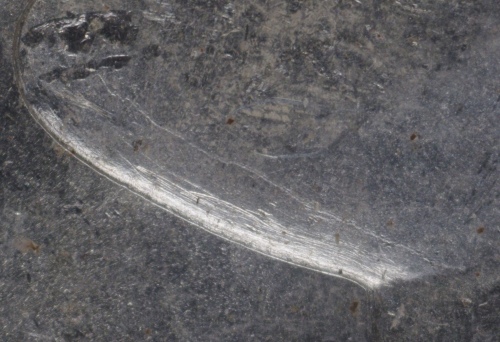
If you have the coin in hand, and it is quite worn, just look in the ear. It is a very protected area, and if there are any file marks, they are as unique as finger prints. And sometimes to get a good idea of what they look like, pictures with different lighting angles help. The right photo shows a second set of file marks that are perpendicular to the more obvious marks.
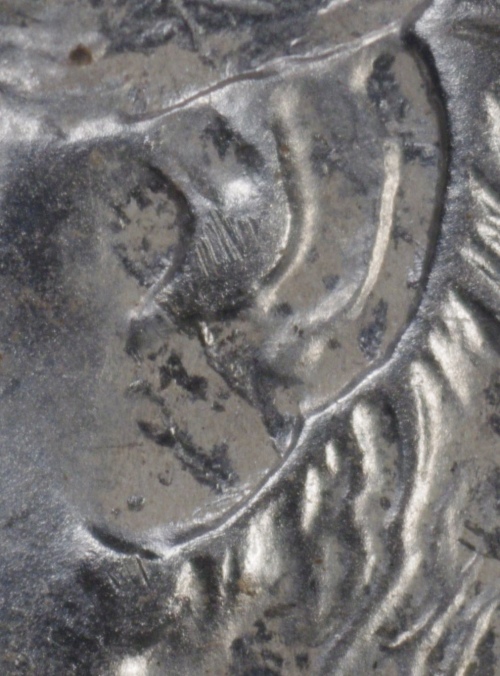
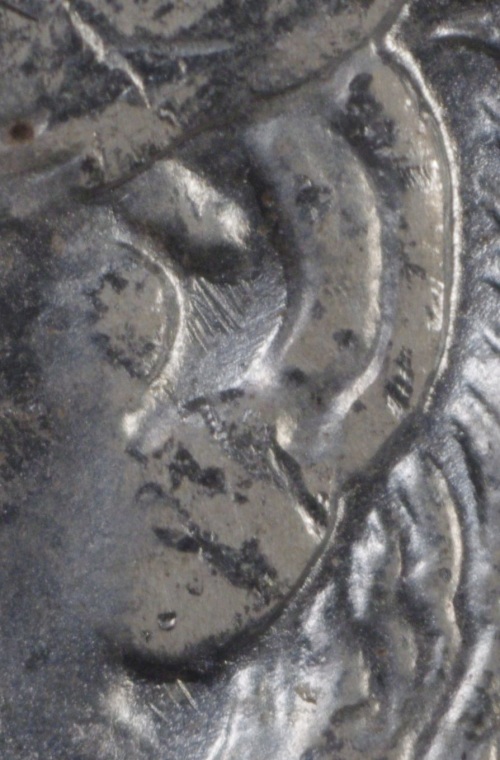
Sometimes you have only an auction picture to work from. And those could be the best pictures ever taken in less than 3 seconds, but not on par with what you'll find being taught over on the photography threads. In that case, your first clue might be no more than a scratch or two that catches the light favorably. If in the die, they'll be on other coins made from the same die.
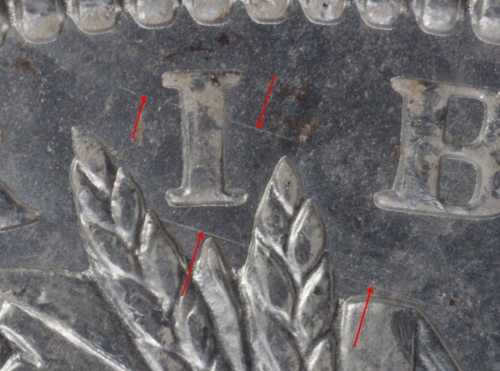
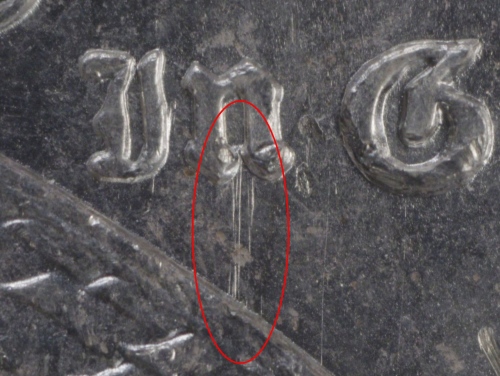
The reverse die can be approached in a similar fashion. The mint mark position is a real big help. Note the polish lines around the bow. And around the olive leaves and above the arrow feathers.
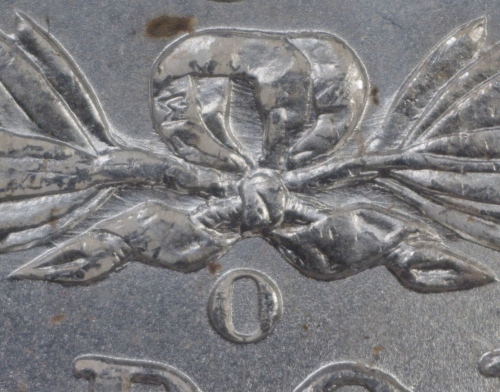
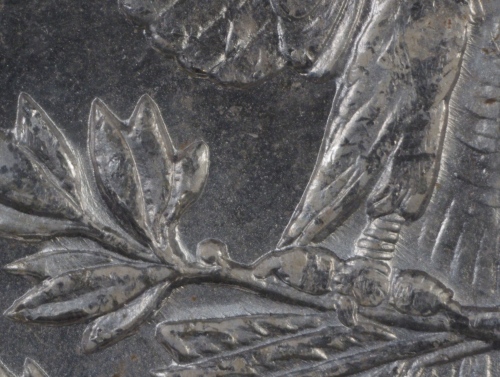
The Eagle's right wing contains a die scratch, as well as in the gap near the neck.
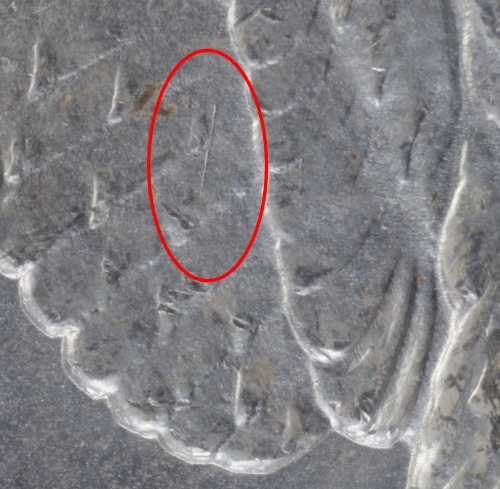
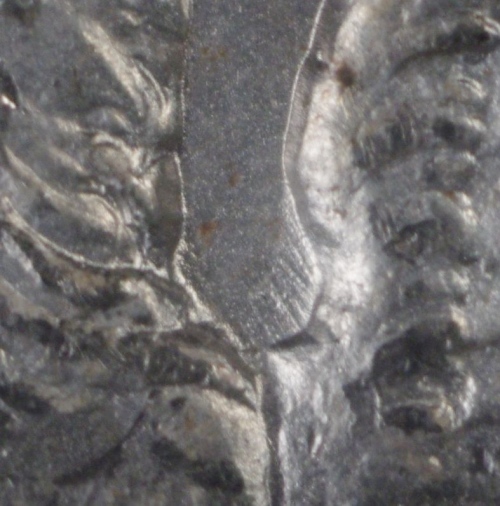
If you are looking at a coin (or an image of a coin) and think you've got it nailed, check the other side. This pairing was not eternal. The obverse die would soon leave and become the VAM-41, and the reverse just left VAM-26 for this brief but blissful union. Thanks for looking, and I hope you enjoyed this one.







 First Page
 Previous Page


 Posted 07/09/2015 01:57 am





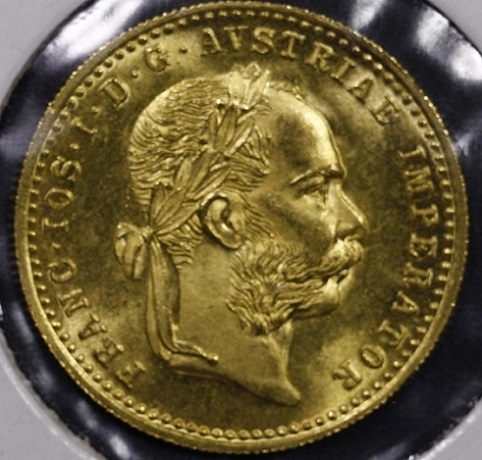



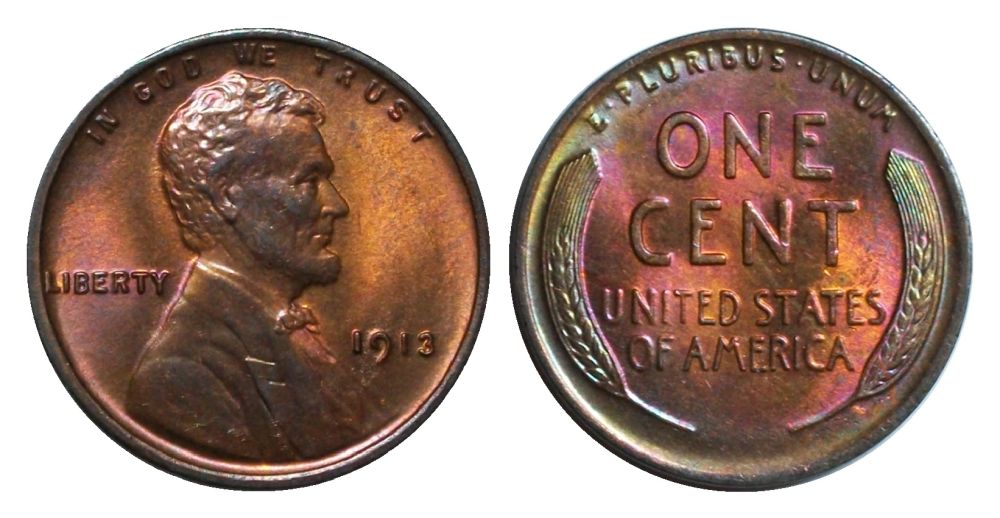
 Awesome luster and color on your 1913 cent! That is a truly beautiful cent.


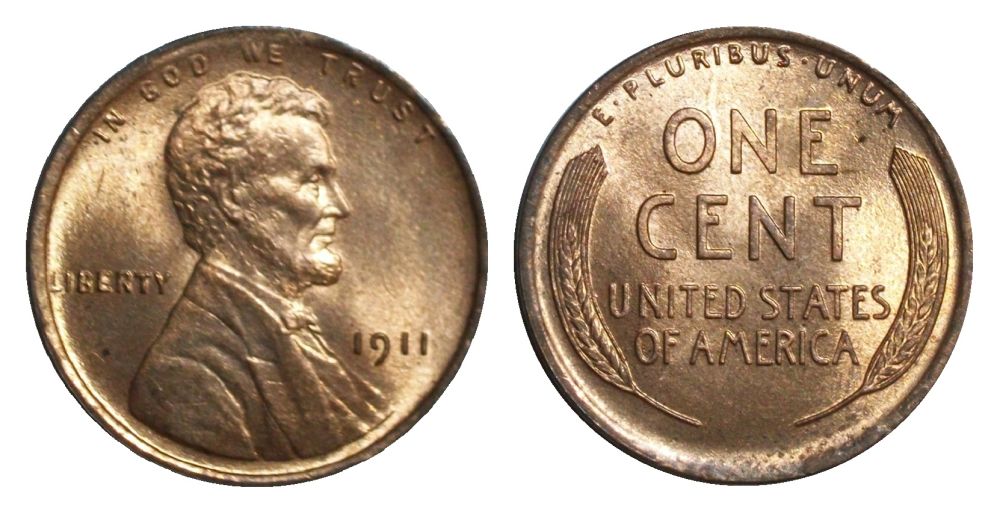


 Very
Very  worthy.


