| Author |
 Replies: 9 / Views: 1,100 Replies: 9 / Views: 1,100 |
|
|
Valued Member
United States
212 Posts |
|
|
|
|
Pillar of the Community
 United States
8946 Posts |
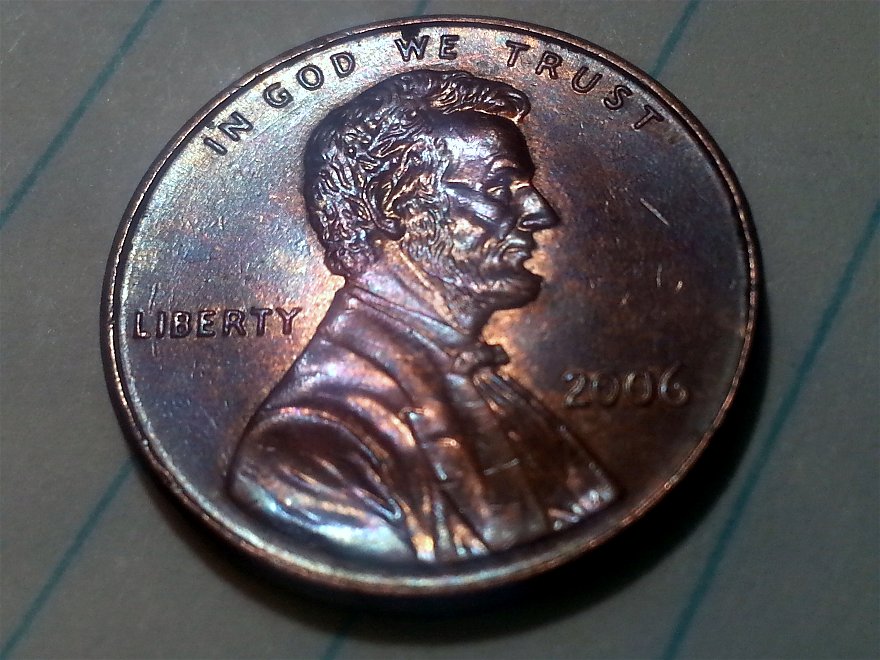
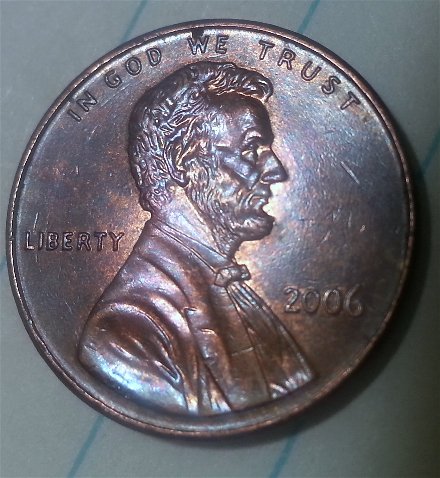
 to the community! I think it the toning, I don't see anything else. The discoloration of toning mixed with the circulation wear gives it that look IMO |
|
Moderator
 United States
34560 Posts |
@Kawliga, some of the fine details on Abe have changed over the years. I recommend comparing this coin against another 2006 cent to see if you still think that this one has anything unusual.
"If you climb a good tree, you get a push."
-----Ghanaian proverb
"The danger we all now face is distinguishing between what is authentic and what is performed."
-----King Adz
|
|
Bedrock of the Community
United States
79330 Posts |
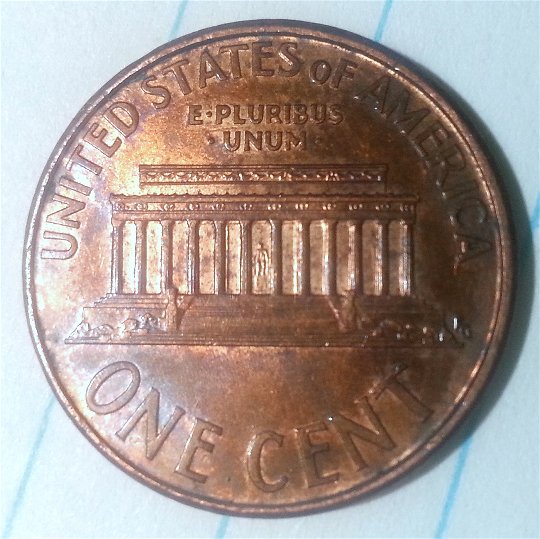
Just a toned Lincoln Memorial cent. This happens, if it's out in the sun for too long, or if it just naturally toned in circulation. Errers and Varietys.
|
|
Bedrock of the Community
United States
94367 Posts |
to the CCF! |
|
Pillar of the Community
United States
2563 Posts |
Yup, just a toned Lincoln that is probably showing some more of the details due to contrast
|
|
Pillar of the Community
United States
8715 Posts |
|
|
Valued Member
 United States
212 Posts |
So, if yall don't see any doubling, strike-throughs or Cuds, that answers my question. As for circulation wear, I mean there are a couple of visible field scratches but I'd say the depth of device detail still extant 12 years after minting would be a testament to the quality of the strike. I don't have another 2006 P presently, but I have plenty of much-younger Lincolns with far less detail. And as for the "discoloration" I don't know if it's just me but I love the rainbow effect. --This penny is actually more colorful than you can see here. My camera actually captured it perfectly, but it was lost in translation between bluetoothing it to my laptop and using the platform optimizer to shrink it because it was too big for the 300k file uploading limit. Anyway I love this penny so I'll keep it. Incidentally, is there a way to rapidly, intentionally rainbow-discolor a coin? Even if there's no quick trick like "soak in milk for 24 hours" or "leave under a high-K fluorescent bulb for a week," I would be curious to know more about what factors go into what color changes of coins. I mean I can already guess what the factors would be (metal composition, along with a long list of physical/chemical potential exposures), but are there particular factors known to cause particular colors? I've heard of the pvc effect on pennies but that's still a head-scratcher to me because I'm familiar with only a few pvc applications (like would a penny start undergoing the reaction after brief time in a pvc coin purse? Is it stoppable after the interaction? Is it reversable?). And do coins of the same type show differing color effects over time even when kept by the same collector under the same conditions? I'd love to know if any highly-regarded collectors have written on their observations of color reactions. Or even better, if anyone has done any experiments (I'm a biologist so strict adherence to the scientific method is my gold standard, pardon the pun, though I know better than to expect controlled experiments for absolute bias-avoidance in every life pursuit). Edited by Kawliga
10/19/2018 6:37 pm
|
|
Pillar of the Community
United States
791 Posts |
It could just be that the die is an EDS (Early Die State)?
|
|
Bedrock of the Community
United States
62064 Posts |
While it is a nicer die state, it is not an EDS example. Perhaps a EMDS (Early-Mid-Die-State) coin. Toning maybe from a cleaning. Even saliva can turn the color of a coin: 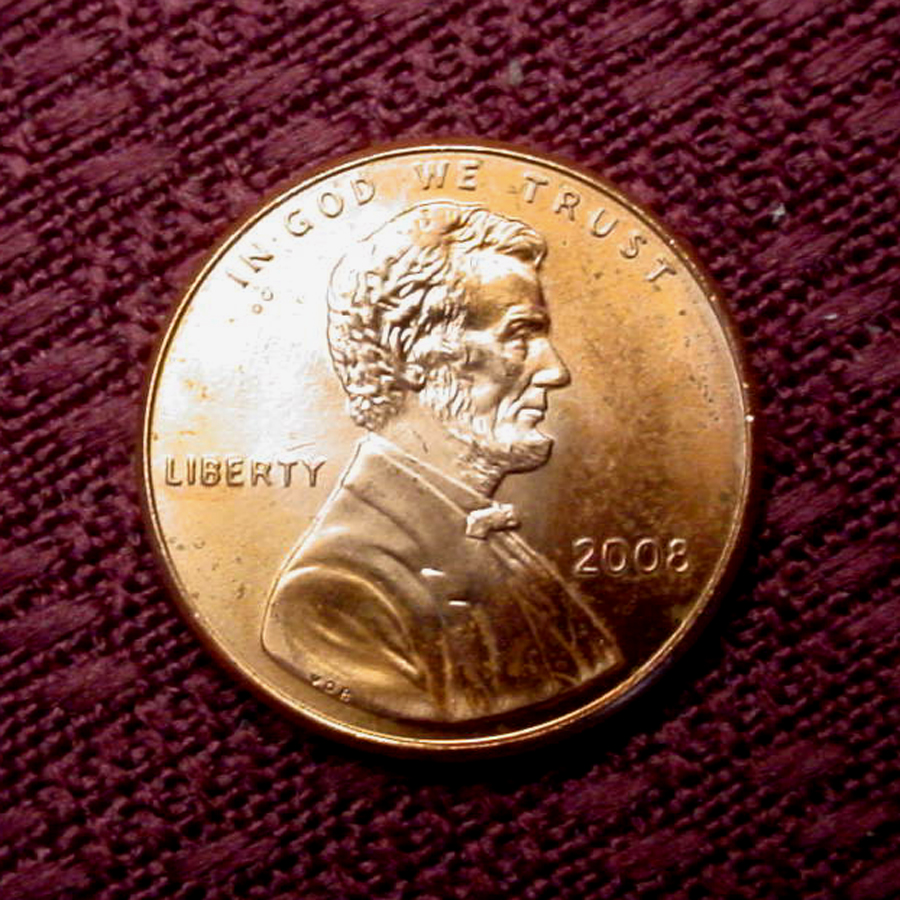 Note the darker color on the right side of the coin? |
| |
Replies: 9 / Views: 1,100 |
|












 Posted 10/19/2018 07:33 am


