| Author |
 Replies: 83 / Views: 13,339 Replies: 83 / Views: 13,339 |
|
Pillar of the Community
United States
4883 Posts |
Colligo ergo sum
|
|
|
|
Pillar of the Community
United States
581 Posts |
Here is 3 different examples. Two Apollo 11s and one Apollo 15. 1969 Apollo 11 First On The Moon - AD ASTRA PER ASPERA - Medal 1969 Apollo 11 First On The Moon -Armstrong - Collins - Aldrin Medal 1971 Apollo 15 Scott Worden Irwin MOON ROVER Medal     |
|
Bedrock of the Community
United States
10284 Posts |
|
|
Pillar of the Community
 United States
5029 Posts |
Very nice examples.  |
|
Pillar of the Community
United States
581 Posts |
Those are super cool!
The 3rd and 4th ones down are my favorite but they are all great!
|
|
Moderator
United States
197995 Posts |
|
|
Bedrock of the Community
United States
10284 Posts |
jbuckster, don't you have any of those big dollars with Eisenhower on them and the moon on the back?  LOL I like this theme. Great submissions so far. |
|
Moderator
United States
197995 Posts |
They are not "Medals & Other Exonumia" so I cannot post them here.  |
|
Valued Member
United States
93 Posts |
Well traveled piece.   |
|
Pillar of the Community
United States
5029 Posts |
Nice adds jbuck and pennywise |
|
Moderator
United States
197995 Posts |
Quote:
Well traveled piece. Fantastic! |
|
CCF Master Historian of Commemorative Coins
United States
12632 Posts |
I've always wondered about the actual amount of space-flown silver contained in medals such as the posted Franklin Mint Apollo 14 medal. For most of the medals that were produced and marketed, there is not enough information available to derive a potential amount in each individual medal. The above post, however, gave me the piece of info that I needed to approximate a percentage (at least for this medal) - the COA states that 10,000 grains of space-flown silver was melted into the silver used to produce the medals.
There were 129,449 of these Apollo 14 medals produced. They are 13 mm in diameter (smaller than a US dime [17.9mm] and a US silver 3-cent piece [14.3mm]) and have a weight of approximately 0.7 grams.
Doing a quick conversion of grams to grains, 0.7 grams equals 10.8 grains.
So, doing some quick calculations, we have 129,449 x 10.8 = 1,398,049 grains of silver needed for the striking of the medals.
10,000 grains of space-flown silver divided by 1.398 million grains of total silver = 0.715 -- i.e., less than 1%. Not very much! (But cool nonetheless!)
Collecting history one coin or medal at a time! (c) commems. All rights reserved.
|
|
Bedrock of the Community
United States
37232 Posts |
|
|
Moderator
United States
197995 Posts |
All of the silver was in space at some point, having been birthed from a dying star. That is a much cooler fact in my opinion.  |
|
Pillar of the Community
 United States
4883 Posts |
Red anodized aluminum, just over 39 mm in diameter.   Colligo ergo sum
|
|
Valued Member
United States
93 Posts |
Quote:
All of the silver was in space at some point, having been birthed from a dying star. That is a much cooler fact in my opinion. I most heartily agree and would add that according to Carl Sagan we are all made of star stuff. Edited by Pennywise142
11/01/2018 4:37 pm
|
| |
Replies: 83 / Views: 13,339 |




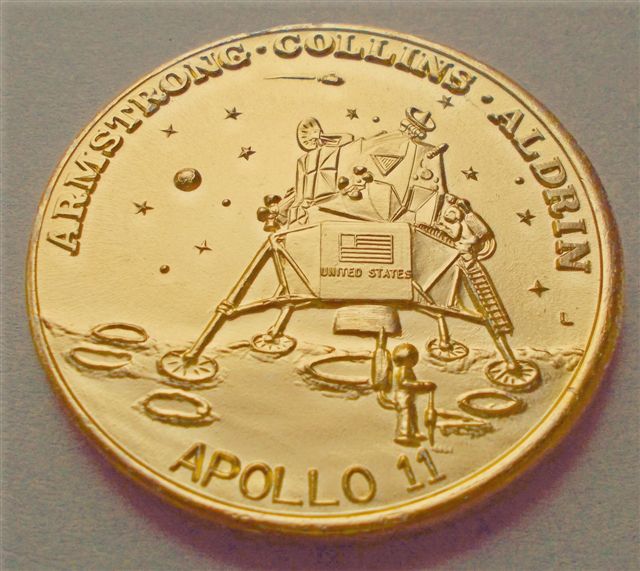
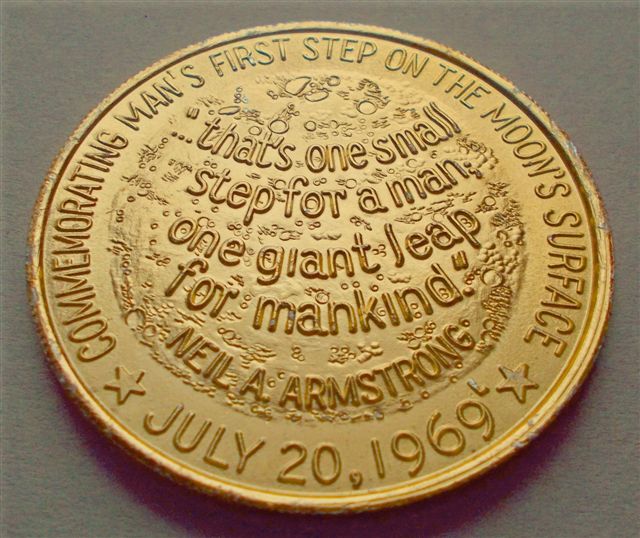
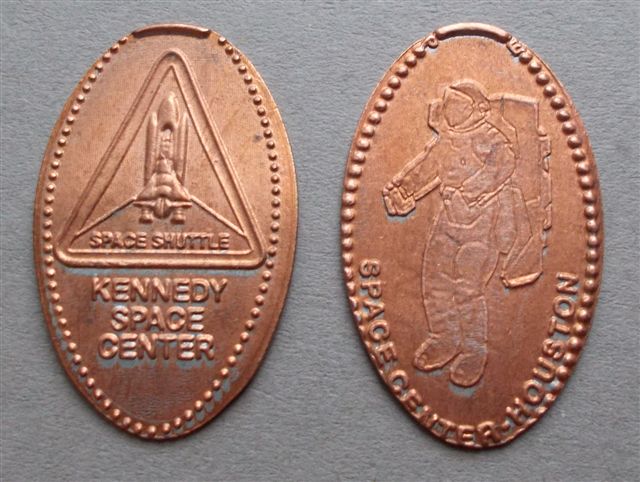
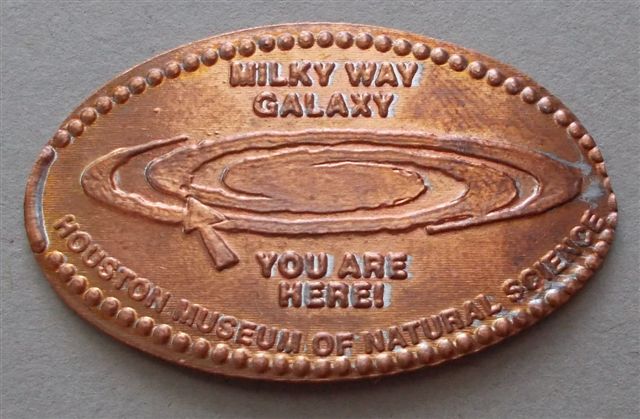


 Posted 10/23/2018 11:16 pm





