| Author |
 Replies: 19 / Views: 3,231 Replies: 19 / Views: 3,231 |
|
CCF Advertiser
 United States
1318 Posts |
OK, as a professor we know over the years we have done grade inflation. Now when I take off points I even write "sorry" half the time as words stress out students so much. Of course it is chemistry so things will go wrong on many student exams.
But I grade coins I sell and to me a cull is "poor", "good" has some details to id pretty well, "fine" is complete looks pretty decent, "VF" is subjective to the series but it is a really nice coin generally, "VF+" is near extra fine with some issues, and "EF" is amazing. (Again a coin series that did not survive well can be "EF" and not perfect in my opinion.)
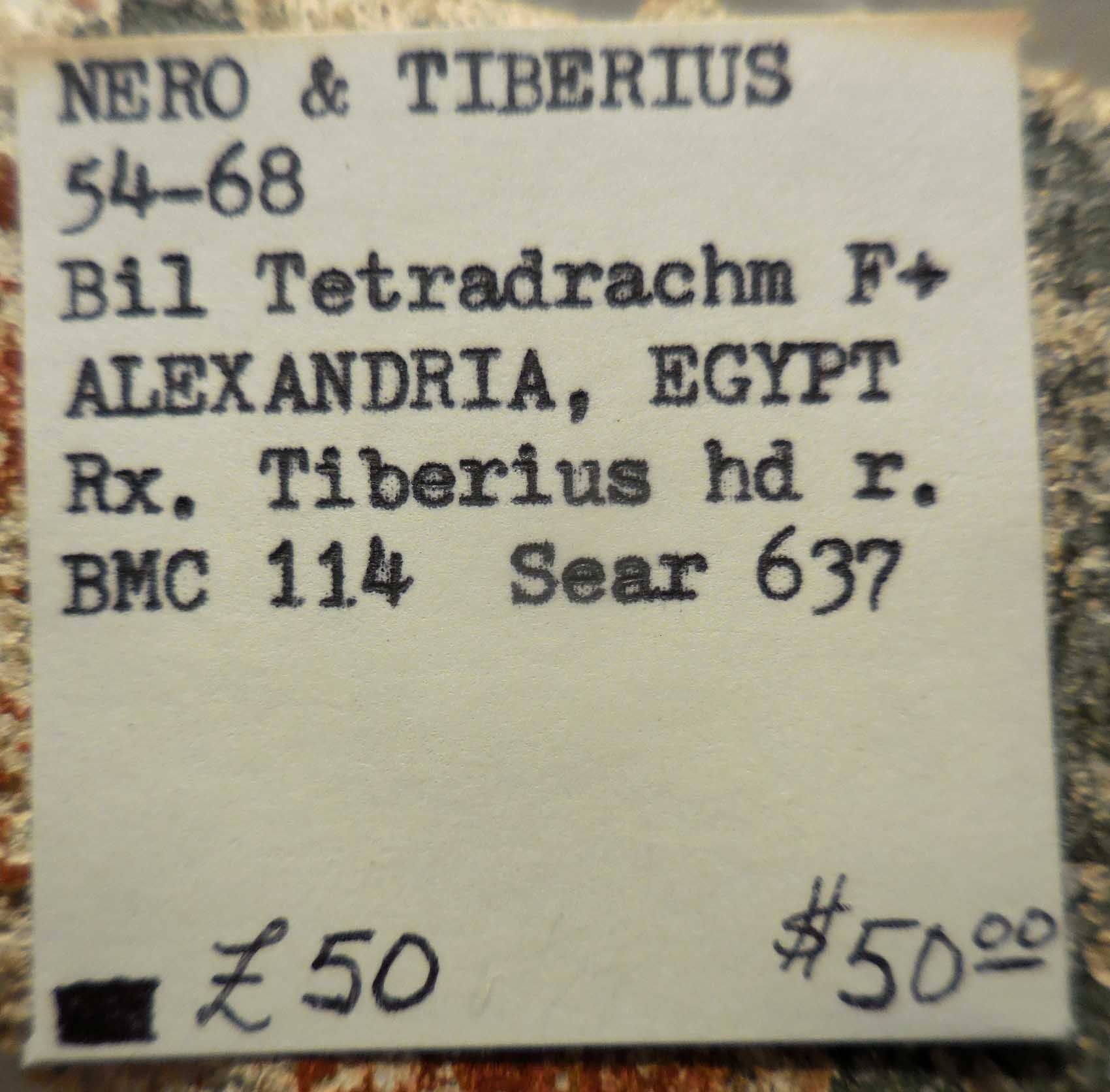
That said, as I go over old estates, with typed or cursive script flips, boy those old fellows were pretty ruthless! "Fine +" they write and it looks near EF! Serious grade inflation must have happened over the years in this hobby: Edited by louisvillekyshop
11/18/2018 3:50 pm
|
|
|
|
Pillar of the Community
United Kingdom
4208 Posts |
In the UK, grading is a bit more old fashioned and harsh, but ancients get some very creative grades. I suspect old timey grades were harsher because the only coins coming to market would be the nice ones found on digs or by eye in the fields; the rubbish coins would simply not go to market.
|
|
Bedrock of the Community
United States
37006 Posts |
Grade inflation just boils down to money.
|
|
Bedrock of the Community
United States
12057 Posts |
I don't believe in assigning a "grade" to ancients, and prefer a descriptive summary of the coin being examined that highlights both positive and negative aspects. Based on such a description, you can then decide if you think the coin's a good fit for your collection, and whether or not you think the asking price is reasonable. In other words, judge the coin on its merits (or lack thereof) instead of on some subjective numerical or adjectival scale. You can't overgrade an ancient coin with a description, since any puffery or lies on your part is easily detected.
Member ANA - EAC - TNA - SSDC - CCT #890 "Most of the things worth doing in the world had been declared impossible before they were done." -- Louis D. Brandeis |
|
Pillar of the Community
 United States
8047 Posts |
I'm a chemistry prof too.
Hang in there and resist that inflation. No "sorrys" called for. Just point 'em in the right direction.
As for coins, the Europe/American thing gets interesting. I saw a coin in an auction recently listed as UNC- by the auction house, along with an NGC slab that says MS63. Standards still exist somewhere.
Edited by tdziemia
11/18/2018 7:47 pm
|
|
Pillar of the Community
United States
616 Posts |
Grade inflation in chemsitry? My late father-in-law, with a Ph.D in Chemistry and a lifelong Du Pont chemist, would have no sympathy.
I too think the application of the modern grading scale is inappropriate for ancients. Too many variables compared with modern coinage. Each is a unique, handmade piece of art, and like all art the value can be very subjective.
|
|
CCF Advertiser
 United States
1318 Posts |
|
|
Pillar of the Community
United States
1554 Posts |
Yes, 25 years ago conservative European grading was the norm for ancients. Then some began to push for looser "American grading". Next we were hit with " ebay grading" (both a comedy and a tragedy) and "market grading". The last nail in the coffin was NGC Ancients grading. Edited by Kushanshah
05/19/2019 9:44 pm
|
|
Moderator
United States
23731 Posts |
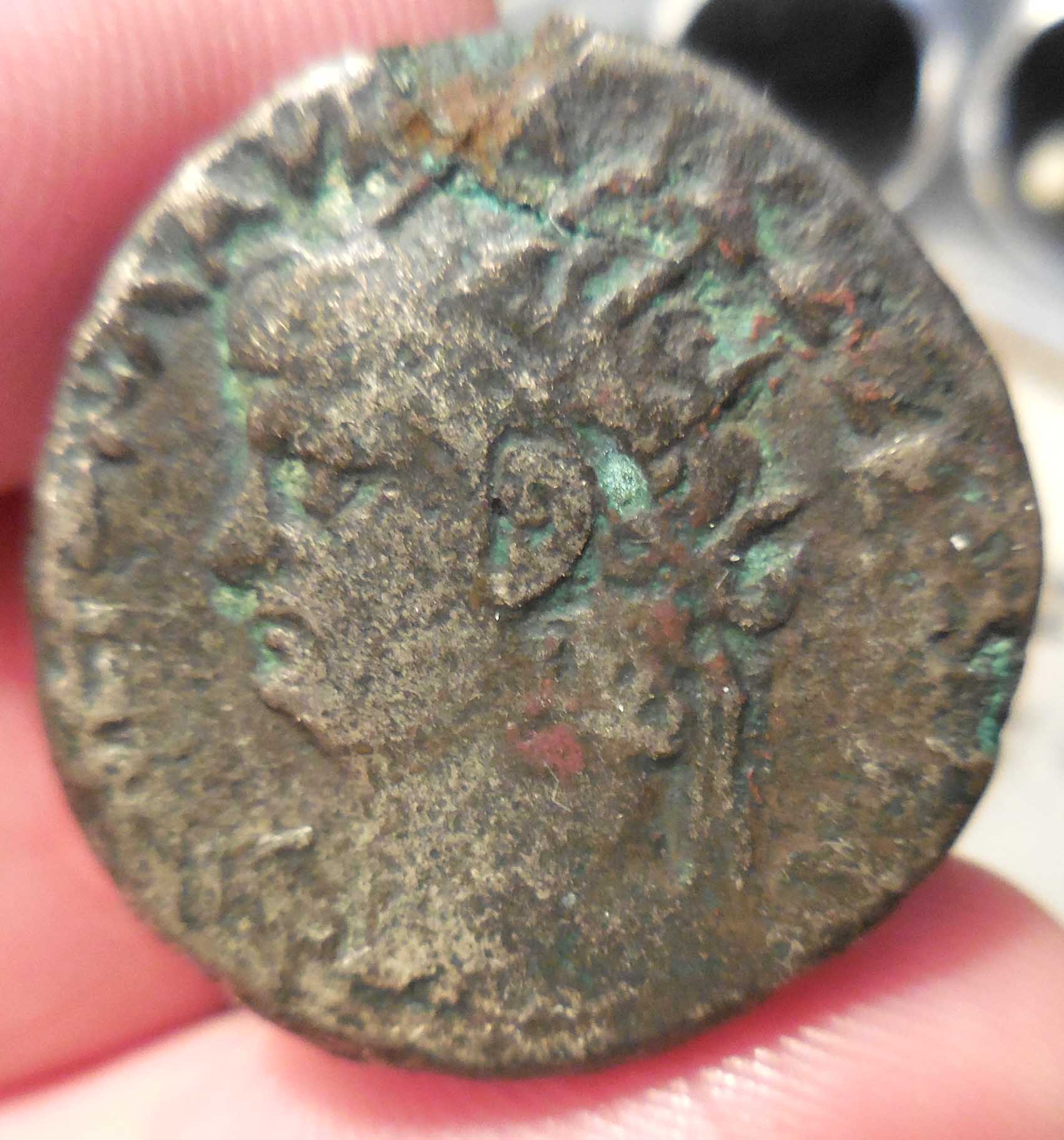
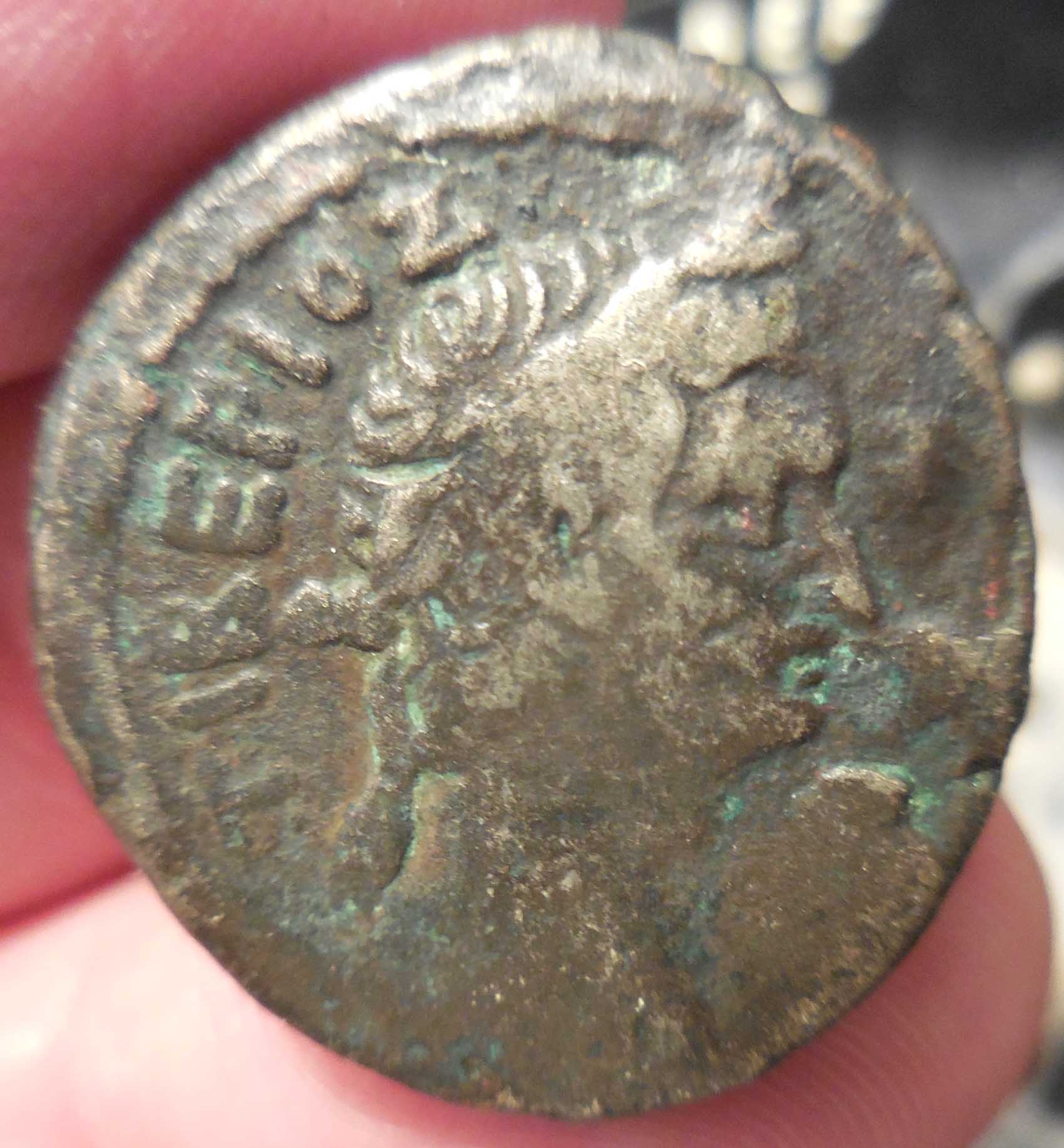
At best I would grade that coin as aFine. In one of Wayne Sayles books he explains that system used to grade ancient coins. I try to hold to that when I grade my coins.
|
|
Pillar of the Community
United States
979 Posts |
I don't see the point of grading coins when there is a picture and rarely ever mention grades in my listings. When a customer asks me what grade a coin is, I usually say something like I don't grade coins and would rather let the picture speak for itself.
|
|
CCF Advertiser
United States
1318 Posts |
Yes but for a late Roman, they held well over time. But these tetradrachms of Alexandria, they certainly did not. XF for a late Roman is near perfect agreed, plentiful enough and with many fine examples. But you can't use the same metric for all ancient coins.
|
|
Pillar of the Community
United States
1554 Posts |
Grading (coins) on a curve is a new concept for me.
Edited by Kushanshah
05/20/2019 01:12 am
|
|
Bedrock of the Community
Australia
21789 Posts |
I really like the OP's approach to grading ancient coins. A bit different, but perfectly OK.  From my experience, the most professional dealers of ancient coins are fairly resistant to grade inflation. I notice that there has been some grade inflation over the years, with TPG slabbed coins. Like any other coin, grade is critical to value. I will happily accept any dealers grade, provided that it comes with honest qualifying comments andI examine the coin in hand, before making a decision to buy. That putes more responsibility back onto myself, I can live with caveat emptor. That obliges me to attend public auction lot viewing days. You need time and convenience to do this, for which I feel very fortunate. |
|
Valued Member
United States
66 Posts |
I have a copy of Littleton's "How to Collect Ancient Coins" with a copyright date of 2012. I read it years ago and visited their website. I just visited their website again tonight. Littleton sells ancients, and you can select the grade you want for a particular coin. The better the grade, the higher the price. The stock photo for a given coin has a grade, and when you select a better grade [if available], the photo does not change... Who in the modern world, with a modern website, would buy an ancient coin, sight unseen? (My point - the coin photo is more important than a coin grade...)
|
|
CCF Advertiser
United States
1318 Posts |
Well whatever the answer, it seems if you type in "ef for type" or "very fine for type" with quotations so the phrase is as written in acsearch you find just about everyone from cng down is using that as a grading system. So it has evolved into this even if it was a pure system for all ancient coins not considering when and where produced.
|
|
Pillar of the Community
United States
789 Posts |
I've always thought of technical grading as the amount of wear a coin has. If you know how much a coin weighed when minted, you could weigh it and assign a grade based on how much weight it has lost in circulation.
But that's only for "technical" grading and certainly would not apply to ancients without knowing the exact weight of the individual coin when it was minted.
Market grading is just marketing.
|
| |
Replies: 19 / Views: 3,231 |






 Posted 11/18/2018 5:10 pm