








 Posted 12/05/2018 5:00 pm


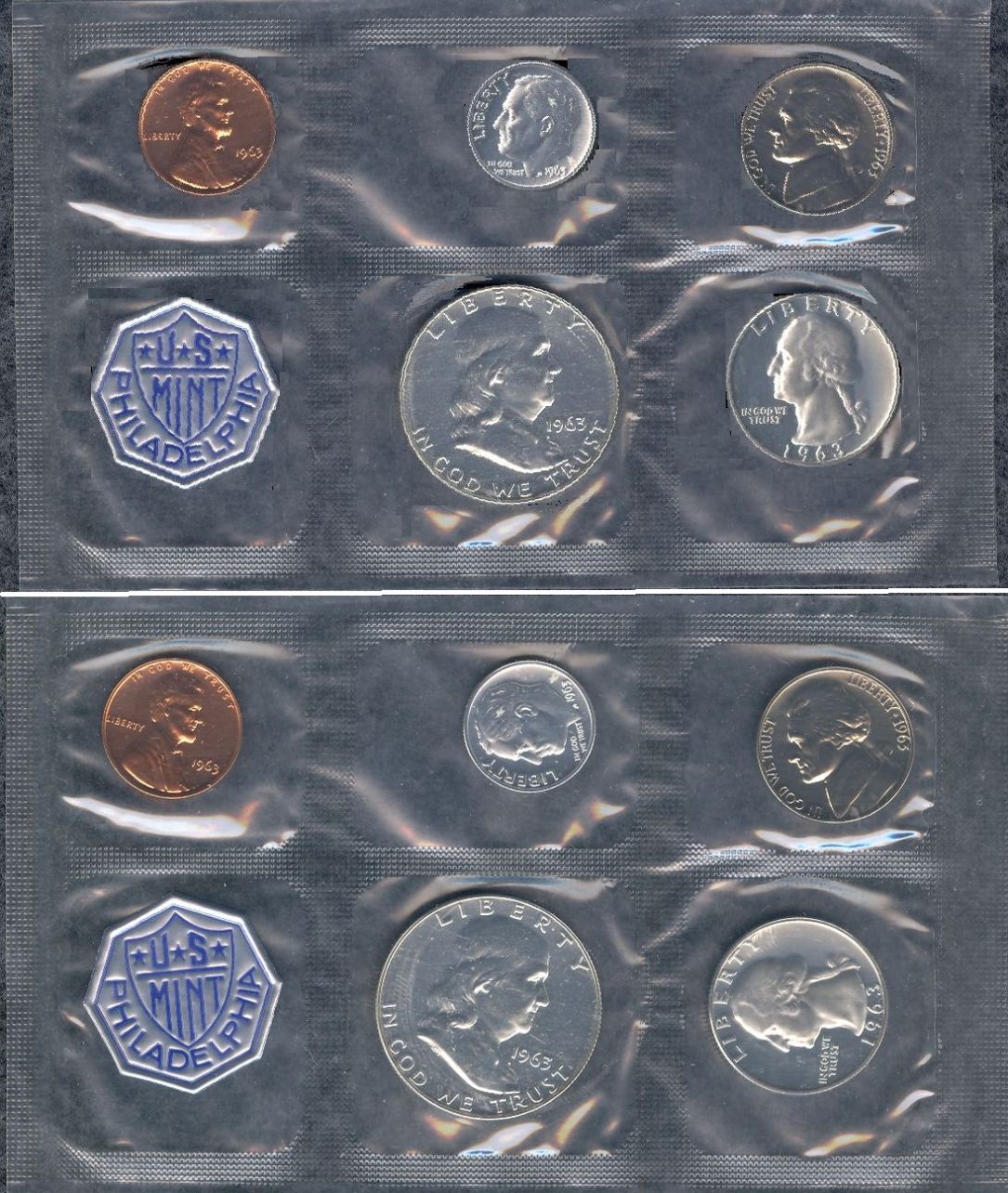
If you are talking about proof sets, then presentation by of the packaging, must be important. Your own personal preference becomes a very important aspect.
My preference is the for the way proof coins are actually made. I prefer the older approach used by mints around the World before 1950.
Then, selected dies were used and selected blanks were used, and the coins were struck at increased pressure, sometimes double struck.
Now, polished blanks are used, the fields of the dies are mirror polished, and the details are etched to produce a cameo effect. I have a problem with the production of the cameo effect, because some of the fine detail is lost to produce the cameo effect.
When the detail in NOT cameoed, all of the detail is retained on the coin. That is why I am personally not really happy with the modern cameo effect.
I prefer the older style of proof production, where all of the design detail is retained on the proof die.
A good example of the older approach to proof coin production can be found on much older proof coins, such as the proof sets produced by the British Royal Mint in 1937.
Admittedly, modern encapsulated and boxed proof coin packaging is far superior for those proof coins produced before about 1970.
Modern polished field cameo proof coins seem a bit 'gimmiky' to my eye, despite their great popularity.
My preference is the for the way proof coins are actually made. I prefer the older approach used by mints around the World before 1950.
Then, selected dies were used and selected blanks were used, and the coins were struck at increased pressure, sometimes double struck.
Now, polished blanks are used, the fields of the dies are mirror polished, and the details are etched to produce a cameo effect. I have a problem with the production of the cameo effect, because some of the fine detail is lost to produce the cameo effect.
When the detail in NOT cameoed, all of the detail is retained on the coin. That is why I am personally not really happy with the modern cameo effect.
I prefer the older style of proof production, where all of the design detail is retained on the proof die.
A good example of the older approach to proof coin production can be found on much older proof coins, such as the proof sets produced by the British Royal Mint in 1937.
Admittedly, modern encapsulated and boxed proof coin packaging is far superior for those proof coins produced before about 1970.
Modern polished field cameo proof coins seem a bit 'gimmiky' to my eye, despite their great popularity.


 .
.

 Even mounted in a Capital Plastics holder they seem to move around. No affect on the value of the set, only thing that matters is pristine coins.


 You had me going until Tanman pointed it out.


