| Author |
 Replies: 9 / Views: 1,764 Replies: 9 / Views: 1,764 |
|
|
New Member
Poland
29 Posts |
|
|
|
|
Moderator
 United States
34553 Posts |
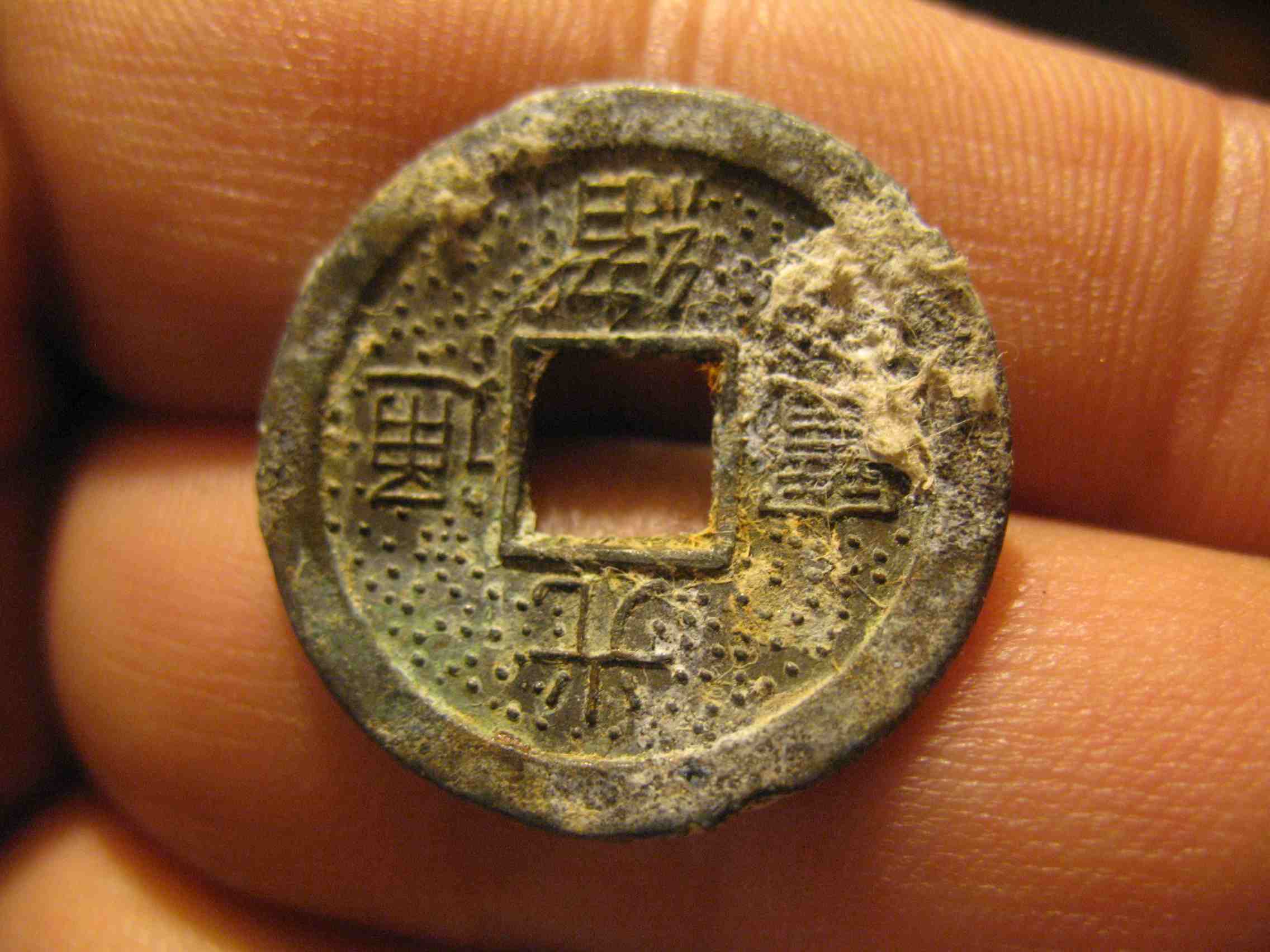
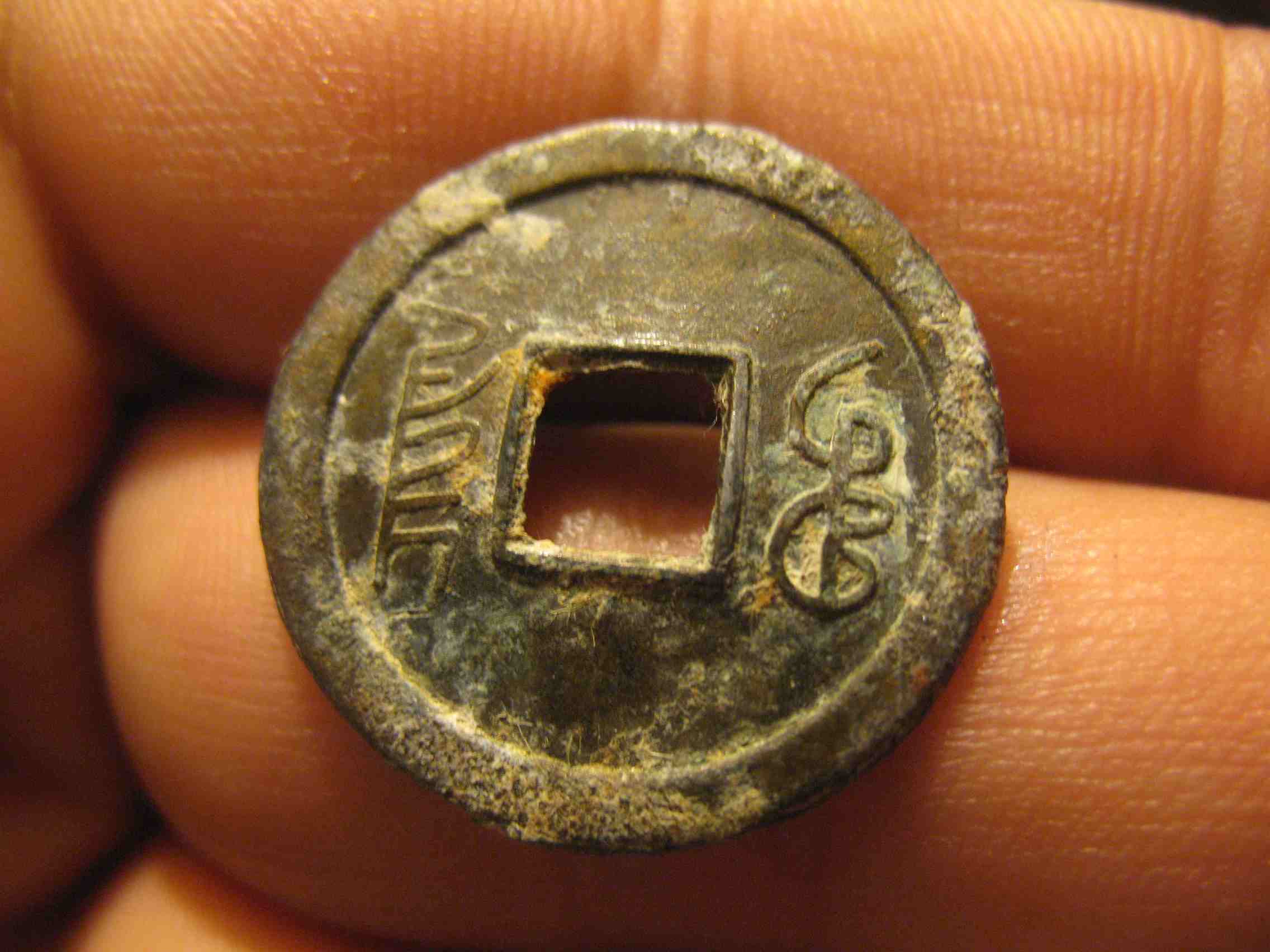
@antoni, I'll consult my Hartill later today for the second coin (if no one beats me to it), but I'm about 90% sure that your first coin is a fake. I believe that those "dots" were added to the field on replicas as texture to simulate a cast surface. If you use the CCF search box at the top of your screen with the key words China and DOTS, you will see multiple examples. I should point out, though, that I am definitely only a student of Chinese numismatics and there are others here with vastly more knowledge.
Also, it is a small point, but you may be interested to know that your first picture should be rotated 180° while your third picture should be rotated 90° clockwise in order for them to be right side up.
"If you climb a good tree, you get a push."
-----Ghanaian proverb
"The danger we all now face is distinguishing between what is authentic and what is performed."
-----King Adz
|
|
Moderator
United States
34553 Posts |
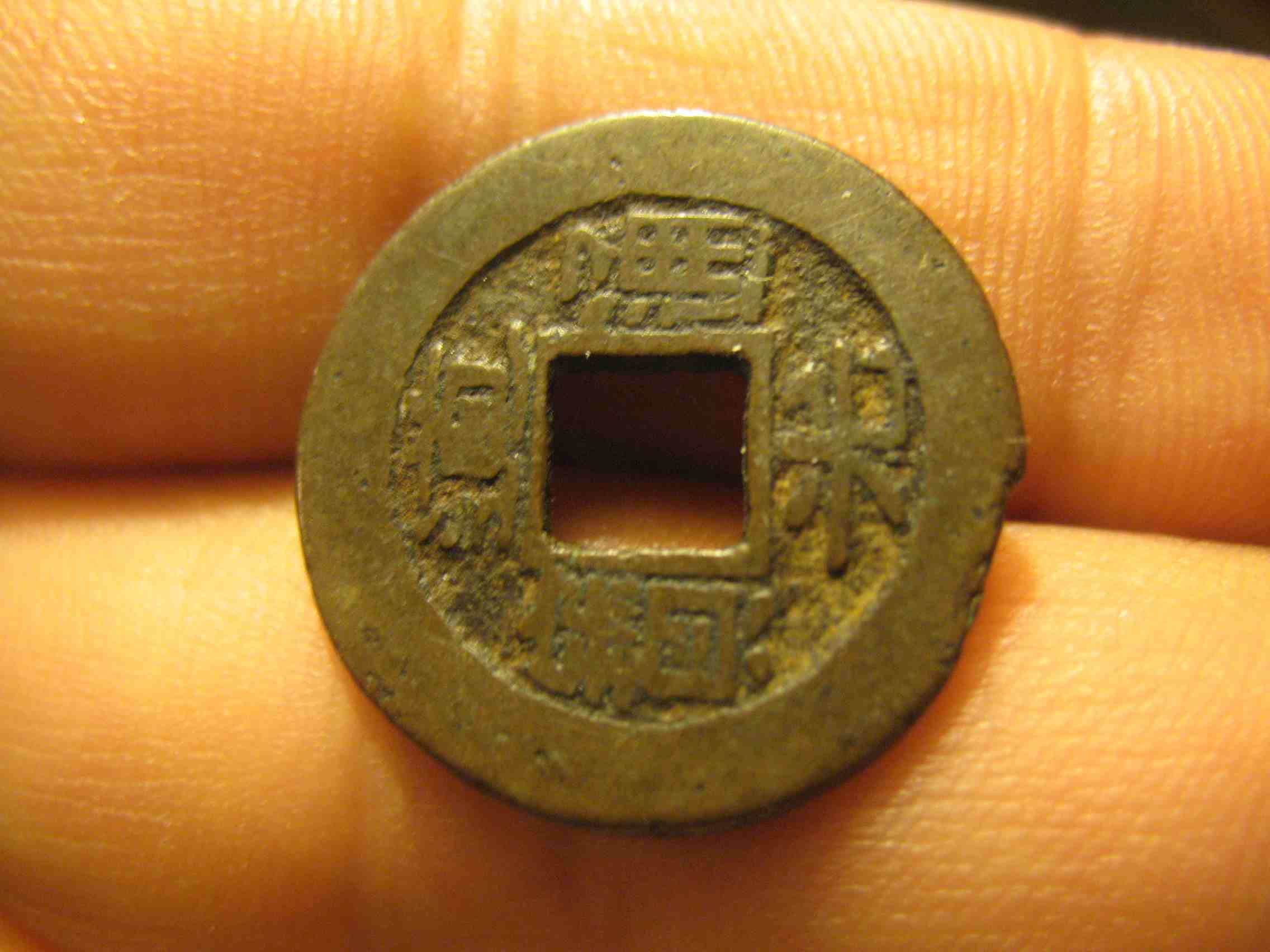
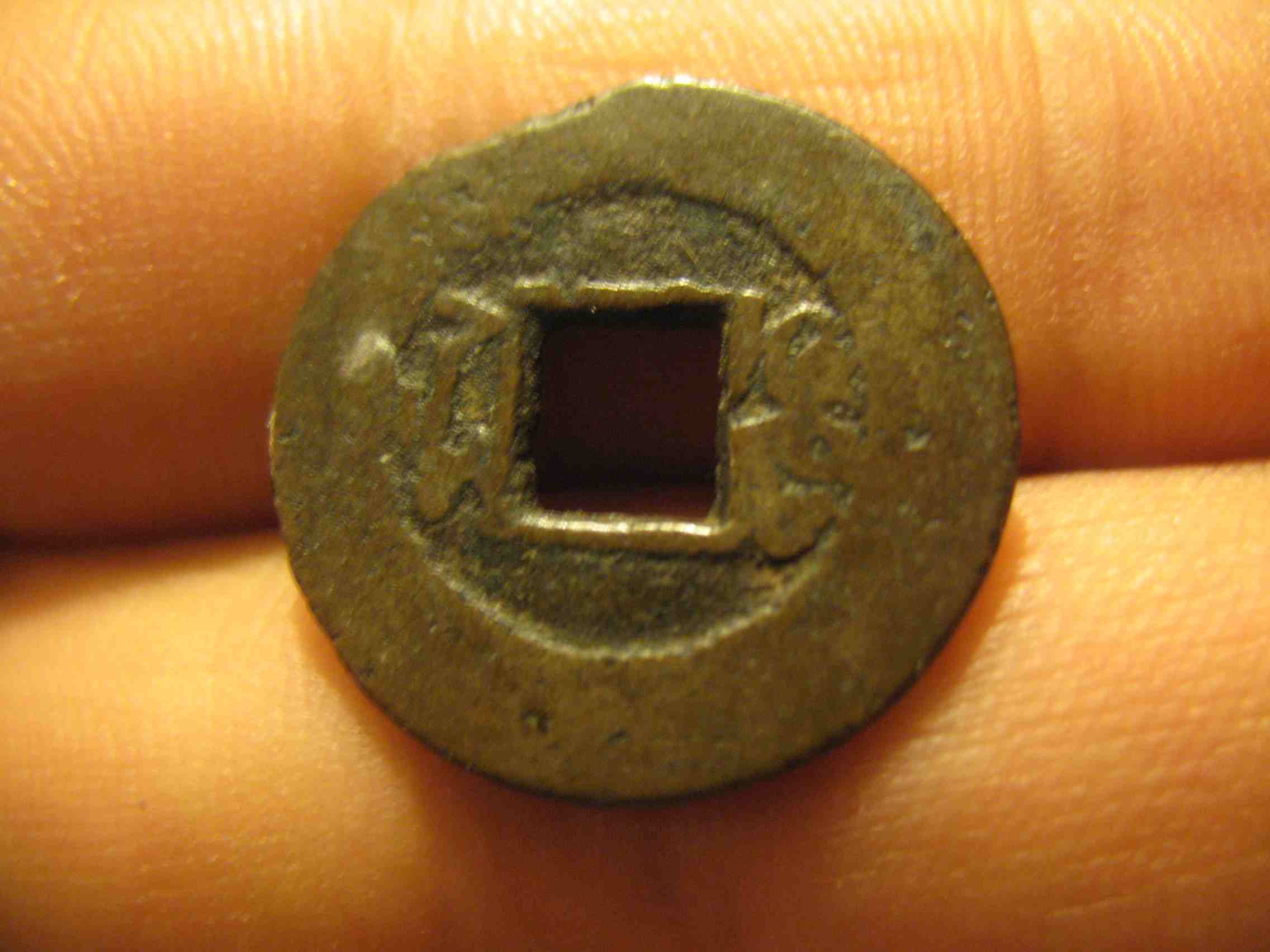
@antoni, your second coin is a cast cash of Emperor Xuan Zong (1821-1850 AD, Qing Dynasty). The level of wear is making it hard for me to determine the sub-type, but this information gets you in the right area.
"If you climb a good tree, you get a push."
-----Ghanaian proverb
"The danger we all now face is distinguishing between what is authentic and what is performed."
-----King Adz
|
|
Pillar of the Community
United States
1915 Posts |
Kwong-shui, 1875-1908 Board of Revenue Beijing mint for that upside down coin. Not sure what all that dryer lint or fuzz is.
|
|
Pillar of the Community
Russian Federation
5186 Posts |
Quote:
Not sure what all that dryer lint or fuzz is. This is an imitation charm (note the telltale dots simulating cast appearance), so my guess is that it used to be affixed to something. |
|
Moderator
Australia
17002 Posts |
Confirming that the first object is not a genuine coin, but a machine-struck replica; the dots covering the obverse (top pic) were put there to simulate the "sand" that appears on genuine cast cash coins. From the looks of it, this one may have been through a fire; burning replica money is part of traditional Chinese funeral practices.
The second coin appears genuine, though slightly damaged (missing a piece off the edge).
Don't say "infinitely" when you mean "very"; otherwise, you'll have no word left when you want to talk about something really infinite. - C. S. Lewis
|
|
Valued Member
Canada
115 Posts |
Quote:
@antoni, your second coin is a cast cash of Emperor Xuan Zong (1821-1850 AD, Qing Dynasty). The level of wear is making it hard for me to determine the sub-type, but this information gets you in the right area. Sorry, but your emperor name is wrong. I can read Chinese, and the characters say that it is from the reign of the Daoguang Emperor, for which you got the dates right, 1821-1850. The Xuantong Emperor ruled from 1908-1912 and is also known as Puyi. And yes, I also agree that the first coin is a definite fake. |
|
Moderator
United States
34553 Posts |
@CN, thank you for your correction. I am not a native Chinese speaker and so simply go with a comparison of the characters in my Hartill. Perhaps the difference in spelling of the emperor name is due to difficulties with a direct 1:1 translation between the two languages? Or, just as likely, I made a typing mistake in my earlier post.
"If you climb a good tree, you get a push."
-----Ghanaian proverb
"The danger we all now face is distinguishing between what is authentic and what is performed."
-----King Adz
Edited by Spence
12/18/2018 08:45 am
|
|
Pillar of the Community
United States
1915 Posts |
For new members I'd like to say that yes many coins are fakes that get posted here. I have mostly refrained from saying if coins are genuine or not. I mainly like to help identify what the Chinese characters mean. They often refer to an emperor, a mint, or maybe a province, etc. Not that they are authentic, it's just what the characters depict. Sometimes you can have different or separate names for the same person on a coin. One reason, among several, is the concept of having the emperor's name, but also having a reign title.
|
|
New Member
 Poland
29 Posts |
|
| |
Replies: 9 / Views: 1,764 |
|









 Posted 12/16/2018 9:29 pm


