| Author |
 Replies: 9 / Views: 7,862 Replies: 9 / Views: 7,862 |
|
|
Valued Member
United States
278 Posts |
|
|
|
|
Pillar of the Community
United States
5887 Posts |
Collector of U.S. Coins, Varieties, and Colonial Coinage
|
|
Valued Member
 United States
278 Posts |
That makes logical sense. I guess I wasn't thinking  . Thanks! |
|
Pillar of the Community
United States
5240 Posts |
|
|
Bedrock of the Community
United States
62064 Posts |
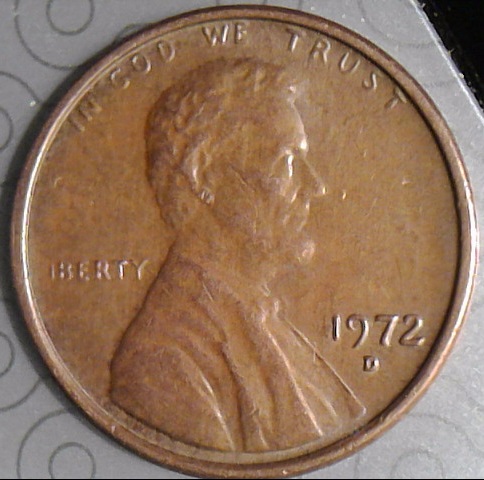
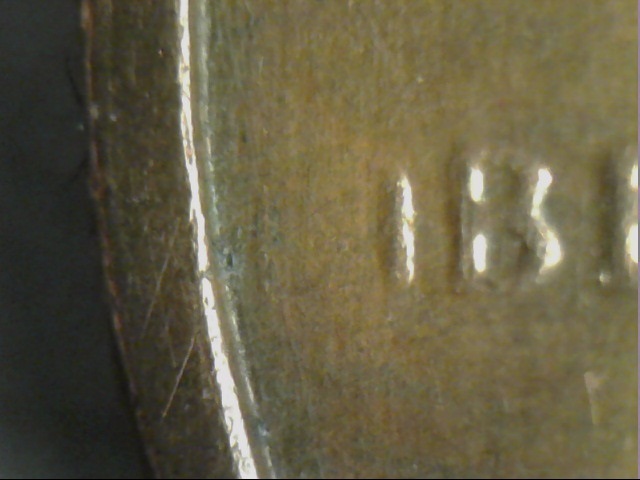
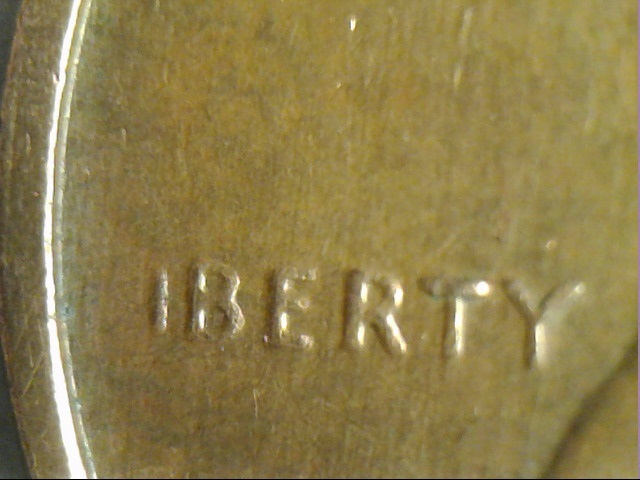
The die was over polishing thinning the devices. Possible Grease Fill on the 'L', but when a Struck Through Grease happens, it prevents the narrowest devices from being formed, leaving wider looking devices. So it is more of an issue with die polishing because the devices are thinner than normal. (or the isolated polishing may have removed the L' totally?) |
|
Valued Member
United States
278 Posts |
Thanks all. That's gonna take some research on my part Coop, thanks!
|
|
Bedrock of the Community
United States
62064 Posts |
|
|
Pillar of the Community
United States
8715 Posts |
|
|
Valued Member
United States
82 Posts |
I also have a 1972 d cent with the L removed in liberty but mine looks like a shadow of its self like the shadows after a nuclear blast but yours is in way better shape than mine hers mine btw 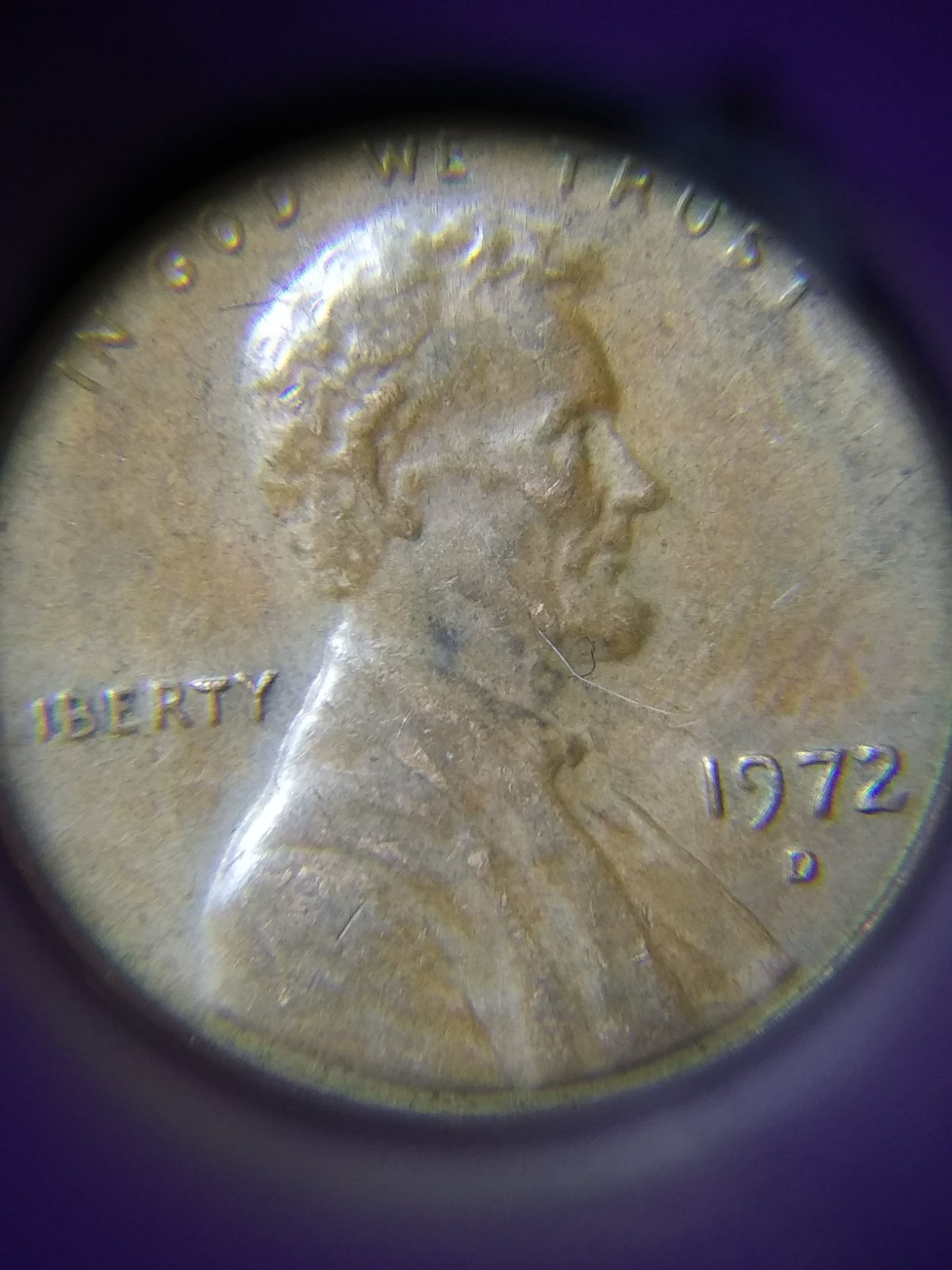 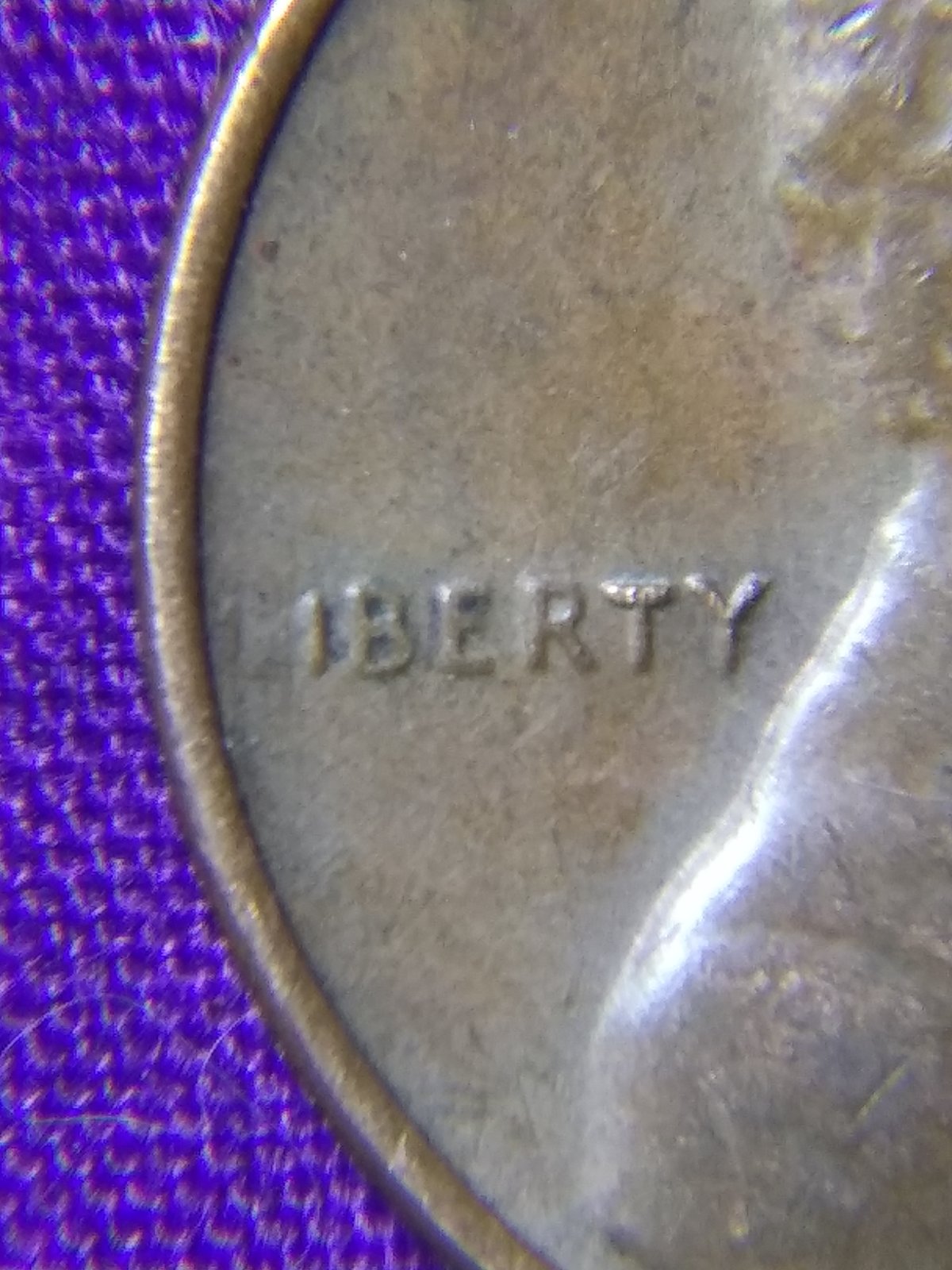 |
|
Bedrock of the Community
United States
62064 Posts |
Grease fills in the tops of the devices (the deepest areas on the die) making the devices shorter in height, and preventing the most tapered areas from forming: 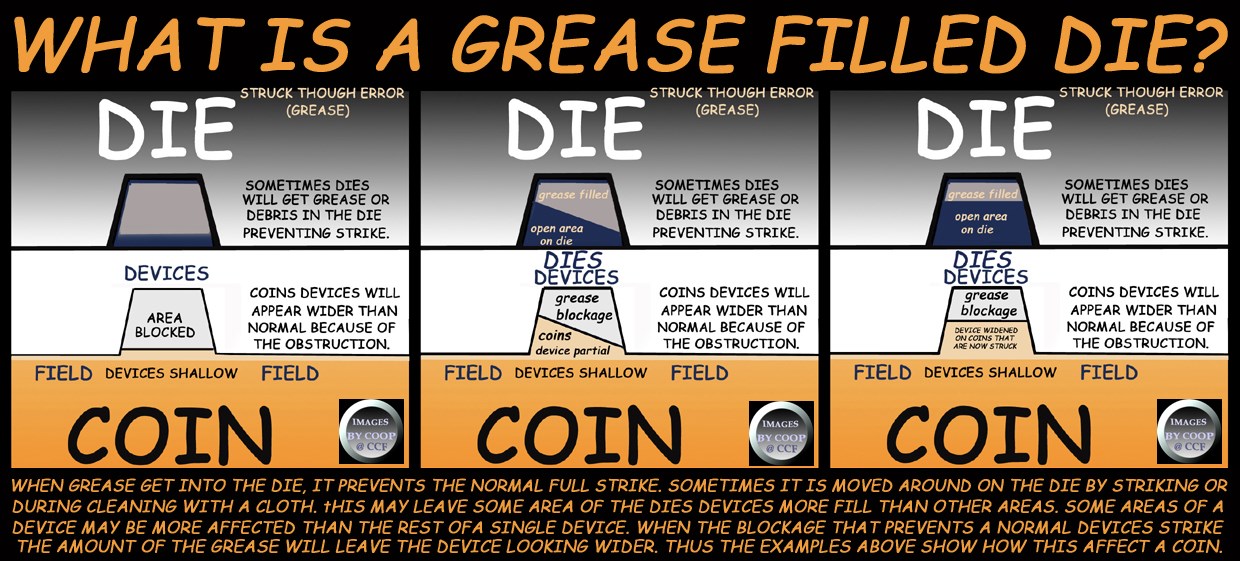 Thus the devices are wider because just the lower base areas are showing. On over polished dies, the devices are shorter as the fields are reduced, removing the wider areas of the devices, leaving the upper narrow parts of the devices to form. 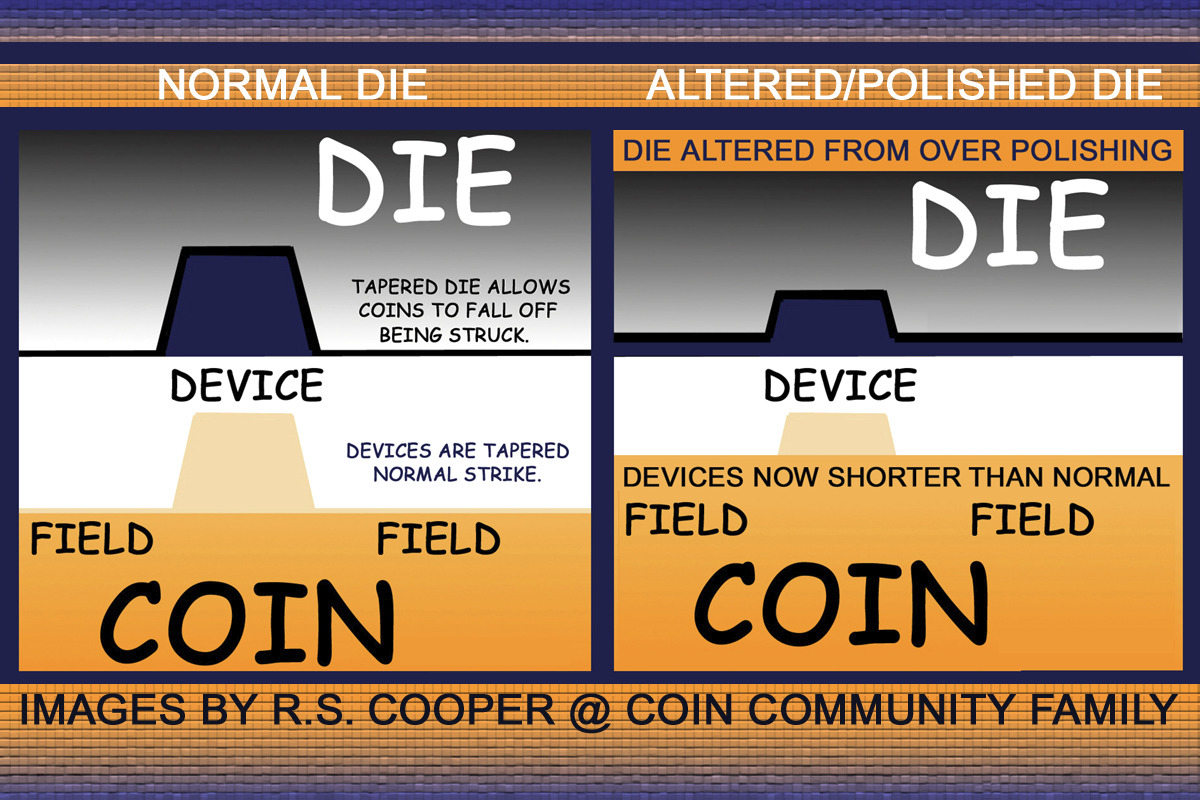 So the devices are very small when the widest part of the devices are removed. |
| |
Replies: 9 / Views: 7,862 |
|











 Posted 12/17/2018 8:11 pm


