| Author |
 Replies: 9 / Views: 2,366 Replies: 9 / Views: 2,366 |
|
|
Press Manager
 United States
1420 Posts |
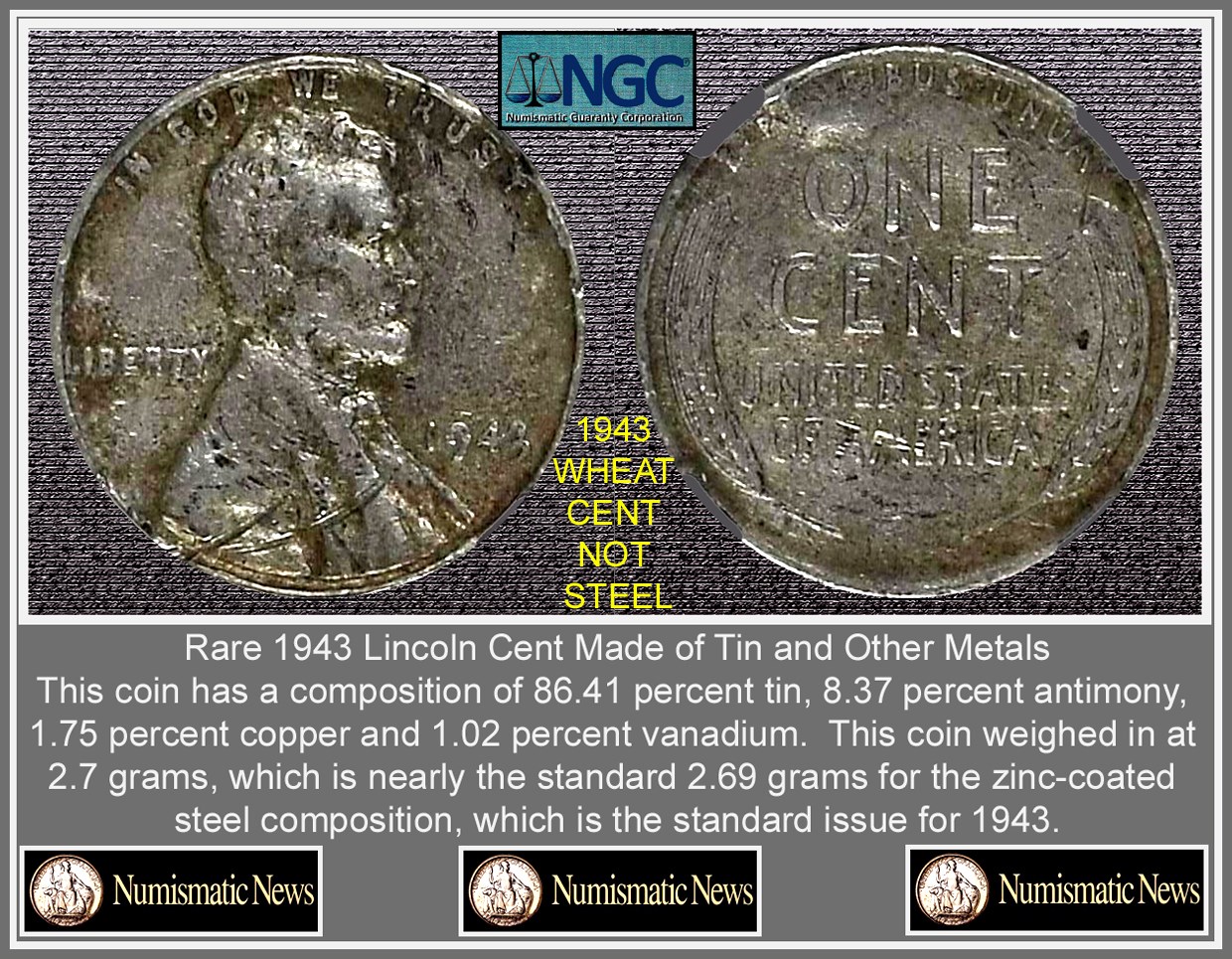
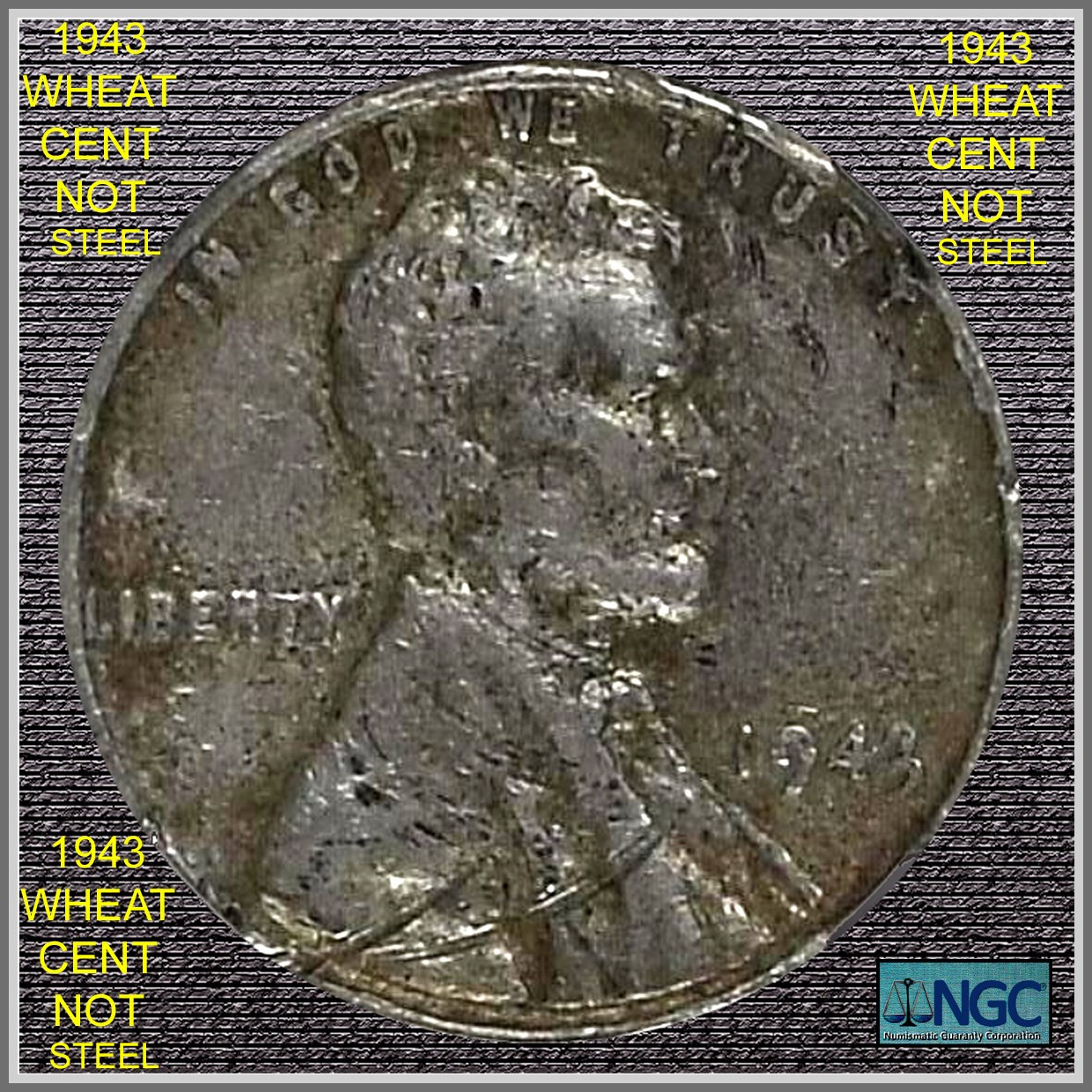
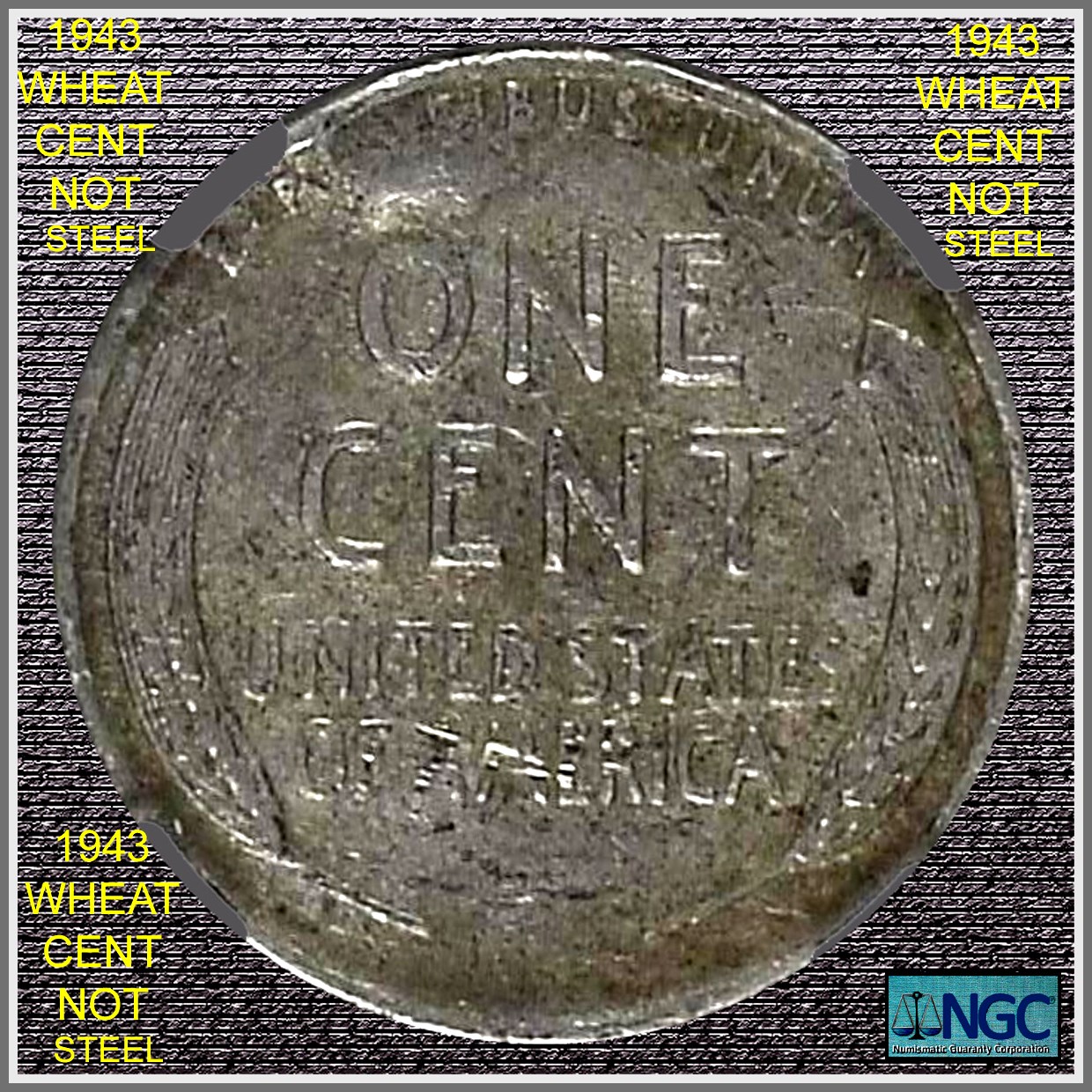
Numismatic News - M. Houston, an unsuspecting collector, found a Lincoln Cent on the ground as a child. He retained this cent in his collection for 50 years or more. He recalls what struck him about the coin was it was silvery-grey in color. This was different from any other Lincoln Cent he had seen.  Many years later, as an adult, he read an article about the copper alloy 1943 cents which encouraged collectors to try attracting their 1943 cents to a magnet. All of his did, except one. He decided to call the American Numismatic Association, and historian, Sam Gelberd. After describing what he found, Gelberd suggested that he check to see if the coin was stamped on a foreign planchet minted at the US mint. Gelberg sent him a list from the Liberty Coin Service. Read the entire article
|
|
|
|
Pillar of the Community
United States
1070 Posts |
|
|
Bedrock of the Community
United States
94367 Posts |
Never heard that story before!
|
|
Moderator
United States
34553 Posts |
New to me too.
"If you climb a good tree, you get a push."
-----Ghanaian proverb
"The danger we all now face is distinguishing between what is authentic and what is performed."
-----King Adz
|
|
Bedrock of the Community
United States
17884 Posts |
If I remember correctly the tin/antimony composition IS listed as one of the experimental alloys tested for the 1943 cents and is listed in Roger Burdettes book on the experimental one and five cent pieces of WWII. (Can't check for sure, I lent my copy to a fellow coin club member a couple weeks ago.)
|
|
Pillar of the Community
United States
751 Posts |
I'm a bit confused with the story.
Why would he be Struck at finding a 1943 Lincoln one cent coin that was Silver Gray in color. They all were ? Even if it were the first one he saw, after he saw several he would realize the one he saved was NOT unusual ?
Now if he said the coin was NOT Silvery Gray in color I would understand.
Dan
|
|
Bedrock of the Community
United States
62064 Posts |
|
|
Pillar of the Community
United States
4705 Posts |
Interesting. NGC must have dismissed it as a regular steel cent at first, without bothering to test the composition -- I would think that the submitter would have informed them that he suspected it was not steel, likely by it not being strongly attracted to a magnet. XRF tests are pretty definitive, so there is no doubt in my mind that NGC didn't perform that test the first time around.
Edited by jimbucks
06/27/2019 4:24 pm
|
|
Moderator
United States
195742 Posts |
Very interesting!  |
|
Pillar of the Community
United States
1005 Posts |
If I were to fake a coin I would use a similar alloy, tin-antimony is so easy and fun to cast.
|
| |
Replies: 9 / Views: 2,366 |
|







 Posted 06/26/2019 6:01 pm