| Author |
 Replies: 17 / Views: 2,005 Replies: 17 / Views: 2,005 |
|
New Member
United States
49 Posts |
Between the E and the C is something , I'm new to coin collecting, can anyone tell me what this is ? 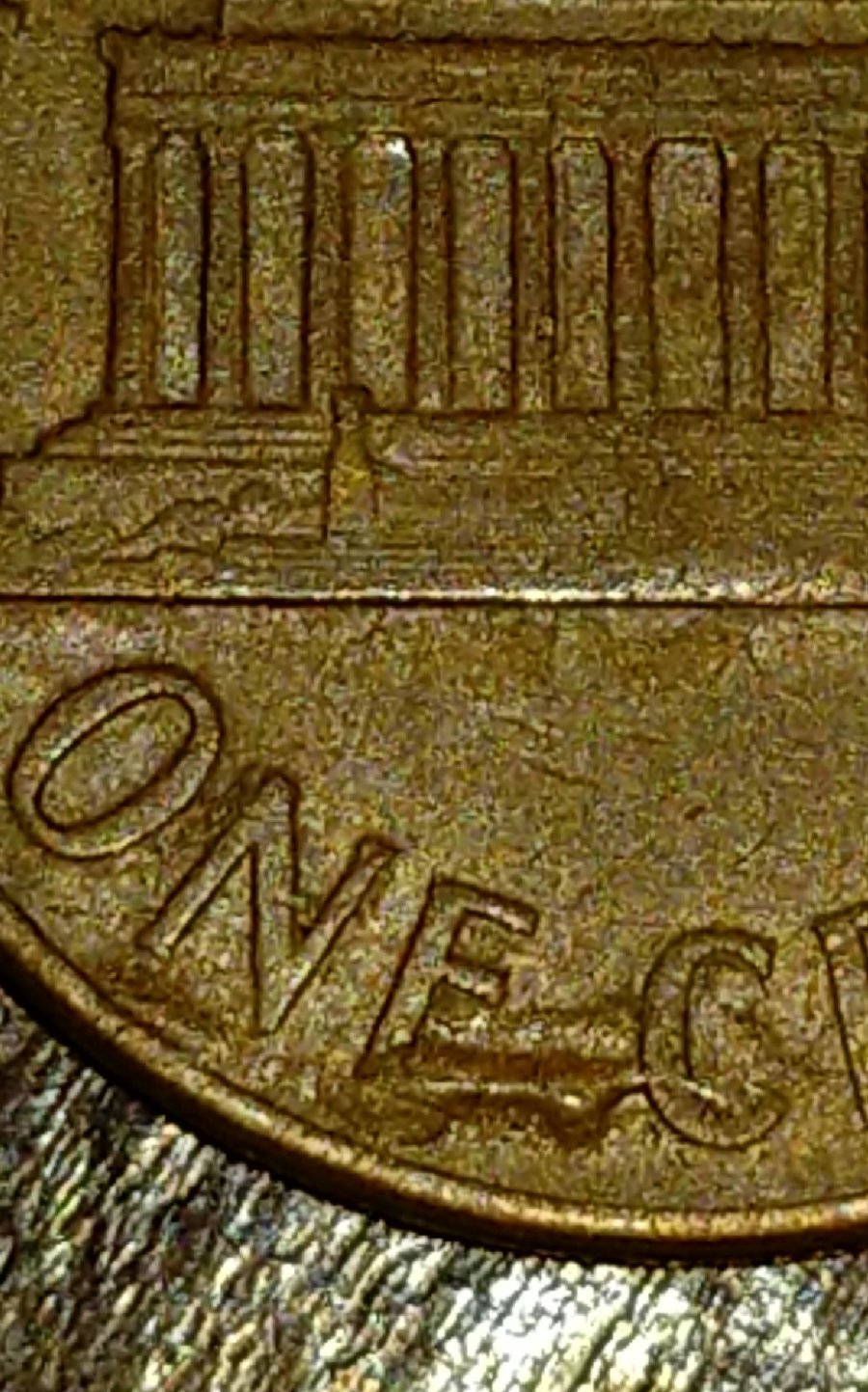 |
|
|
|
Bedrock of the Community
United States
80164 Posts |
Looks like residue in that area. If it is, then it's not an error and is Post Strike Damage ( PSD). Errers and Varietys.
|
|
New Member
 United States
49 Posts |
Ok it just looked odd to me thank u
|
|
New Member
United States
3 Posts |
|
|
New Member
United States
49 Posts |
|
|
Forum Dad
 United States
24243 Posts |
Quote:Looks like a die crack Cud to me. What is a die crack Cud? |
|
New Member
United States
49 Posts |
I believe it is a Cud as well , after looking at that link |
|
Pillar of the Community
United States
5887 Posts |
Not an error. It's post mint damage ( PMD). A Cud has to do with the rim, and yours isn't connected with the rim. It's also not a Die crack. Might be residue or a contact mark. -CH27 Collector of U.S. Coins, Varieties, and Colonial Coinage
|
|
New Member
United States
3 Posts |
What exactly is "residue" in the case of Post mint damage? That simply makes no sense. Nor does "contact Mark as an explanation. Contact with what? The coin? The die? Aliens? What I see is clearly additional material on tbe face of the coin in an area where design elements are present. The additional material is present in both the "open area" of the coin and in the "design" which is elevated from the "open area" of the coin. There is no missing material and no indication of damage to any part of the surface Which in the case of malleable metals can result in relocation of the metal without removing any of the material as often seen in post mint damage. A scratch presents as both an indentation or trench where material appears to be missing, and directly following that trench is an equal mass of material that presents as a raised area. What ever made contact with the coin essentially "plowed" material as it moves along the surface. So what is a Cud? A Cud is additional material on the surface of coin caused by a crack in the die that punched it. Die craxks are not limited to the edge of the die or the rim of the coin that was struck by a cracked die. Though it's uncommon to see a Cud that doesn't extend to the rim or at least come qiite close where the die crack that cause the Cud can be seen continuing to and through the rim. Why: Its quite simple, die cracks generally begin at the edge of the die. So how can a Cud appear on the face of a coin and come close but not extend to the rim? Simple. Dies are fit very tightly into the hub and dont allow movement of the die. When a crack develops in a die in order for planchette and design material to fill the crack as it strikes the planchette there MUST be space between both sides of the crack in the die for material to fill. The result is no different than the material that produced the design area left on the planchette when its punched. In the image above, I see additional material with no evidence of damage or "plowing" which would have provided the material for what we see that should not be there. Additionally the left or West side of the extra material becomes smaller and less obvious but continues to the rim. How would that happen? The hub does not grow to allow more space for a crack in the die to open wider. But die wear will abrade the crack on each of the cracks sides. As that happens the die is still confined on its outer edges where the crack is held tightly together by the hub, restricting the amount of material allowed to fill the crack the closer it gets to the outer edge. But as a Die wears the material thatfills the crack within it offers RELIEF to the material entering a smaller space. Which is always at the die edge where the rim is produced on the coin. To call it residue or anything else it STILL needs a place to go to end up being part of the image left on the coin. A void in the surface of a die leaves the opposite on the planchette it strikes. Simple as that. |
|
New Member
United States
49 Posts |
Wow , thank you , that explains a lot I'm new to collecting and just wondered if I found something good
|
|
Bedrock of the Community
United States
62064 Posts |
But something added to the coin like glue, solder and ECT will add weight to the coin in circulation. This is an example of that. An altered coin.
|
|
New Member
United States
49 Posts |
To me it looks like melted metal , I've welded most of my life , doesn't look like glue or residue , zoom in on it and it does go clear to the rim.
|
|
Bedrock of the Community
United States
80164 Posts |
Innocents, it's clearly not a Cud. It's glue or some type of residue that got stuck on the coin. It's not an error and is Post Strike Damage. Errers and Varietys.
|
|
Moderator
United States
197387 Posts |
 to the Community, Innocents! |
|
Pillar of the Community
United States
751 Posts |
Rub across it with a tooth pick to see if it breaks away.
Dan
|
|
Pillar of the Community
United States
8715 Posts |
Sharper, brighter images will help. to the CCF! |
| |
Replies: 17 / Views: 2,005 |




 Posted 02/21/2019 6:51 pm





