| Author |
 Replies: 21 / Views: 3,811 Replies: 21 / Views: 3,811 |
|
New Member
United States
11 Posts |
Found this as part of a large lot of coins I purchased. Double struck and rotated approximately 15-20 degrees clockwise on both sides. Exceedingly rare proof error. How much would this be worth? 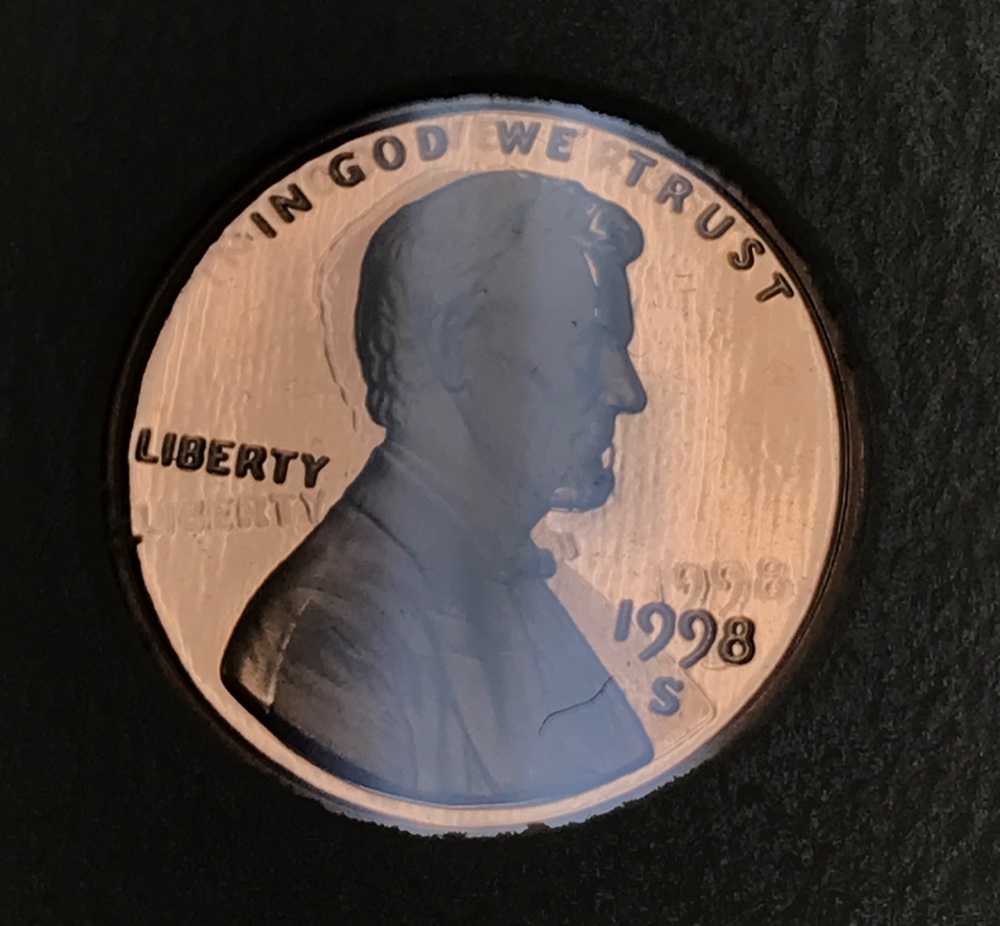 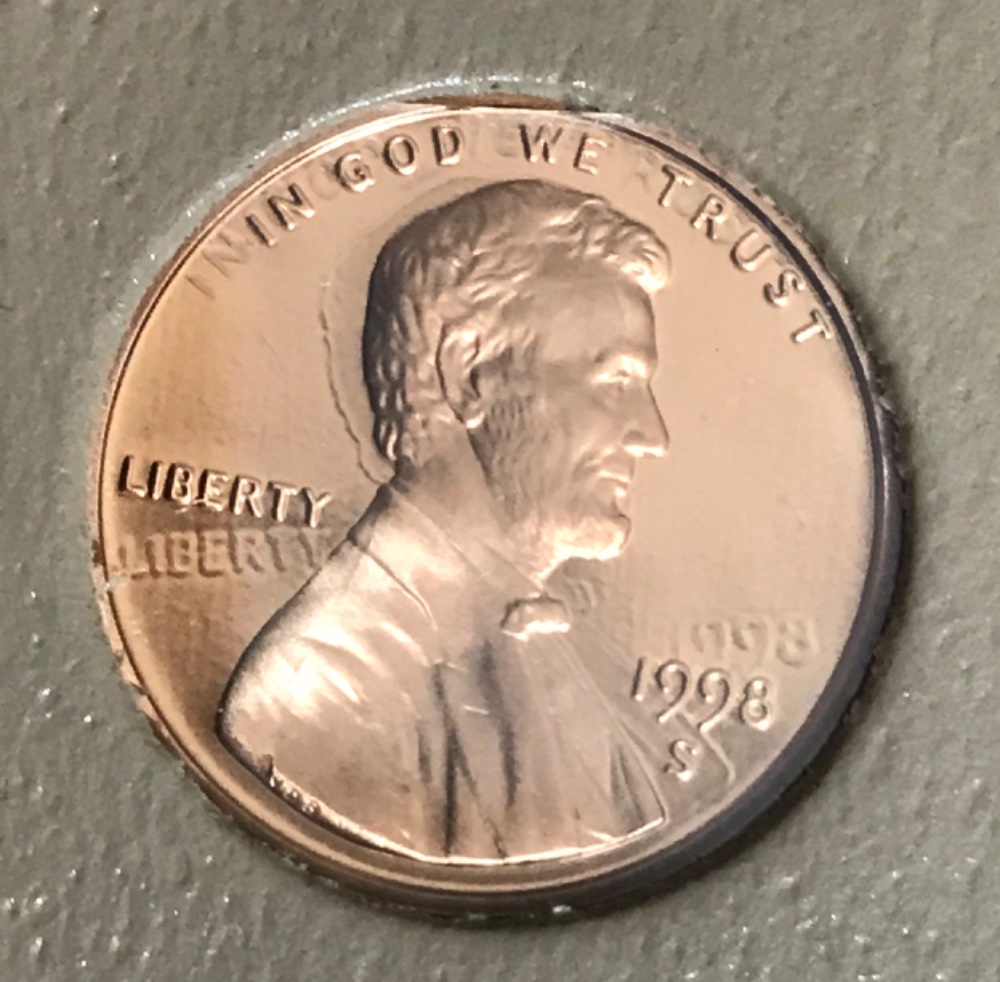 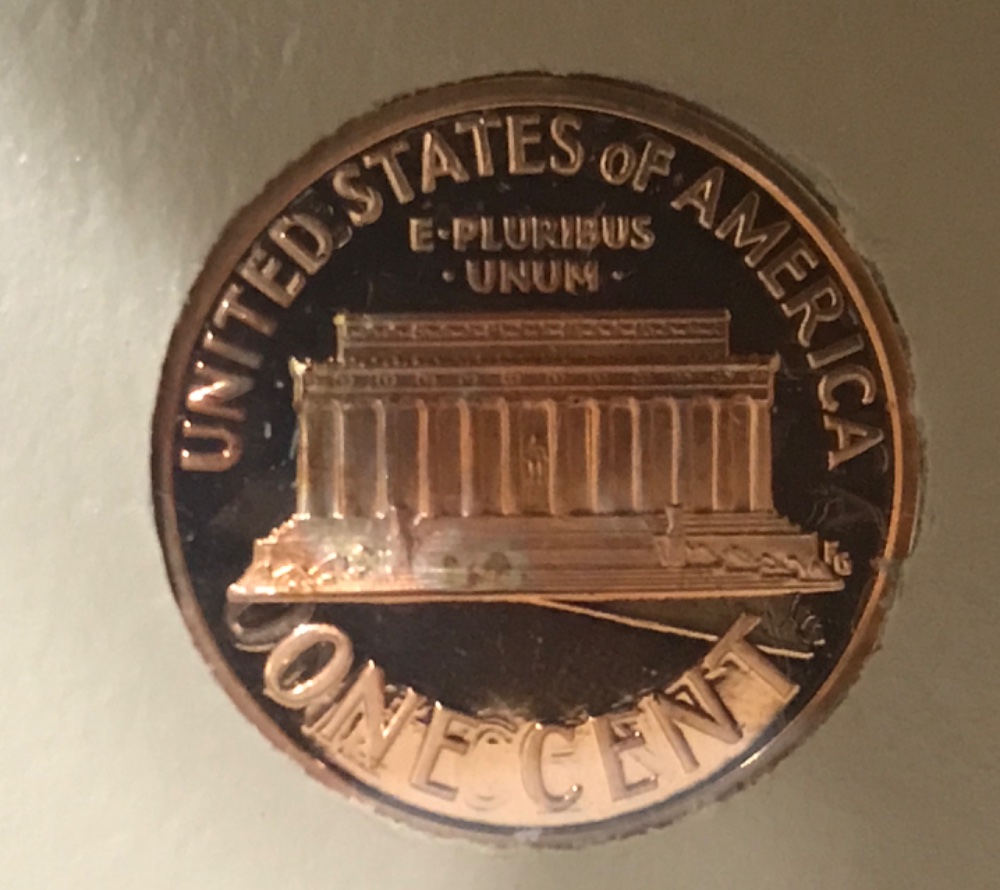 |
|
|
|
Pillar of the Community
United States
3003 Posts |
Congrats !WOW!  I pick this coin as COOL COIN of the day!  |
|
Pillar of the Community
 United States
2843 Posts |
Cool? Very!! Worth? Some guy is asking $2,499 for one of these on ebay.    |
|
New Member
 United States
11 Posts |
That'll be me. I just threw it up on ebay. |
|
Bedrock of the Community
United States
62064 Posts |
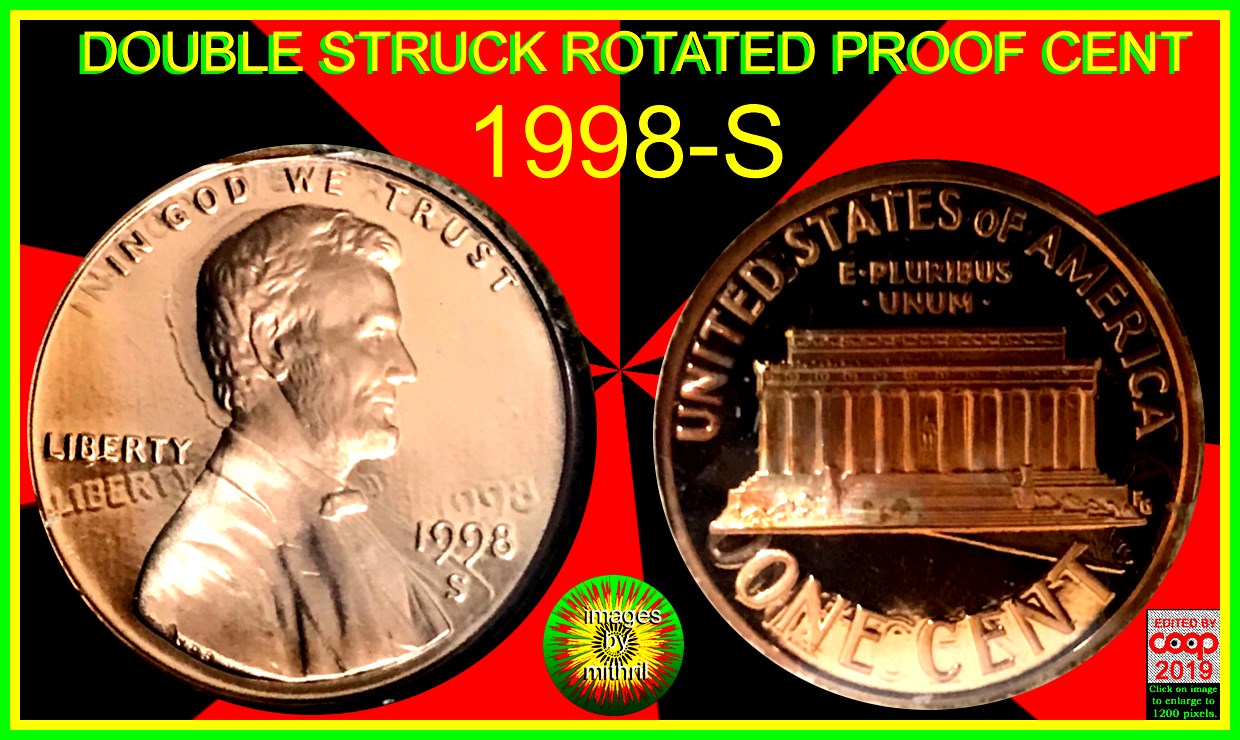 Very nice find. Tough to think how much this would go for. Very rare. |
|
Pillar of the Community
United States
4707 Posts |
Not in a TPG holder? I would think that would be wise at that price point. Those Chinese are making lots of stuff these days. Edited by jimbucks
03/05/2019 7:47 pm
|
|
Valued Member
United States
59 Posts |
That is really impressive and looks genuine. I think you will definitely get the most selling it in a third party slab, even though error coins cost more to certify you will more than get your money back.
Sean
|
|
Bedrock of the Community
United States
79471 Posts |
Great find! Probably a what we call a "once in a lifetime" find!
Errers and Varietys.
|
|
New Member
United States
11 Posts |
Quote:
Those Chinese are making lots of stuff these days. I had some experts who specialize in errors look at this coin. I was actually told a lot of prooflike errors come out of Bulgaria. Also, I was told most in collar double strikes don't rotate while it's in the die, they actually get ejected into the tote bin and then go back into the press later on. As a result, you will see lines or marks on the edge of the coin that were caused when the coin re-enters the chamber. This coin shows scuff marks around the edge which indicates it was ejected and then later re-entered the collar for the second strike. Because of this, the experts believe this coin is an authentic error. |
|
Pillar of the Community
United States
3511 Posts |
Are US proof coins really ejected into tote bins?
|
|
New Member
United States
11 Posts |
Whether it gets ejected into a tote bin or something else isn't the point. A "tote bin" may be incorrect. The point is the coin gets ejected from the collar and then re-enters later on for the second strike and the edge of the coin gets scuffed up re-entering the chamber. 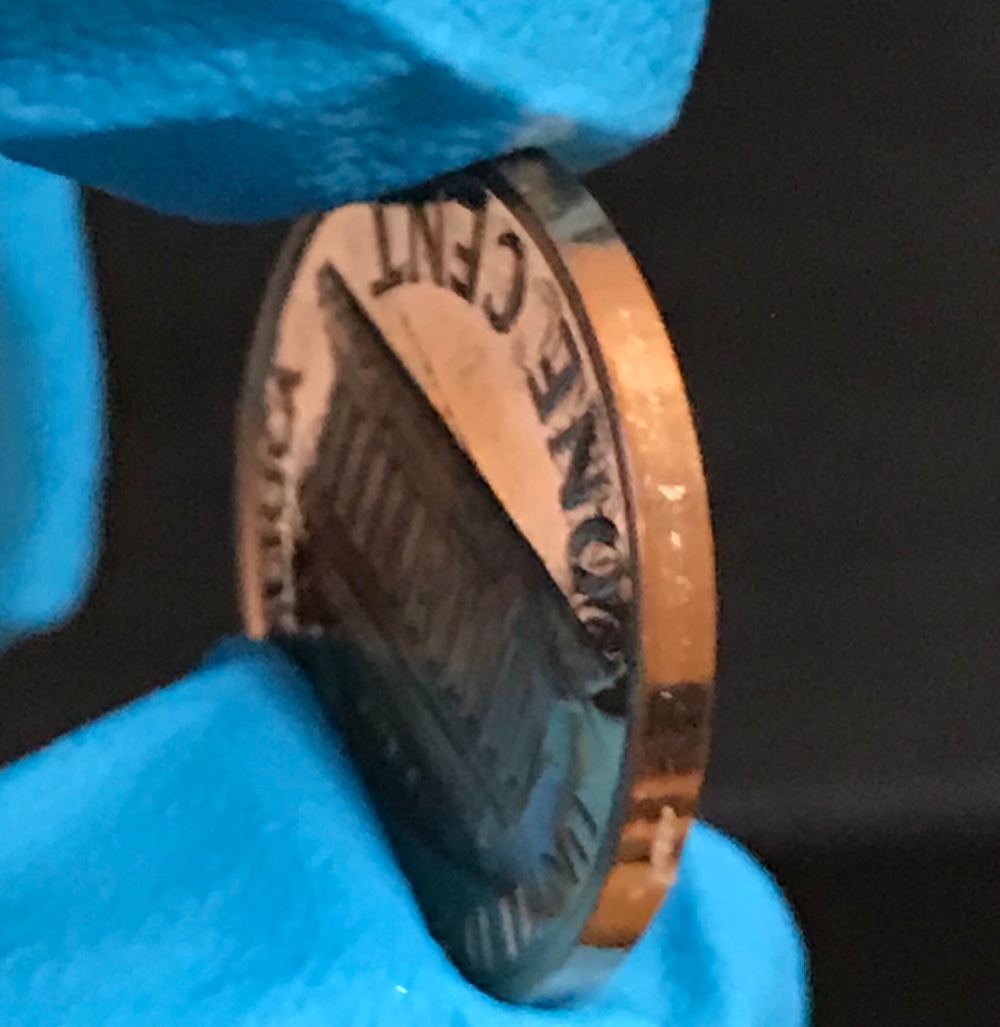 |
|
Bedrock of the Community
United States
62064 Posts |
This is not the first double struck proof cent. They are all double struck. But I found an image years ago of one double struck one time not in the collar. 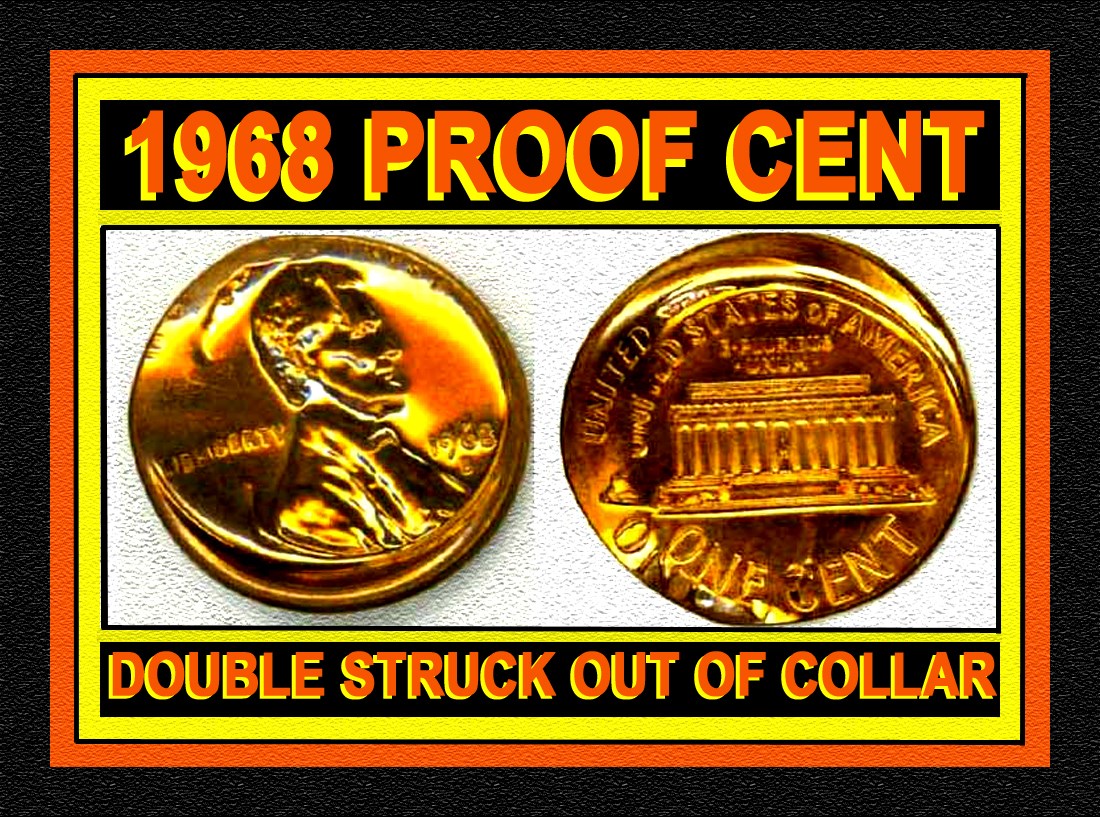 This is the only Two Cents I seen through the years in images. |
|
Pillar of the Community
United States
3511 Posts |
Apologies for the question, I'm just trying to understand how this might have happened.
|
|
Pillar of the Community
United States
2775 Posts |
Quote:
I was told most in collar double strikes don't rotate while it's in the die, they actually get ejected into the tote bin and then go back into the press later on. I'm no expert, but thought proofs were struck two or more times as needed back to back. They can move in process. To eject it after each strike and reenter and then align them one by one seems a tad bit labor and time consuming. Thanks, Doug. Adding: A mint assisted error is done by ejecting and reinserting manually. Edited by Halo1st
03/06/2019 11:41 am
|
|
New Member
United States
11 Posts |
Quote:
To eject it after each strike and reenter and then align them one by one seems a tad bit labor and time consuming. The coin is held in place in the collar for however many times it is struck by the die (this is being called the 'first strike' even though it may technically be 2 or 3 strikes in a row). It is then ejected from the collar. Later on, it somehow re-enters the chamber in a different position and is held in place by the collar while it gets struck however many more times (this is being called the "second strike"). How it re-entered the chamber after it was fully struck the first time is anyone's guess, but it is likely an error from a mint employee, whether it was intentional or not. I can imagine a coin unintentionally being transferred from the ejected "bin" back to the hopper of blank planchets to go through the die striking process all over again, this time at a different position. EDIT: Or the "experts" were wrong, and it actually did get struck once, rotated in the collar, and then struck a second time. I could see how the coin rotating in the collar would scuff up the edges more so then getting ejected and reentering the chamber. EDIT 2: But there was only about 15 degrees of rotation between the strikes, but there is more like 90 degrees of scuffing on the edge. Now I'm not sure what to think  Edited by mithril
03/06/2019 12:47 pm
|
|
Bedrock of the Community
United States
17884 Posts |
It couldn't have stayed in the collar between the first strike and then the rotated second strike. If it had then the anvil side would have remained "locked" into the die. Since both sides are rotated it must have left the collar between the strikings.
Possibility: It was struck, the anvil die rose up pushing it out of the collar but the feed fingers failed to function. The anvil die retracted leaving the coin suspended above the coining chamber (since the struck coin is exactly the same diameter as the hole in the collar it tends not to drop back in like a planchet would.) The hammer comes down forcing it back into the collar and in the process it rotates and the second strike is completed.
|
| |
Replies: 21 / Views: 3,811 |





 Posted 03/05/2019 7:11 pm





