@Coin Noob
From what I am seeing, you are spending quite a bit of time posting on this site and probably not getting a lot of results for your answers. A couple things I have noticed.
1. The grades written on a flip mean very little to any experienced collector, unless they know who wrote it on the flip. The coinsandcanada site actual auction prices are based on graded coins (assuming I have been told correctly). Which is why no one is mentioning the grades on the flips. High MS graded coins are really hard to accurately grade based on pictures and it is easy to manipulate the images to look better than they are, which is why people are careful when buying high grade coins that have not been graded by ICCS, PCGS, NGC and sometimes ANACS. In addition, sometimes people mislable MS and PL coins, for example a $0.25 1964 MS 65 is worth $30, while a 1964 PL65 is worth $10, this is because PL coins are very common, while MS coins are a bit more rare in high grades and in lower demand from collectors. It can be really hard to tell the difference between the two. This does not mean coins will never sell ungraded, but only that it is uncommon to do so at full value. For example, most of my 1953-1967 quarters are graded and were acquired for less than or at the cost of grading.
2.Collectors are good people to sell to as they will pay around market value, while dealers will only pay a fraction of market value, as they have costs and need to make a profit, otherwise they would not be a business.
I would suggest you take a day or two and organize the collection into the following groups:
Based on your description I would suggest:
1. Canada coins 1952 and earlier (this is likely where most of the value is)
2. Canada coins 1953-1967 (silver, but most of it will likely be melt value)
3. Canada coins 1968-present (most of it will be face value with exception of some rarities and high grades or Canadian Mint products)
4. World coins
5. Canadian bank notes
6. World bank notes
Your best value is likely going to be #1, I would suggest you make a list of what you have, estimate grades (as best you can) and tack on a price based on coinsandcanada actual auction prices. We can easily help you refine value from pictures from there. If you prefer to go the appraiser route, this is where they are going to add value for you. They can quickly sort through the good and bad and provide a rough value for you.
If you have any gold coins, note that as well.
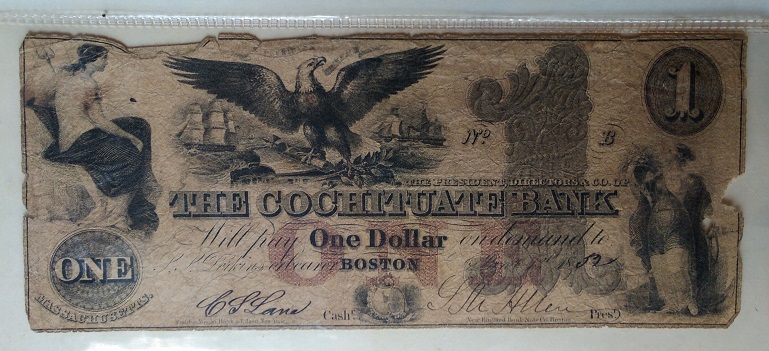
Post a list of your Canadian bank notes as well, these are relatively quick to value. If they are circulated/heavily circulated, almost everything 1967+ is worth face value (certain serial numbers are rare and have real value). Un-circulated notes can carry a premium for 1967 plus. Earlier notes in better grades can carry good value.
For the time being, I would ignore any canadian coin 1953+, put anything silver to the side.
At the start, there is a huge learning curve and it can be quite time consuming. Many will simply decide to sell to a dealer because the marginal gain is not worth the time/effort to get a few more dollars. Without knowing the size/scope it is hard to provide any advice on a good method for you.








 First Page


 Posted 04/25/2019 2:36 pm