| Author |
 Replies: 12 / Views: 5,909 Replies: 12 / Views: 5,909 |
|
|
New Member
United States
2 Posts |
Edited by Nevada42
04/29/2019 01:42 am
|
|
|
|
Pillar of the Community
United States
7322 Posts |
 to the forum...I'm sure a pro will be around soon to let you know...out of my field..good luck |
|
Valued Member
United States
66 Posts |
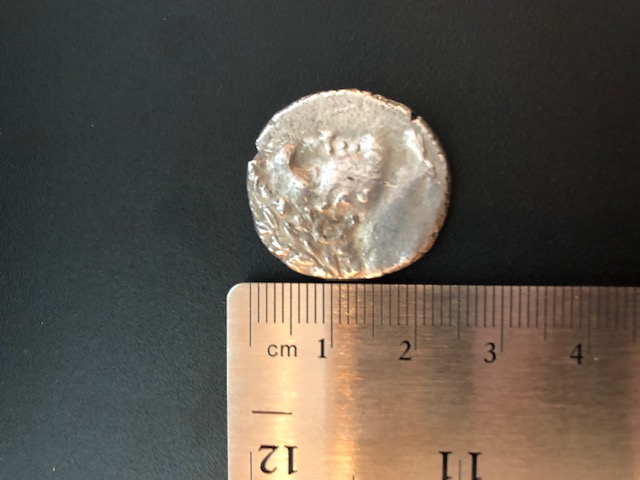
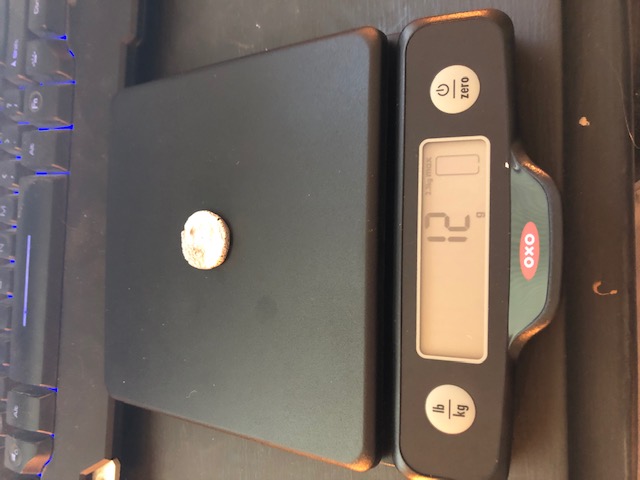
Size in millimeters and weight (if known) in grams, please.
|
|
Bedrock of the Community
Australia
21792 Posts |
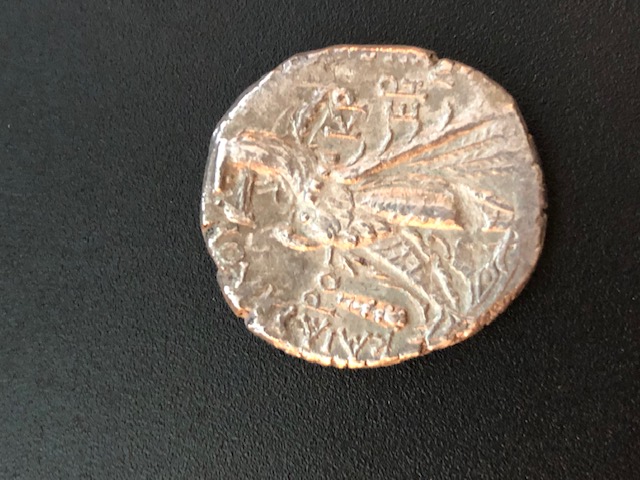
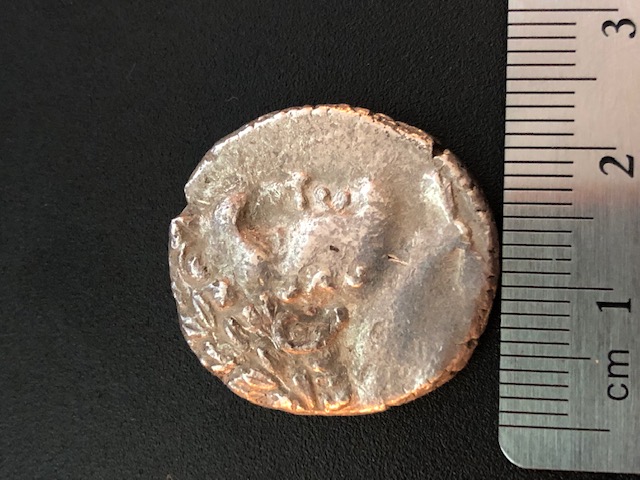
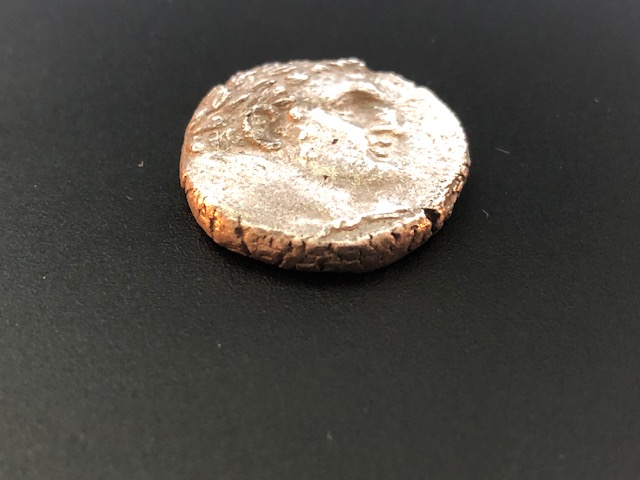
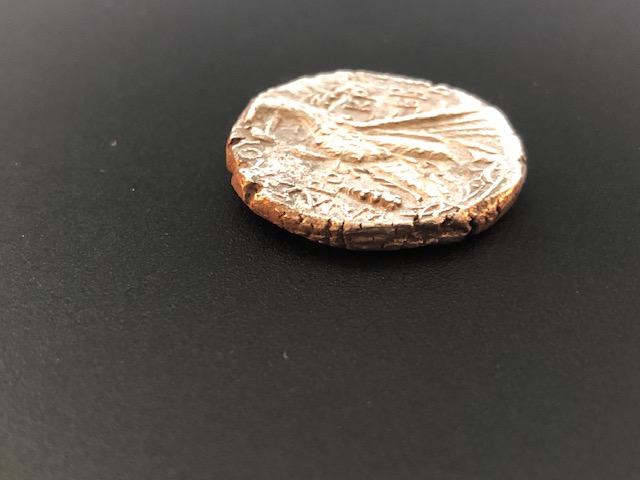
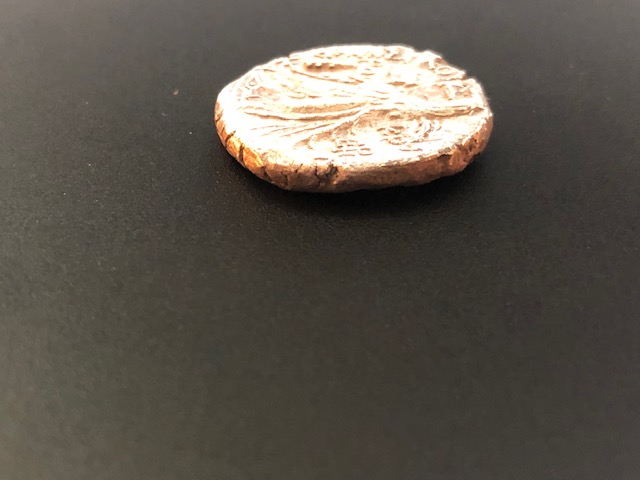
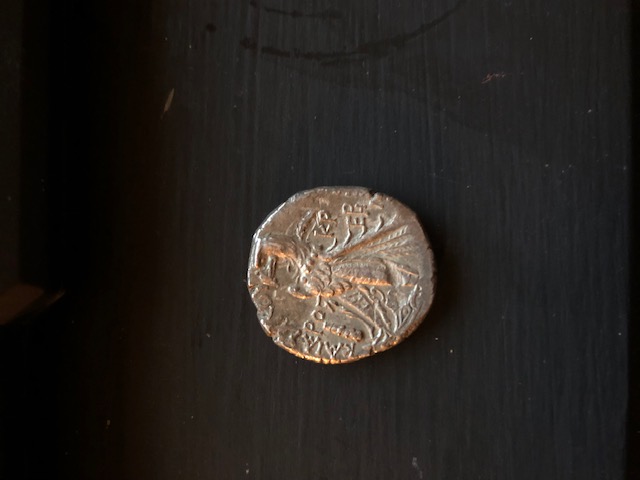
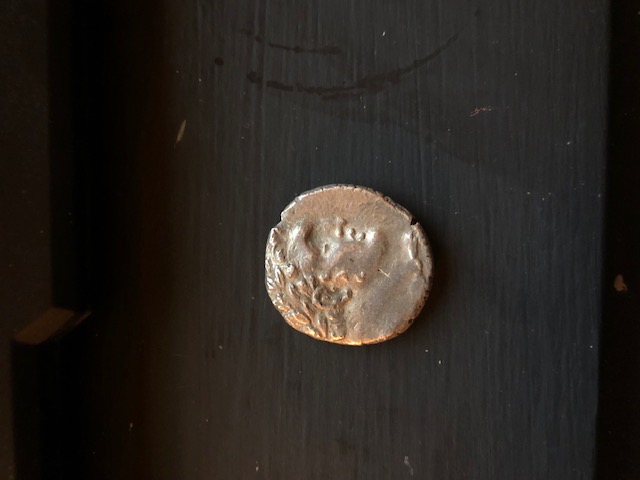
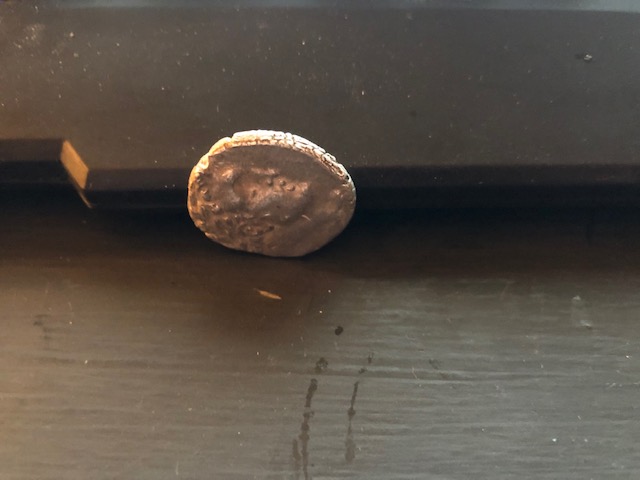
Nevada42: to the CCF ! These coins are frequently faked and sold to the tourist industry, due to their high significance in Biblical history. As such, genuine examples can be quite valuable, which leads to a high temptation for them to be faked. If is is a fake, it appears to be quite a good quality fake. I agree: weight and diameter need to be known. Lack of face detail on Melquart looks to be very indistinct, but I will not dismiss this coin on that feature alone. The edge detail suggests to me that the metals that make up the alloy have a difference in their melting points; some of the metal tries to be melted and some tries to be solid. The result is what you see in the edge picture. Tyrian shekels had a high percentage of silver in the alloy - round 95% - about as high as the ancient were able to obtain with their refining processes. Relative to what is written above an XRF test would be desirable. What you would be looking for on the alloy analysis is: silver percentage should be high - certainly more than 93%. The mix of other metals in the alloy. If it is only copper, then it can be safely assumed that the coin has been made from a modern controlled alloy. Edited by sel_69l
04/29/2019 07:39 am
|
|
New Member
39 Posts |
@Sel_69 That was a good observation of metal content. Is that mixture of metal with different melting points expected for ancient silver? I think most ancient silver from 400 BC to 150 AD should have very high silver content (95% or more) but they have some copper and other small impurities but would that small impurity can cause such edge?
|
|
Moderator
 United States
23731 Posts |
to the community I agree with the others, size and weight will e needed along with some larger images. |
|
Bedrock of the Community
Australia
21792 Posts |
Silver has a MP of 960 deg C,
Copper has a MP of 1083 deg C.
Tin has a MP of 232 deg C,
lead has a MP of 327 deg C.
If there is a significant amount of lead or tin in the alloy, the paste range would be large with of some metals melted and some not. A large amount of tin or lead would compromise the high silver purity of a genuine Tyrian shekel.
The 'cheesy' edge suggests a large paste range, but that needs to be confirmed with an XRF analysis.
It must be remembered that XRF is a non destructive test, and only analyses the reflected X-Rays from the surface of the coin for the metals and their %age present.
If the coin has been silver plated, XRF cannot analyse the proportion of metals underneath the plating.
Nevertheless the silver plating, if thick enough, should analyse as pure silver only. If a genuine coin, then all of the remaining 5% of trace metals should all show up in the analysis.
Most commercial gold bullion or scrap jewelry buyers should have a hand held XRF testing instrument. They will most probably charge a fee for their service.
Edited by sel_69l
04/29/2019 10:20 am
|
|
New Member
 United States
2 Posts |
|
|
CCF Advertiser
United States
1318 Posts |
You know, as an important coin, these are not just sitting around unclaimed with no tags. So I think you might be so kind as to tell us the pedigree as you must know where you got it. We can check the references and find where they got it from even as public coins are mostly visible transactions we can search online.
|
|
Moderator
United States
23731 Posts |
The edge looks right, however the weight is a light should be 14-14.5 gram. The bust detail is soft but that can be from wear. It's difficult to say for sure from a few pictures.
|
|
New Member
39 Posts |
|
|
Moderator
United States
195559 Posts |
to the Community! |
|
Bedrock of the Community
Australia
21792 Posts |
Take your coin to a local pharmacist, they may be interested enough to weigh your coin more accurately.
At 12 grams, the possibility of this example being fake increases.
echizento has advised correctly for accurate weight for Tyrian shekels of this period.
|
| |
Replies: 12 / Views: 5,909 |
|









 Posted 04/29/2019 06:04 am