| Author |
 Replies: 12 / Views: 1,125 Replies: 12 / Views: 1,125 |
|
|
Valued Member
United States
52 Posts |
I also wanted to share a photo of a 1949-D Penny that was also found in my coin jar. My photo skills needs tremendous improvement as you can see in the photograph. The color of the coin is the same on both sides as shown in the Lincoln Head photo. Is it possible for a penny of this vintage to retain its "almost" original luster? Warm Regards, 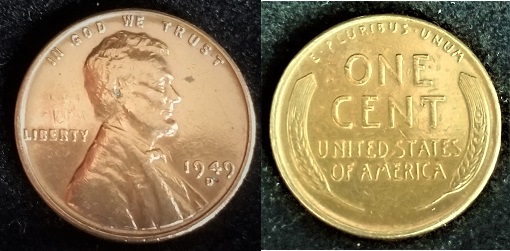 |
|
|
|
Rest in Peace
United States
18456 Posts |
Yes it's possible for a coin of this age to retain it's original luster although not too likely .  |
|
Pillar of the Community
United States
7343 Posts |
 with T-BOP, however your cent appears (to me) to have been polished on a buffing wheel. |
|
Pillar of the Community
United States
751 Posts |
Hold the coin by it's rim under a light source. Tilt the coin in a rocking motion. If the coin has original uncleaned luster, you should see a spoke rotating effect on the field of the coin.
If all you see is reflected light, without any pattern, it is likely the coin has been cleaned.
If possible can you post close up photos.
Dan
|
|
Pillar of the Community
United States
7343 Posts |
|
|
Bedrock of the Community
United States
94367 Posts |
I lean toward polishing as well. Can you show us larger pics?
|
|
Bedrock of the Community
United States
79378 Posts |
Has the look of being polished.
Errers and Varietys.
|
|
Pillar of the Community
5464 Posts |
Yes, coins (Lincoln Cents) much older then yours can retain their original luster. I agree with the others, the coins looks like it's been cleaned or dipped in something like Brasso.
|
|
Valued Member
 United States
52 Posts |
Thanks to all for your responses. It is truly appreciated.
I do not know how long I have had this coin sitting in my coin jar so I can only speak to what I have done since I found it. I was told that I should not apply any chemical or mechanical cleaning to the coins in my possession as it will definitley alter the surface characteristics. So instead, I use a cleaning cloth (similar to the one used for Eye Glasses) whereby I clean the coin as if it were an Eye Glass lens.
Is there a less abrasive method method than what I am do doing?
|
|
Bedrock of the Community
United States
62064 Posts |
Best to leave BU coins alone. To make a coin shiny again removes the original surface. Rubbing put wear on the higher points of the coin. Buffing a coin reduces the original surface and wears down devices. 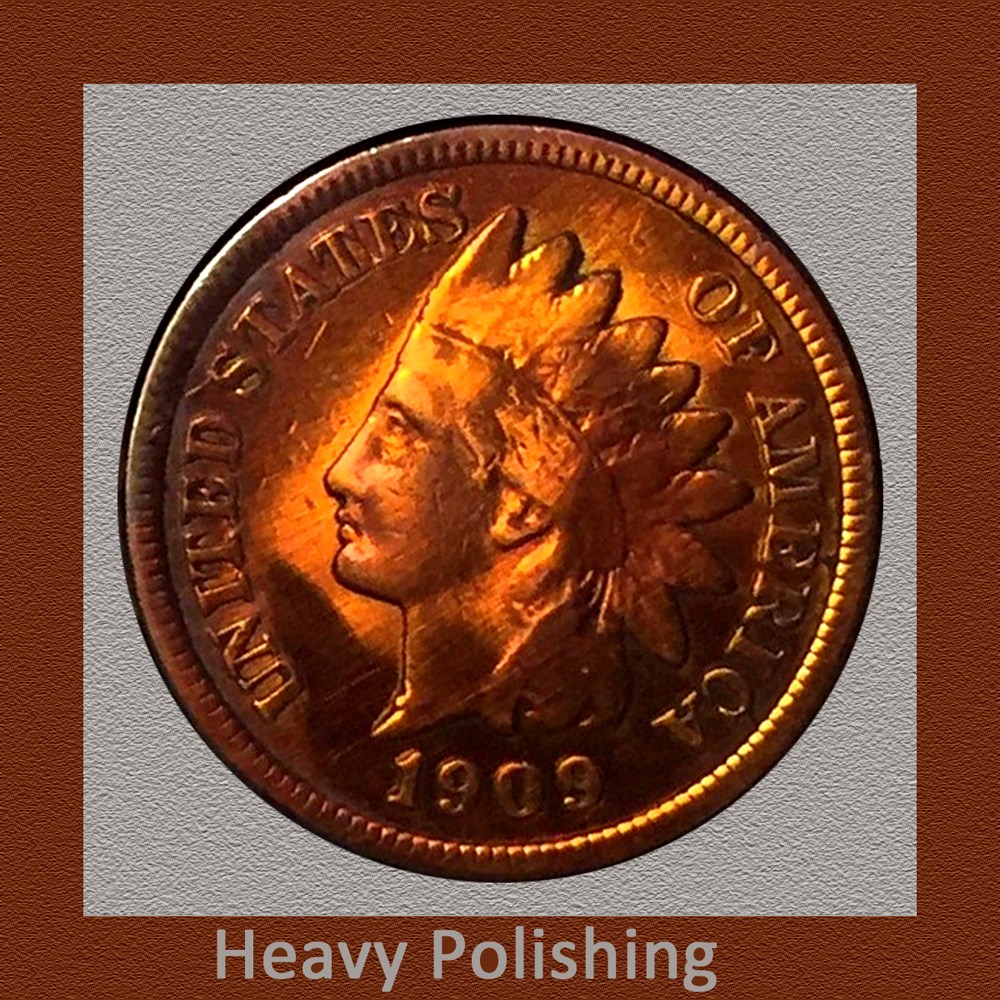 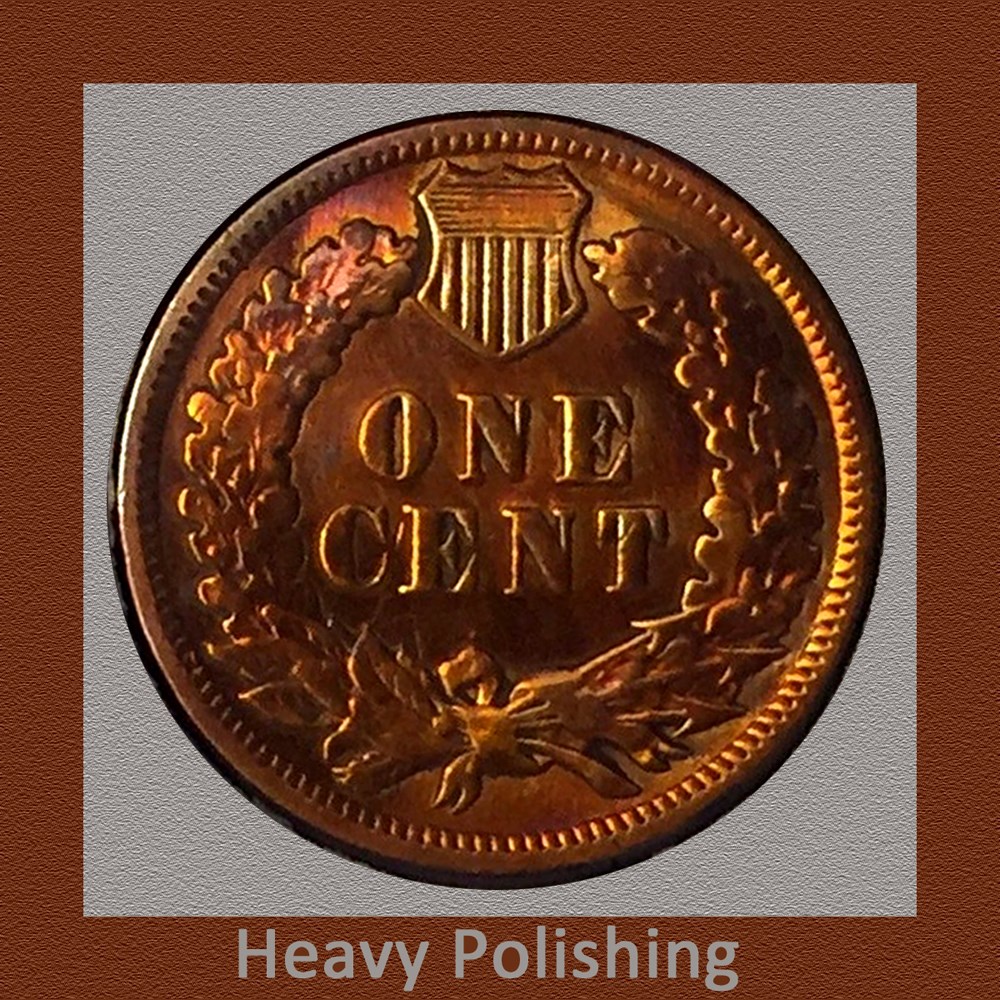 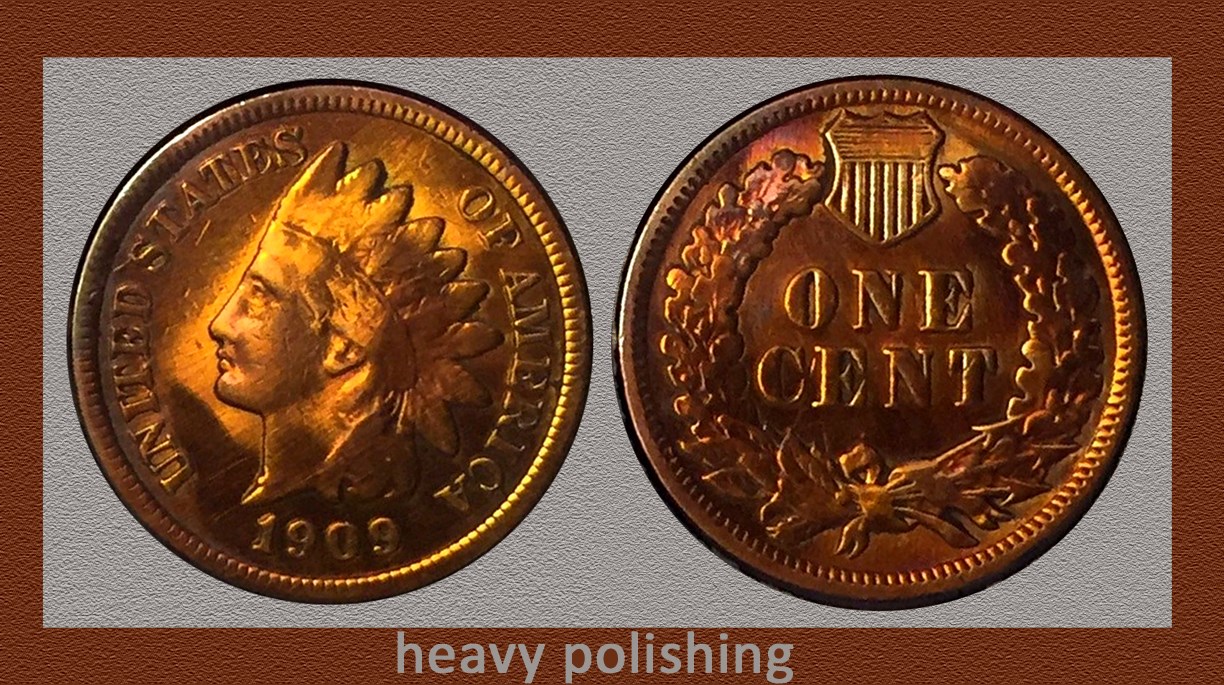 While the coin looks shiny, it it ruined to a true collector. Won't get a grade from the graders like PCGS. Cleaned and polished coins are often slabbed as "genuine" with no grade on them. Best to leave a coin alone unless you want to mess them up. Practice on a common circulation coin to know what they will turn into in time. But if you have a BU coin protect them. 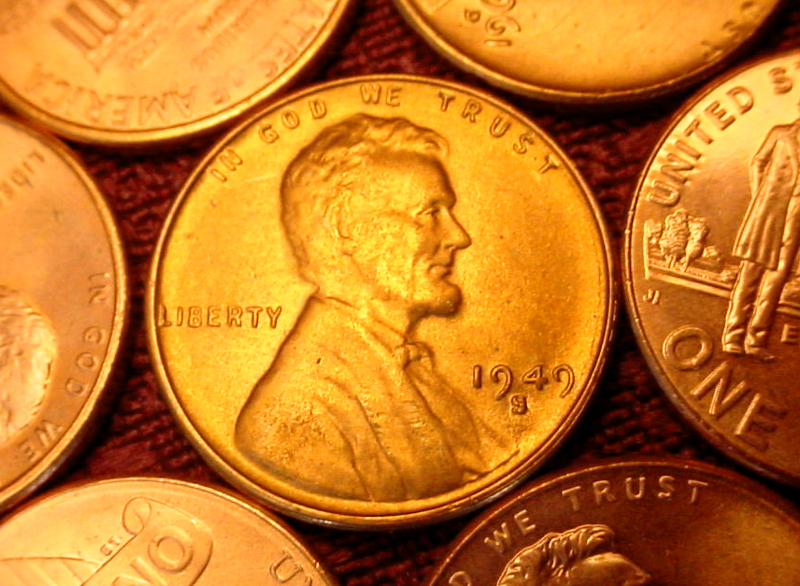 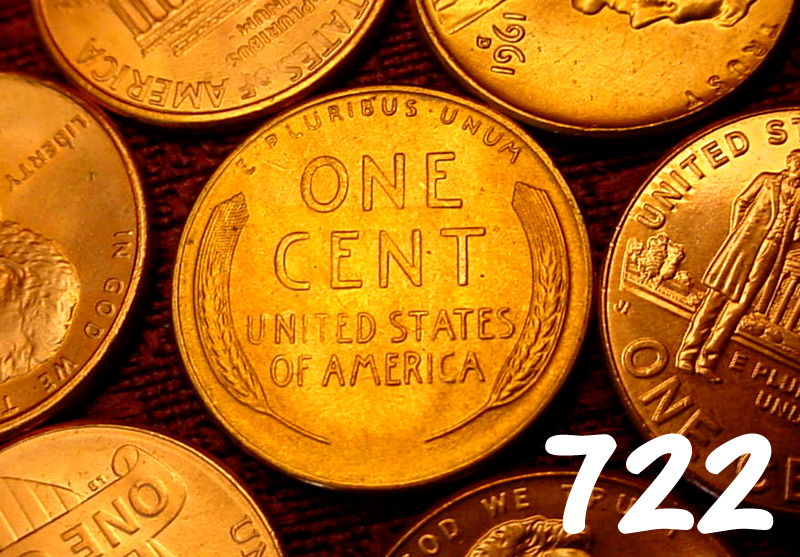 I have several from 1949 that are BU coins. They have been stored for 70 years in various collections. |
|
Pillar of the Community
5464 Posts |
Quote:
I was told that I should not apply any chemical or mechanical cleaning to the coins in my possession as it will definitley alter the surface characteristics. That is correct. Quote:
I use a cleaning cloth (similar to the one used for Eye Glasses) whereby I clean the coin as if it were an Eye Glass lens. Wrong. Don't do that either. Quote:
Is there a less abrasive method method than what I am do doing? Use "zero" abrasives. You can dip it in acetone. Dab the coin surface lightly VERY lightly with a soft VERY soft cloth, don't rub! That's it. |
|
Bedrock of the Community
United States
62064 Posts |
I would not touch a BU coin. Why mess up what is there and drop the value. If any surface is removed, then luster goes away. Time will tell, even on acetone dipped coins.
|
|
Valued Member
United States
52 Posts |
Coop,
Once again, Thanks for the tutorial. I really do appreciate your feedback.
|
| |
Replies: 12 / Views: 1,125 |
|







 Posted 05/07/2019 1:30 pm





