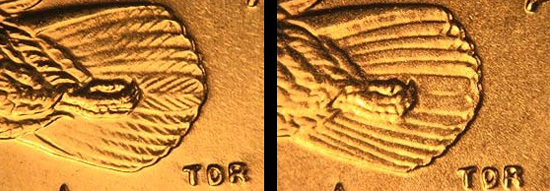
Check on the internet for images of the Cheerios Dollar, the key to identifying is the amount of detail on the reverse, but especially the eagles claw and tail feathers where it's most obvious, the tail feathers are way more detailed than the regular 2000P SACS.
Reverse designer Tom Rogers said in an interview he had with Tom DeLorey on June 3, 2005. Tom DeLorey wrote: "He (Rogers) said that the design change in the tail feathers was made very late in the design process, probably in late October, though he would have to check his notebook to be sure. Business strike production began Nov. 18th or 19th. The reason for the change was to make the tail feathers appear lighter in color, compared to the body of the eagle. An eagle's tail feathers are white. He said the original trial strikes made them look too brown. He smoothed down the lines that stick out at a 45 degree angle from the veins, and then somebody told him to replace the raised vein in the middle feather with a recessed one so it wouldn't stand out by itself."
"Vein" being the center stem of the feathers, and "lines" being the feather detail running off the center feather stem.
And for cherry pickers interested, but scared of getting scammed because you can't see the reverse in the pacaging by someone switching coins in the packaging, or it just not being the 1999 reverse pattern coin. I got this from small dollars .com
"When purchasing a "Cheerios Dollar" still in its original holder, it would prudent to remember that not all "Cheerios Dollars" are the "Reverse of 1999" pattern. It would also be possible for an unscrupulous person to place a regular
Sacagawea dollar in a Cheerios package so be sure to check the package for signs of tampering. Since the reverse of the Dollar is not visible when still in an original Cheerios package, it would be helpful to have a die marker on the obverse that would identify a "Reverse of 1999".
Tom DeLorey has identified such a marker. He noticed it while examining three of the coins - two in NGC slabs and one still in the original Cheerios holder. Tom says, "Having the two slabbed pieces side by side, I noticed some die polish coming out into the field from her coat immediately below the P mint mark! Now that we knew what to look for, we could see it on the one still in the original plastic as well. It is faint, but there. This should be usable as a diagnostic to determine that other pieces still in the original plastic are from the pattern die pair!"
As Tom said, "it is faint", but it can be seen with a 5X glass if you tilt the coin just right under good lighting. To date, this marker has been seen on all "Reverse of 1999"
Sacagawea dollars examined. This obverse die marker can be a helpful tool in determining if a Cheerios Dollar that is still in the original package is the "Reverse of 1999" or not, however, NOTHING takes the place of seeing the reverse so you can be 100% certain that you're getting the coin you expect."




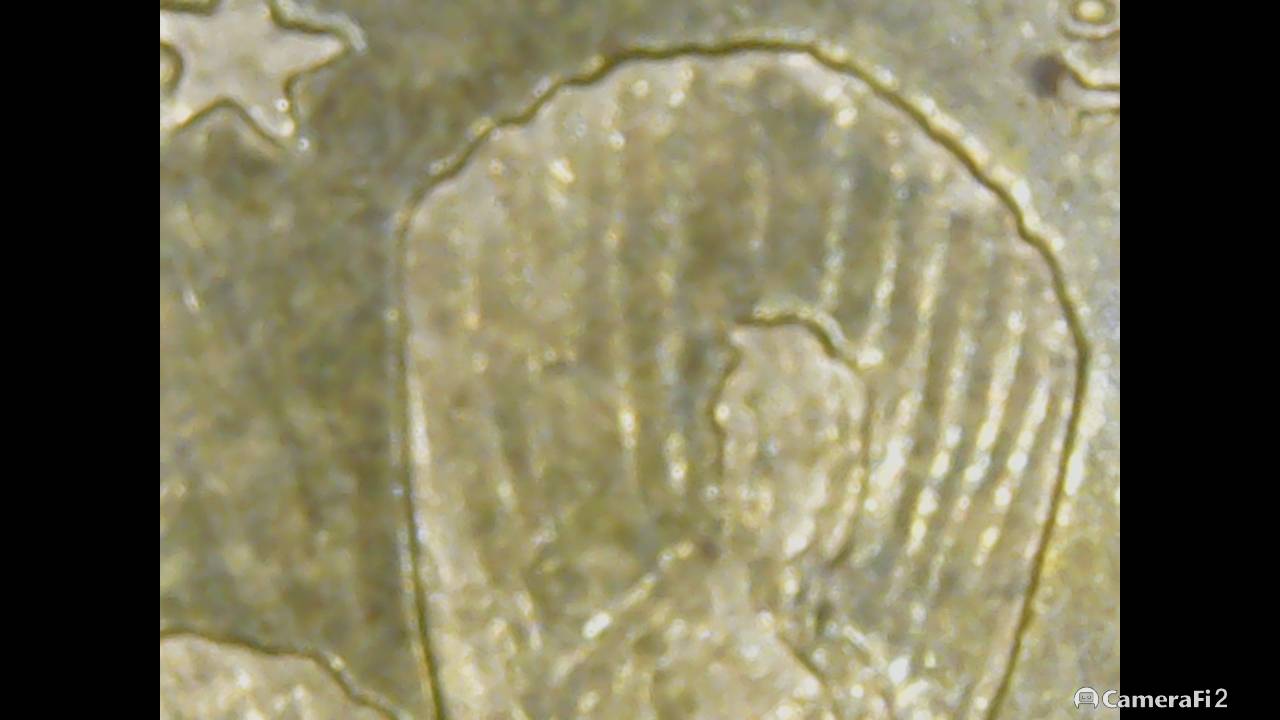
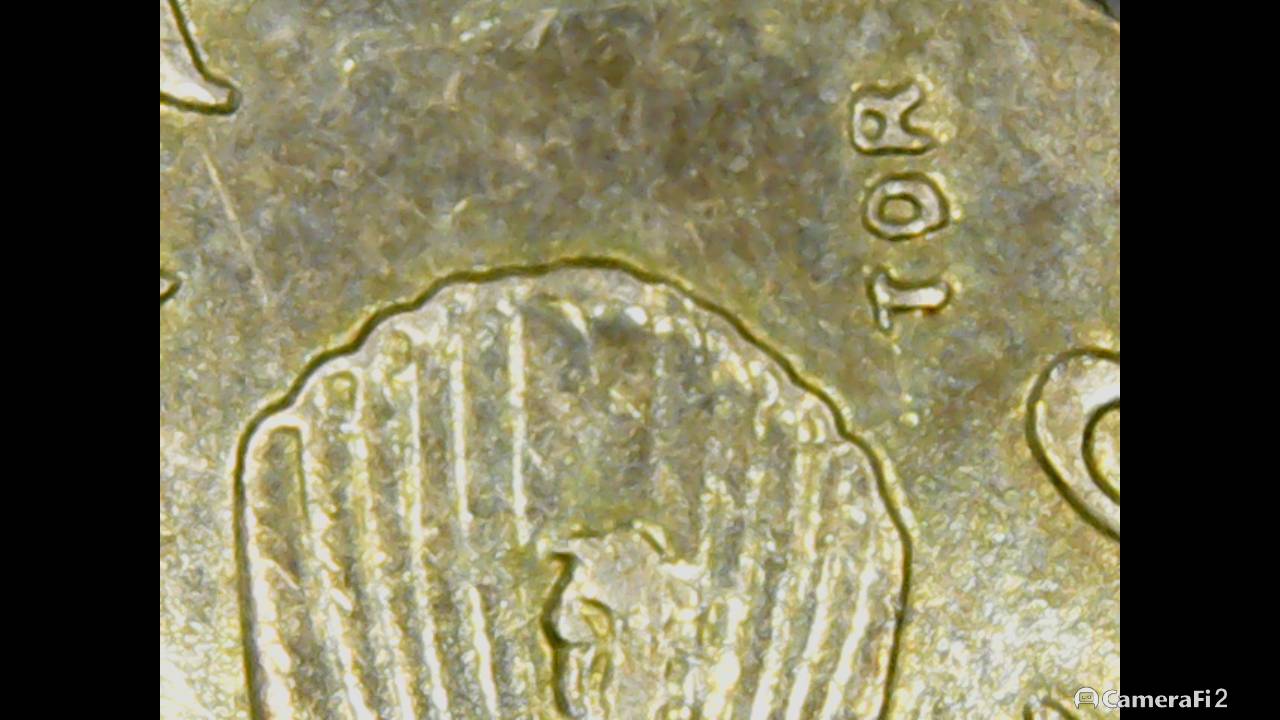
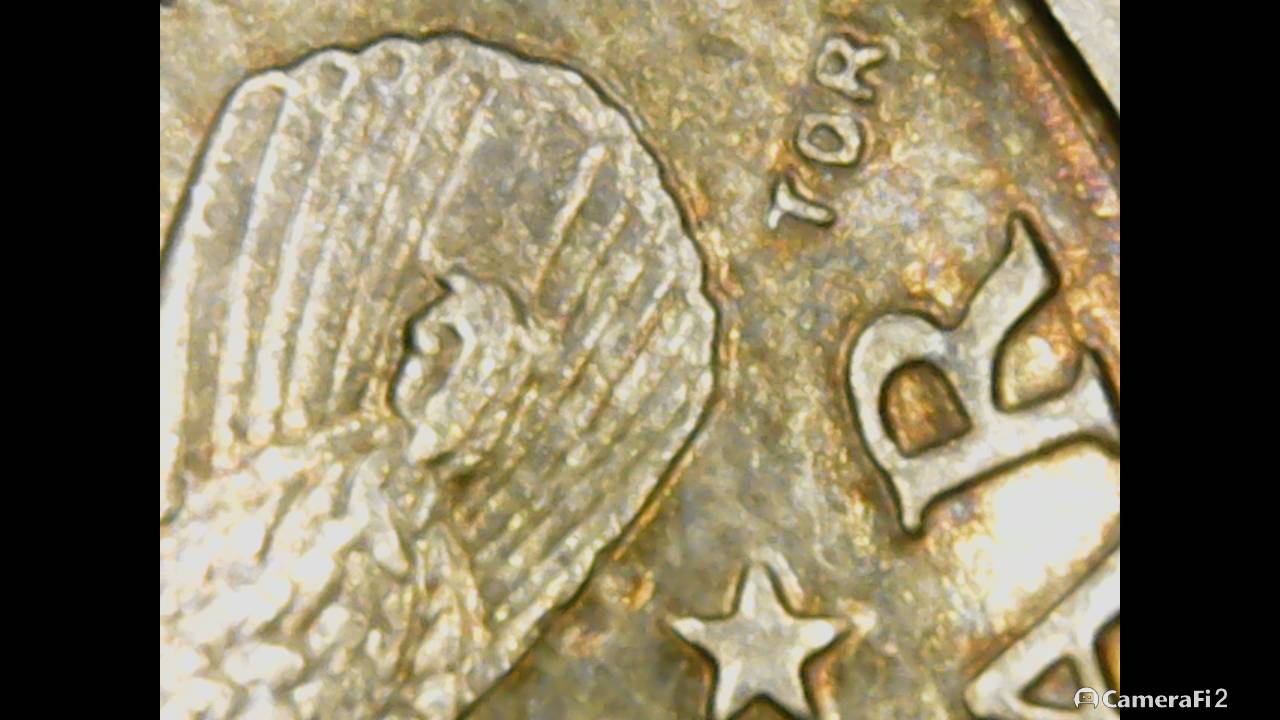


 to CCF. Please rotate and crop photos properly before posting. Here is a link


 Posted 06/12/2019 07:30 am