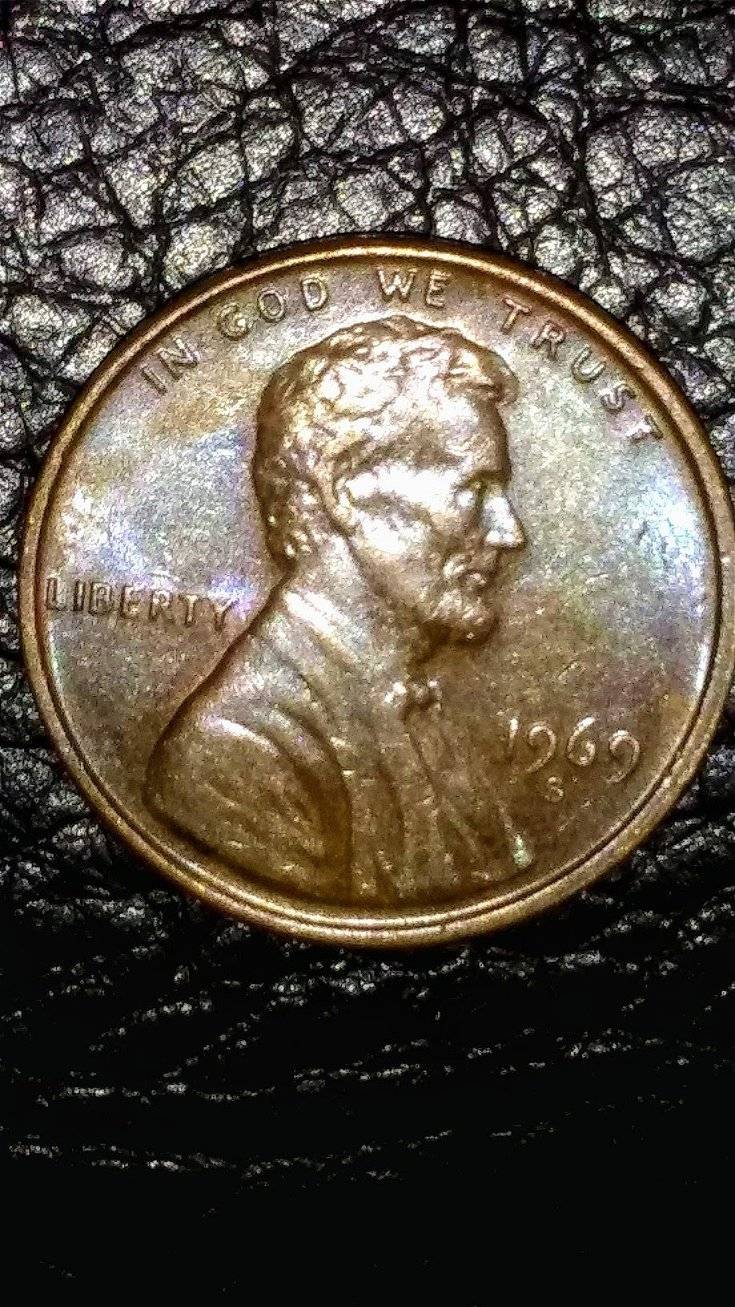
That on is a normal looking example. The big
DDO is easily seen looking even that close:
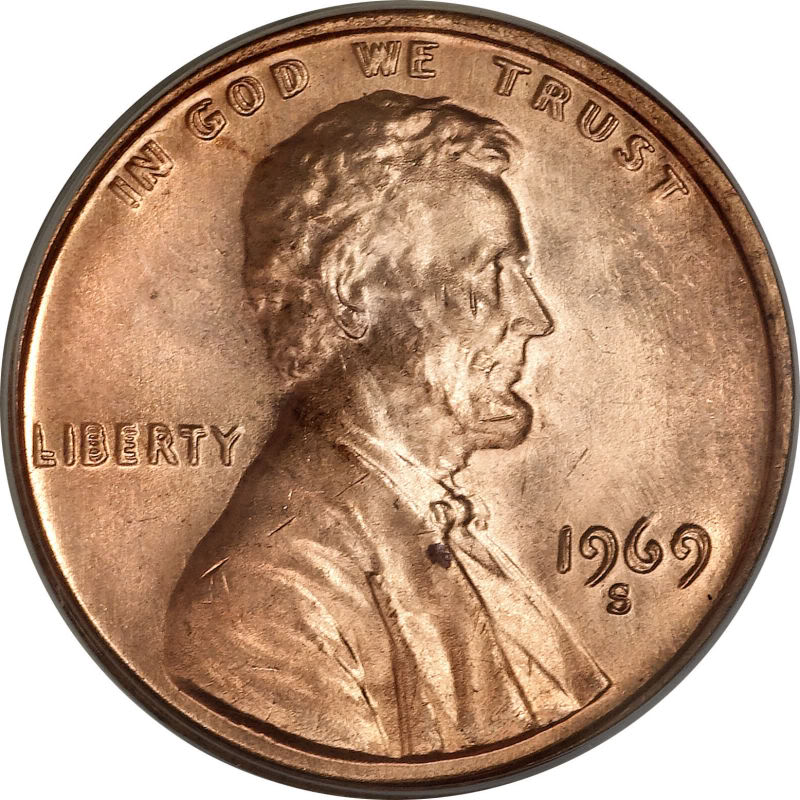
Note it is not just the date that is affected. All the devices on the obverse are showing hub doubling. Keep in mind also the the 1968-1972 cents have a lot of
Machine Doubling on them. Even the true doubled dies have
Machine Doubling on them as well. But on all dies
Machine Doubling can happen, because it happens after the striking of the coin. So even a hub doubled example can show MD on them:
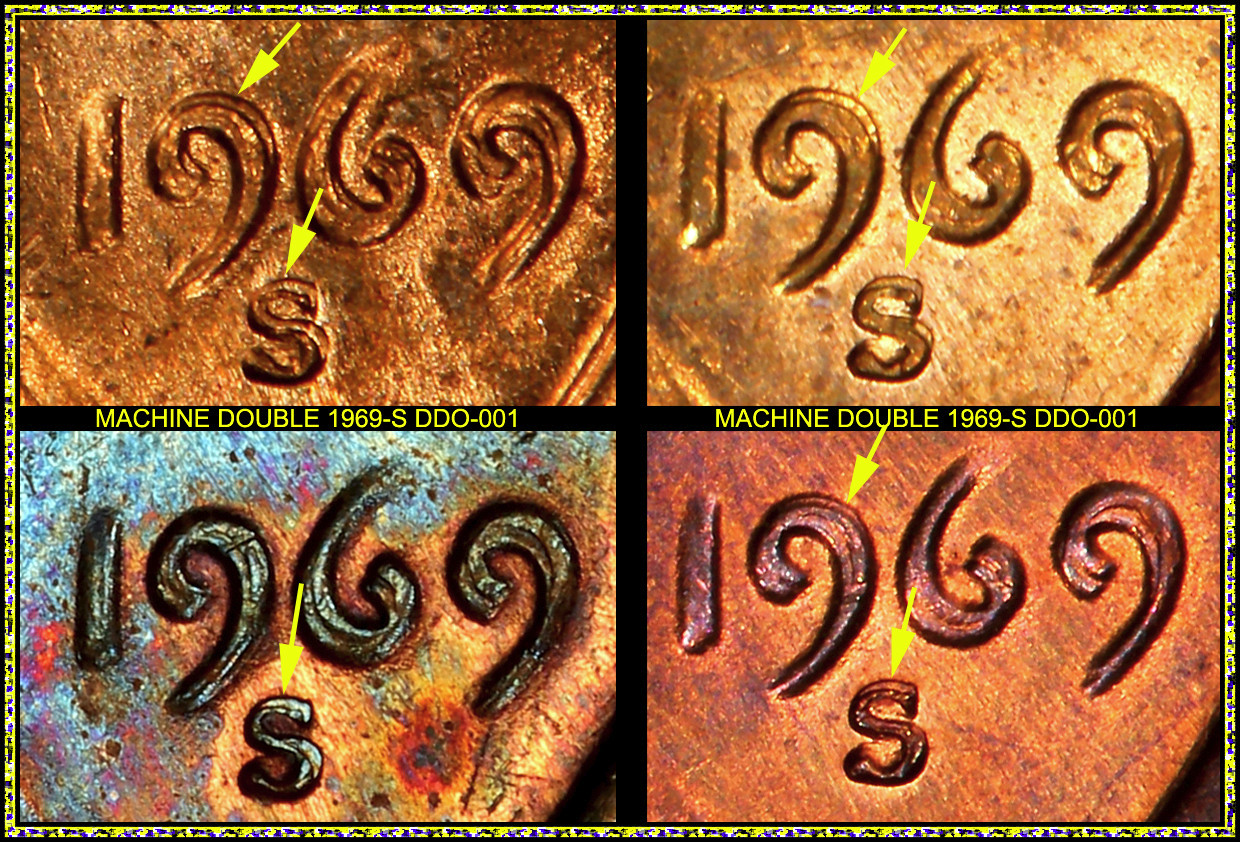
Note the yellow arrows, those are
Machine Doubling on a doubled die. On the PCGS site, I counted over 130 normal coins that had
Machine Doubling on them being graded, and they were just normal coins and were given a grade as a normal coin. So 130 we know of have turned in machine doubled examples thinking is many people thought they were doubled dies but they are not:
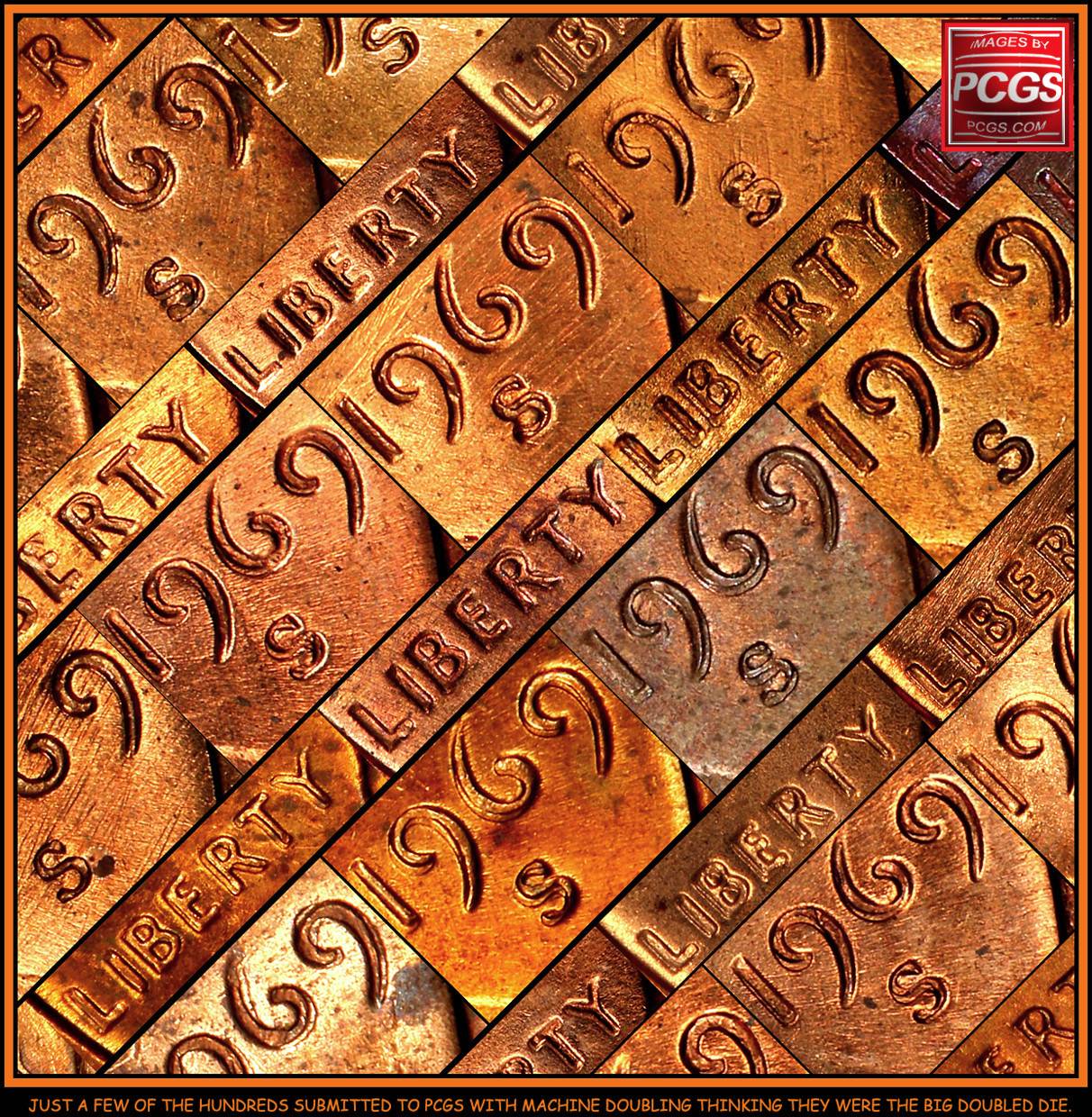
So looking hard at the date area only they missing the point, it is not just the date area that is affected. Take another look at the image I posted first. There were 544,375,000 of these coins struck so they are common. But less than 100
DDO examples known. So they are not all doubled dies, but often are
Machine Doubling examples.
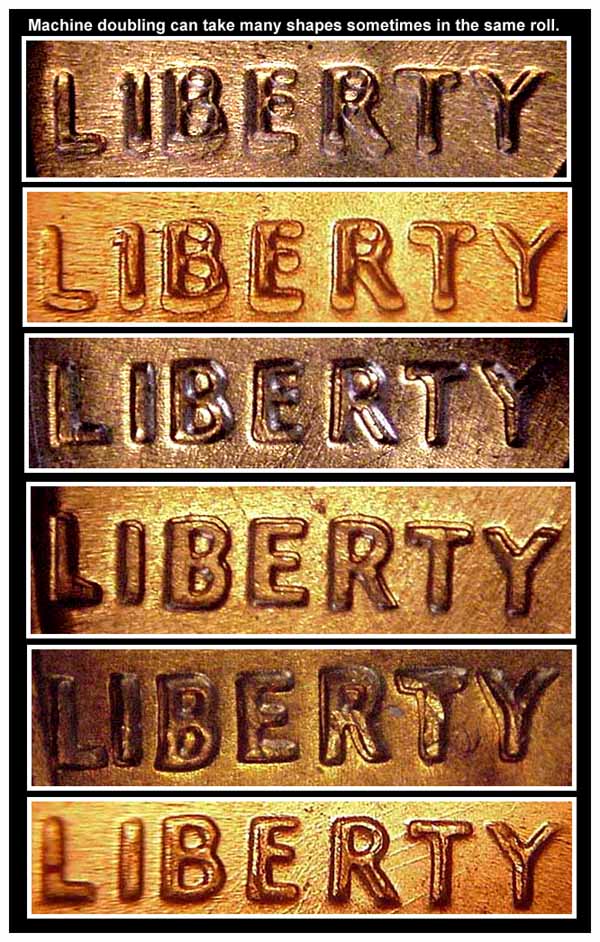
These are not doubled dies, but damage to the coin after the coin was struck by the machine that just struck them. Hope this helps.










 Posted 07/14/2019 9:24 pm


