First Page


 Posted 08/16/2019 8:04 pm


Ok ,lets look at this .
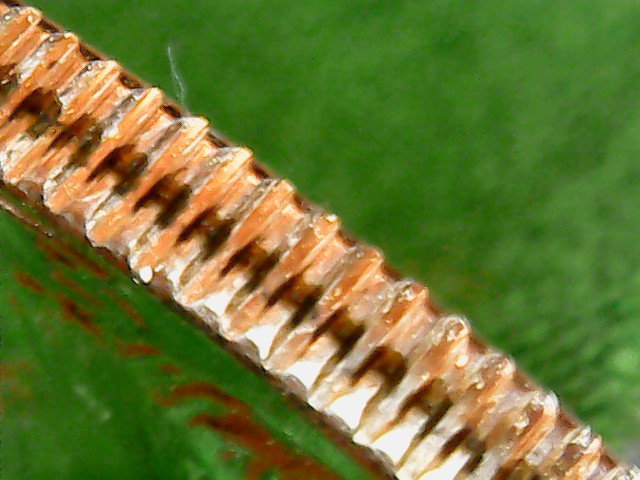
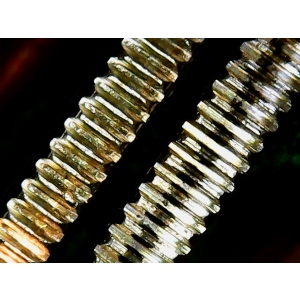
The planchet was punched from a coin metal sheet. This process will actually leave a slight protruding ridge in the middle of the then blanks edge. This ridge is one of the things to look for with a curved clip. So far there is no groove around the coin.
Next , the upsetting mill rolls the blank to give it a protorim and the exact diameter for feeding into the striikinng chamber.when this is done the blank becomes a planchet. For the groove to happen at this point , a upstanding ridge would have to be present on the wheels of the upsetting machine. Not something that I have heard of.
The next step is the striking chamber where if this anomaly were to form there , a ridge would have to be present on the collar, though if that were the case the finished coin would never get ejected from the collar.
This is why I said that I didn't know how it could have happened until after the strike.
The planchet was punched from a coin metal sheet. This process will actually leave a slight protruding ridge in the middle of the then blanks edge. This ridge is one of the things to look for with a curved clip. So far there is no groove around the coin.
Next , the upsetting mill rolls the blank to give it a protorim and the exact diameter for feeding into the striikinng chamber.when this is done the blank becomes a planchet. For the groove to happen at this point , a upstanding ridge would have to be present on the wheels of the upsetting machine. Not something that I have heard of.
The next step is the striking chamber where if this anomaly were to form there , a ridge would have to be present on the collar, though if that were the case the finished coin would never get ejected from the collar.
This is why I said that I didn't know how it could have happened until after the strike.