| Author |
 Replies: 19 / Views: 6,198 Replies: 19 / Views: 6,198 |
|
Pillar of the Community
United States
5227 Posts |
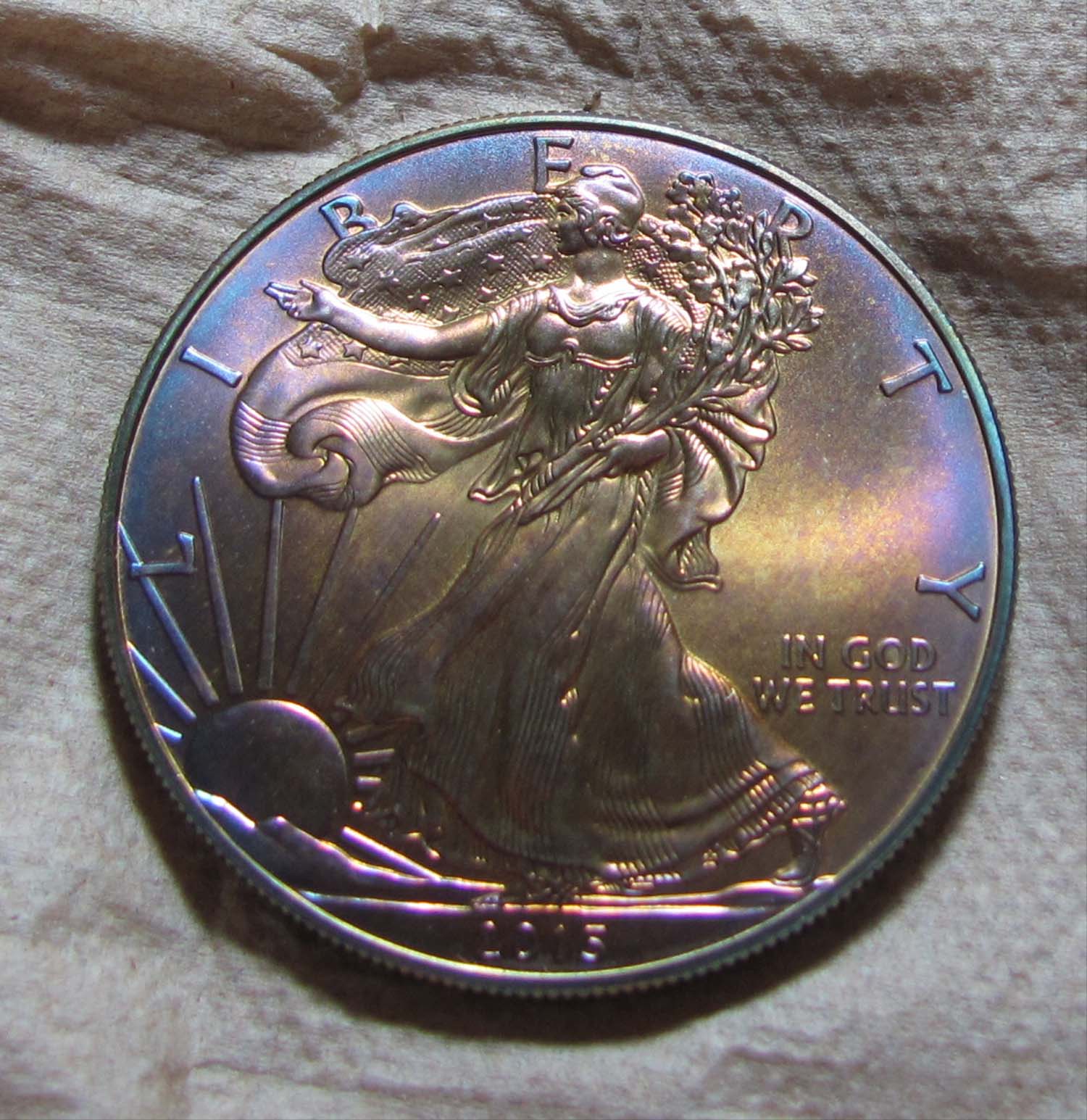
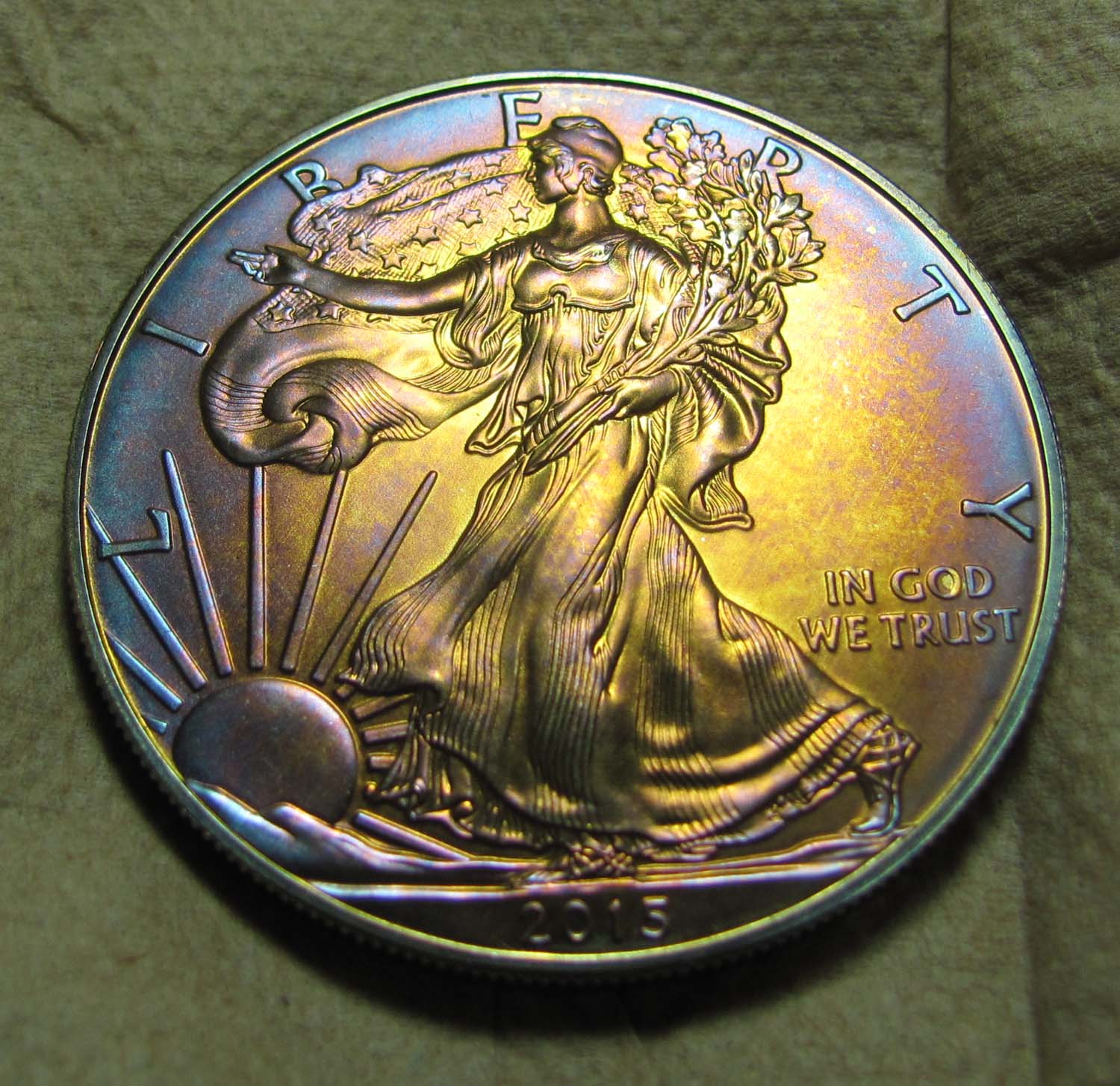
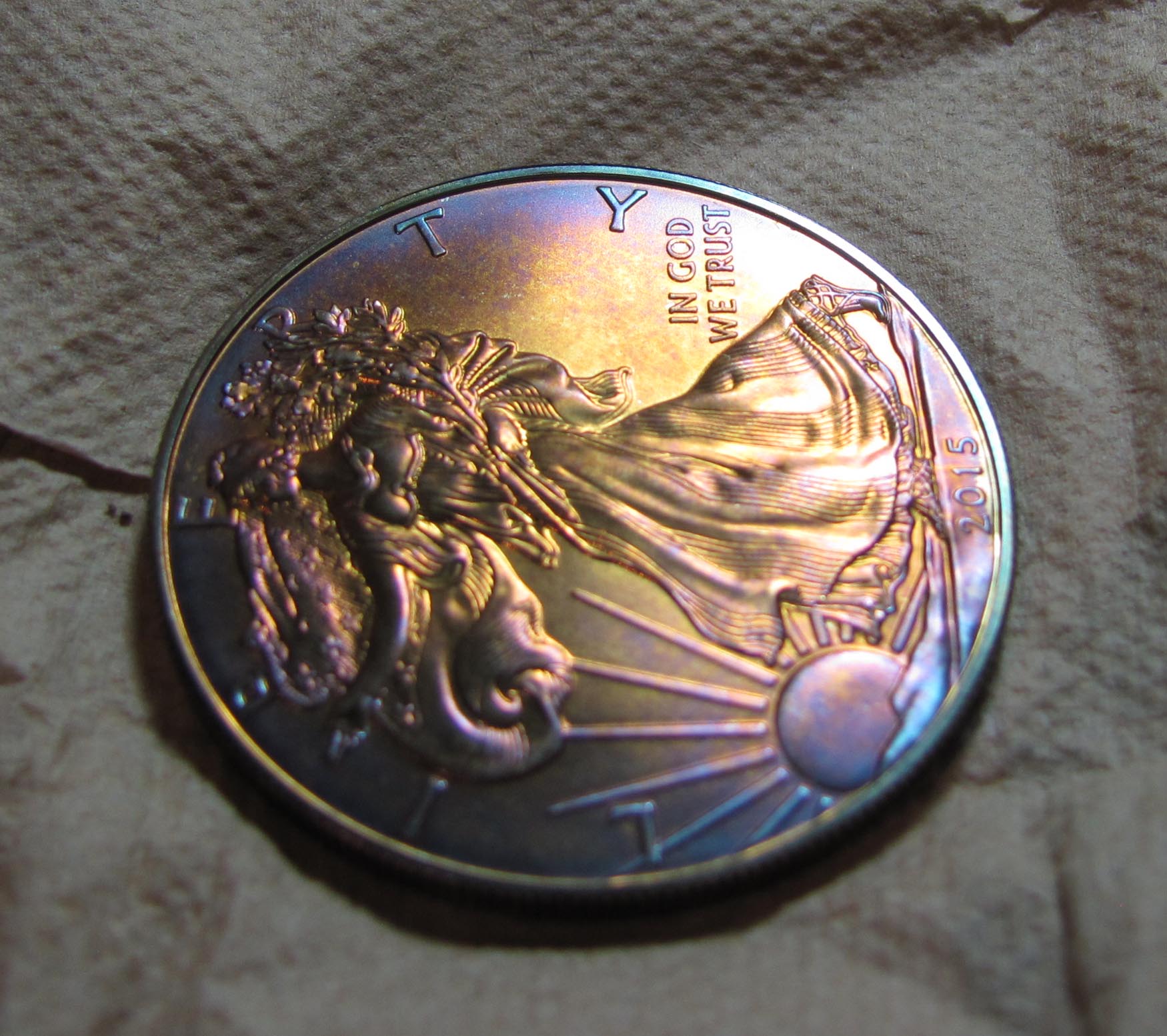
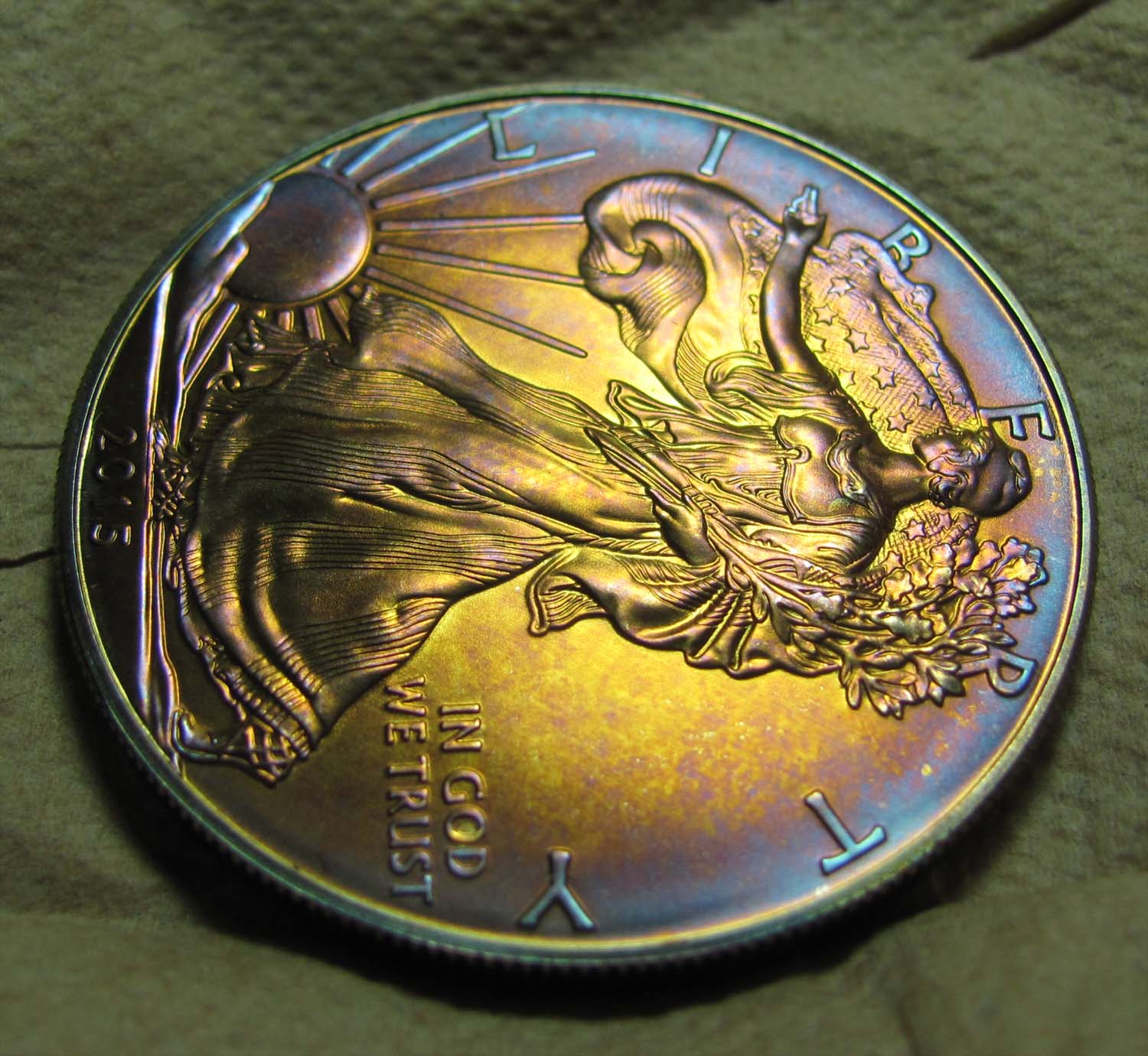
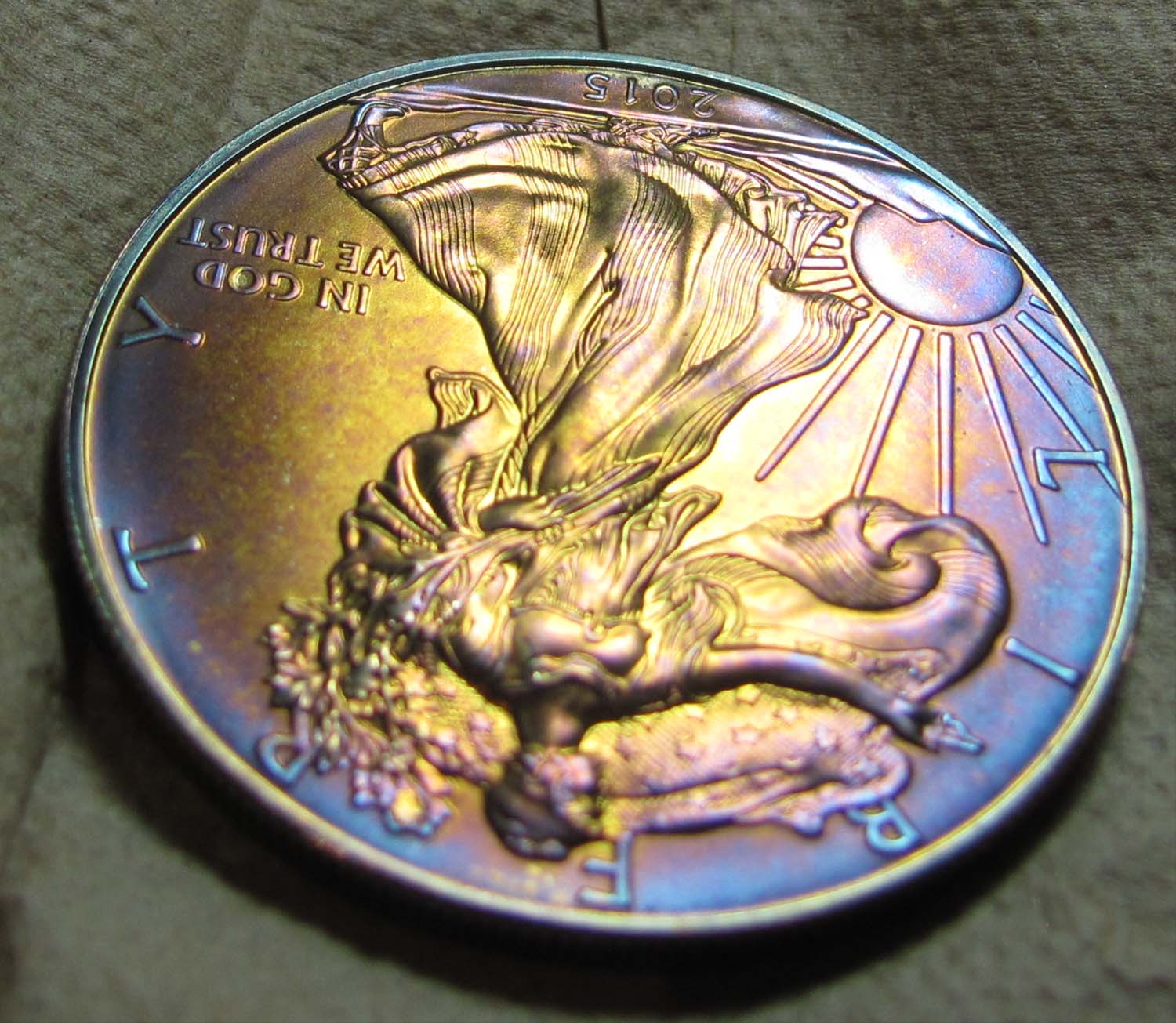
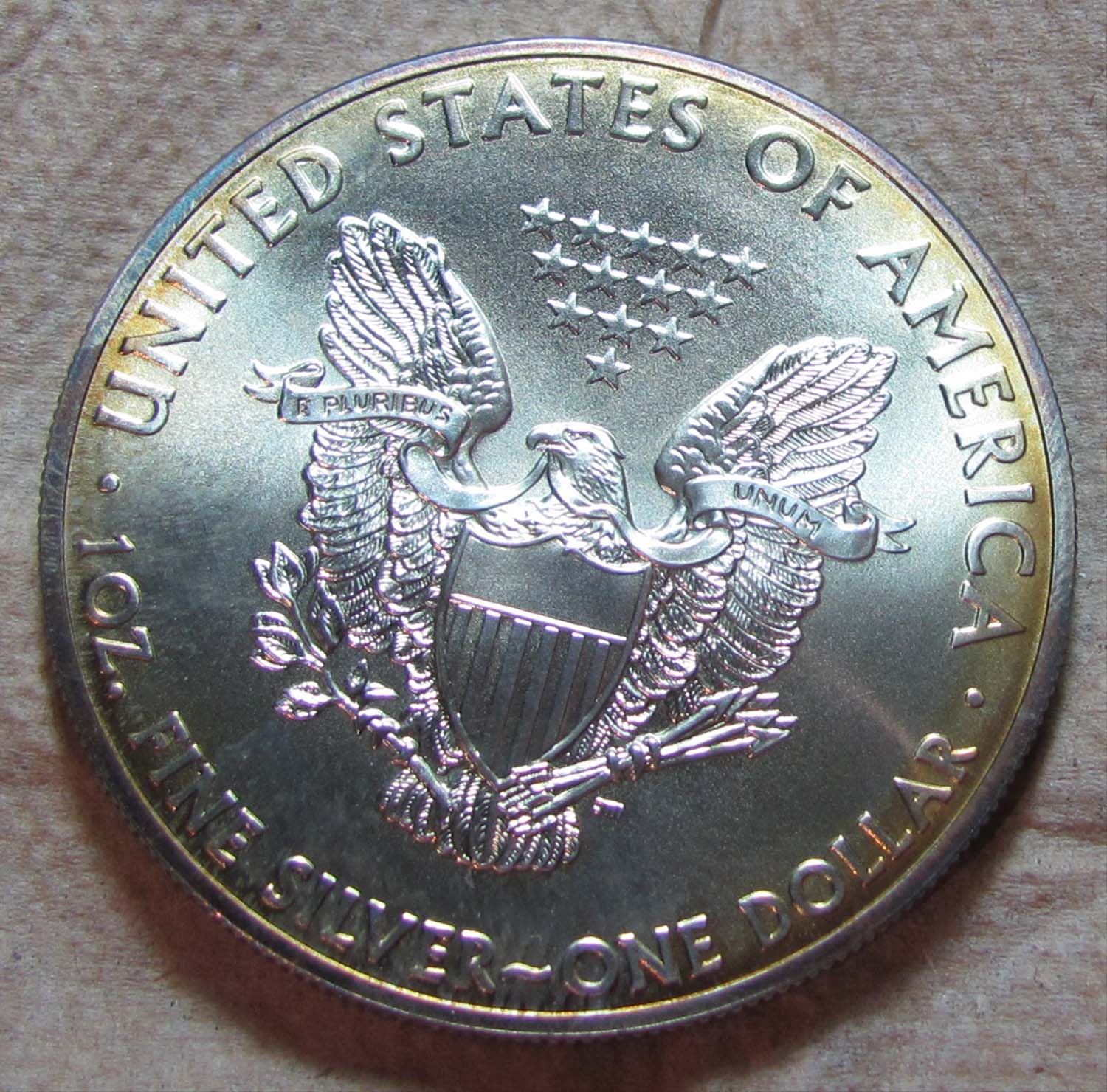
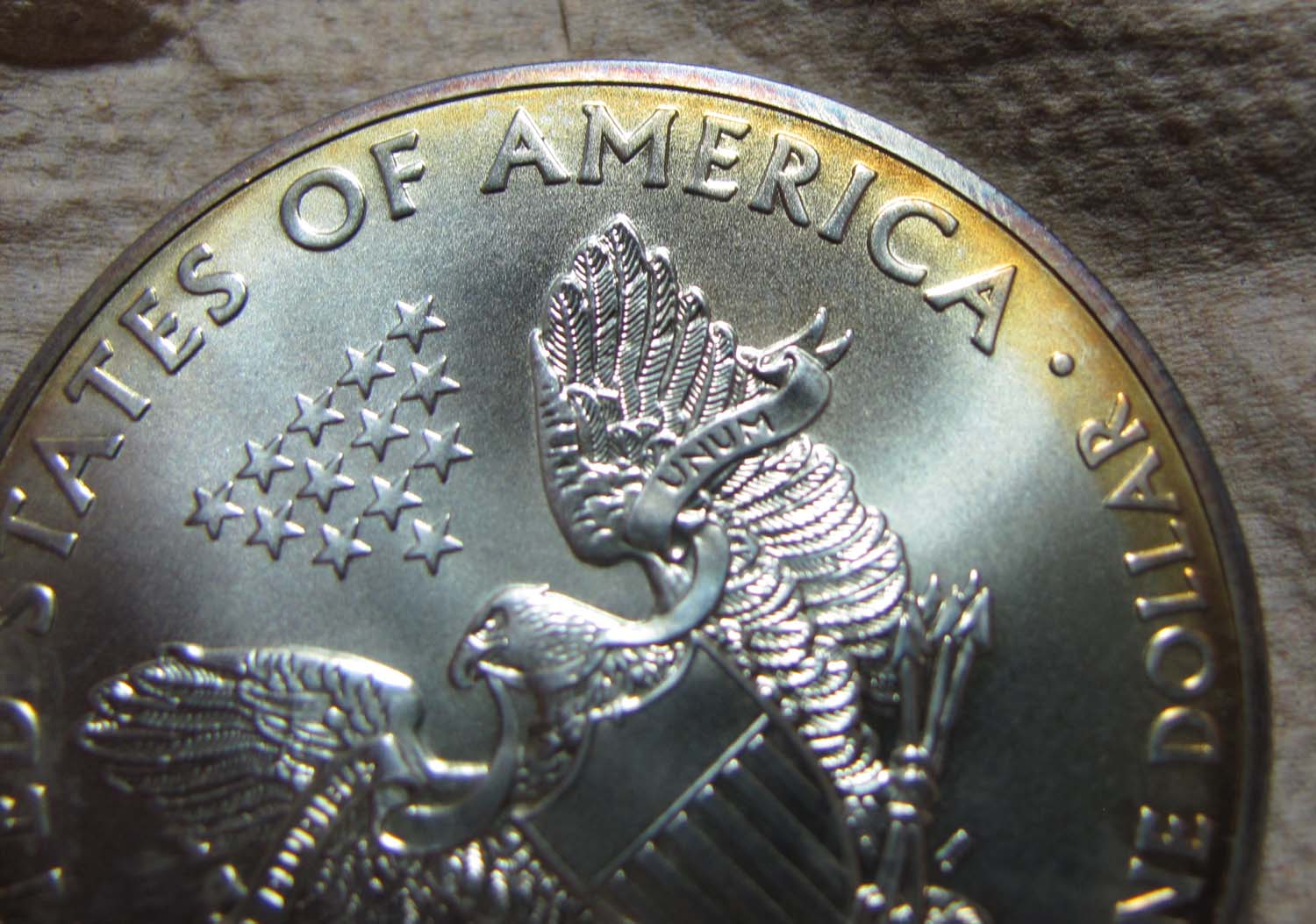
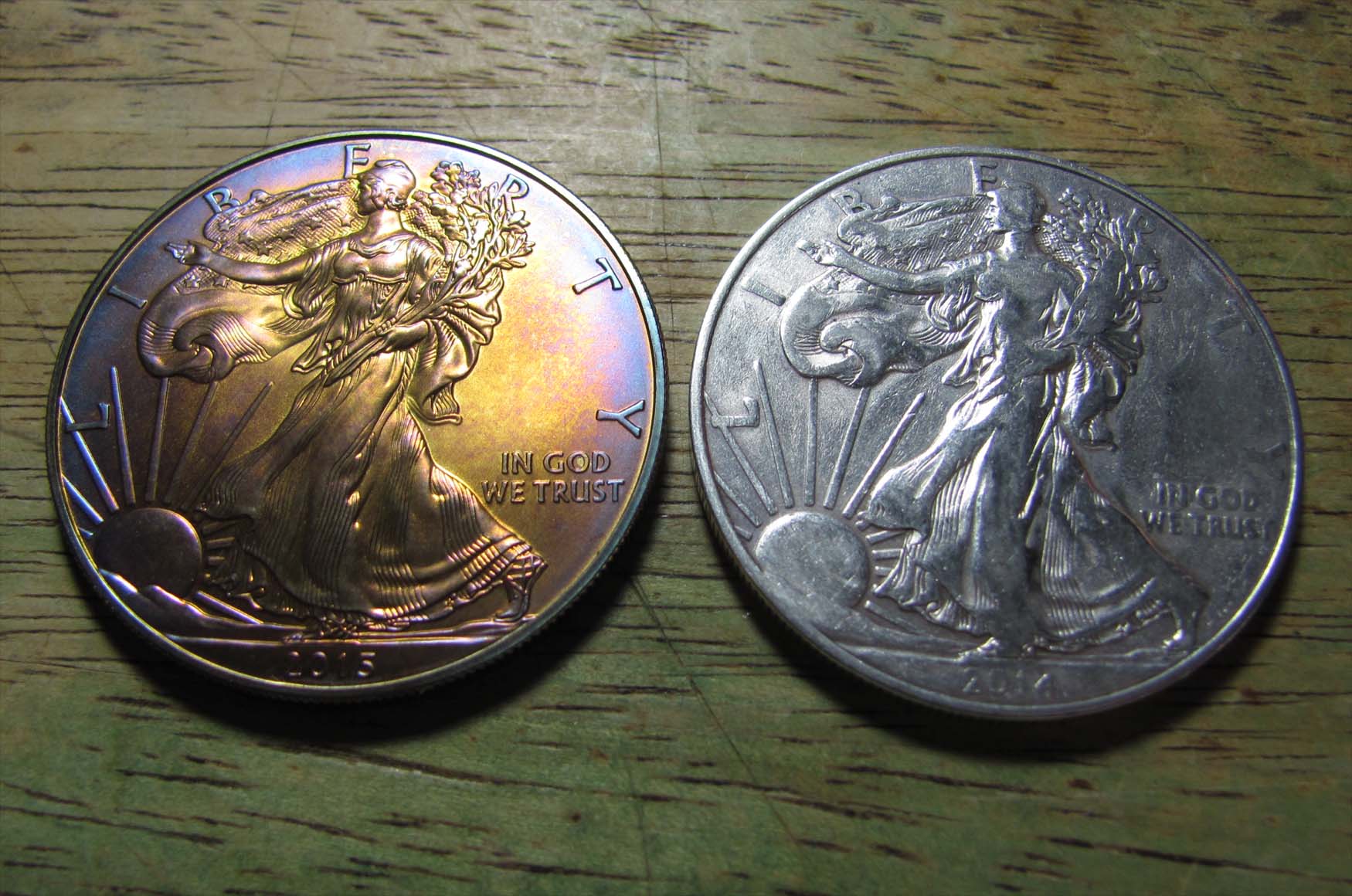
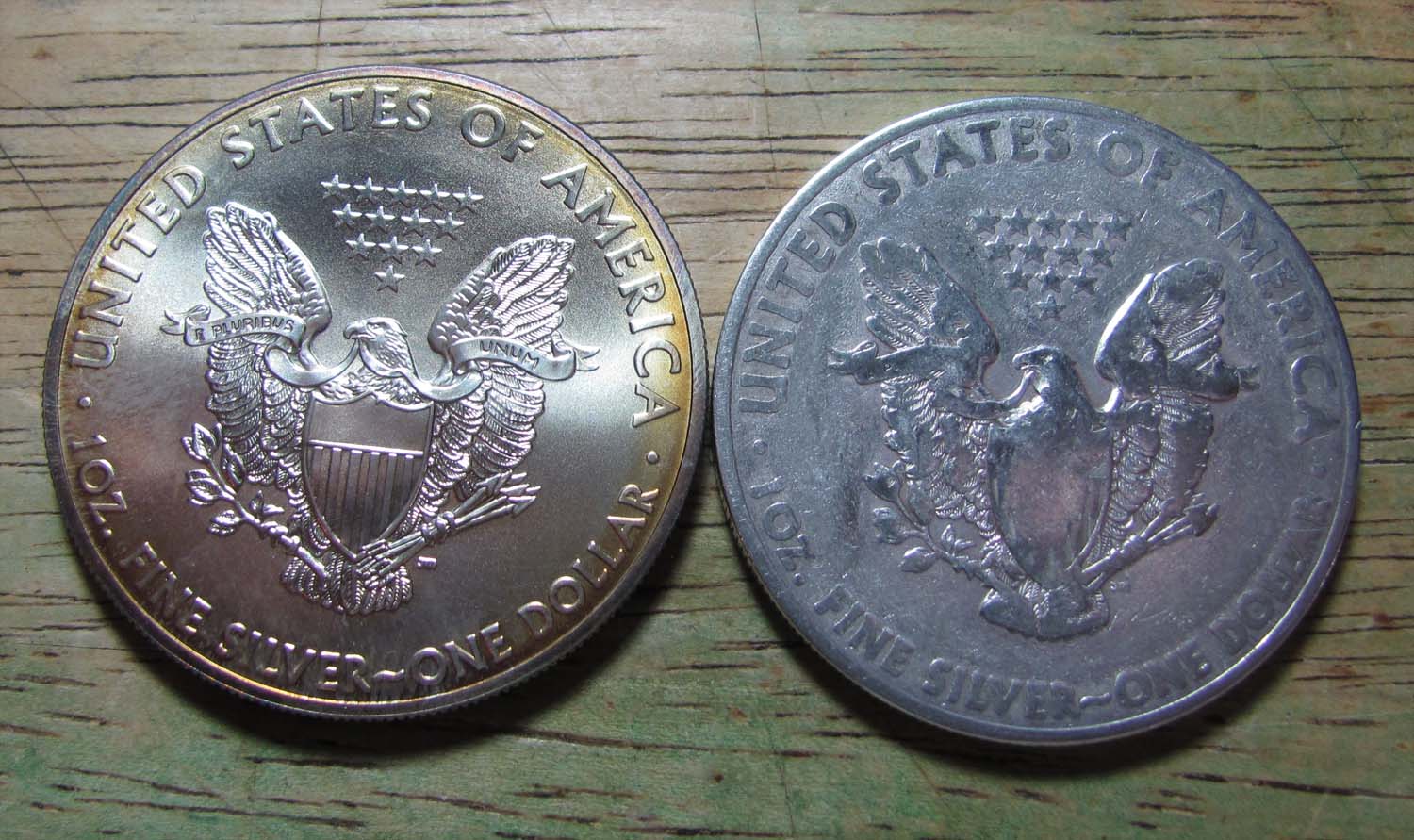
Any thoughts on this? Naturally toned is when a coin is put away, stored, lost somewhere and years later when it is found again it is no longer bright and shiny like when it was struck. Artificially toned is applying heat or chemical or whatever to a coins surface to instantly or rapidly change colors. Now this brings up "Intentionally" toned. You read on the forums that Wayte Raymond boards or albums would tone coins "naturally" back in the day so you go buy one and stick your coins in them in hopes of them turning rainbow colors. Or you read that environments high in sulfur will make your silver coins turn all kinds of rainbow colors over time so you get some sulfur and and box and throw your coins it. It "intentionally" toned considered "artificially" toned because you put your coins in these conditions in hopes of changing them? Or is it naturally toned because it took months or years for it to change and you couldn't predict how the colors would come out? There was a post back in the day about putting your silver coins in unbleached brown fast food napkins and putting them up in your attic and that should cause / speed up the toning process. Here's my ASE that has been sitting in my garage for 3 years through hot humid summers and cold subzero winters. The obverse has toned more than the reverse I assume because one side was facing up and the other was resting on a flat surface.        Edited by jack jeckel
08/28/2019 9:12 pm
|
|
|
|
Bedrock of the Community
United States
17884 Posts |
The difference between Natural toning and artificial toning is one thing, intent. If it is put in a napkin, bag, a high sulfur environment, high heat, or even in an old Wayte Raymond holder with the intent that they tone....it is artificial toning. The problem is that since natural toning and many forms of artificial toning are the result of the coin metal reacting with the same chemicals to form the same oxide,sulfide, sulfate, carbide etc layers. All you can do is look at the coin and somehow get divine intervention that tells you if there was inted or not in the creation of the toning. In some cases the toning it so poorly done that the intent is obvious, but in many cases there is NO WAY to prove whether it is natural or done with intent.
|
|
Pillar of the Community
 Canada
5419 Posts |
All that matters is wether the toning is Market acceptable to the grading services .
No matter how it got toned!
|
|
Moderator
United States
195053 Posts |
Quote:
All that matters is wether the toning is Market acceptable to the grading services .
No matter how it got toned!  All toning is a natural chemical process. The AT versus NT debate does nothing but add confusion. A toned coin is either attractive or it is not.  |
|
Rest in Peace
United States
17900 Posts |
Toning affects eye appeal. Eye Appeal affects value, both positively or negatively.
You vote with your hard earned cash as to the acceptability of the toning and how it changes your buying decision.
I keep it simple and search for UNDIPPED luster as close to as minted as possible. All toning is damage, regardless of its beauty. I'm betting my grandkids will be glad I searched for natural BRIGHT coins. As close to as originally minted should be everyone's choice (although it's not) - but true patience is required.
|
|
Valued Member
Turkey
123 Posts |
I prefer to have coins look like as they newly minted. For me its only acceptable the toning on ancient copper and zinc coins. When I say ancient I mean its literal meaning an'cien. From 100 years ago.
|
|
Bedrock of the Community
United States
20753 Posts |
I sort of dislike any toned coins. I try to only have not toned coins. However, not always possible. Many toned coins can appear as AT or NT or maybe something else but I doubt in many instances most people just can't tell the difference.
|
|
Bedrock of the Community
Australia
21789 Posts |
To be safe and sure:
'Buy the coin, not the tone'.
Multicolor toning found on coins for whatever the reason,
is an unstable transitory state between blast white and a full even gray non luster appearance.
To be pedantic, toning is a form of surface corrosion.
Some like toning, some don't. I don't mind either way.
Nevertheless, original blast white is as a coin appears, when freshly minted, in absolutely pristine condition.
|
|
New Member
United States
18 Posts |
"All that matters is wether the toning is Market acceptable to the grading services" Really should say "all that matters is whether toning is acceptable to the collector shelling out the money for the coin." I know some collectors who won't buy toned coins and others who will pay a nifty premium for toning, especially dollars.
|
|
Pillar of the Community
 United States
5227 Posts |
Edited by jack jeckel
08/25/2022 8:49 pm
|
|
Bedrock of the Community
United States
19536 Posts |
|
|
Bedrock of the Community
Australia
21789 Posts |
Pictures taken 3 years later show a natural progression to a darker tone, and will eventually degrade to an even, lusterless gray.
That is exactly as one would expect.
That is also what an intending buyer should expect, if considering nicely toned coins.
"Beauty strength and youth are flowers fading seen"
- George Peele (English poet):- A Farewell to Arms
|
|
Moderator
United States
195053 Posts |
Quote:
3 years later (6 total) Impressive!  |
|
Pillar of the Community
 United States
5713 Posts |
I think I would quit while you're ahead. No telling what it will look like in 3 more years if you keep it wrapped up in that napkin!
|
|
Pillar of the Community
United States
2332 Posts |
Nice toning. I'd turn it around so the reverse tones more or lean it on the edge.
|
|
Pillar of the Community
United States
1524 Posts |
Very nice pictures. That is very impressive. I really like that obverse toning.
|
| |
Replies: 19 / Views: 6,198 |







 Posted 08/29/2019 10:58 am