











 Posted 10/14/2019 06:27 am


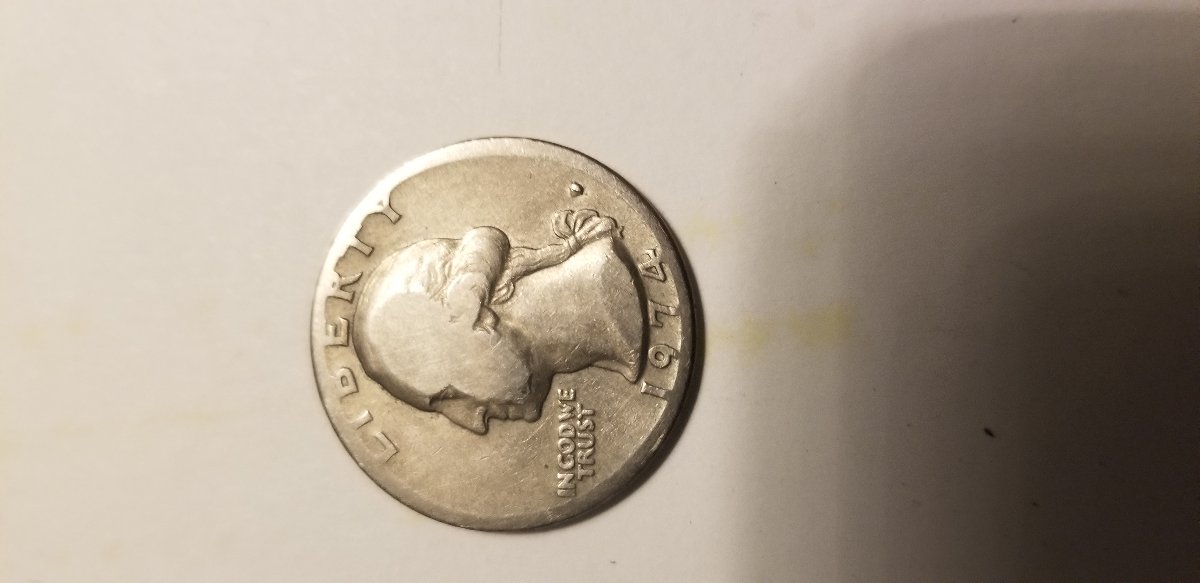
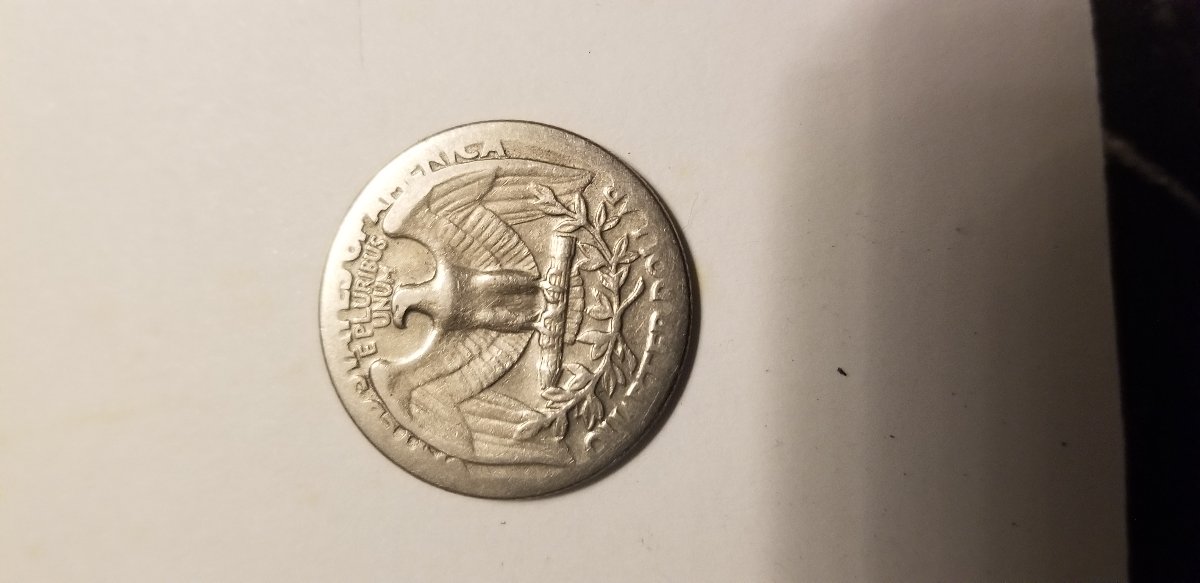
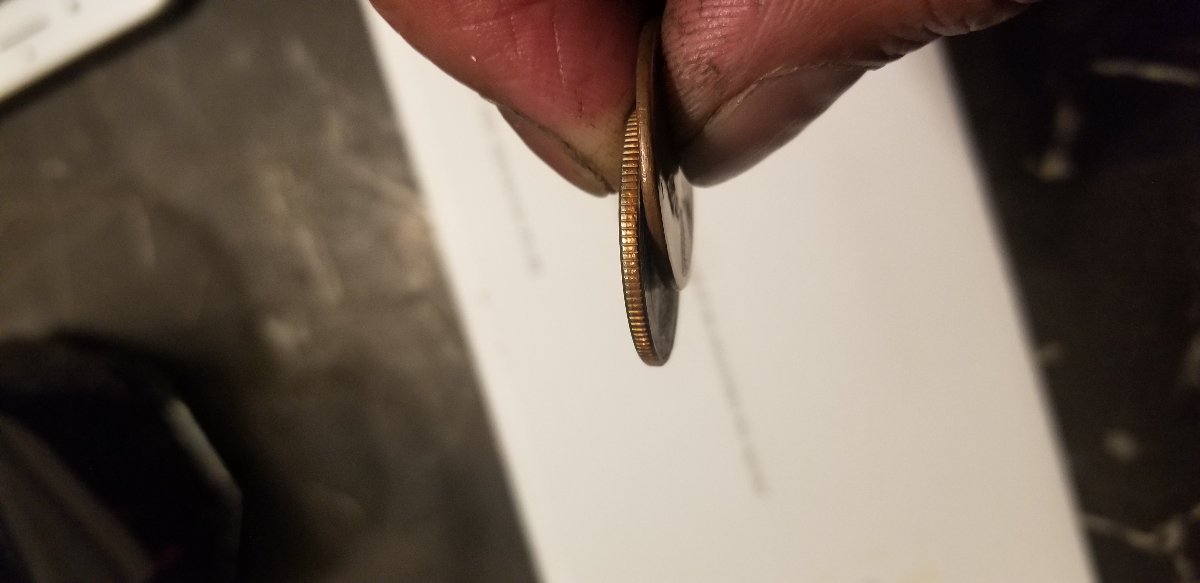
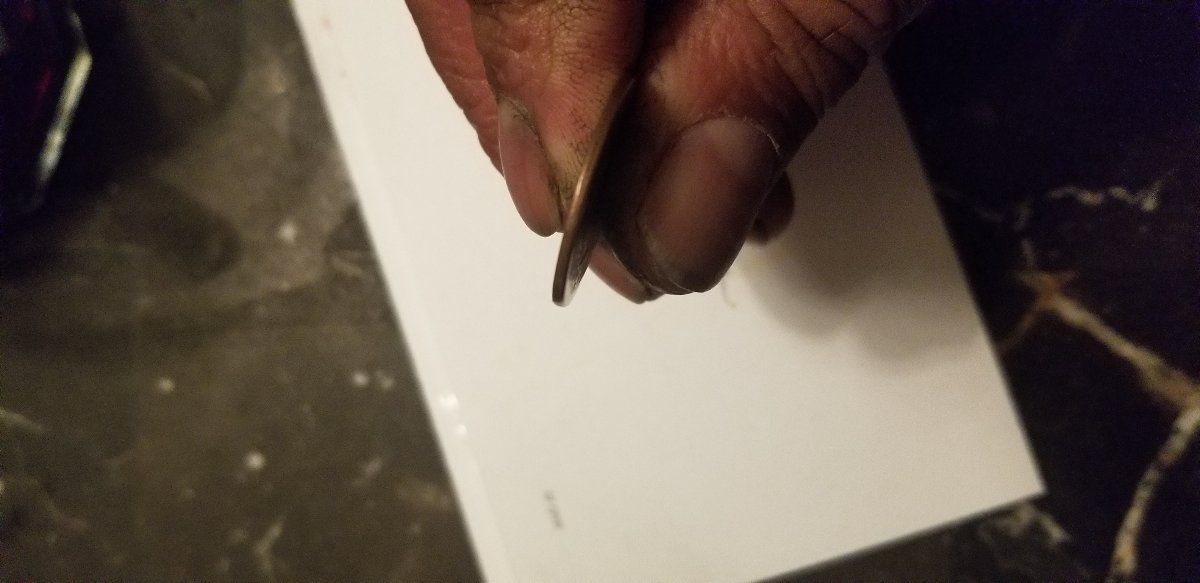
The rim of your coin looks like it was sanded off your coin. With the rims missing off both sides of the coin, you will not the actual thickness oh the coin. The rims are added during the blank process. After the blanks are cut they are call type 1. (So if there ic as type 1, there must be a type 2?) the next step is called an upset process. This adds the pronto rim:
This blank is now called a planchet. The planchet shows the there layered cladding to make the blank/planchet material. The planchets are type 2. Then during the striking process the full rim is formed with the dies a d the collar. The collar add the circular edge and the reeds to the edge of the coin. With the rims and reeds missing, you can see how thin the coin actually is. The rim protects the coins design for quite some time. Note a grading set of images how after the rim goes missing, the design quickly goes away.
This blank is now called a planchet. The planchet shows the there layered cladding to make the blank/planchet material. The planchets are type 2. Then during the striking process the full rim is formed with the dies a d the collar. The collar add the circular edge and the reeds to the edge of the coin. With the rims and reeds missing, you can see how thin the coin actually is. The rim protects the coins design for quite some time. Note a grading set of images how after the rim goes missing, the design quickly goes away.
Edited by coop
10/14/2019 06:28 am
10/14/2019 06:28 am


