| Author |
 Replies: 14 / Views: 1,255 Replies: 14 / Views: 1,255 |
|
|
New Member
United States
8 Posts |
|
|
|
|
Moderator
 United States
56855 Posts |
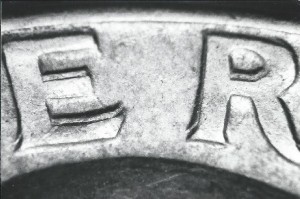
 to CCF. Please tell us what you are seeing that you need help with. John1  |
|
New Member
 United States
8 Posts |
|
|
Pillar of the Community
United States
7591 Posts |
|
|
Rest in Peace
United States
17900 Posts |
Unfortunately  |
|
Bedrock of the Community
United States
94367 Posts |
Looks like some MD on IGWT.
|
|
New Member
United States
8 Posts |
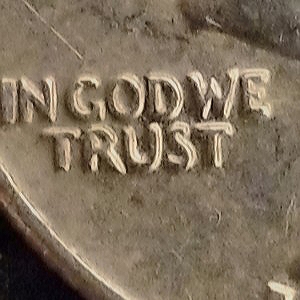
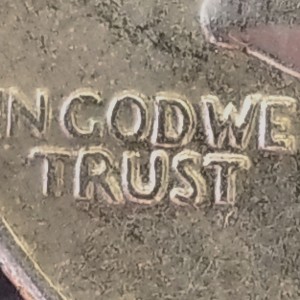
Thank you gentlemen. Can you please have another look at this pic. Maybe first ones were not very good. Is that not good notching on the R? The D? W? Also, I have about 8 more that I would like to post here if you guys could also have a look at those I would greatly appreciate it. 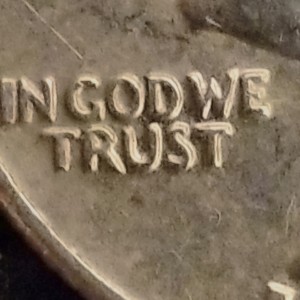 |
|
Moderator
United States
56855 Posts |
Pic is too blurry,sorry. John1 |
|
New Member
United States
8 Posts |
|
|
Bedrock of the Community
United States
62064 Posts |
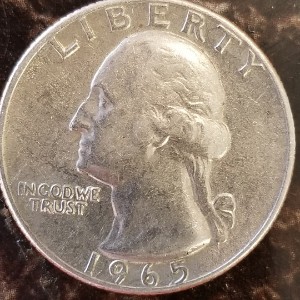
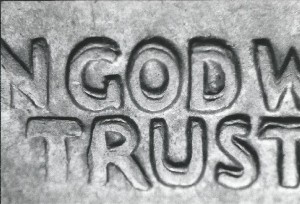
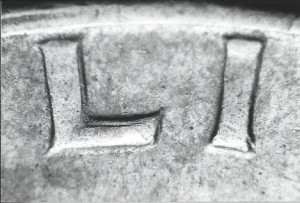
The Machine Doubling is all your seeing. The Wexler example is nothing like your coin. Note the size of the devices on Wexler's DDO. They are taller than your coin. It looks like the die that struck your coin has been polished. The size of the devices are even smaller from the polishing reducing the fields. (The devices are tappered, The narrowest part is deep into the die. So when the fields are polished, the height of the devices is reduced making them look smaller than usual. Also the Machine Doubling is reducing the devices. You can see the MD on the right sides of the devices on your coin. Not a doubled die as mentioned. Take a look again at Wexler's devices and see on the motto, your coin doesn't look like that. 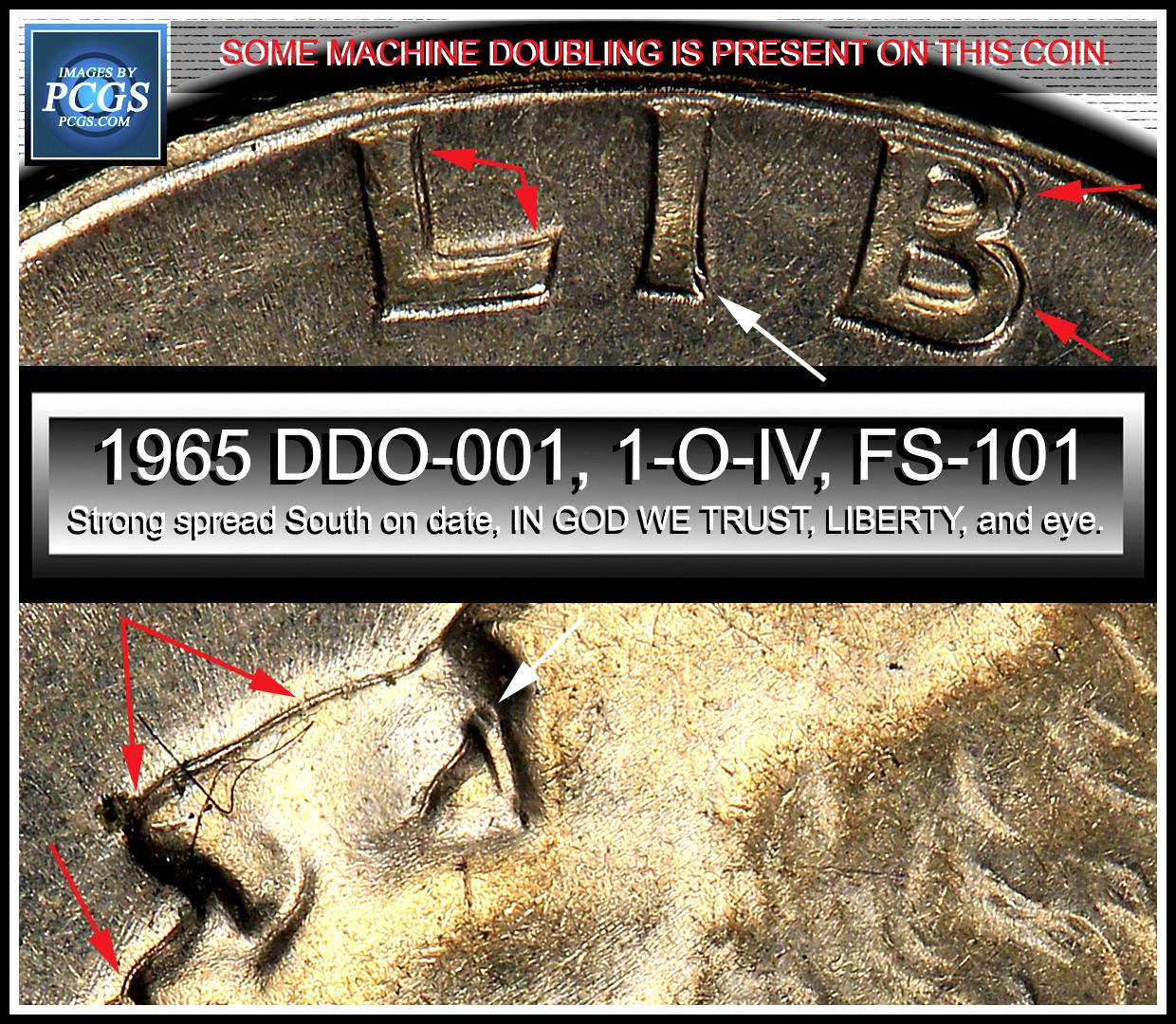 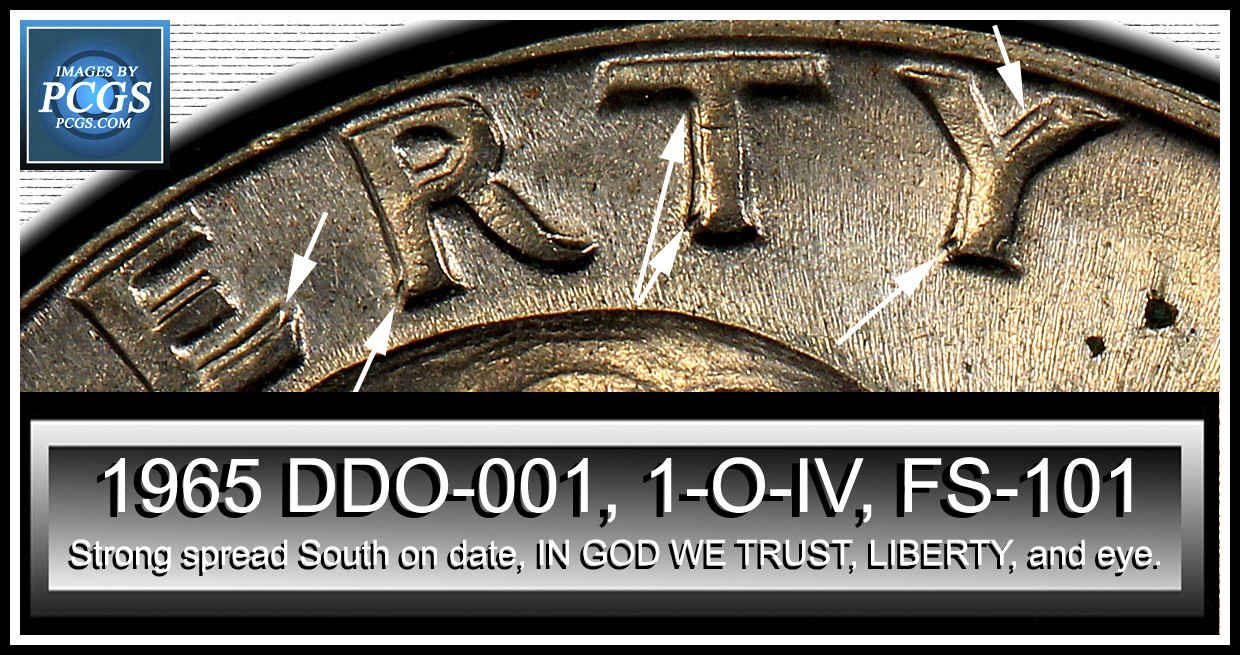 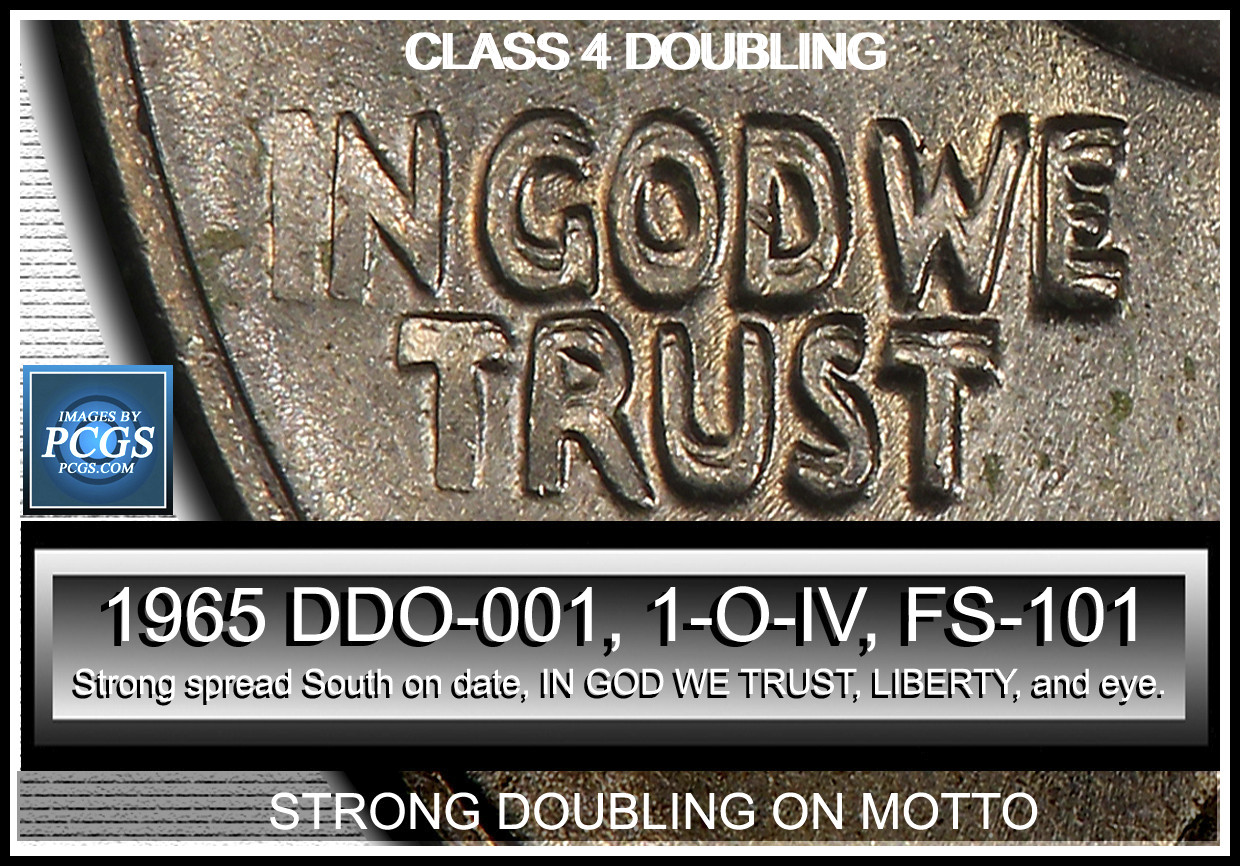 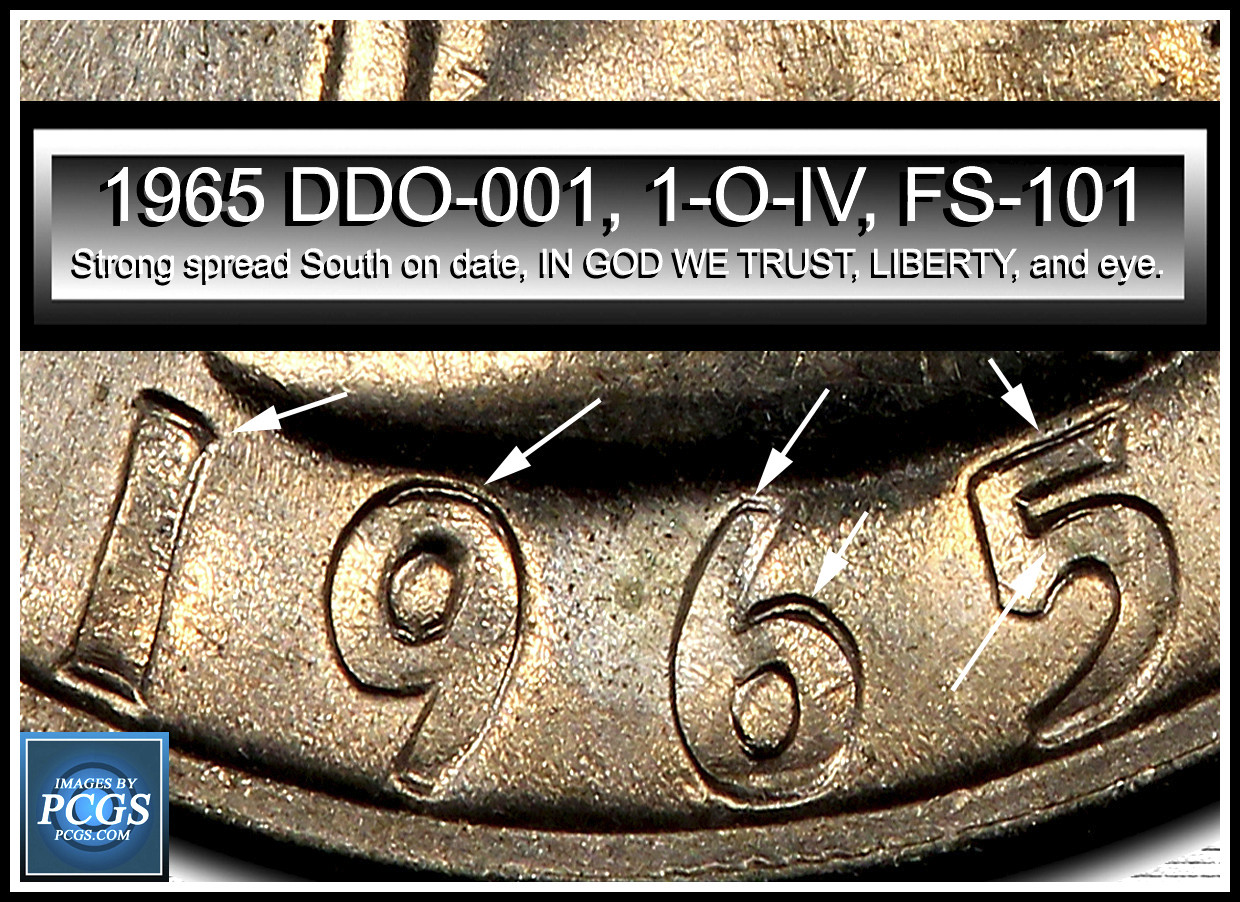 The answer to your next question is: "Can Machine Doubling happen on doubled dies?" The answer is yes. The same exact way it happens on normal dies. The doubling on a doubled die, is on the die. Thus the term doubled die. Machine Doubling is caused by die movement after the strike. So the machine causes Machine Doubling. So Machine Doubling can also happen on a doubled die, exactly the same way. Die movement after the strike. To a serious variety collector a MD doubled die is a distraction. They prefer examples that do not have the MD. But to a coin grader, they don't consider MD to be an issue. To them it is just a normal coin. But to a coin buyer, the steer clear away from coins that have Machine Doubling. So look closely at what you buy before you purchase the coins. You be the grader. Buy the coin, not the plastic. |
|
Moderator
United States
195559 Posts |
to the Community! |
|
New Member
United States
8 Posts |
Thank jbuck for the Welcome. Much appreciated.
|
|
New Member
United States
8 Posts |
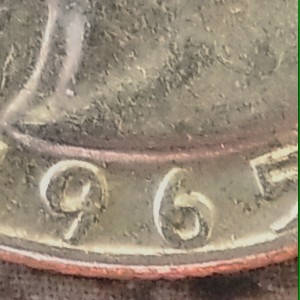
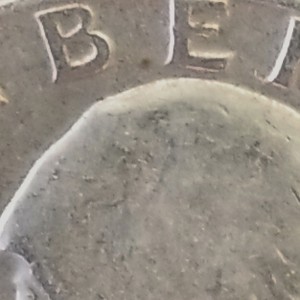
So, not to be argumentative, but to just better understand what @coop was mentioning. All examples that have been shown are of good quality coins where mine is not as good and pretty worn. It is not possible that it is a later stage in the die that mine came from? It would be just uncanny that a different die would deteriorate in such a way as a seperate doudled die was doubled. To say that mine is nothing like it , may not be correct. In the motto the doubled areas begin and end in the almost exact spots. So even if my example has some MD it is still possible to be the DDO is this true? Also, Wexler describes a die crack on the reverse side that is in the upper right E of AMERICA and runs through the R to the rim. Also mentioned is is a die scratch running south from the nose. I can recognize a die crack but am not very good at recognizing die scratches if you could show where that is on your example it would help. If indeed my examples had both traits then it would undoubtedly be from the doubled die in question is this correct? |
|
Moderator
United States
56855 Posts |
|
|
Bedrock of the Community
United States
62064 Posts |
Seeing the side by side will help you see that your coin is not FS-101. To see the differences helps to train the eye.: 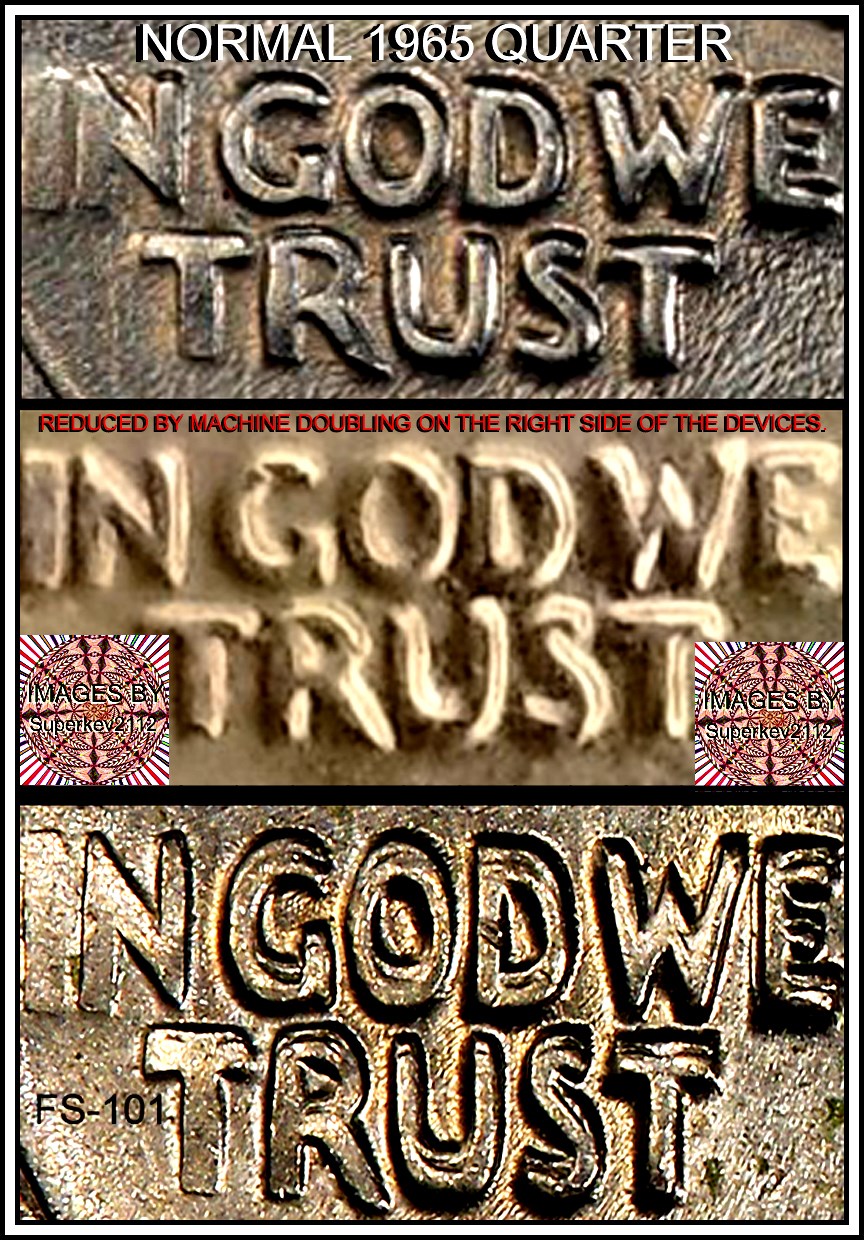 Does this help? Now you can see and judge between them easier than looking here and looking there and the differences are lost. As far a markers go, they only mean something as matching exactly to a coin that is a variety. Markers come and go. Some stay. Like on a new die, the markers for a later die state, won't be there in the case of most markers. But side scratches come and go. Die cracks, chips. break will get worse as the die ages. |
| |
Replies: 14 / Views: 1,255 |
|









 Posted 10/16/2019 1:12 pm