











 Posted 11/04/2019 07:42 am


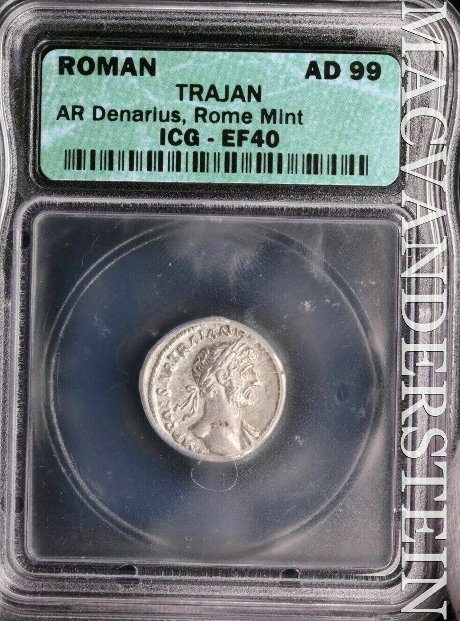
I could never figure out how it is possible to apply the grading requirements (such as Sheldon), that apply to modern coins (such as U.S.coins),
can be applied to the grading of ancient coins,
because factors that affect the grade, are so completely different.
Certainly, ancient coins should, and need to be graded to arrive at a value, but that general idea, is the only thing they have in common.
Some factors which can affect the grading of an ancient coin:
-surface quality
-flan characteristics
-skill of the die cutter
-completeness of design and legends
-quality of strike
-presence and extent of corrosion
-effect of cleaning after recovery from ground burial - lots of ancient coins greatly increase in value after the benefits of professional cleaning and preservation.
Even the full attribution of an ancient coin can more than double it's value. (or lack of, halve it's value)
How do you apply Sheldon standards (other than wear), to these factors that can affect the value?
With most ancient coins, minor errors usually have no influence at all on their value.
can be applied to the grading of ancient coins,
because factors that affect the grade, are so completely different.
Certainly, ancient coins should, and need to be graded to arrive at a value, but that general idea, is the only thing they have in common.
Some factors which can affect the grading of an ancient coin:
-surface quality
-flan characteristics
-skill of the die cutter
-completeness of design and legends
-quality of strike
-presence and extent of corrosion
-effect of cleaning after recovery from ground burial - lots of ancient coins greatly increase in value after the benefits of professional cleaning and preservation.
Even the full attribution of an ancient coin can more than double it's value. (or lack of, halve it's value)
How do you apply Sheldon standards (other than wear), to these factors that can affect the value?
With most ancient coins, minor errors usually have no influence at all on their value.
 I think a market for grading solely and exclusively ancients is there for the taking. A trusted source -


