These reverse devices are incuse.
What does that mean? Most of the time we see raised devices on coins. But incuse devices are the opposite of raised devices:
)).jpg)
With them incuse on a coin, the die is just opposite the raised devices on coins.
The designs are, incuse on the die raised on the coins.
Raised devices are, incuse on the die and raised on the coins. But incuse devices are, raised on the die Incuse on the coin. Just the opposite.
What difference does that make? On doubled dies, on raised devices we look for the spread or enlarging of the devices. With the incuse devices, it is just the opposite. On them they devices are reduced in size.
What? Best to show you on the reverse of a 2013
DDR. On the Incuse devices, (EPU) on the shield cents, they are incuse. (lower than the fields) Note what happens to them on a doubled die:



The rest of the devices on the same die that are raised are enlarged:
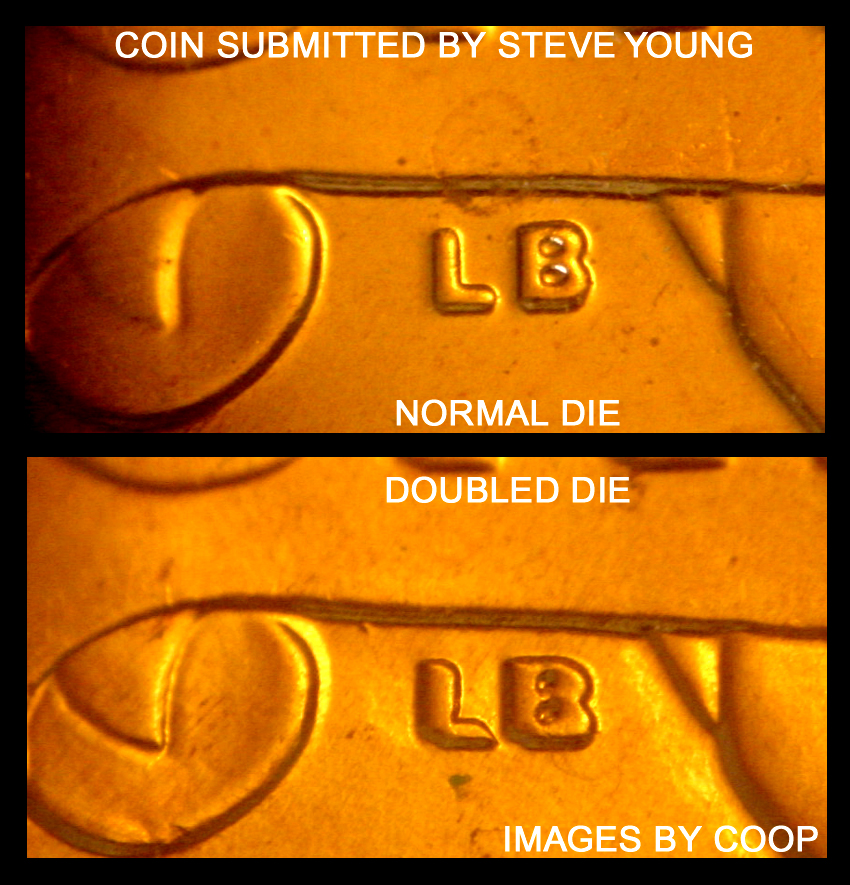
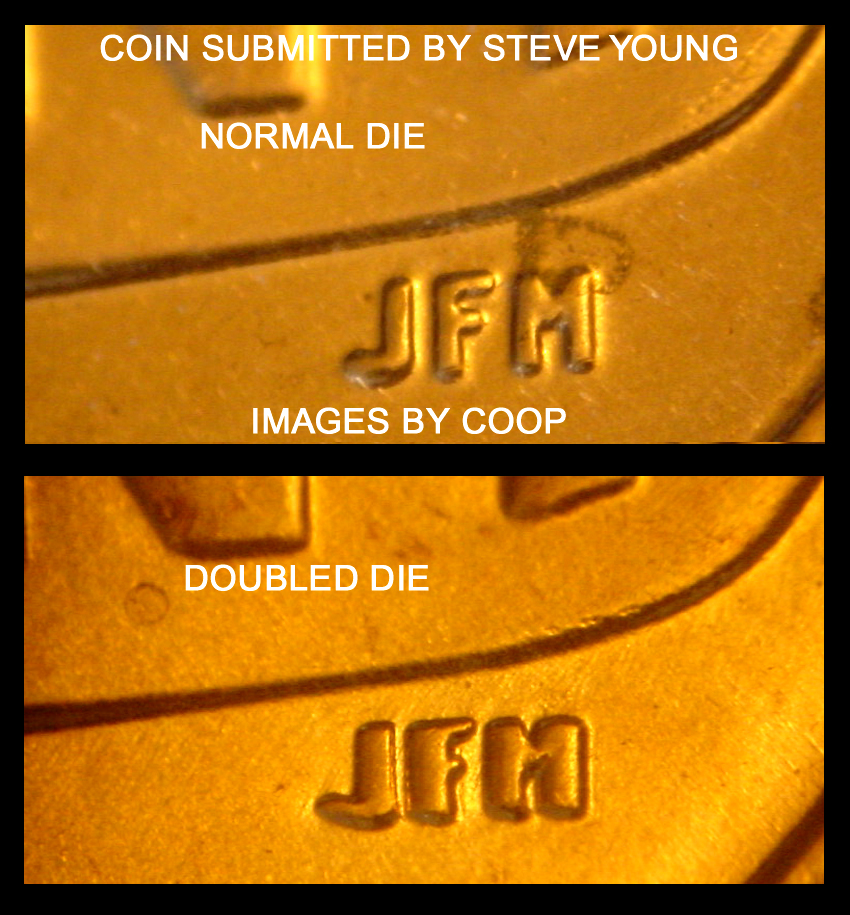



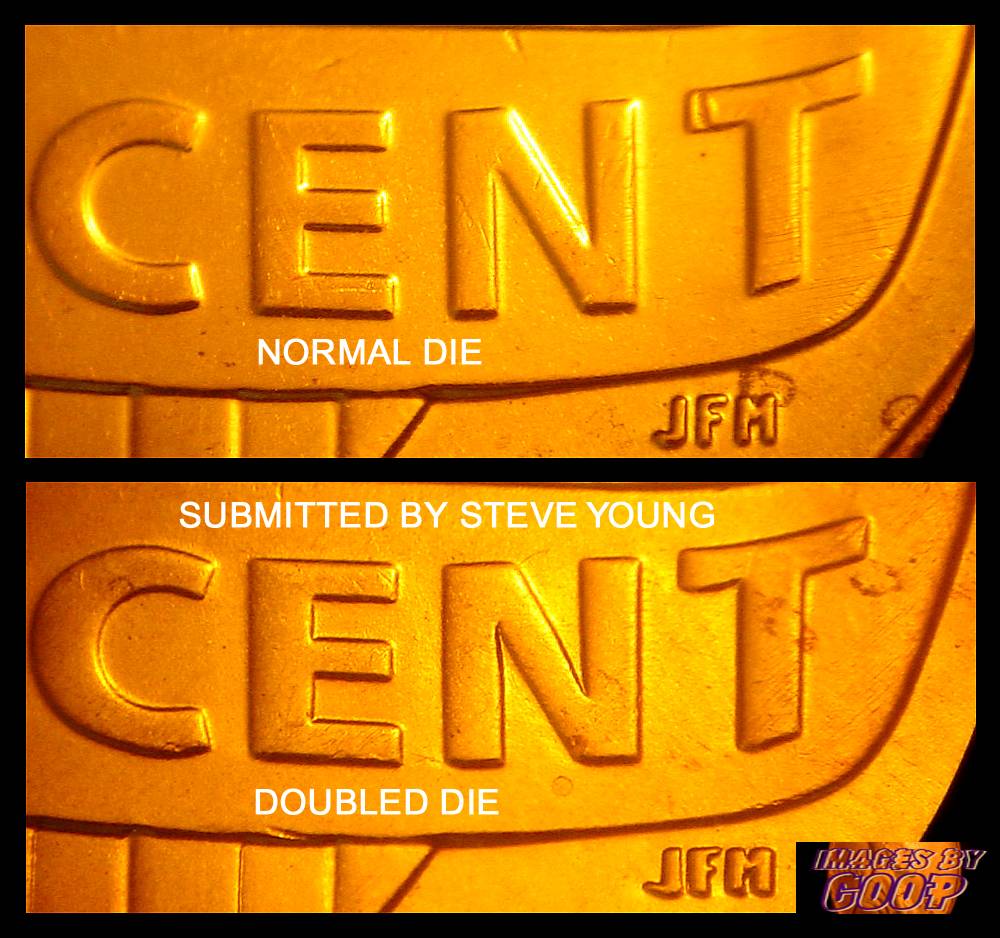
Examining this coin helped me to understand how the doubled dies will be opposite. So on
Machine Doubling, the same thing happens.
The rules are opposite:
On raised devices,
Machine Doubling reduces the size of the devices. (nothing new there)
On incuse devices,
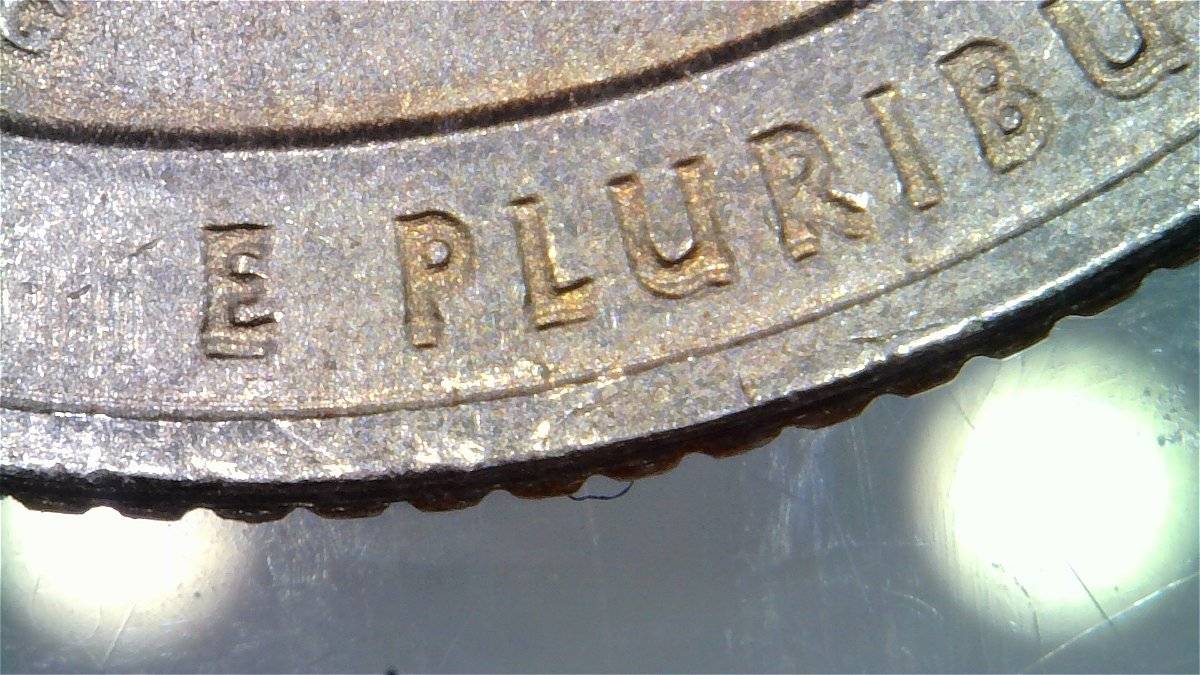
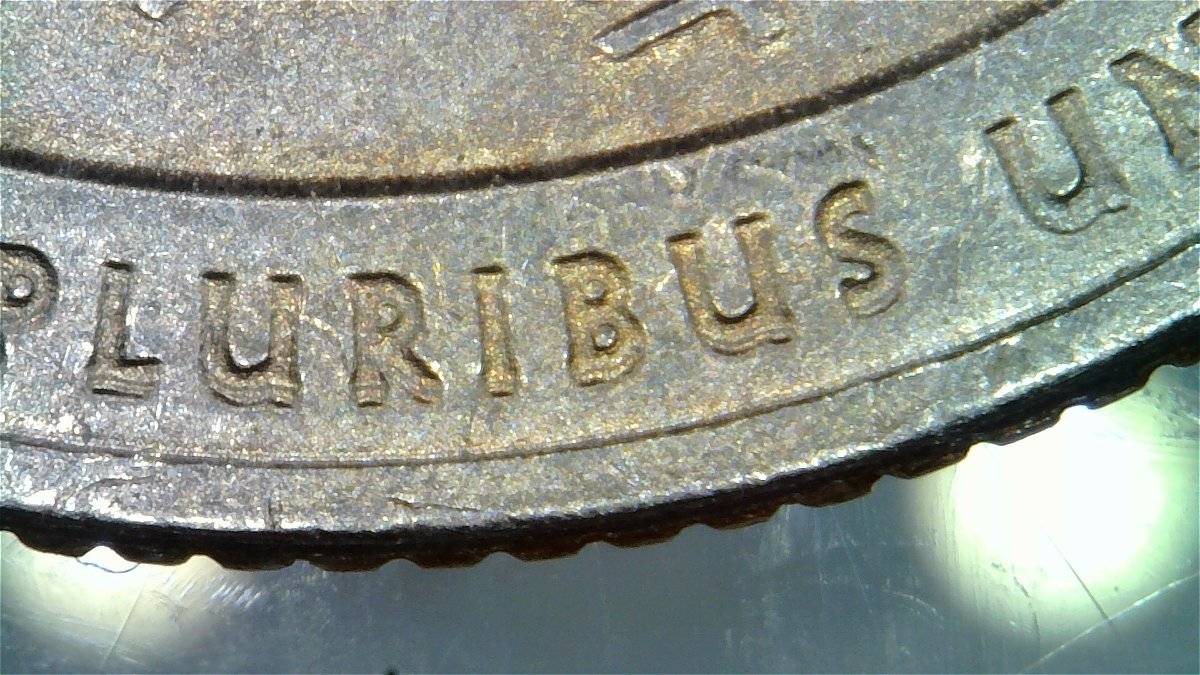
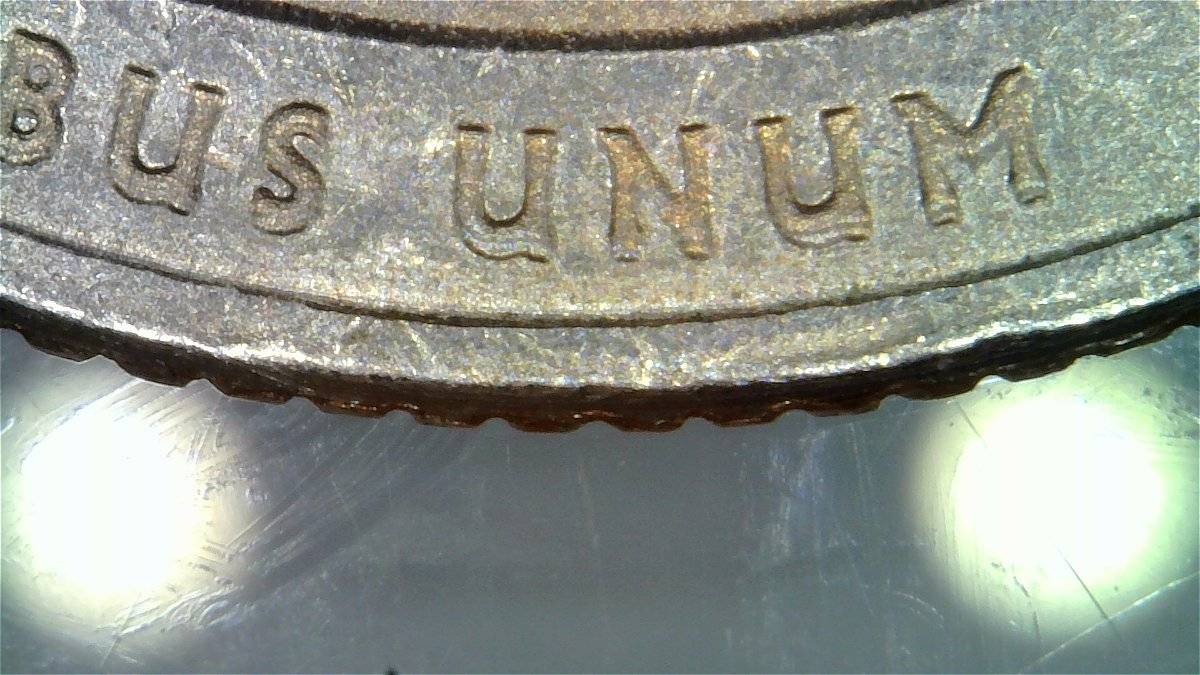
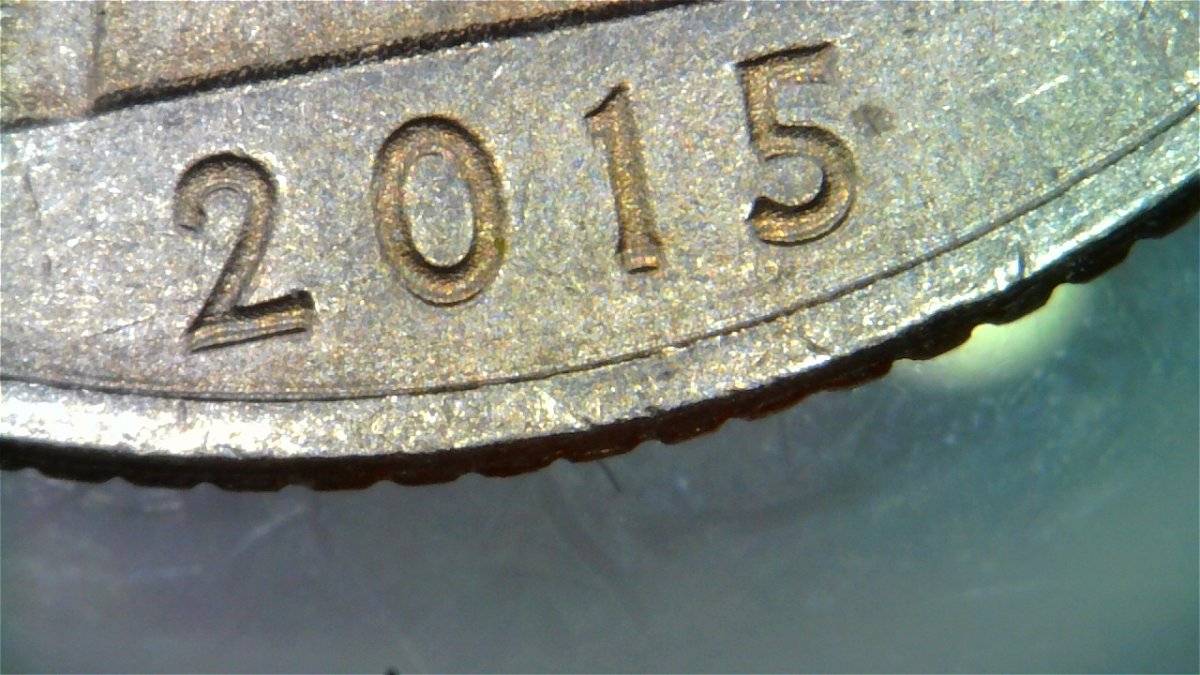
Machine Doubling enlarges the size of the devices.So I have yet to find an example of a doubled die on the devices on the outer ring of the devices. Sure examples like this coin posted show enlarging of the devices, but it is
Machine Doubling and not a doubled die. Why not? As already mentioned the rules are opposite on MD, but on these dies, they are made with the single squeeze process.
What does that mean? These dies are have the doubled dies in the central areas of the designs. This is true for the States quarters and the
ATB Quarters. So the areas to find a doubled die on these dies is in the centers of the designs 99% of the time.
So what time period did these start. Remember the 'Bar' cents on the dies? When upi start seeing these, then they started using these single squeeze dies. They started these at different years, so I can't just rattle off a specific date.
So what have we learned:
1. Incuse devices are opposite raised devices. On the dies one is deep into the die (raised devices) and the other is raised on the die. (incuse devices)
2. Just as
Machine Doubling on raised devices reduced the size of the devices. On an incuse device will enlarge a device. Just the opposite. How often. On 100 random quarters, I found 70 were MD. That is 70% of the time they are altered by the machine. Mild to huge. Depending on how sloppy the machine was when they were struck.
3. The single squeezed dies have doubled dies more in the central areas. On the multi-hub dies (The older processes) the raised devices have doubled dies more often on the outer devices. (The exceptions on these are the doubled ears, but that is another subject)
I know more confusion. But that is the way it is. Hope this helps.










 Posted 03/31/2020 9:47 pm





