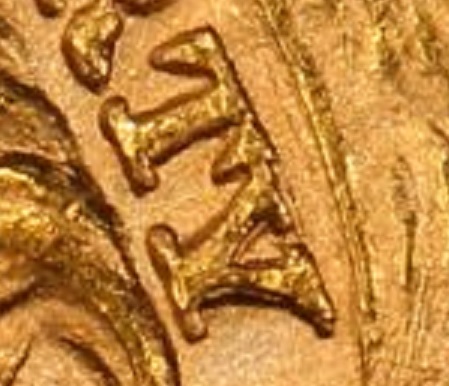
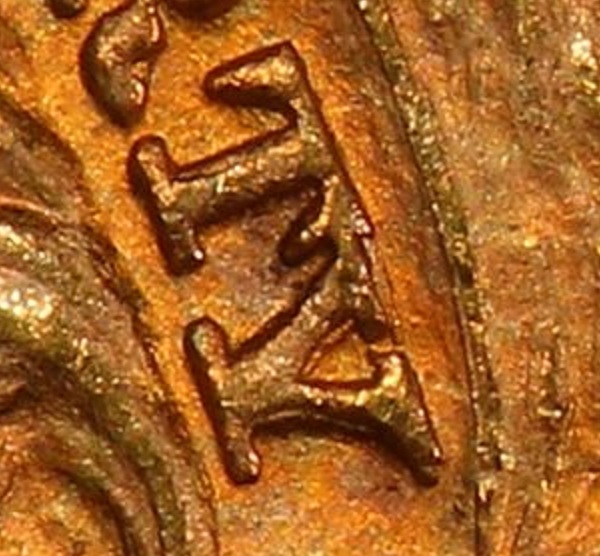
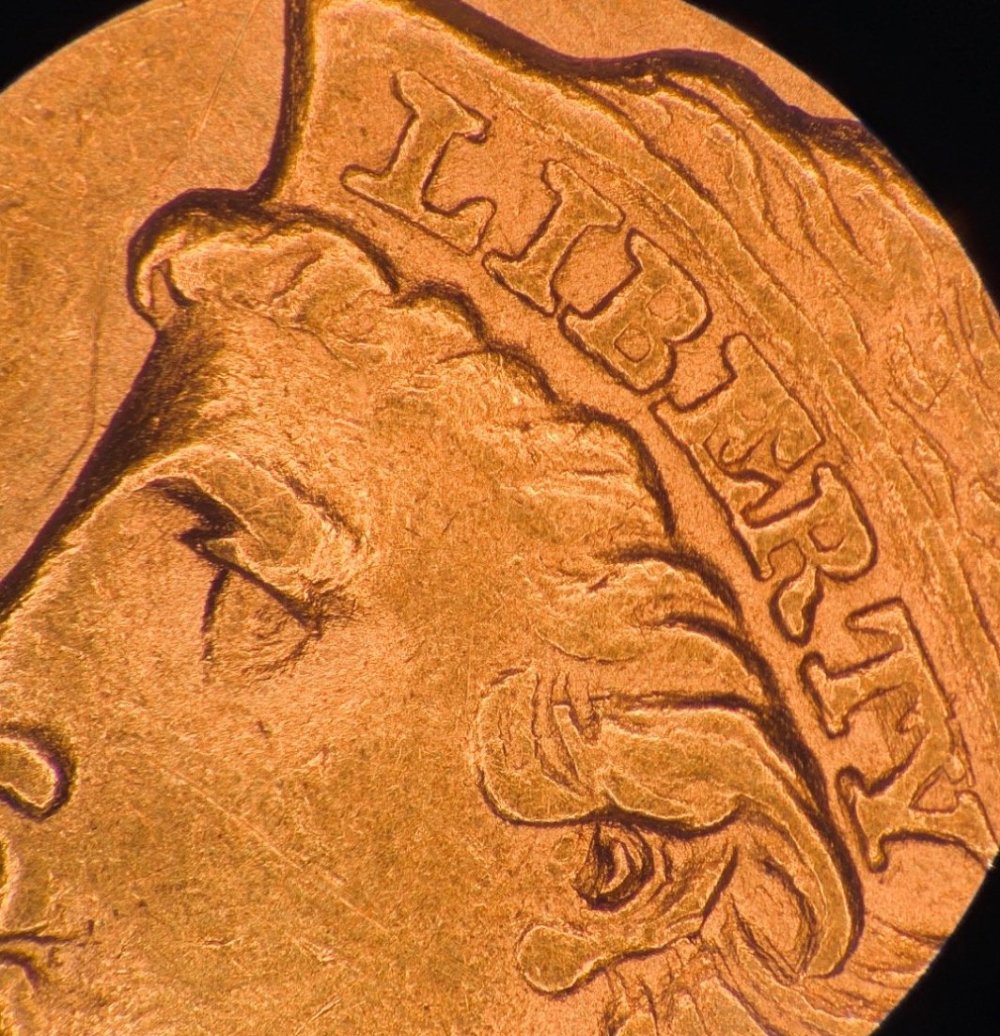
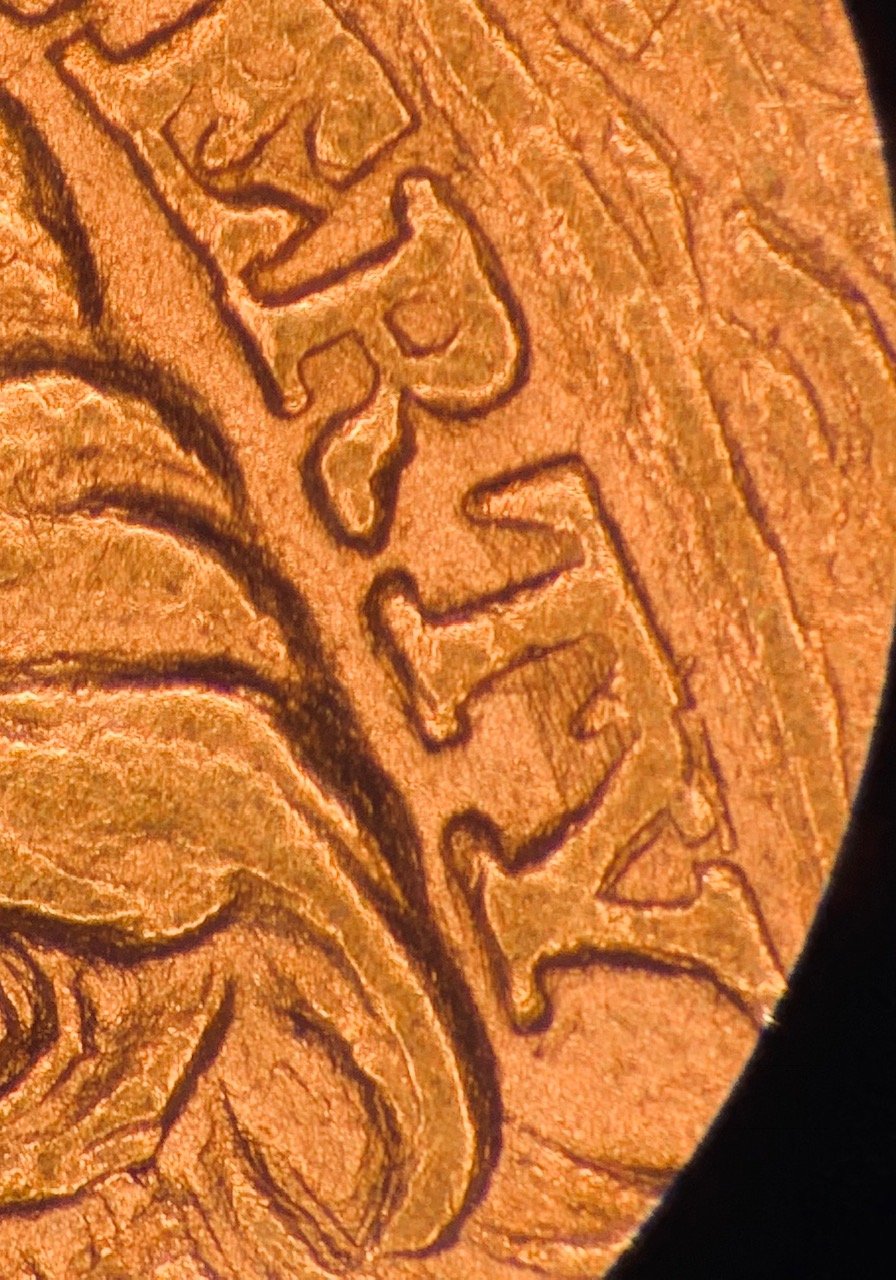
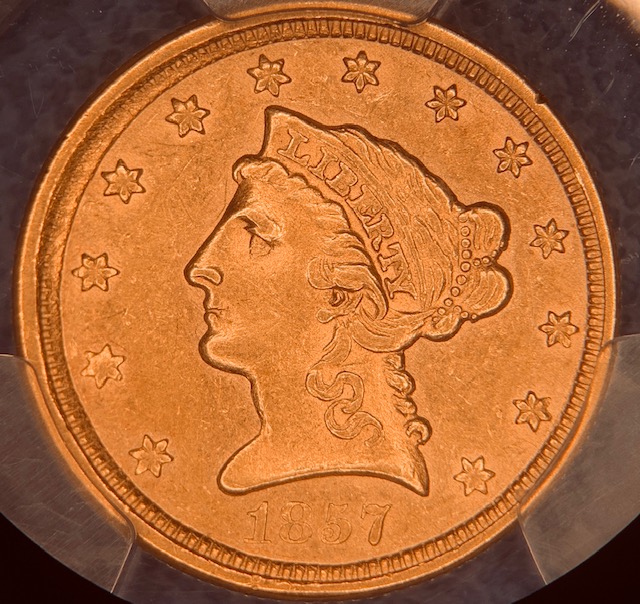
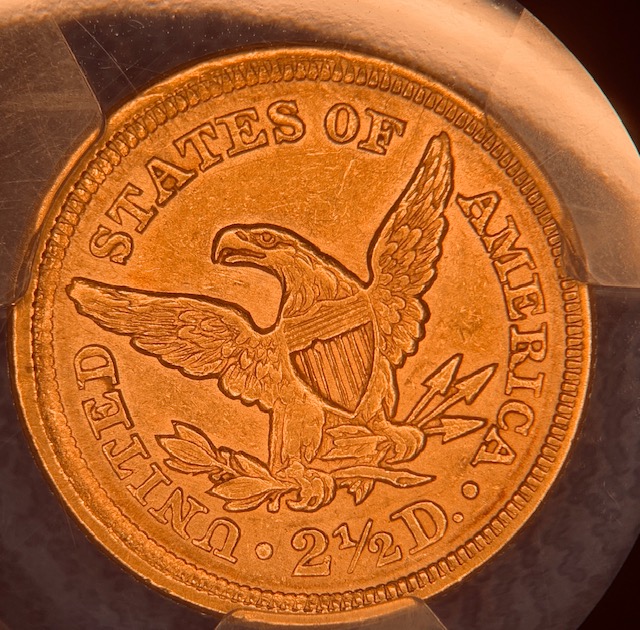
From what I just found at various sites, how about the theory of a gang punch. Gang punches were used for the designs that remained the same from year to year. This would explain to me how the photos above and the further examples that kbbpll found '43, '44, and '45 all have the same T Y doubling. see below:
Making Date and Letter Punches
Roger W. Burdette, Copyright 2014.
(The following research was prepared for publication in the book From Mine to Mint, but was omitted. It was probably skipped when I assembled draft sections. The sources are
The Royal Mint, multiple engineering books on tool and die making, and several books on production of printing and embossing type and punches. Additional information comes from examination of nineteenth century engraving and coin die making tools and descriptions in several US Mint letters. The bracketed sentence was added today.)
The letter, digit or other design element punch was a short bar of annealed steel, the end of which was shaped to form the desired character. Punches were usually made in proportional widths in the same was as ordinary printing type. Initially, the end of the small steel bar was flat and rectangular in shape. The profile and surface of the letter was made by slowly filing off extra metal. For any letter that contained an interior closed space, such as B, O, a, g, and so forth, the punch cutter would first make a counter-punch in the shape of the interior area. This counter-punch was driven into the flat face of the new punch bar, and then the outer profile of the digit or letter would be formed by filing away the unwanted metal. This was slow, painstaking work with many interruptions to check the size, character and thickness of its strokes. These were checked with specially made gauges. The difficulties were magnified when the punch maker had to produce a complete set of letter punches in the same size and style.
Most punches appear to have been made with uniform lengths for each letter size/font and with wide upper ends to help direct the hammer blow. Punch bars had flat sides that could fit together. This allowed several to be combined into a "gang" and locked in place with a tight clamp. Individual and groupings of characters could be duplicated in much the same way was a coining die. The hand-made original was hardened and driven into a piece of flat, soft die steel to produce an incuse character. The steel was hardened, and then a soft steel bar was forced into the incuse character die. This had to be done carefully to avoid bending the steel bar. Once the full digit or letter was impressed, the bar was cleaned, touched up and annealed for use. [This could also be used to make a one-piece gang punch for dates or other design elements. It is the most likely way that William Key replicated his Gothic "IGWT" motto used on the
Morgan dollar.] An alternate method used in the Paris Mint was to press only a small rectangle of soft steel into the character die. This was finished, cleaned and hardened, then soldered to a steel rod. The hard steel face was sufficient to take the demands of use, but was easier to replace than a a single-piece bar punch.
Until adoption of the Janvier reducing machine by the Philadelphia Mint, working punches were considered so precious that they were kept in use as long as possible. Thus, it was common for digits in the date to be added with individual figure punches to each working die, with the result that dies could still vary, if only minutely, from their fellows. Another cause of variation from die to die was the continued use of punches with letters broken by wear or damage.
Imperfect master dies or working dies produced from these punches had to be repaired by repunching defective letters with single letter punches, leaving traces of double letters on the dies. Sometimes the wrong punch was used to strengthen a letter or digit.






 Posted 04/20/2020 4:41 pm