











 Posted 05/10/2020 10:28 pm


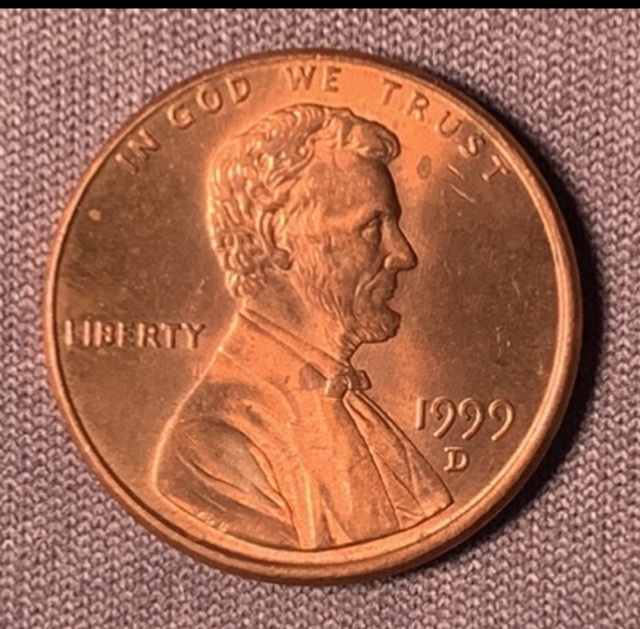
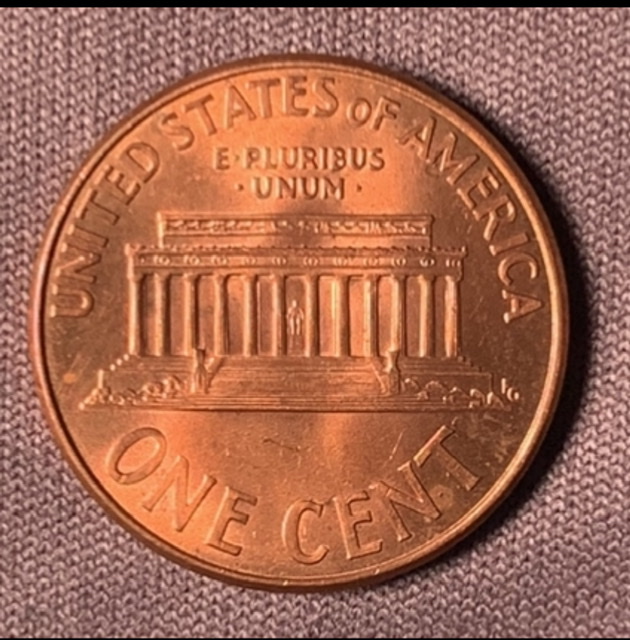
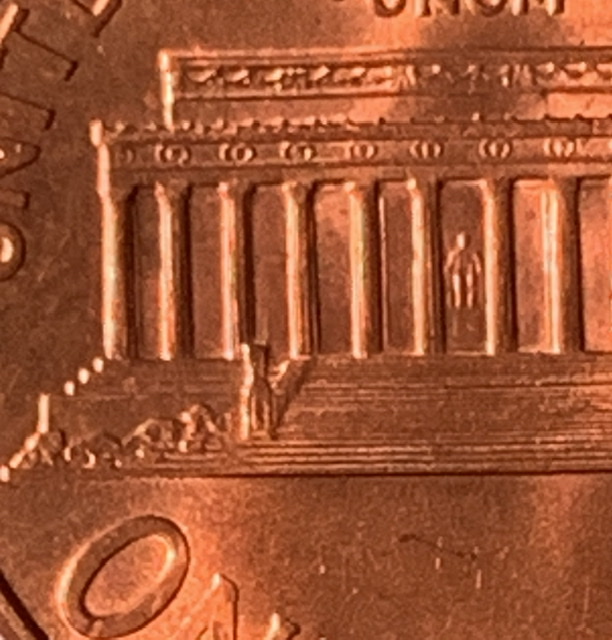
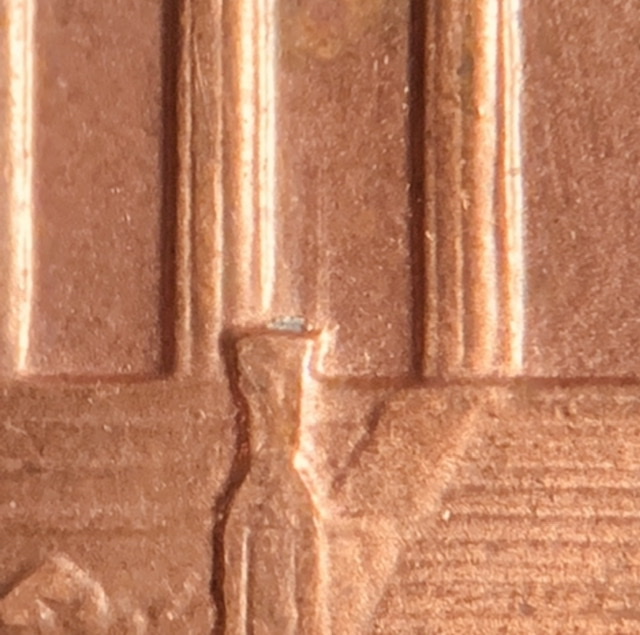
Some where along this dies life, the coin was altered on the fields to remove a clash by sanding/polishing the die. Something I figured out is that when the fields (Which the bay if part of the fields, the design columns and building is deep into the die) were altered, the lines were probably vertical on the full field areas. When the dies were were used, the alteration lines on the fields were wiped off the open field areas first. As the die is used more and more the lines disappear as the more and more coins are stuck. Well the areas around the incuse part of the fields prevent some lines to disappear as fast as others. Note the location on your question area. The bay is an island on the die. It is able to keep these lines until longer on the fields because of location. So all the other alteration lines are now gone. This area is showing the last result of the polishing. So in order for this to be a doubled die, these lines would have to be done by the hub that creates the die. That is not the case. They are surface scratches from the event that caused them. If there were a DDR, then they would have to been part of the hub process, but they were not. Just surface scratches. On the 1994 extra columns they were part of the hub process. They are deeper into the die. Even when the die ages, because they were deep, they survive several polishing/wear and alterations. Here is a progression of what they would look like:

See how the DDR lasts until the die is ready to be retired. Surface scratches don't do that. Various polishings/die wear wear off the die scratches. Note again on the DDR, you see the depth of the design weaken as the die ages. That is normal because of die wear. These were part of the hub process and are much deeper than surface scratches. Hope this helps.
See how the DDR lasts until the die is ready to be retired. Surface scratches don't do that. Various polishings/die wear wear off the die scratches. Note again on the DDR, you see the depth of the design weaken as the die ages. That is normal because of die wear. These were part of the hub process and are much deeper than surface scratches. Hope this helps.


