| Author |
 Replies: 8 / Views: 1,308 Replies: 8 / Views: 1,308 |
|
|
New Member
41 Posts |
Hi, I received a response from COMMENS to a question I had in the TOKENS, MEDALS, CHALLENGE COINS and..., where he posted a great link on how a high relief coin is created. http://goccf.com/t/256210#2160155In that link, step (7), a picture of a medal in the first step of the process to antique its surface has been darken. Well it reminded me of my 5C 2005 P, Jefferson nickel I found in pocket change whose surface has a similar unusual finish that is also very uniform and dark in the color of it's finish. At first I settled on the idea that the coin was buried to explain its finish. But theorized it would have to have been in the ground for so long to attain that finish it would have been corroded and/or have other signs of being buried. Which it appears it may not. Then I saw the medal's finish in step 7 of COMMENS link and thought perhaps the coin was antiqued at the mint possibly as a part of an antiquing design that was abandoned after the coin was toned for whatever reason. Or a mint employee just dipped it. The coin then accidentally got into circulation. Here are some photos. Is the nickel a unicorn that escaped the mint? Or is it just environmentally damaged, as the grading companies some times explain a coin's unusual finish? Or something else? Can the cause of the nickels dark surface still be determined since when its surface was changed it has been in circulation, therefore it will never be known?  Note: The specks of silver color due to being in circulation that went thru the dark finish.   Regards, Edited by stoystown_pa
05/24/2020 9:37 pm
|
|
|
|
Pillar of the Community
United States
5240 Posts |
What you have is an environmentally toned coin. It did not leave the mint in that state. It is post strike damage.
|
|
Moderator
 United States
34562 Posts |
Quote:
At first I settled on the idea that the coin was buried to explain its finish Yes we often see coins that look just like this from ground burials. "If you climb a good tree, you get a push."
-----Ghanaian proverb
"The danger we all now face is distinguishing between what is authentic and what is performed."
-----King Adz
|
|
Pillar of the Community
United States
7349 Posts |
Some of the nickel is starting to re-appear on the rim and devises of the reverse
|
|
Bedrock of the Community
United States
62064 Posts |
Metal detector find. Not a variety, but a coin event. 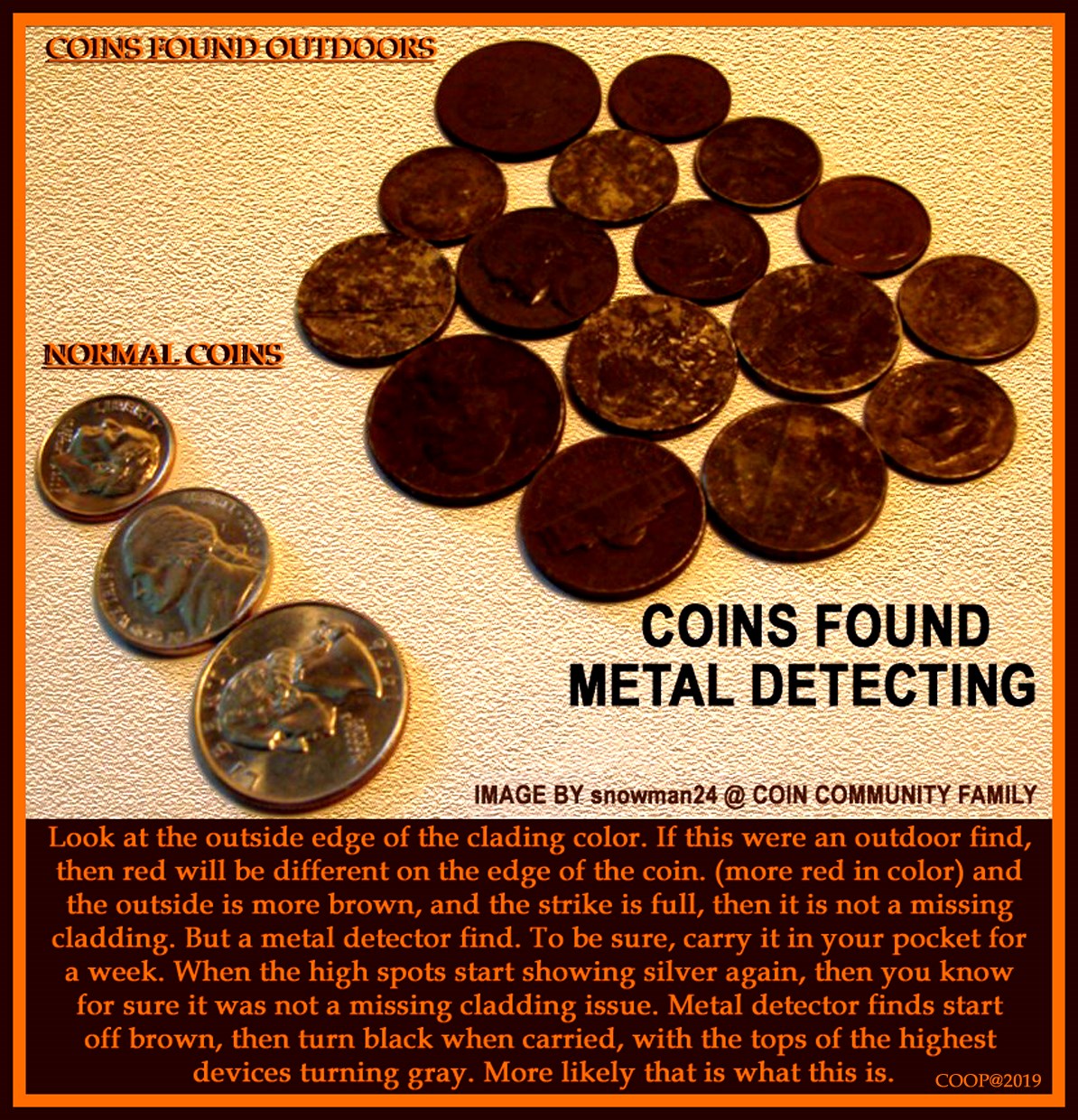 Found and spent. Nothing special about this coin. Kind of like an un-painted car in the junk yard. When it left the factory it didn't look like that. It was altered in time and circumstance. 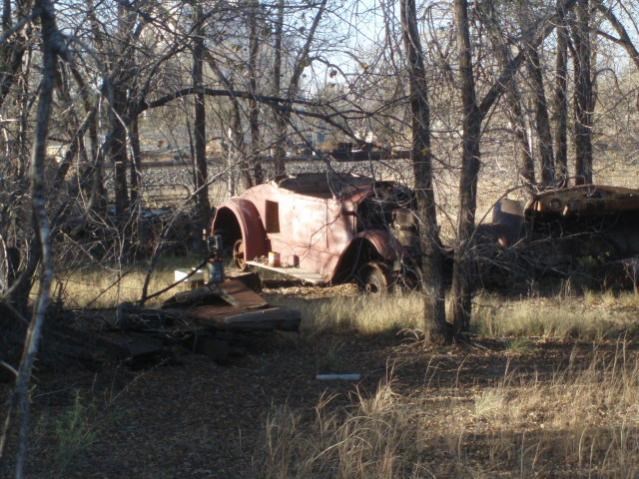 |
|
Bedrock of the Community
United States
62064 Posts |
When the residue wears off the coin, the normal color comes back. If you carried this in your pocket for a time, all the high spots would turn back to normal and the fields would remain darker in color: 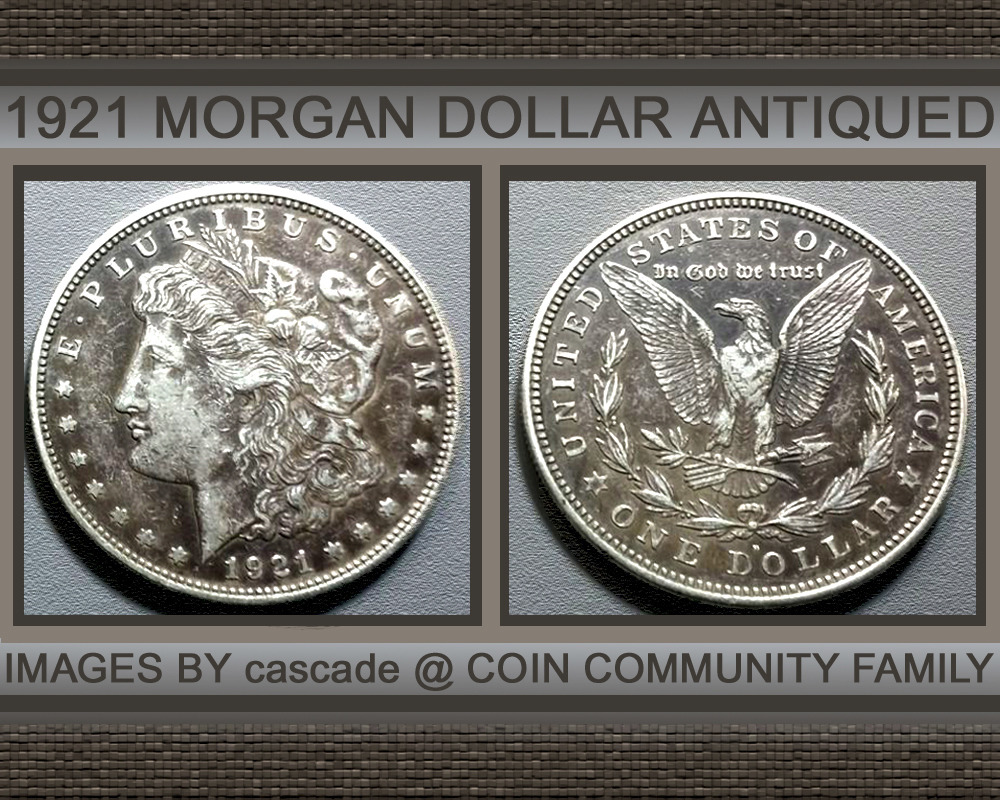 The longer it stays in circulation, the more of the original color will come back: 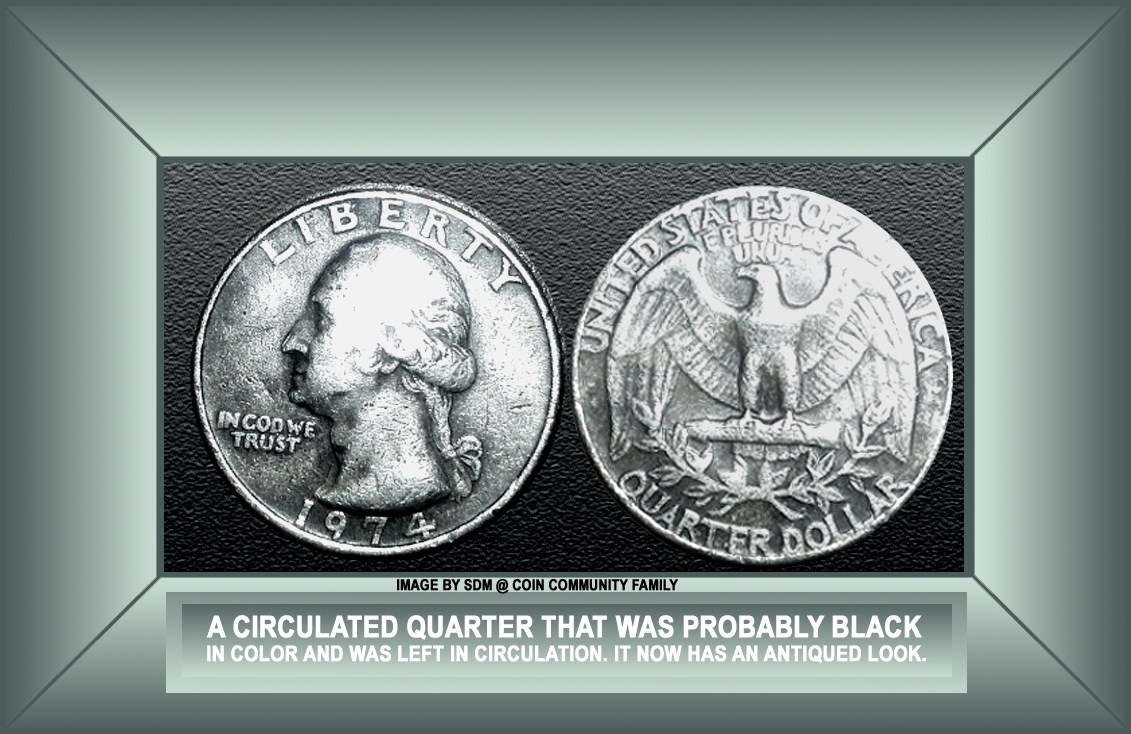 |
|
Pillar of the Community
United States
1667 Posts |
Corrosion from being buried only really happens if the soil is too acidic (corrosive) or too alkaline (caustic) to the metal. If the soil is neutral pH it won't corrode the metal but tanins from leaf litter, dead grass ect.that are in the soil will darken it considerably especially with rains occuring.
A storm drain in the street gutter for instance full of leaves and debrisand water could do something like this. Or a pond with pretty neutral pH.
Another theory is its an improper alloy mix. A u.s. Nickel is 75% copper, 25% nickel. If it's improperly mixed, the theory holds that there will be too much copper on the surface and it will tone hard like a cent does in circulation.
I dont think that's what I'm seeing in the picture though.
|
|
New Member
 41 Posts |
Hi,
Thank you for all the comments and information. I now agree it is a buried coin. First one I found in pocket change.
Thanks again
Regards,
|
|
Valued Member
United States
354 Posts |
In short... chemical damage.
|
| |
Replies: 8 / Views: 1,308 |
|










 Posted 05/24/2020 9:41 pm


