| Author |
 Replies: 18 / Views: 1,885 Replies: 18 / Views: 1,885 |
|
Valued Member
United States
373 Posts |
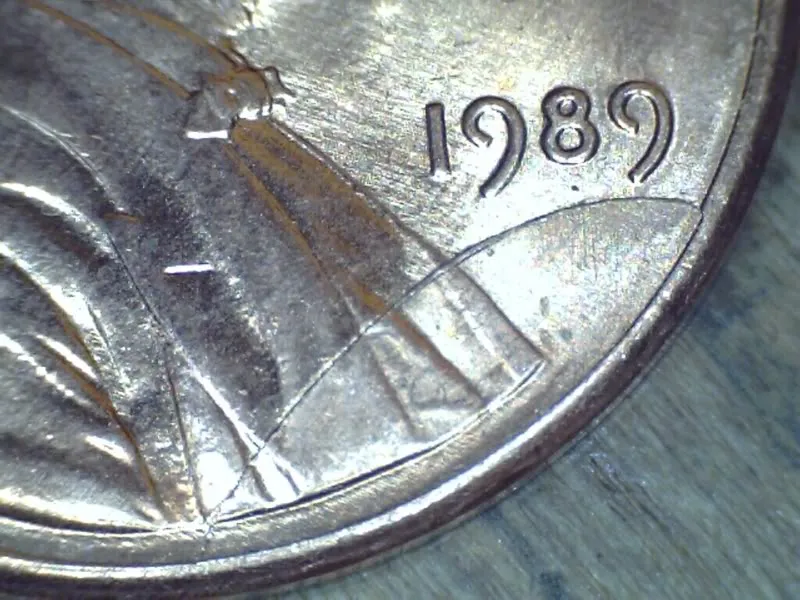
this is 1989 penny straight out of a obw so it uncirculated ? i thought it was a scratch but it its not it's in the coin thanks colleen 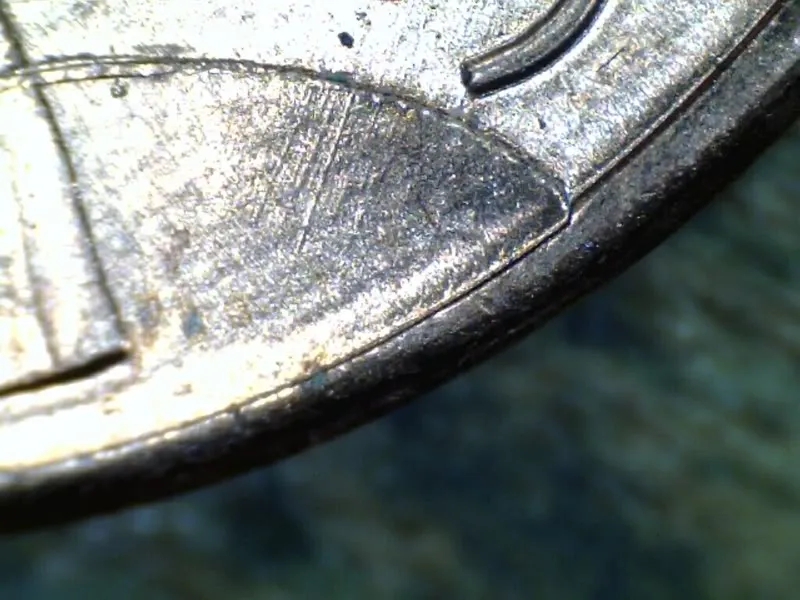 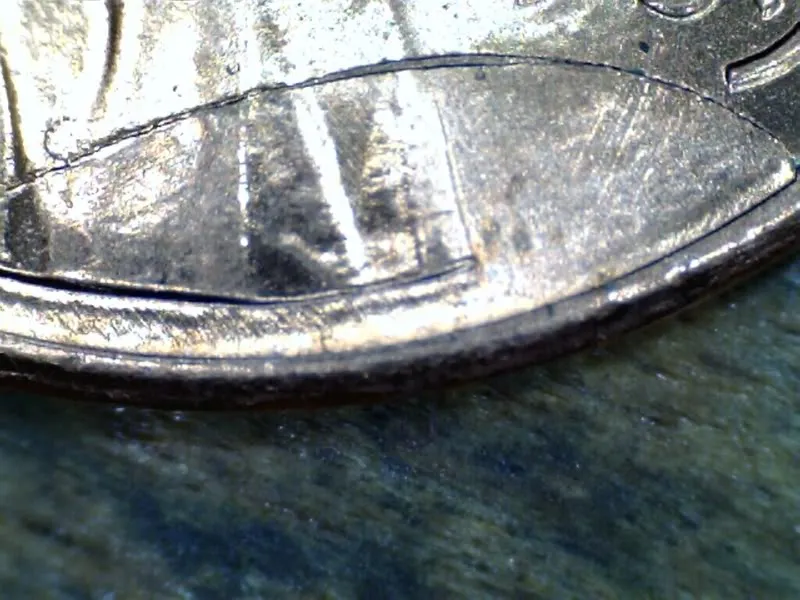 |
|
|
|
Valued Member
 United States
373 Posts |
i was just looking through a book and can this be a incomplete clip?
|
|
Pillar of the Community
United States
3507 Posts |
It looks like a die crack, that has just about reached the die break stage. The possibility is that after a few more strikes( No way to tell how many) that section of the die would break away striking coins with a raised blob like called a Cud. Thanks, Bill PS: please spell out what you mean when you use initials that are not commonly encountered. Somebody will ask what an obw is some of us know that is intended to mean "Original Bank Wrapped" roll but many will not be familiar with those initials. |
|
Bedrock of the Community
United States
14454 Posts |
maybe we need to have a facts sheet with all the abbreviations for new members like OBW,OGP,LMC,LWC,DDR,DDO and such, even though most collectors know what the abbreviations mean I guess some of the newer collectors may not. I doubt it would really do any good because most people wouldn't know the link to the abbreviations were there and would probably just ask what it meant anyway but we could at least provide a link to answer that question and they may learn what other abbreviations mean also
|
|
Pillar of the Community
United States
869 Posts |
I think this is a explanation of the varieties of errors. Coin World http://www.coinworld.com/newcollect...striking.asp And the best one for beginners from there site is this one: Machine, mechanical, Strike Doubling: A form of doubling, this is one of the two most common types of Mint errors. Some do not consider it an error, but believe it to be a form of Mint-caused damage. Mechanical Doubling Most, however, believe it a true form of error coin. The cause is a looseness of the die or other parts in the press which causes the die to twist as it comes in contact with the surface of the newly struck coin. In twisting, the die drags the metal of the raised designs to one side, creating the doubled image. The doubling is flat, like a shelf. Edited by coindexter
11/11/2008 1:17 pm
|
|
Valued Member
United States
373 Posts |
OK no problem
thanks for info
is it worth keeping?
colleen
|
|
Bedrock of the Community
United States
17884 Posts |
|
|
Bedrock of the Community
United States
20038 Posts |
|
|
Valued Member
United States
314 Posts |
Is it the whole roll of coins or just one coin?
|
|
Pillar of the Community
United States
2540 Posts |
condor: Retained Cud? I can't disagree, but? but it probably became a Cud in the nest few strikes. |
|
Valued Member
United States
373 Posts |
its one coin so far I have several rolls that I got at one time and that one was on the end of the roll or the begining of the roll
co
|
|
Bedrock of the Community
United States
12437 Posts |
I agree that it is probably a Retained Cud but I would still like to see the entire obverse just to be sure. If it is a Retained Cud, it is certainly a keeper- much better than a regular die crack but not quite as nice as a full Cud. Edited by biokemist6
11/11/2008 5:07 pm
|
|
Valued Member
United States
373 Posts |
|
|
Valued Member
United States
322 Posts |
|
|
Bedrock of the Community
United States
12437 Posts |
Yep, the full picture confirms it for me- retained cud- nice find  |
|
Pillar of the Community
United States
7629 Posts |
|
| |
Replies: 18 / Views: 1,885 |








 Posted 11/11/2008 12:39 pm