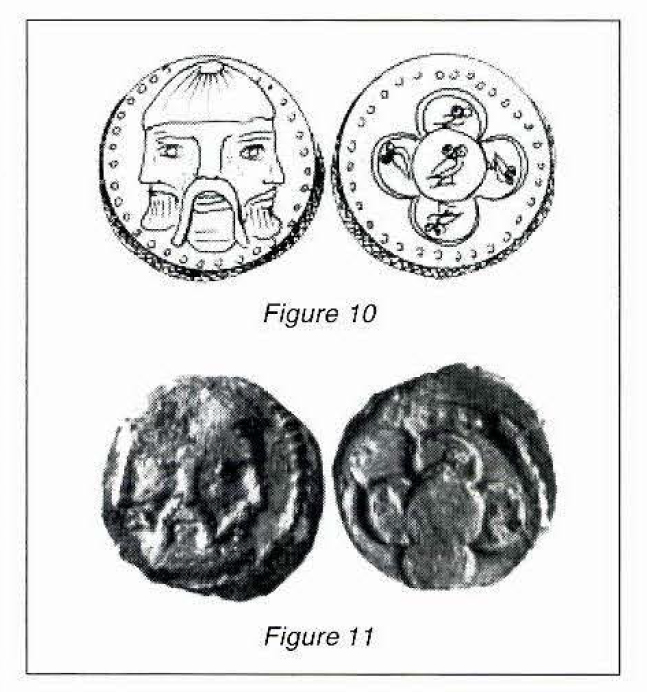
On some rare occasions during my travels through cyberspace, I have encountered examples of ancient coins with depictions of other ancient coins. Such depictions are exceedingly rare - and therefore interesting.
By contrast, quite a few coins, from several different ancient cultures, show the tools of the coin-making trade: hammer, tongs, anvil, and - occasionally - even coin dies. These are just a few examples:
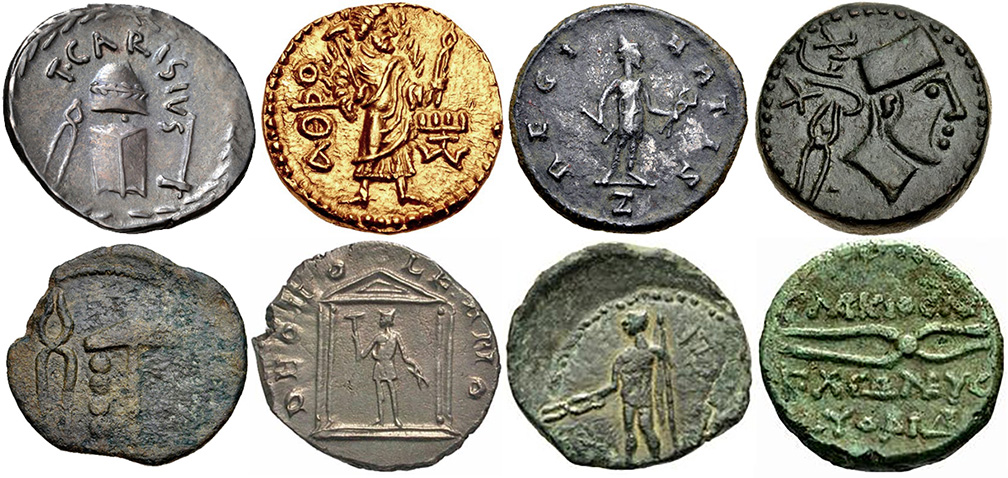 Top Row
:
T. Carisius, denarius (reverse), Roman Republic, 46 BC - courtesy of CNG
Huvishka, AV dinar (reverse), Kushan Empire, c.152-192 AD - courtesy of CNG
Claudius II Gothicus, antoninianus (reverse), Roman Empire, 268-270 AD - courtesy of CNG
Malaka, Iberia, AE unit (obverse), Celtic, 1st century BC - courtesy of CNG
Bottom Row:
Populonia, Etruria, AE Triens (reverse - the pellets are, apparently, not coins...rather, they may indicate the coin's value), late 3rd century BC - courtesy of CNG
Valerian I, antoninianus (reverse), Roman Empire, 253-260 AD - Agora Auctions
Lipara, Sicily, AE unit (reverse), after 252 BC - Bertolami Fine Arts
Lipara, Sicily, AE unit (reverse), end of 3rd century BC - Numismatica Ars Classica NAC AG
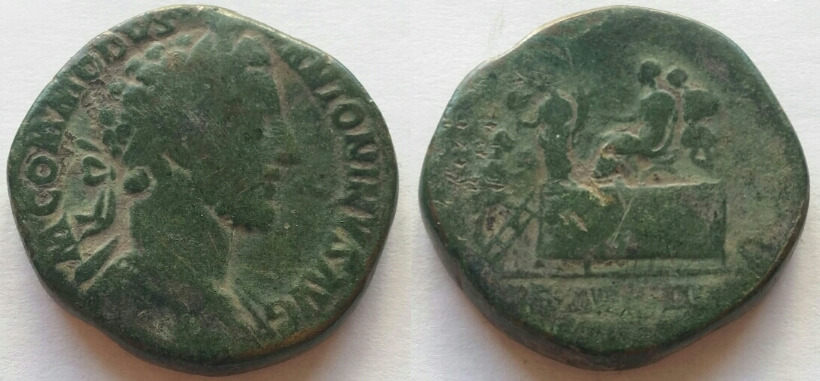
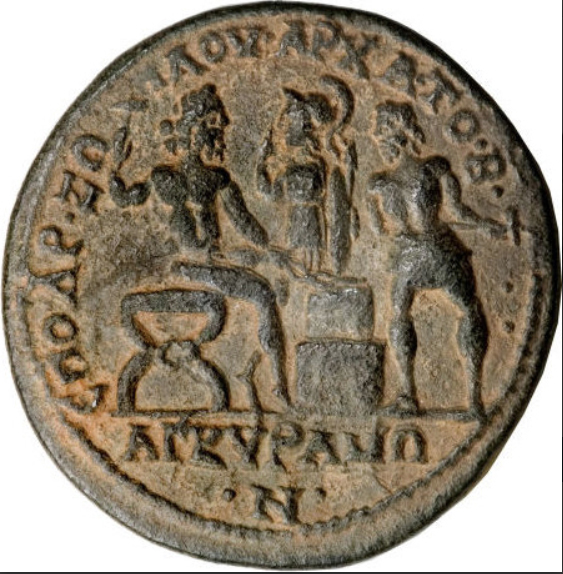
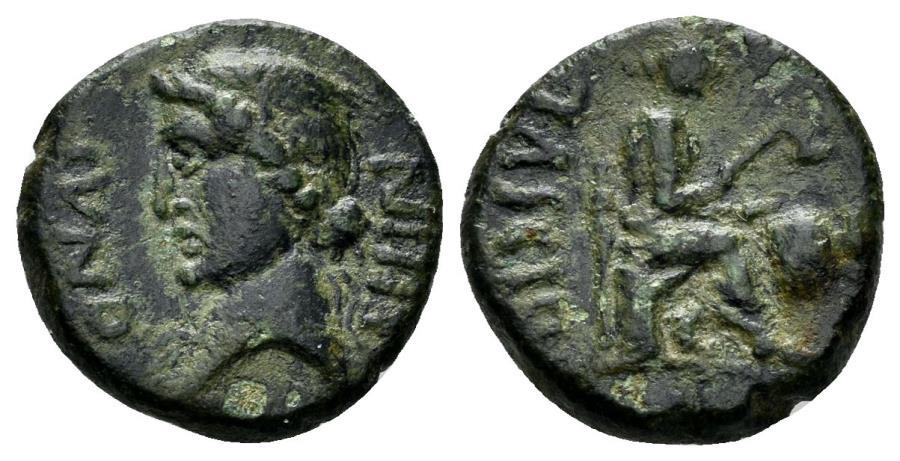
Some very rare coins show striking in progress. Here, from RPC Online, is the reverse of a Philip I Provincial from Ancyra, Phrygia, showing the god of fire Hephaestus (his Roman equivalent is Vulcan - he is also seen in some of the coins above) seated in front of an anvil, with hammer and tongs. (The other figures here are Athena and Cyclops)
Much, much rarer than the depiction of the tools used
to make coins is the depiction of actual ancient coins
on ancient coins.
With a notable exception, which this is leading up to, the rare illustration of coins on ancient coins is tiny, a minuscule motif within a larger scene.
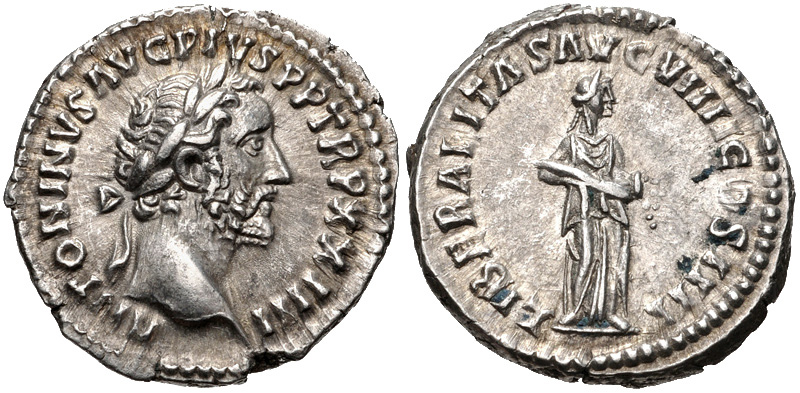
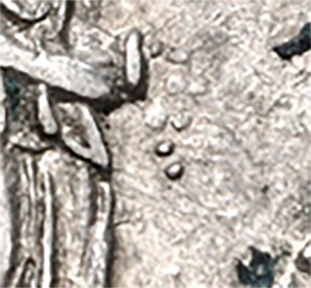
Antoninus Pius denarius with a reverse showing Liberalitas emptying coins out of a cornucopia. Courtesy of CNG:
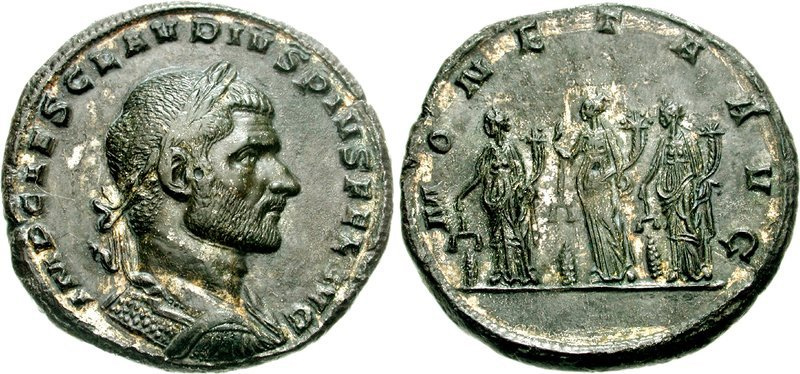
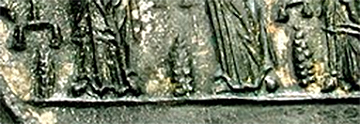
Claudius II Gothicus AE medallion with a reverse showing the three Monetae with stacks of coins at their feet. Courtesy of CNG:
Cue the drum roll please.
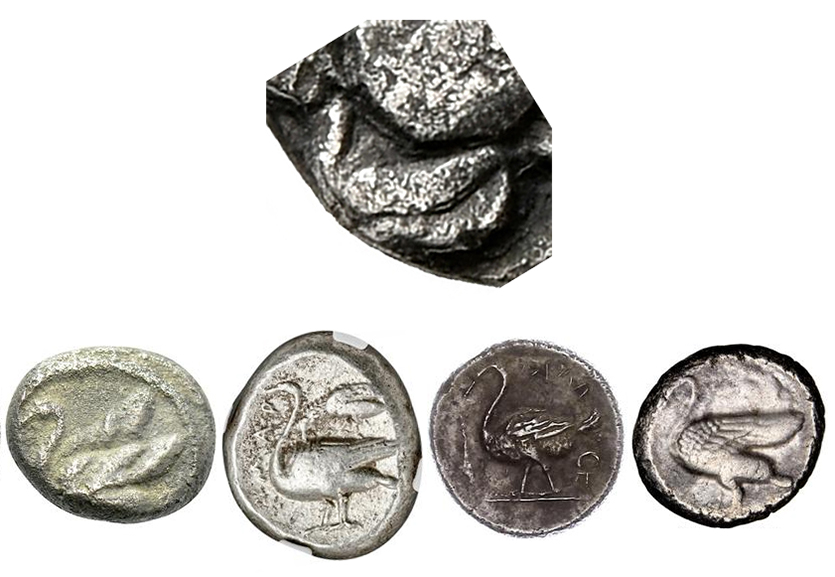
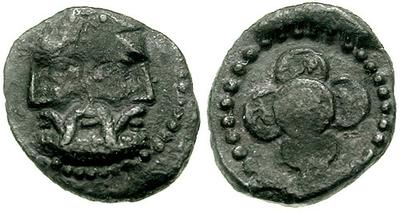
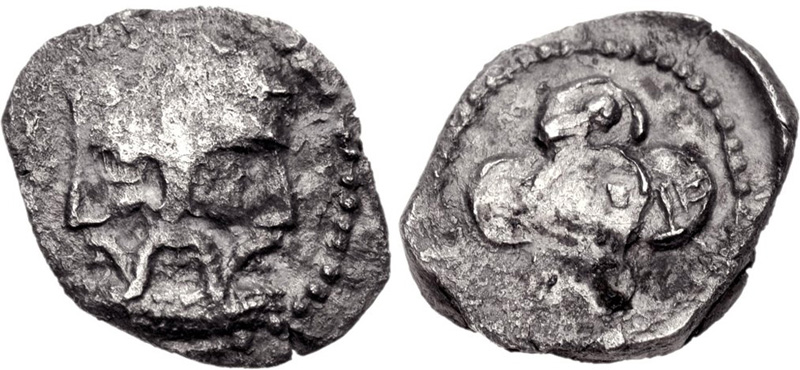
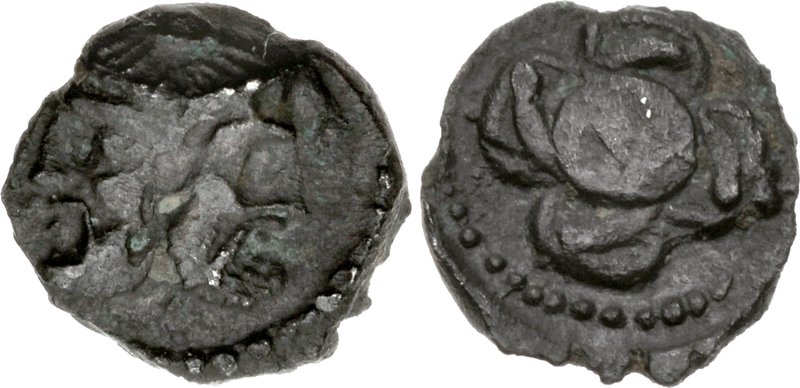
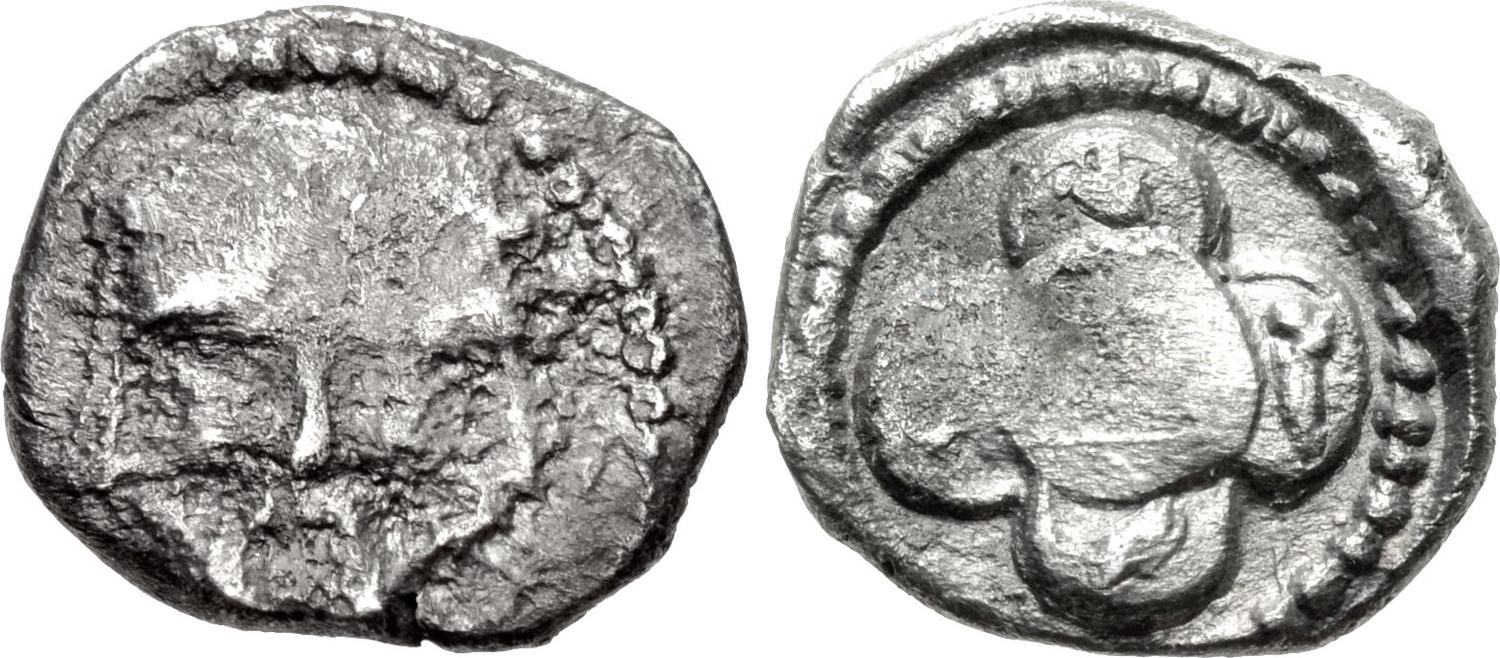
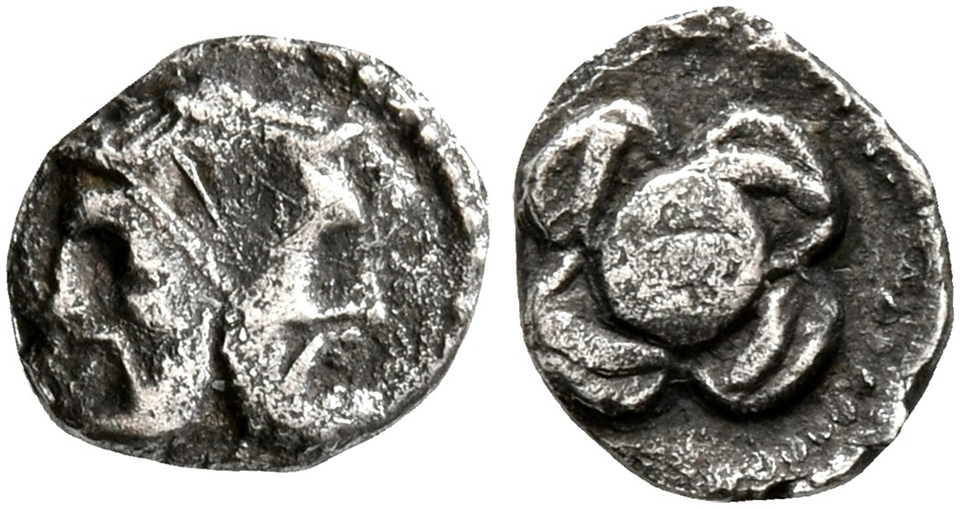
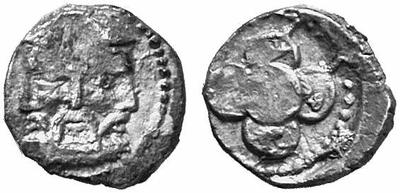
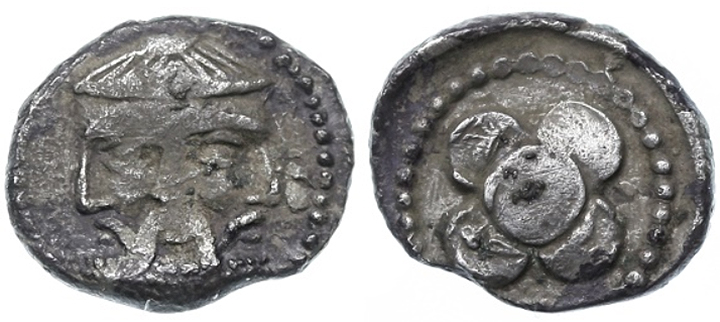
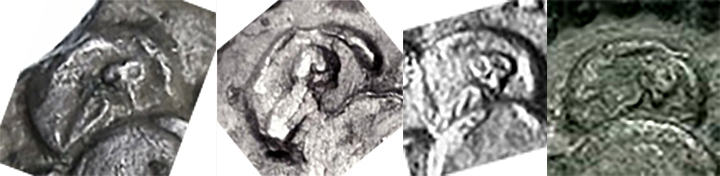
By far the neatest depiction of ancient coins on ancient coins are two types of silver fractions from 4th century BC Samaria. They are remarkable, showing on the reverse five coins together, with the closest one stacked over the others. Sometimes, it seems, all of the five coins are Athenian tetradrachms, with the owls visible. On others, there seem to be different types of ancient coins depicted, but always with at least one Athenian type owl. Sadly, no extant specimens show great detail, to my knowledge. (Assuming they ever had much detail to begin with) The obverse depicts a bi-face (Janiform) head on the hemiobols and a triple-faced head on the obols. (Images below courtesy of CNG, Leu Numismatik, and VCoins)
 Owls
Owls:












 Posted 06/24/2020 6:10 pm