

 Posted 07/04/2020 12:30 am


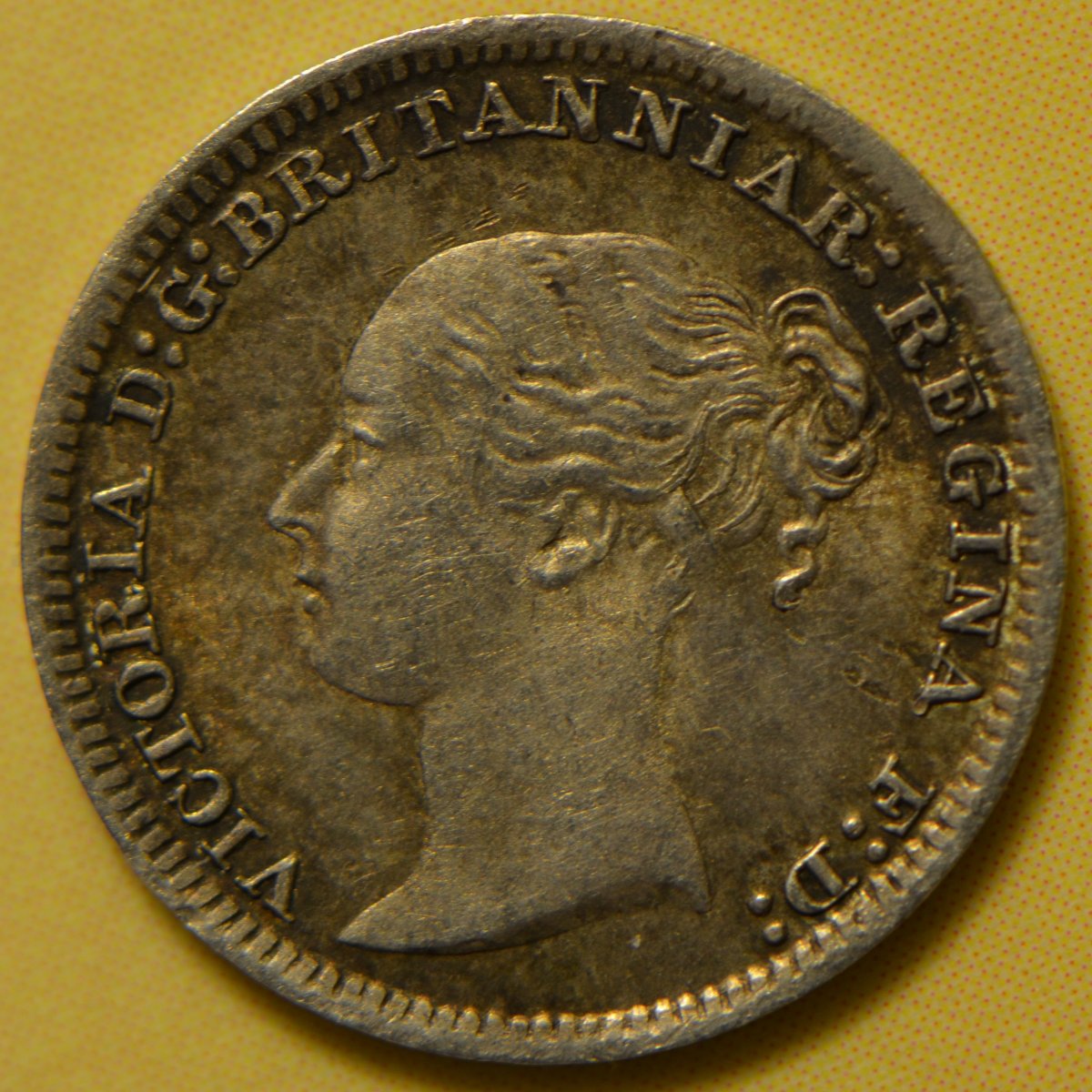
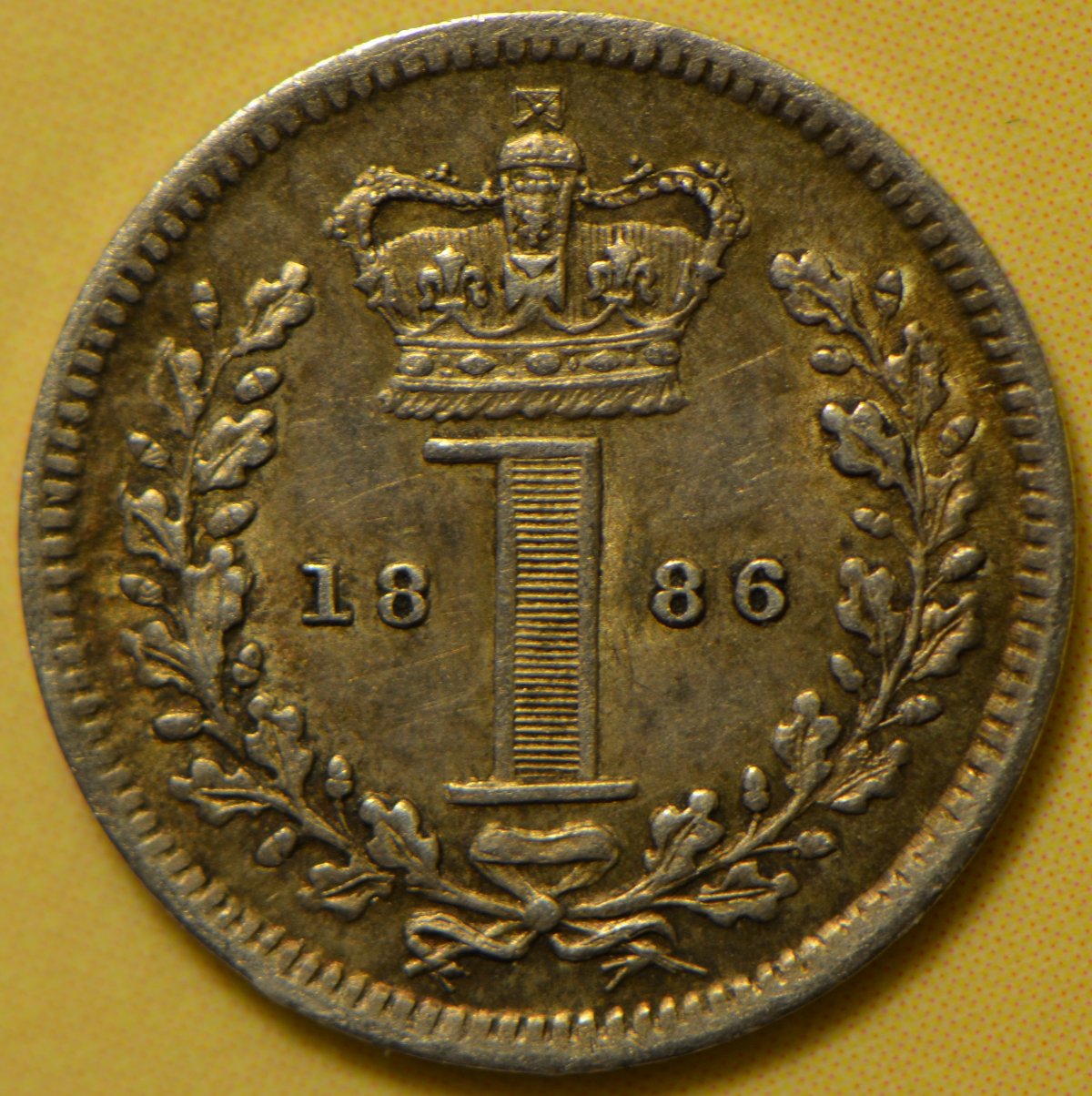
The detail was easy to produce, because at the time this coin was minted,
The Royal Mint was using pantographic reduction machines to engrave the master dies for the much smaller Maundy issues.
At most, only a few thousand of each value and date were coined for personal presentation to the poor
by the Monarch, or her Royal representative, the Royal Almoner, on Maundy Thursday each year.
Due to their relative scarcity and Biblical and Royal importance, these coins can have a value of at least a few Pounds or so, even in this grade. Very few of them found their way back to be melting pot, because of their keepsake value.
Like the U.S. Three Cent Silvers and Half Dimes,
these coins are very often found holed, and then they are only worth silver value.
The Royal Mint was using pantographic reduction machines to engrave the master dies for the much smaller Maundy issues.
At most, only a few thousand of each value and date were coined for personal presentation to the poor
by the Monarch, or her Royal representative, the Royal Almoner, on Maundy Thursday each year.
Due to their relative scarcity and Biblical and Royal importance, these coins can have a value of at least a few Pounds or so, even in this grade. Very few of them found their way back to be melting pot, because of their keepsake value.
Like the U.S. Three Cent Silvers and Half Dimes,
these coins are very often found holed, and then they are only worth silver value.