Proofs have been around for a lot longer than polished fields and cameo reliefs.
The original idea of a proof coin is that
it is to be the best possible quality off the dies, and was used as comparison standard for business strikes. Proofs
were a method of quality control.
Very often for a date or type, less that 100 examples were made, and as such, these sort of proofs can be extremely rare, and thus highly valuable, especially if still in high
PR condition. In circulated condition, it can be hard to obviously tell the difference between a proof and a good business strike.
In this state a novice collector could easily miss and old style proof, especially if it has been circulated.
It is
essential to know what you are looking for.
Not anymore.
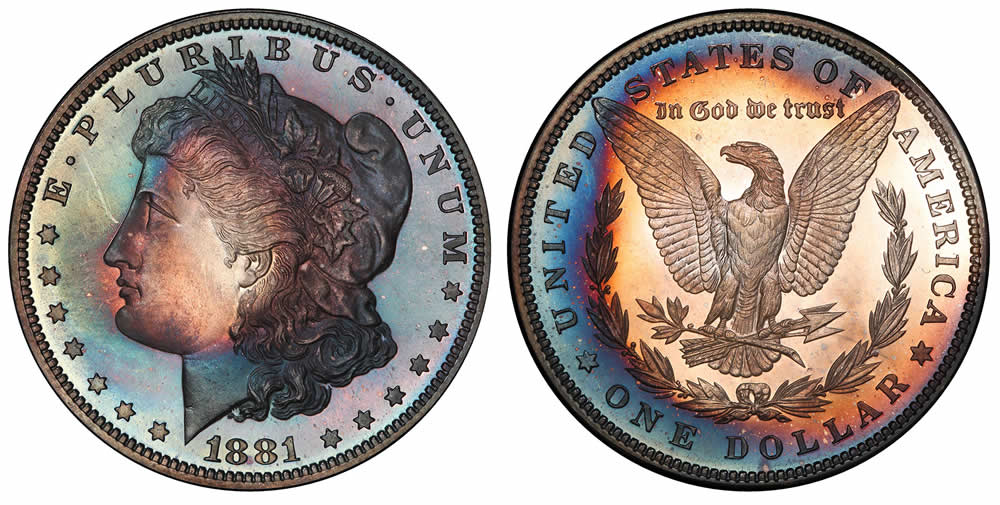
These days, proofs are specially made collector mint product coins. Production numbers can run into the hundreds of thousands. They are a profit money spinner for the Mint.
Proofs are now prepared from specially prepared blanks, then planchets and then struck from polished field dies, with cameo reliefs.
Quite often in the cameo process, some relief detail is lost, and I have seen sharper relief detail in business strikes than I have seen in the relief detail of cameo proofs, even in encapsulated by the Mint PR-70 examples. That is a pity.
The U.S. Mint seems to have a better cameo process for the dies than does the
RCM or the RAM.
Prooflike coins re produced in much the same way as modern cameo proofs but less expense is consumed in their production. Polished dies are still the norm, but less often polished blanks then planchets are used.
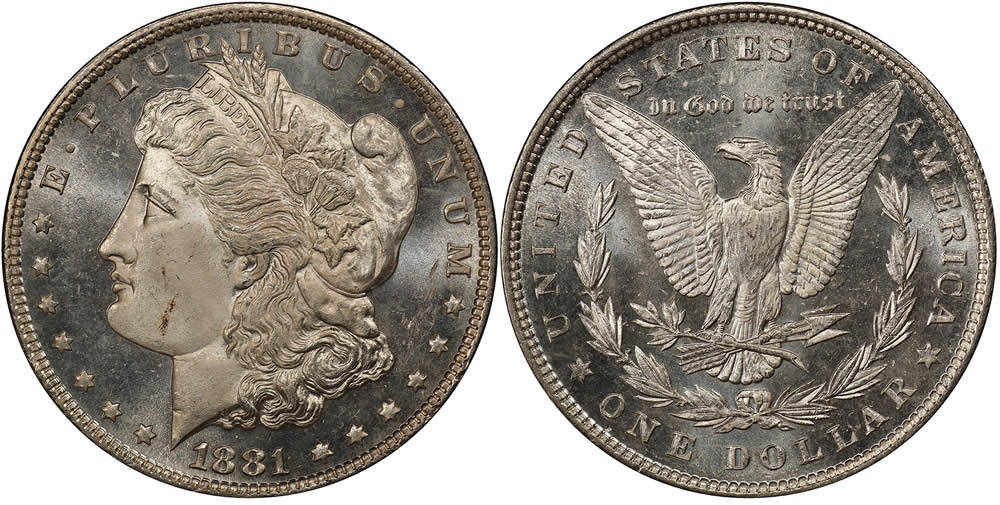
DMPL Morgans are a different kettle of fish altogether.
They are the very first examples off new dies (DMPL), then the next group to follow are just PL, as the dies wear.
AS such, a high grade DMPL or PL Morgan commands all of the collector respect that they get, much as the old style proofs mentioned above, and are just about as rare.









 Posted 10/21/2020 11:12 pm


