| Author |
 Replies: 11 / Views: 1,772 Replies: 11 / Views: 1,772 |
|
|
CCF Advertiser
 United States
1318 Posts |
Edited by louisvillekyshop
11/20/2020 12:35 am
|
|
|
|
Pillar of the Community
United States
1554 Posts |
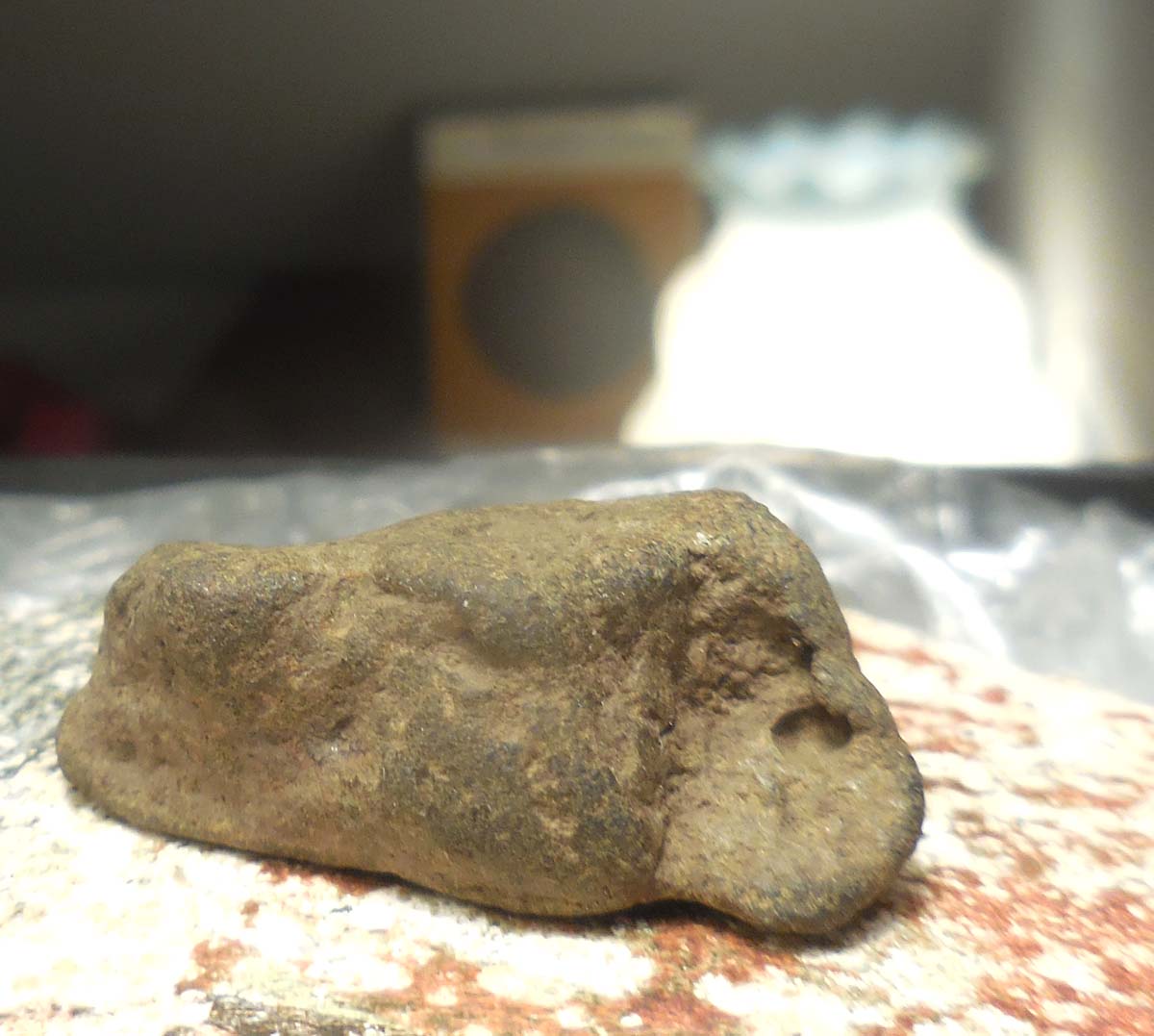
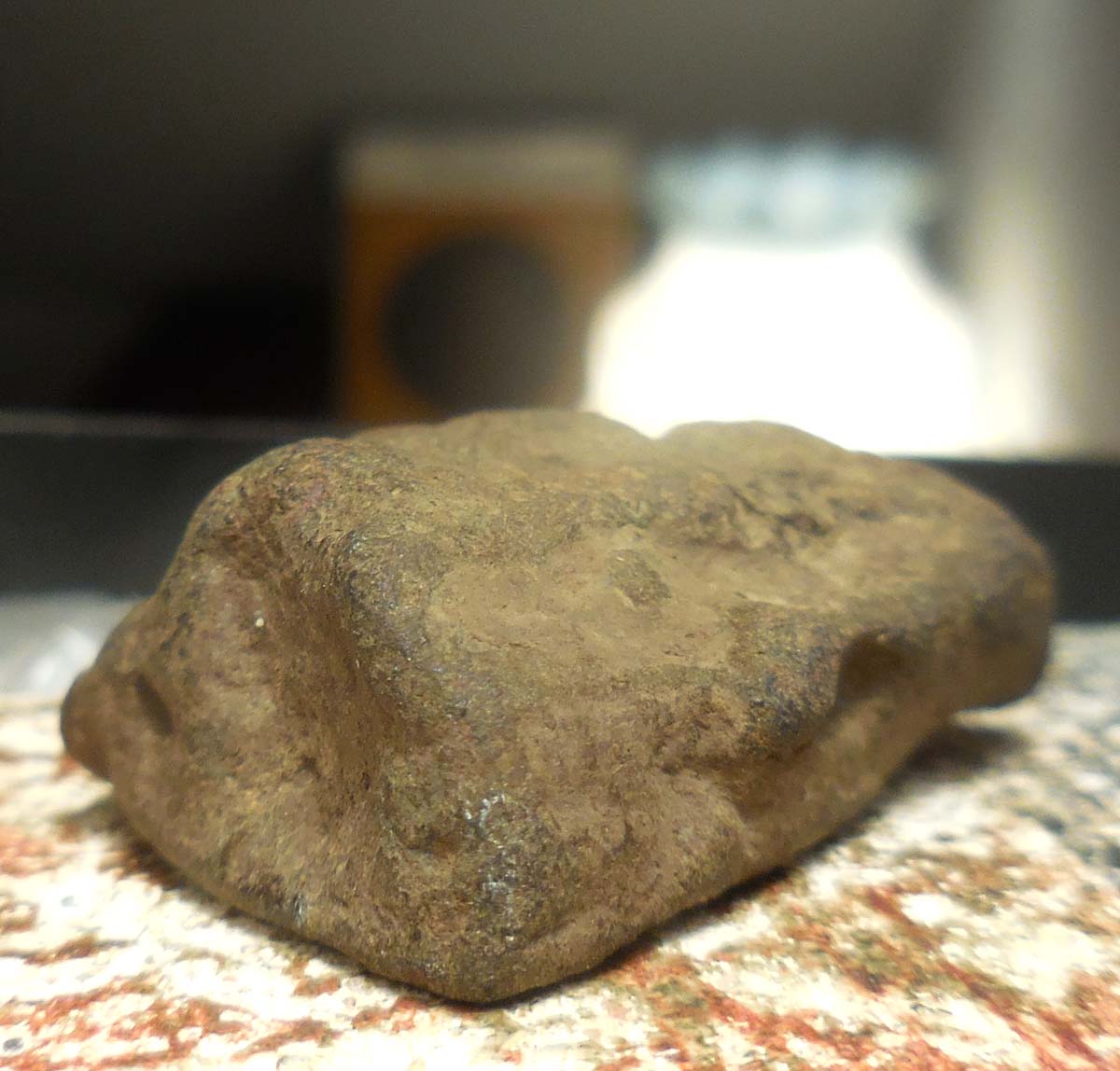
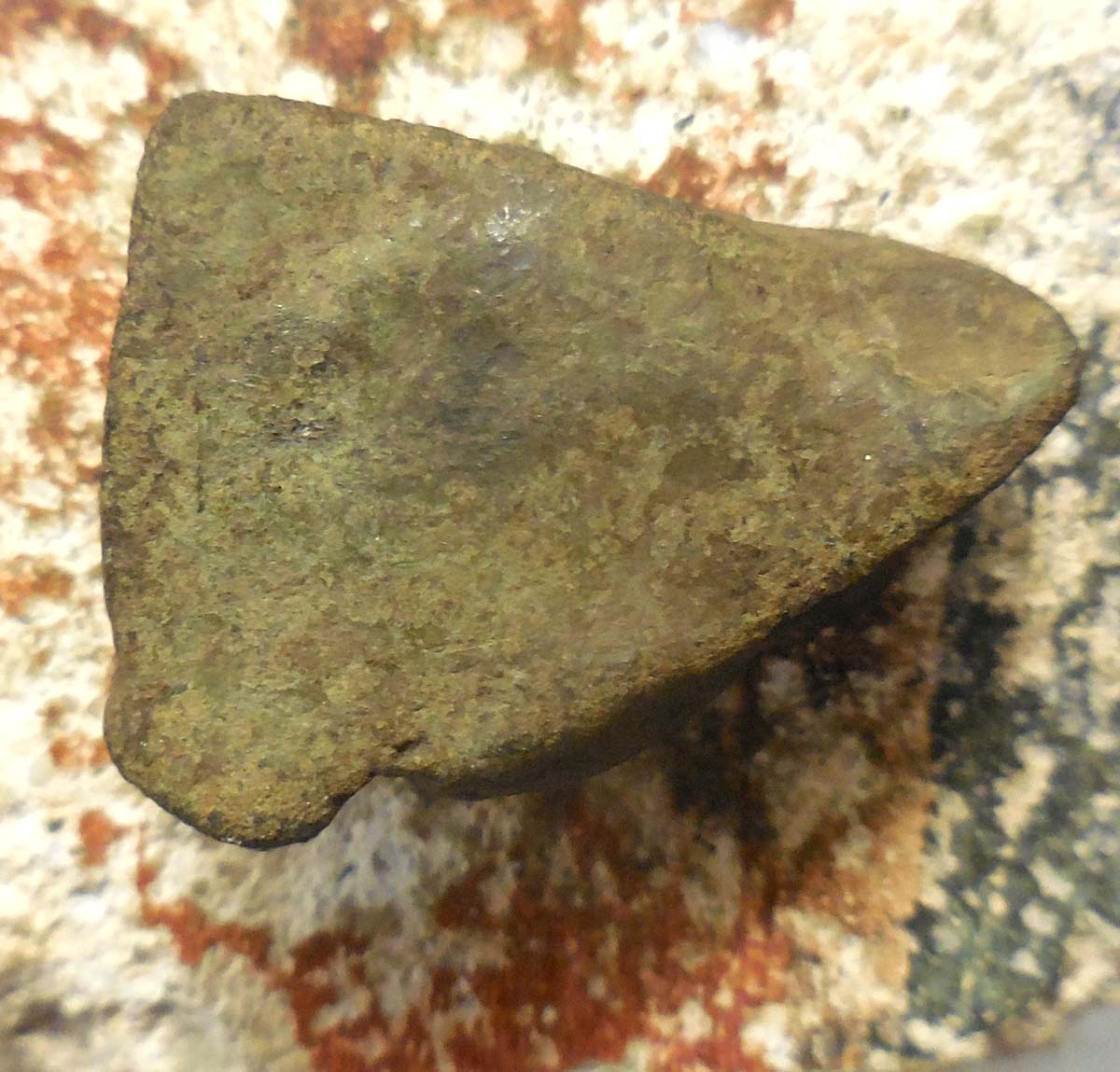
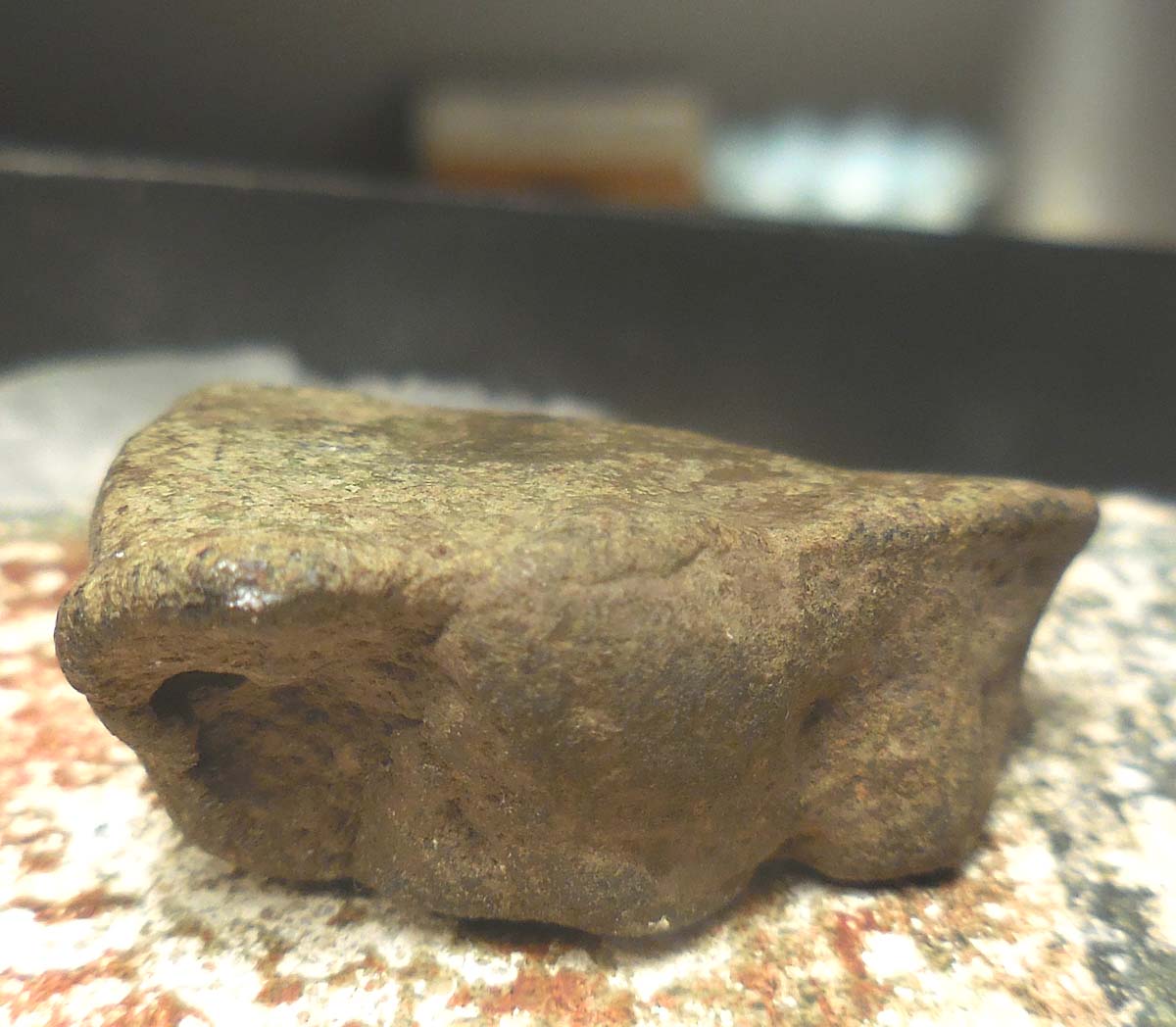
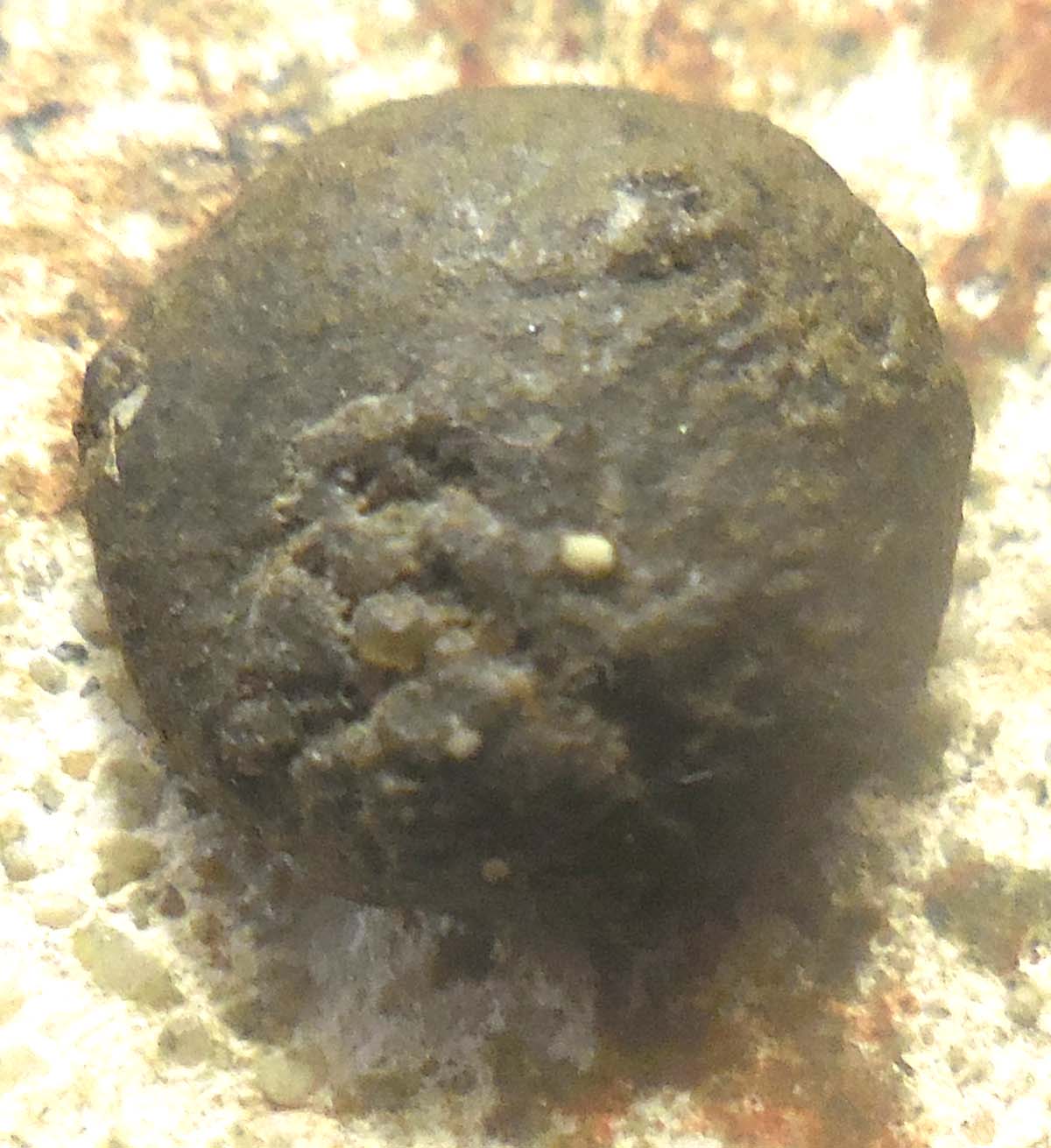
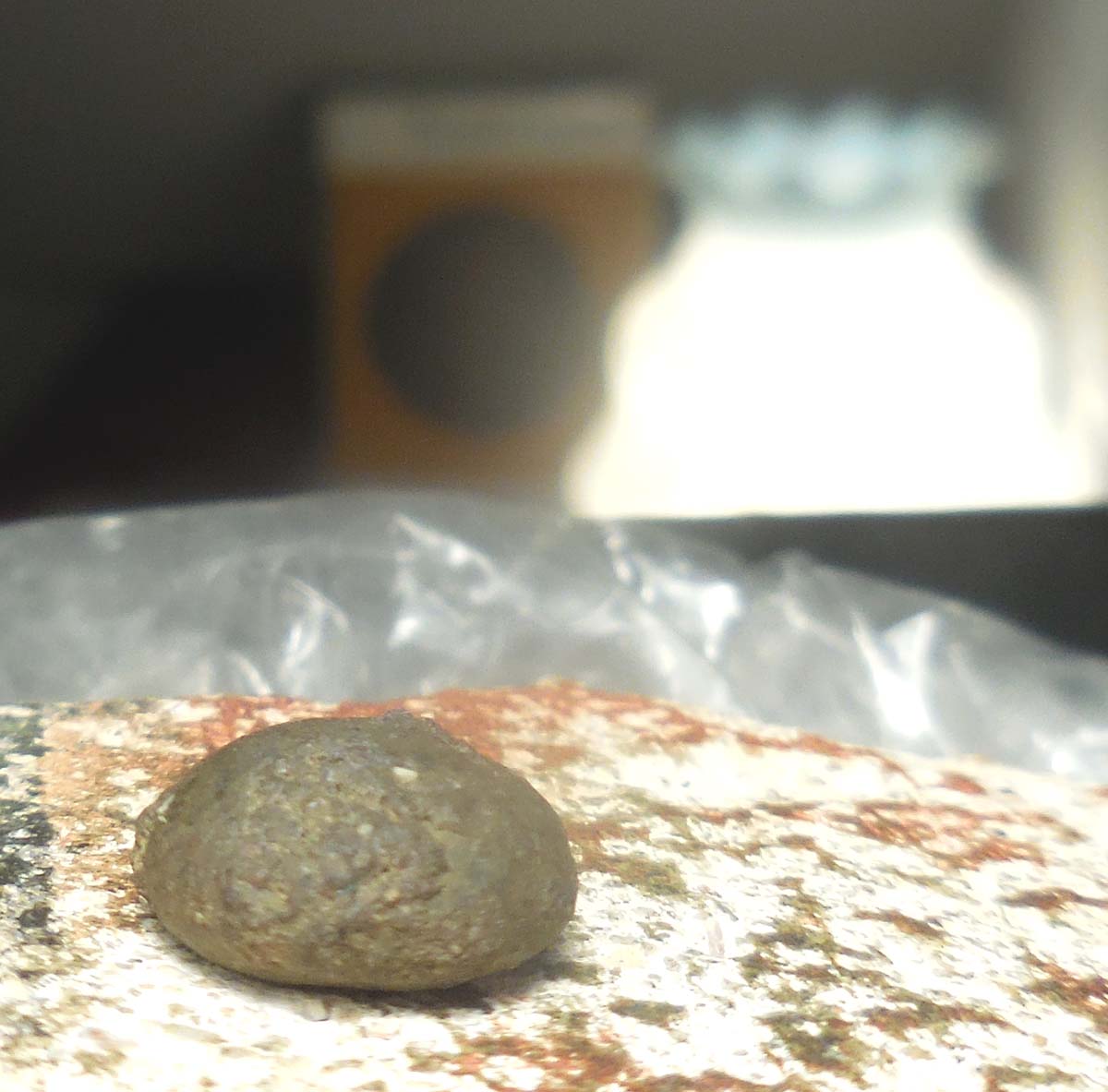
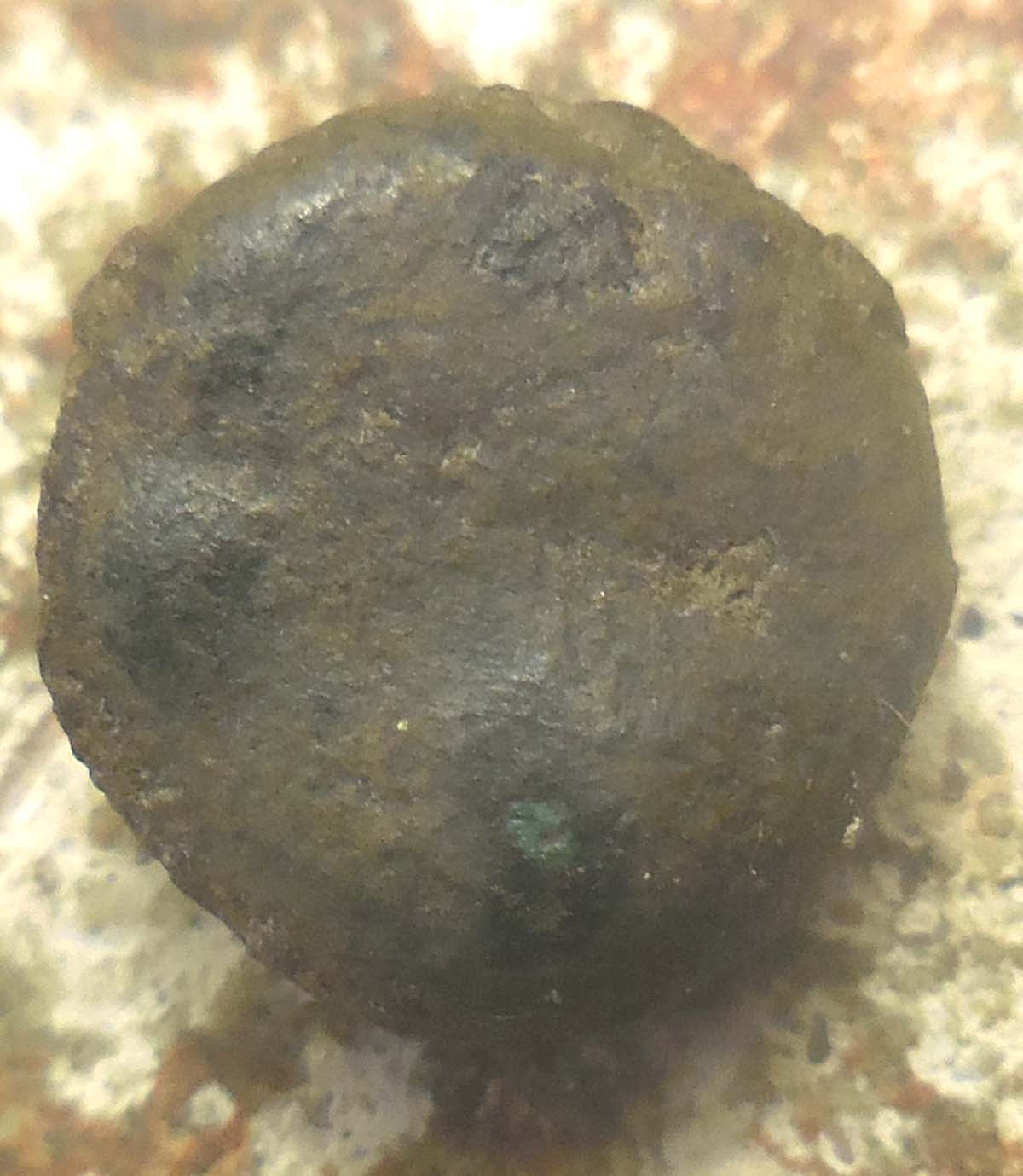
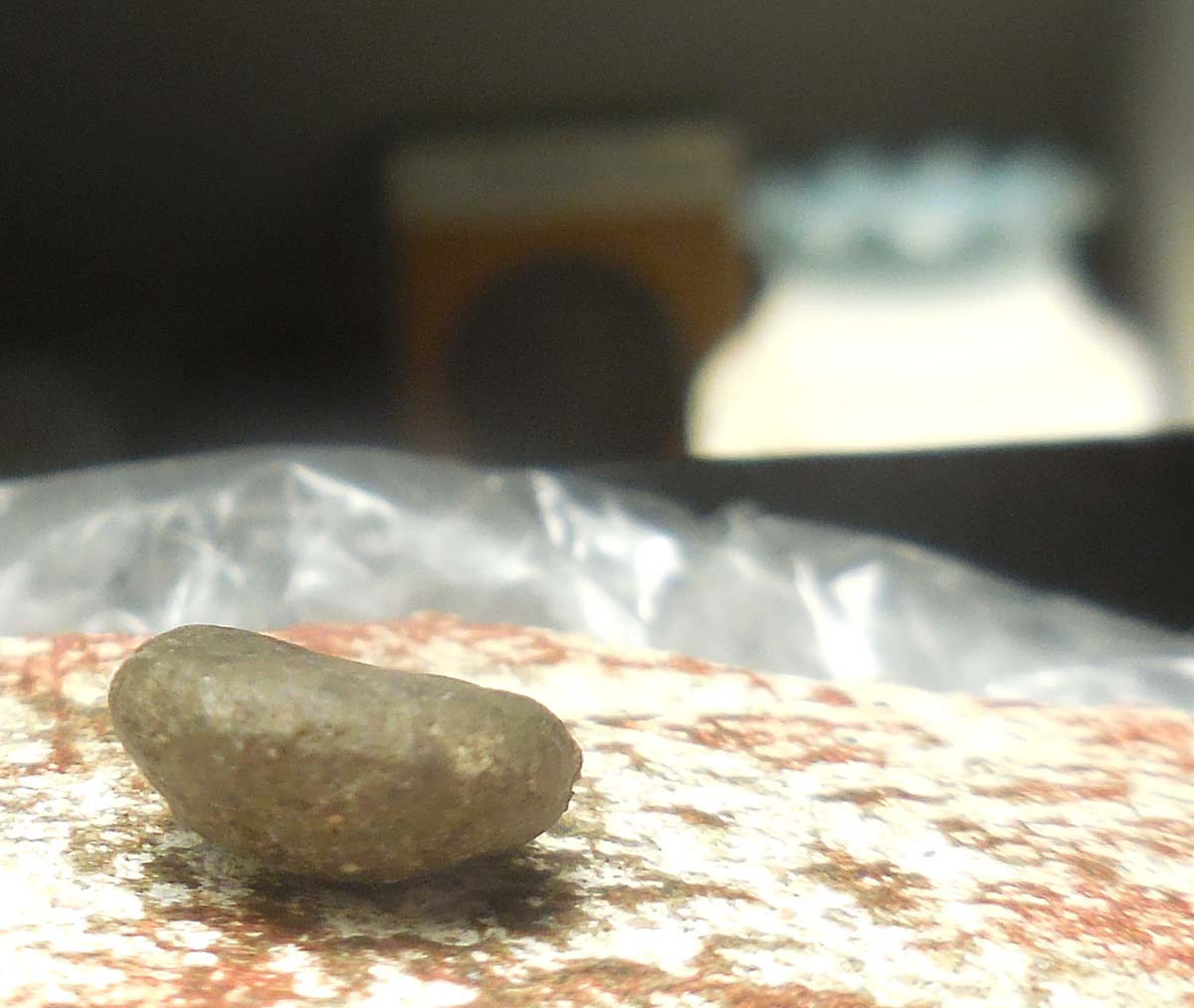
My first thought is that definitively genuine aes rude (i.e. with archaeological context) is normally much larger. The question you pose is a good one. Without archaeological context, how does one distinguish authentic Italian aes rude from random bits of bronze scrap 200 years old from China, for example, or 1000 years old from India or 5000 years old from Mesopotamia? I've asked this question elsewhere a number of times and have never received a satisfactory answer.
Edited by Kushanshah
11/20/2020 01:39 am
|
|
Pillar of the Community
United States
1543 Posts |
There is a relatively new dating technique called voltammetric dating that can purportedly date copper and bronze.
That wouldn't tell you where it was made but with metal composition and a approximate date it would be less of a guess.
Edited by Gincoin43
11/20/2020 01:57 am
|
|
CCF Advertiser
 United States
1318 Posts |
Edited by louisvillekyshop
11/20/2020 5:38 pm
|
|
Moderator
United States
34554 Posts |
Interesting pieces to post as well as good questions for us to ponder. Thx @lks!
"If you climb a good tree, you get a push."
-----Ghanaian proverb
"The danger we all now face is distinguishing between what is authentic and what is performed."
-----King Adz
|
|
CCF Advertiser
United States
1318 Posts |
Wow, 100 pounds of these things used to get you an Ox or 100 Sheep! From a past Agora reference. Cool.
"Fifth century Rome saw the official valuation of bronze at equivalents of oxen and sheep, when in c. 450 the decemvirs codified the Roman Law in the famous 'Twelve Tablets' which recognized the bronze currency in use in central Italy (i.e., 1000 Asserae = 1 ox, 100 lbs of bronze = 1 ox, 10 Asserae = 1 sheep, etc). A system of barter with copper objects had long existed in central Italy where copper was plentiful and valued while silver was rare and gold non-existent. The Italic population had produced Aes Rude from very early times and they are often found in hoards of votive deposits to divinities of fountains and rivers from the first half of the 1st millennium B.C. to the end of the 4th century B.C."
Edited by louisvillekyshop
11/20/2020 6:27 pm
|
|
Bedrock of the Community
Australia
21792 Posts |
I certainly agree with OP's frustration.
I don't know either.
Definitely rude, but is it aes?
Putting it in the assumed contemporary era, it certainly could have been used as money.
|
|
CCF Advertiser
United States
1318 Posts |
(1 Sheep/1) x (10 Asserae/1 Sheep) x (1 Ox/1000 Asserae)
x (100 Pounds Bronze /1 Ox) = So One Pound gets one sheep
and I have a 32 gram piece so 454g/32g = 14 so
once I have about 13 more of these Rudes and I get myself a sheep!
|
|
Pillar of the Community
United States
6130 Posts |
That's the exact reason I always scroll past purported listings of "aes rude" and "hacksilber" - how the heck do you prove it?
For the first one, I just don't see how it could be anything monetary from the Aes Rude era - the standard unit of account was the pound of bronze, and that one is probably a few grams? Too small to be a real amount of money, IMO. The second I guess could be a genuine Aes Rude, but again it could just be a random ingot.
|
|
Bedrock of the Community
Australia
21792 Posts |
In my more than 50 years of my numismatic life,
I have never seen an example of aes signatum offered for sale.
|
|
Pillar of the Community
United States
1543 Posts |
|
|
CCF Advertiser
United States
1318 Posts |
You know if you think about what people trade for other things, a lump of Bronze would have been a pretty handy thing to have. If it did not have a set value like a coin the commodity could be used by someone to make a small knife or odd little tool without having to start out smelting out the Copper from the sulfide rock. The bronze age in my opinion never really ends if you look at how poorly iron holds up with time compared to bronze. All the way through middle ages you see so much bronze work these lumps would be so important for. At first they are just another commodity available at the market like wheat or wood, cloth. The exact time Rome officially put a mark of value on these something major happened and they became money. So although these worked as money, so did a basket of fruit or a bundle of wood.
|
| |
Replies: 11 / Views: 1,772 |
|











 Posted 11/20/2020 01:56 am