| Author |
 Replies: 9 / Views: 915 Replies: 9 / Views: 915 |
|
|
Pillar of the Community
United States
3281 Posts |
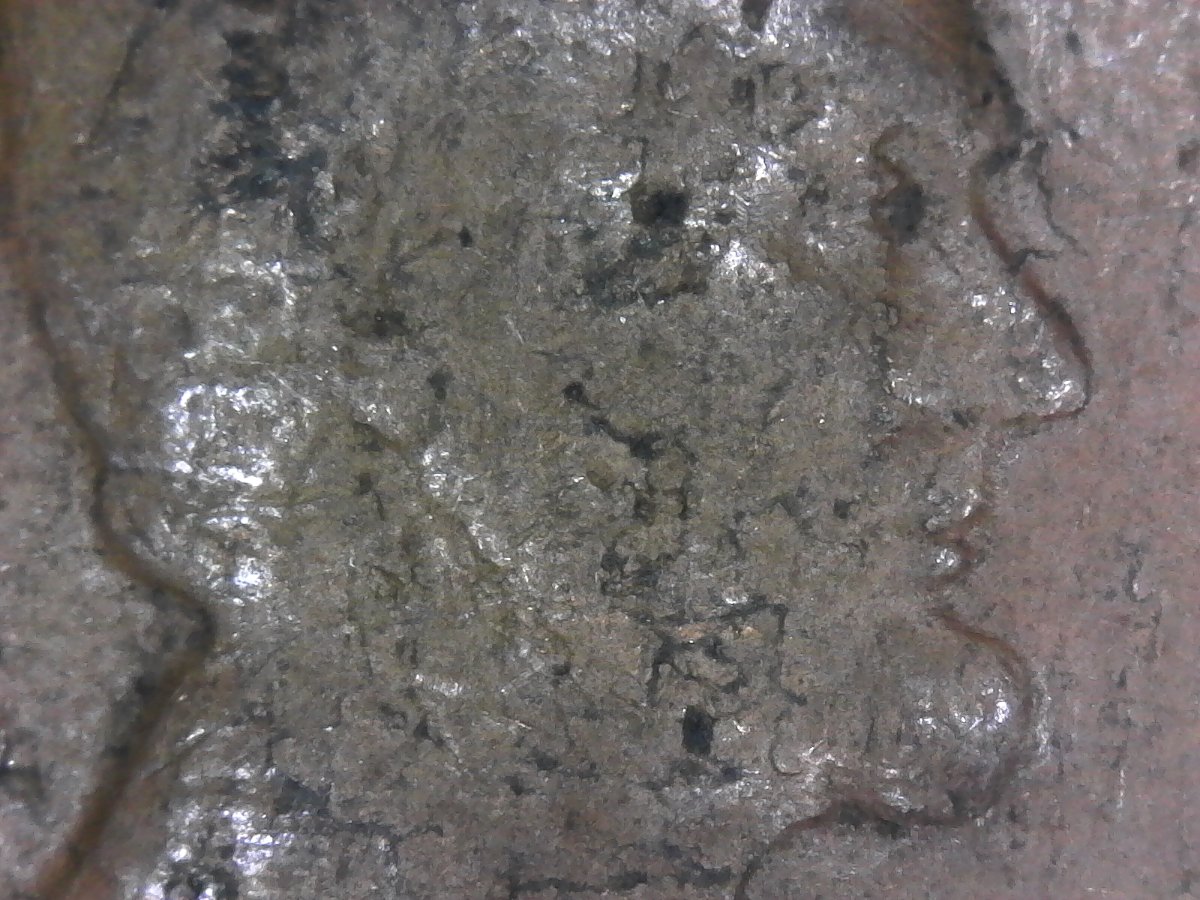
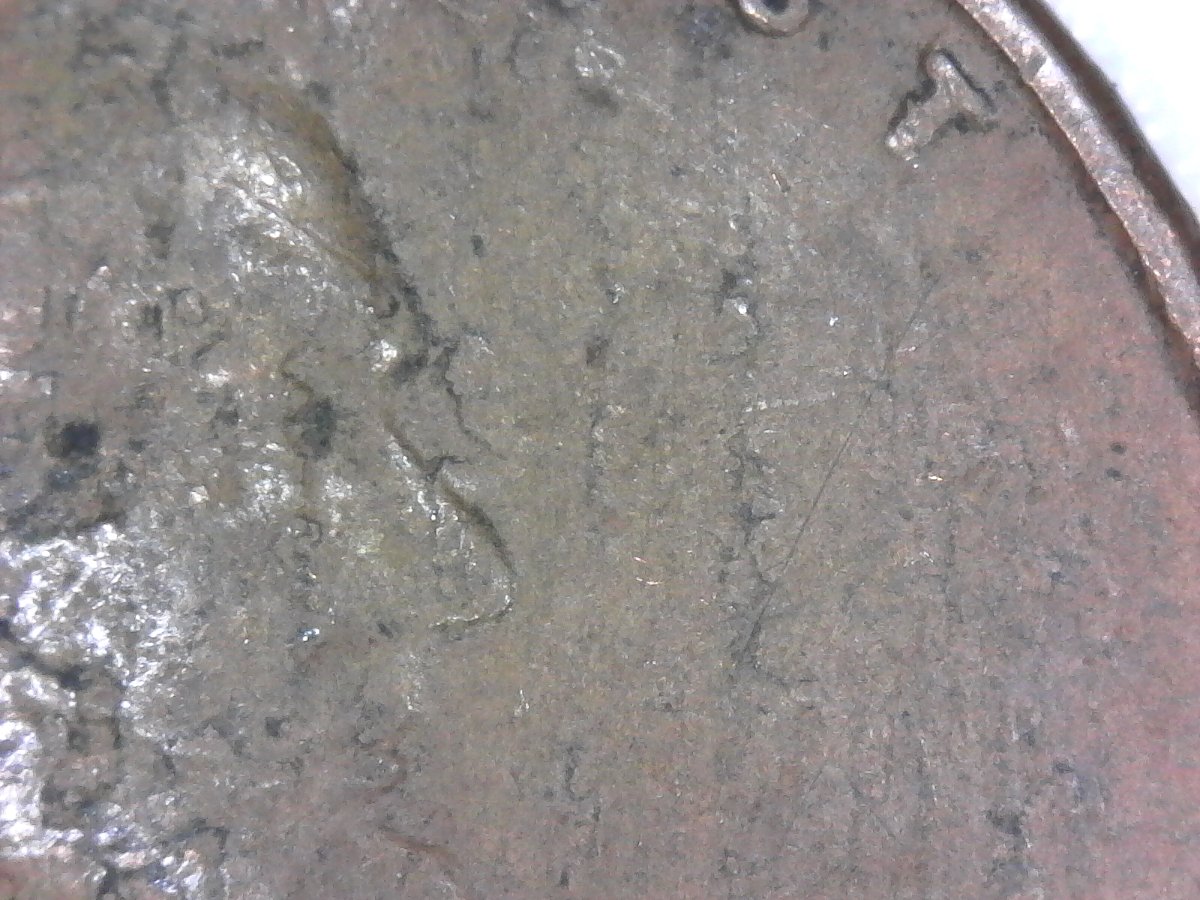
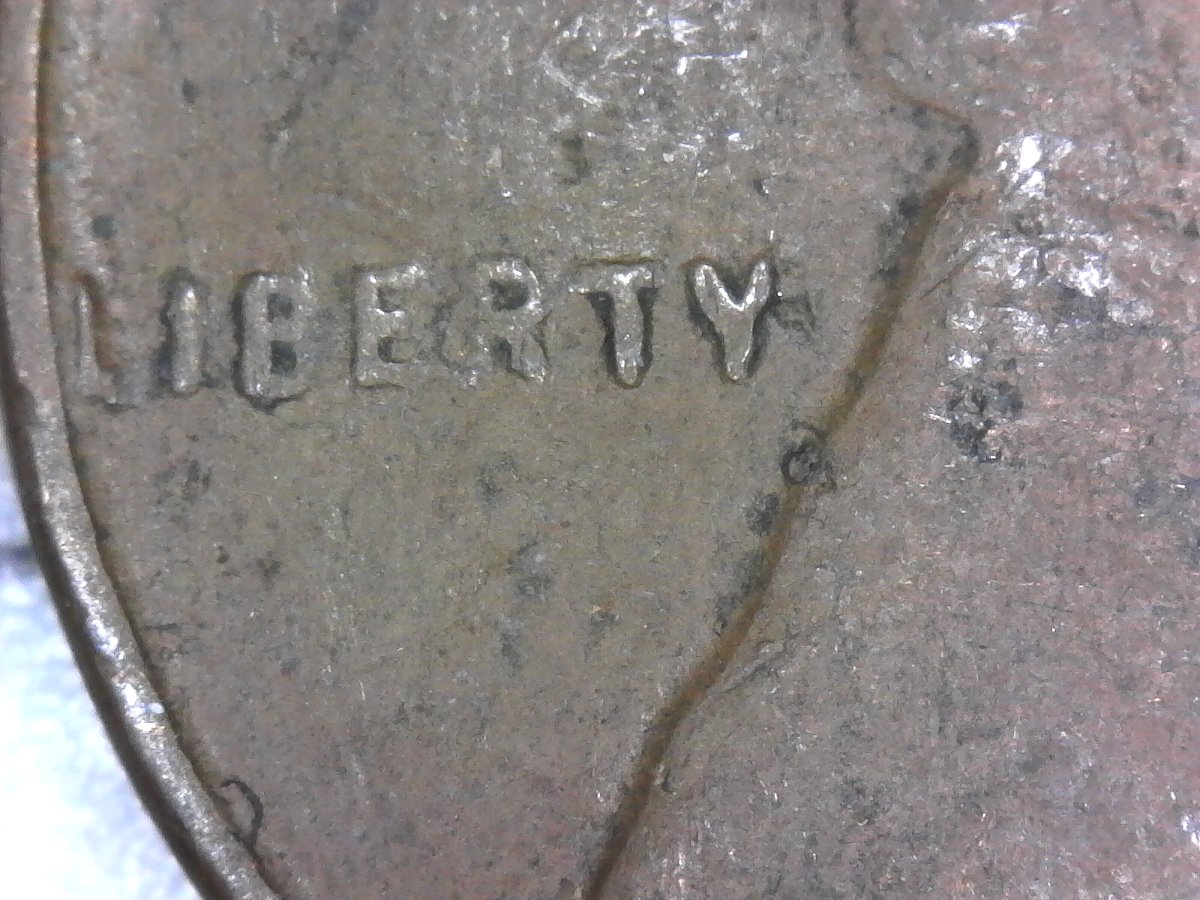
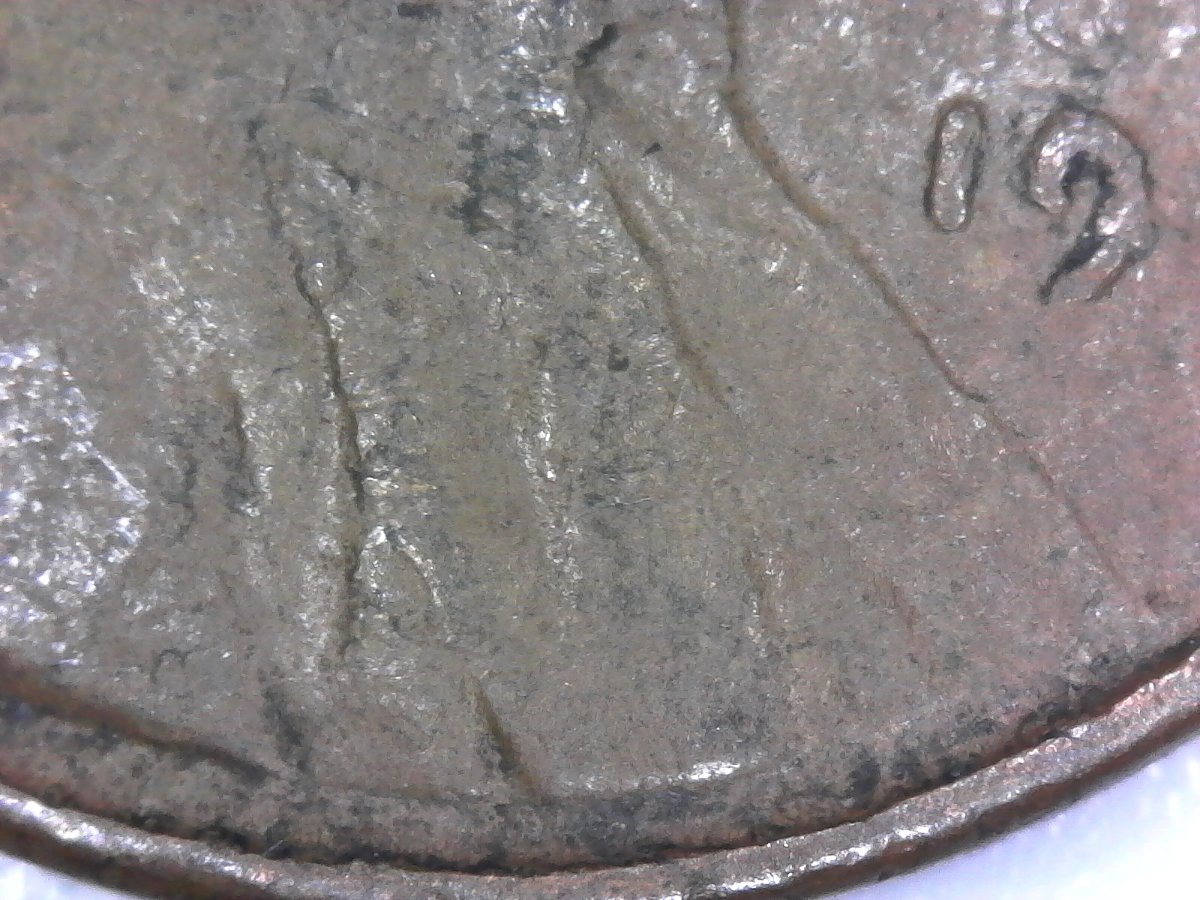
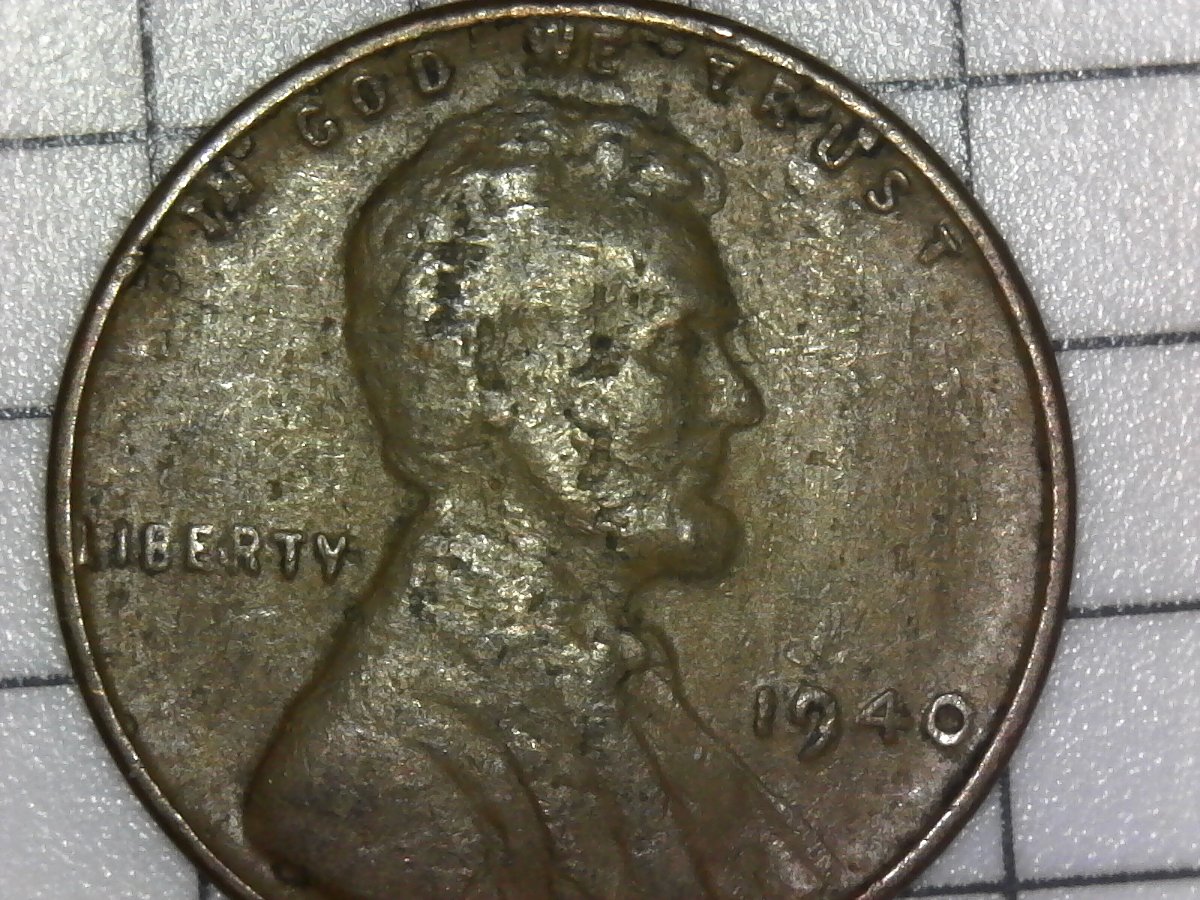
This is just kinda strange. When you zoom in, it has the flakiness of a lamination but overall the coin just looks like it's been dipped in acid. What do you guys think? 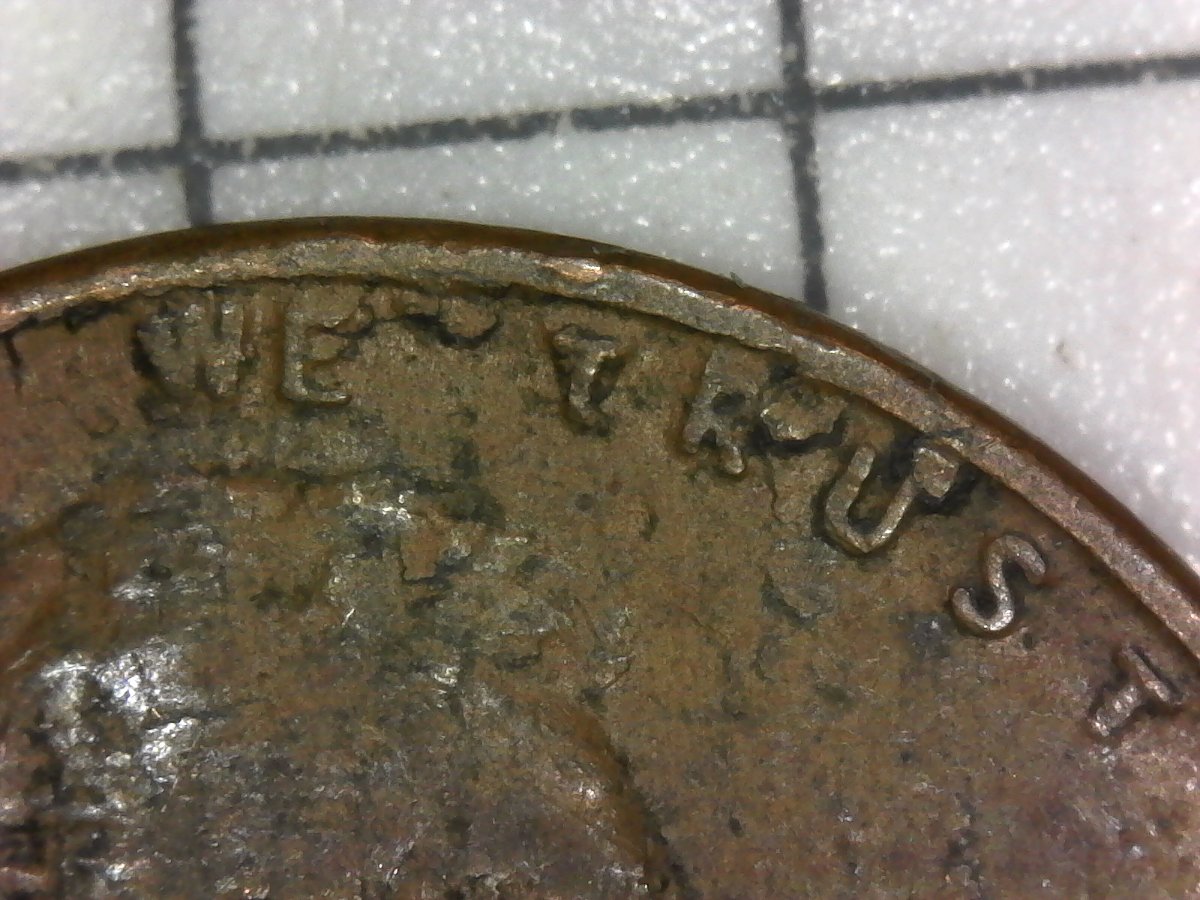 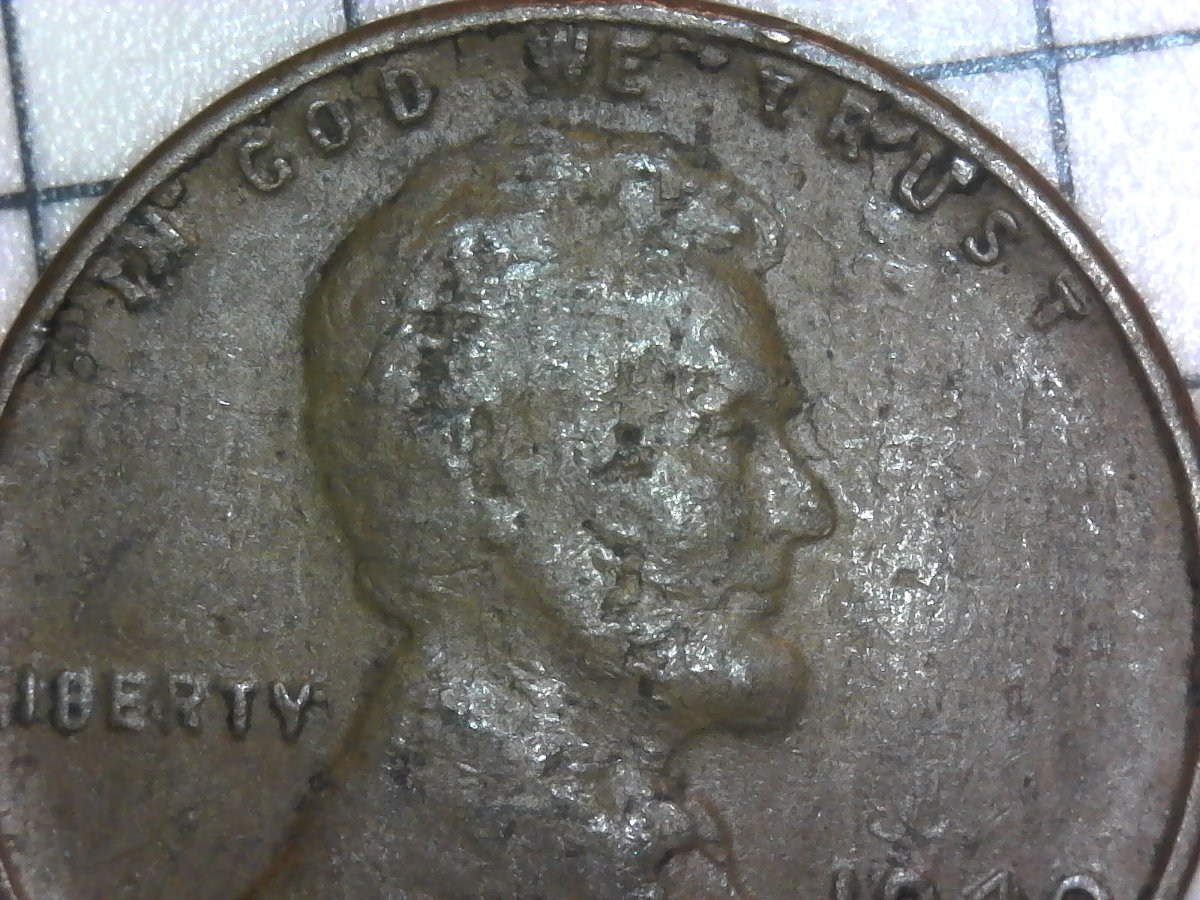 |
|
|
|
Pillar of the Community
United States
1008 Posts |
They look like laminations to me.  |
|
Pillar of the Community
 United States
3281 Posts |
If that's the case then the entire obverse is covered in them.
Interesting...
|
|
Moderator
 United States
34562 Posts |
It seems like lams are generally more concentrated into one or more strips across the coin rather than overall. Maybe something else?
"If you climb a good tree, you get a push."
-----Ghanaian proverb
"The danger we all now face is distinguishing between what is authentic and what is performed."
-----King Adz
|
|
Bedrock of the Community
United States
19607 Posts |
I've seen lamination issues across an entire coin's surface--not common, but a few examples exist.
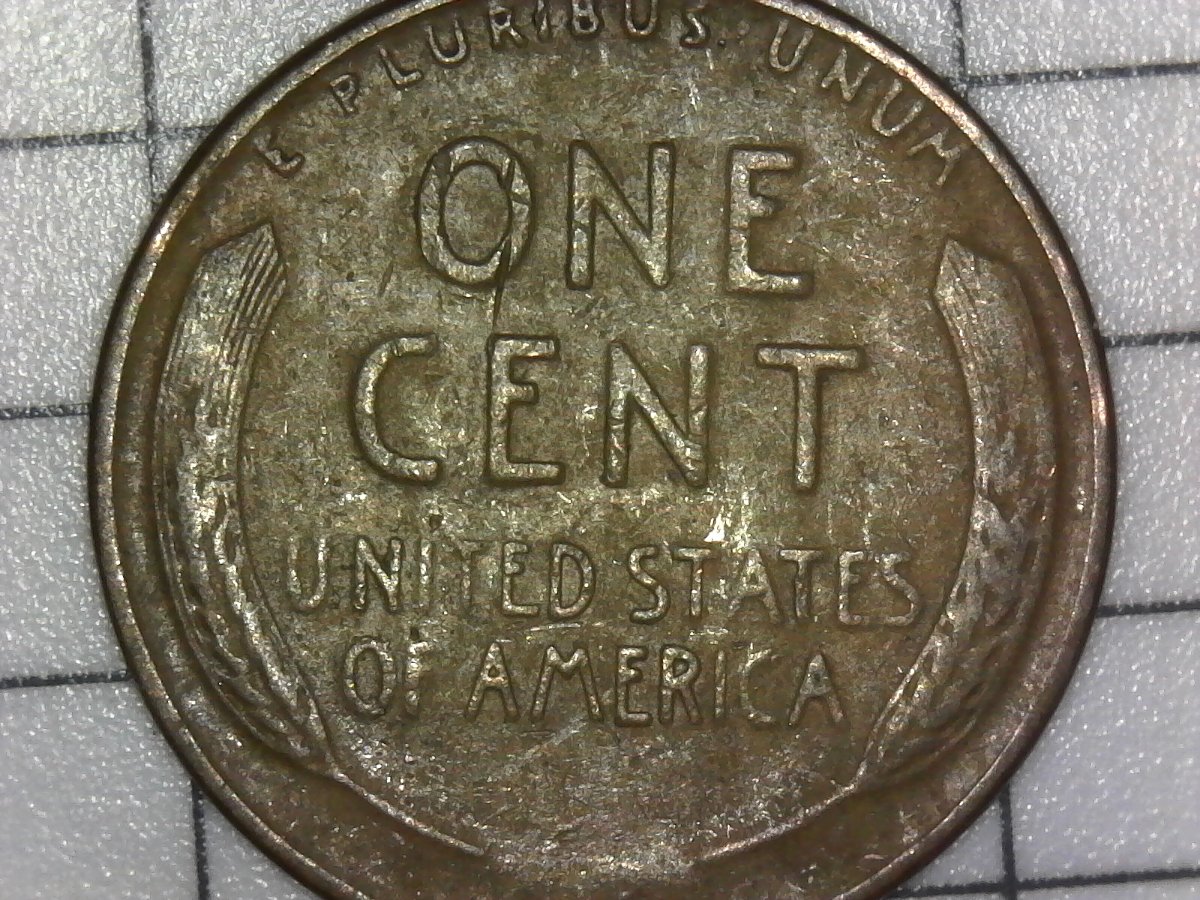
Would like to see a full reverse photo.
|
|
Pillar of the Community
United States
3281 Posts |
|
|
Pillar of the Community
United States
1427 Posts |
Yep, LAMs for sure, nice one!
|
|
Valued Member
United States
155 Posts |
I have one like this as well. I just found last night. Mine is a bit different but I think it has the same issue as yours. Mine is a 1937P. Nice find!
|
|
Pillar of the Community
United States
3281 Posts |
Thank you, both of you!
I'm wondering though, on the face on Lincoln, are the dips and holes part of the lamination (delam), or is it simply damage?
|
|
Pillar of the Community
United States
1427 Posts |
That is possible, but with its wear, could also be damage, so I wouldn't bet on it. On better condition coins, the Delamiated parts can fall off of the coin, but it looks similar to wear and tear.
|
| |
Replies: 9 / Views: 915 |
|










 Posted 12/06/2020 12:09 pm