











 Posted 01/31/2021 10:42 pm


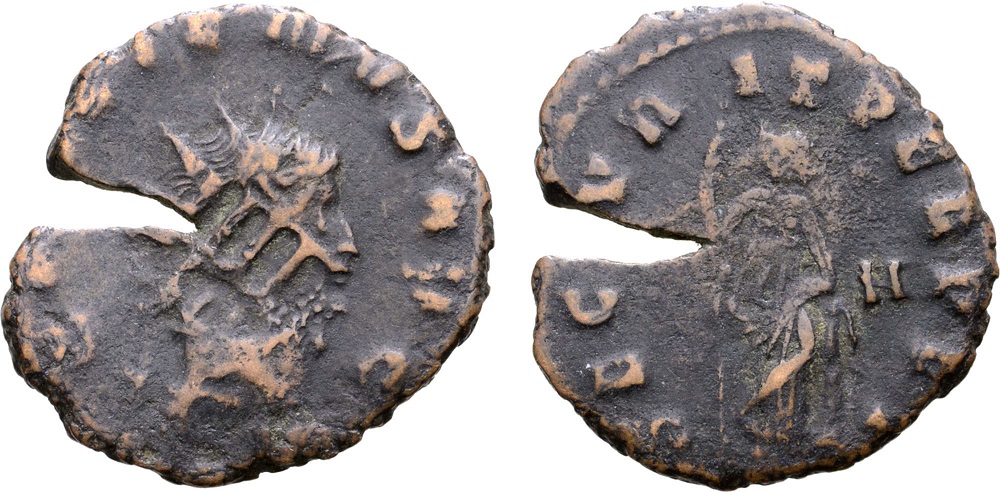
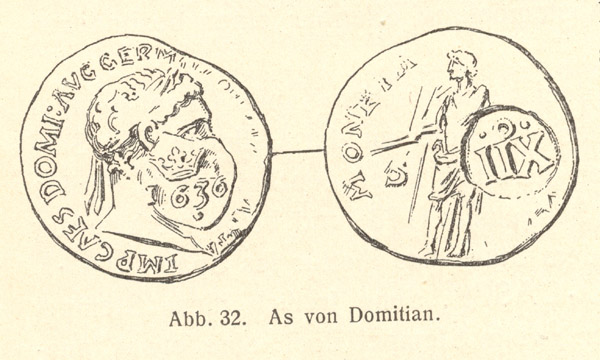
it is pretty unsual to have a coin around a thousand years out of circulation, even different empire, before it was was countermarked for use.
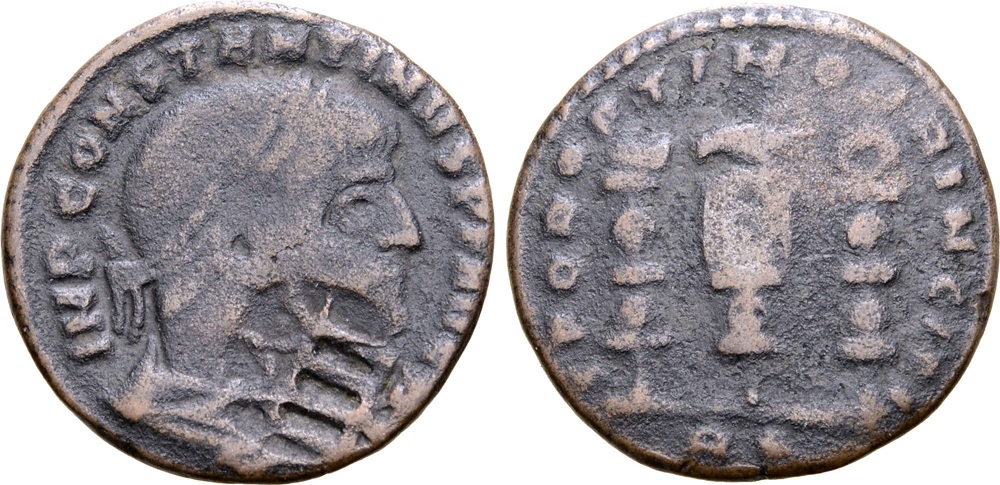
These are more examples of ancient coins still in circulation long after they were minted. Of course, there is no way to know if they were continually in circulation or perhaps just recently re-introduced.
From the article by Arthur E. Robinson, False and Imitation Roman Coins, The Journal of Antiquarian Association of the British Isles 2, no. 3 (1931) : 102.
In 1916, Robinson was in the Sudan, and his "Nubian" servant brought him some small coins which still circulated west of the Nile. An assortment of the coins consisted of--
Ptolemaic (2 specimens), BM cat. 106, 32-5; Svoronos 1426.
Hadrian (Alex.) BM cat. 346, 21; Dattari 6299.
Probus (Alex.) BM cat. 315, 2435; Svoronos 5557.
Diocletian, BM cat. 324, 2510; Dattari 5693.
Constantine I, not in BM cat.; Dattari 6054.
Turkish, Early Othmanli circ. A.D. 1000 (clipped).
Coins struck under Constantine the Great (323-337AD) were still in circulation in remote places of southern France during Napoleon III. (1852-1870).
(Friedensburg, Die Munze in der Kulturgeschichte, pg. 3)
These are more examples of ancient coins still in circulation long after they were minted. Of course, there is no way to know if they were continually in circulation or perhaps just recently re-introduced.
From the article by Arthur E. Robinson, False and Imitation Roman Coins, The Journal of Antiquarian Association of the British Isles 2, no. 3 (1931) : 102.
In 1916, Robinson was in the Sudan, and his "Nubian" servant brought him some small coins which still circulated west of the Nile. An assortment of the coins consisted of--
Ptolemaic (2 specimens), BM cat. 106, 32-5; Svoronos 1426.
Hadrian (Alex.) BM cat. 346, 21; Dattari 6299.
Probus (Alex.) BM cat. 315, 2435; Svoronos 5557.
Diocletian, BM cat. 324, 2510; Dattari 5693.
Constantine I, not in BM cat.; Dattari 6054.
Turkish, Early Othmanli circ. A.D. 1000 (clipped).
Coins struck under Constantine the Great (323-337AD) were still in circulation in remote places of southern France during Napoleon III. (1852-1870).
(Friedensburg, Die Munze in der Kulturgeschichte, pg. 3)


