











 Posted 02/12/2021 5:05 pm


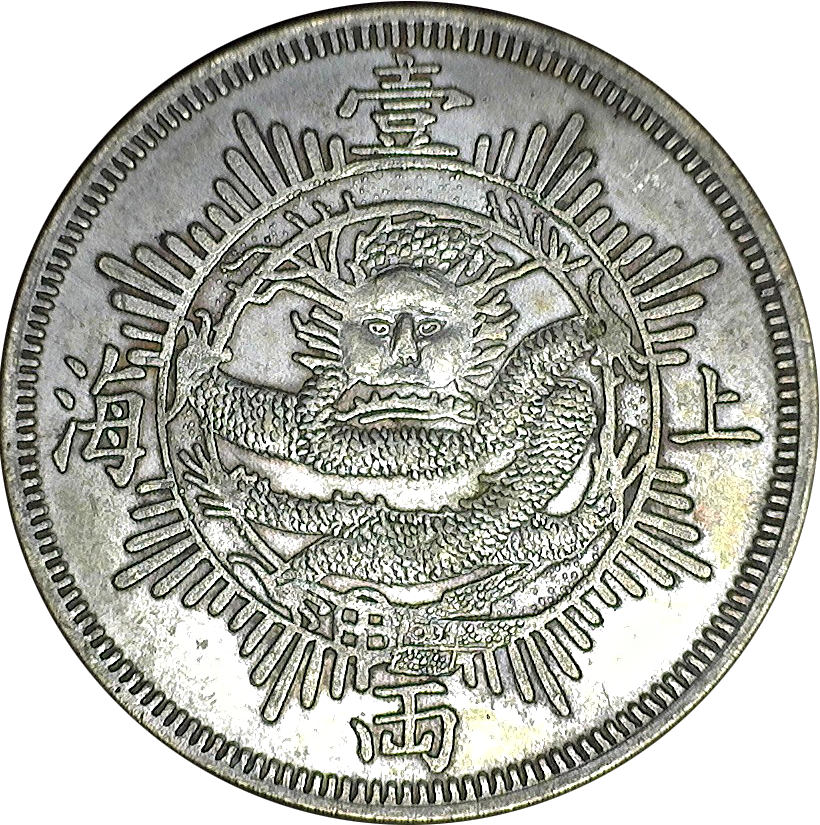
I am guessing that with this sort of pattern, there was no intention of putting a developed version into circulation. My reason for supporting this guess is that it was struck in the tael system, to distinguish it from the Hong Kong Dollar system.
In the rapidly growing Chinese home collector market, these patterns would now be worth a motza.
Not surprising that fakes exist, in much the same way that fakes of Flying Eagle pattern Dollars exist. Because the originals are so rare, obvious fakes can be tolerated by some collectors, because that is the only way they can obtain an example fairly, provided they are cheap enough.
Actually, I think that the flattened design of the fake would be better than the original for stacking purposes,
in much the same parallel as the high relief versions of the St Gaudens designs being rejected for circulation.
In the rapidly growing Chinese home collector market, these patterns would now be worth a motza.
Not surprising that fakes exist, in much the same way that fakes of Flying Eagle pattern Dollars exist. Because the originals are so rare, obvious fakes can be tolerated by some collectors, because that is the only way they can obtain an example fairly, provided they are cheap enough.
Actually, I think that the flattened design of the fake would be better than the original for stacking purposes,
in much the same parallel as the high relief versions of the St Gaudens designs being rejected for circulation.


