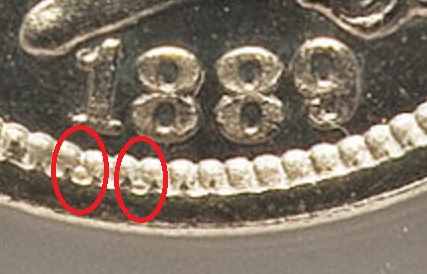
I'm going to prelude this with the fact that I could be totally, 100% wrong on this one, and if I am I'll look like an idiot, but hey, learning experience I guess.
Now I'm no expert in 3CN but if I'm right on this that's really concerning.
This was originally linked to me by another CCF member as he wanted to know my thoughts on grade. The problem began when I tried to match the coin with any of the die pairings known and none were a match.
So, the subject coin.
https://www.ebay.com/itm/ESTATE-FIN...AOSwEoRgB2FCSo first a prelude I guess to 3CN courtesy of Newman Numismatic Portal.
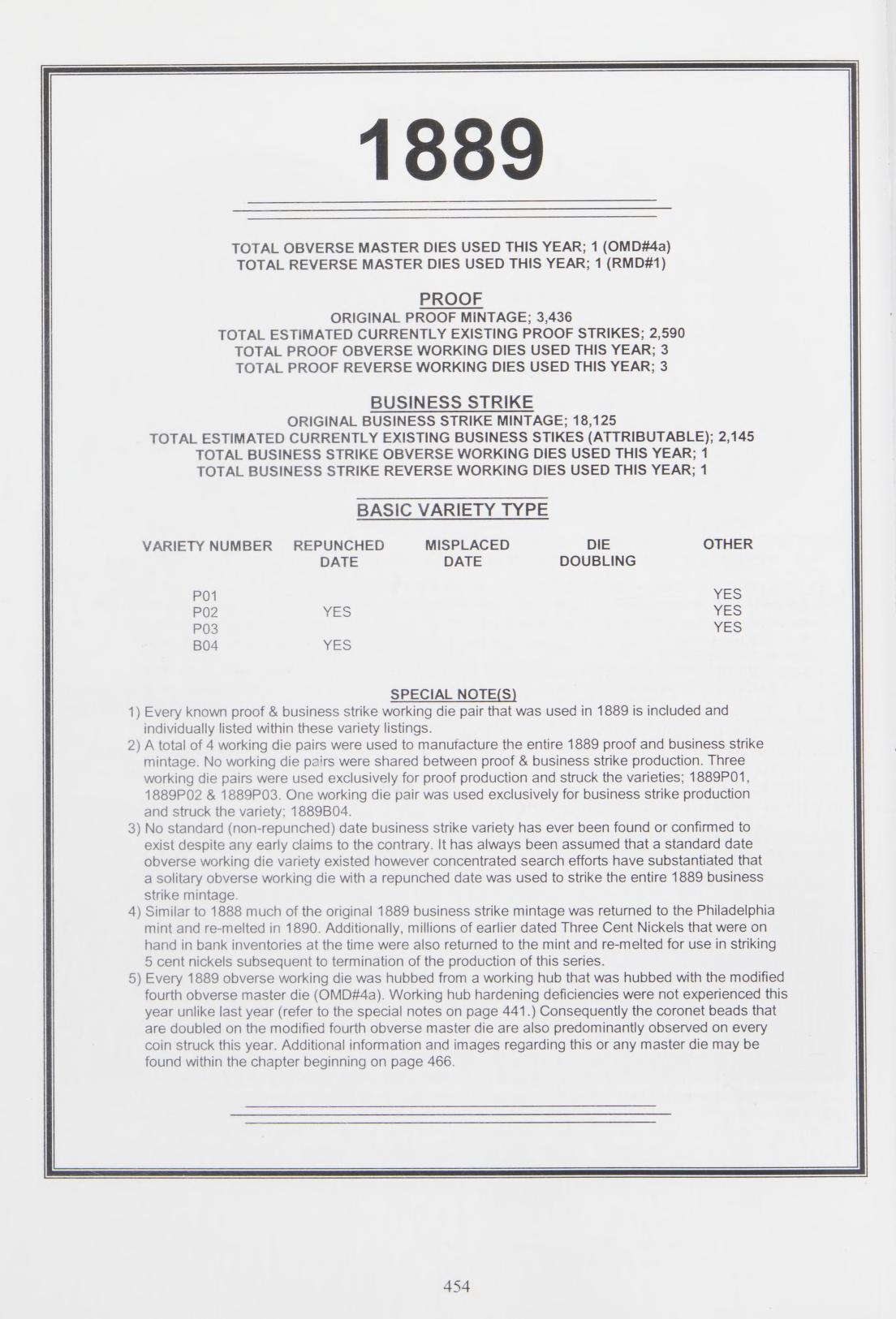
So there are some important takeaways from this right off the bat. Firstly, only 4 working dies were used to strike both proof and business strike coins, so there is effectively no chance of an unknown die pairing.
Secondly, no genuine business strikes exist without a repunched date.
So here's the subject coin.
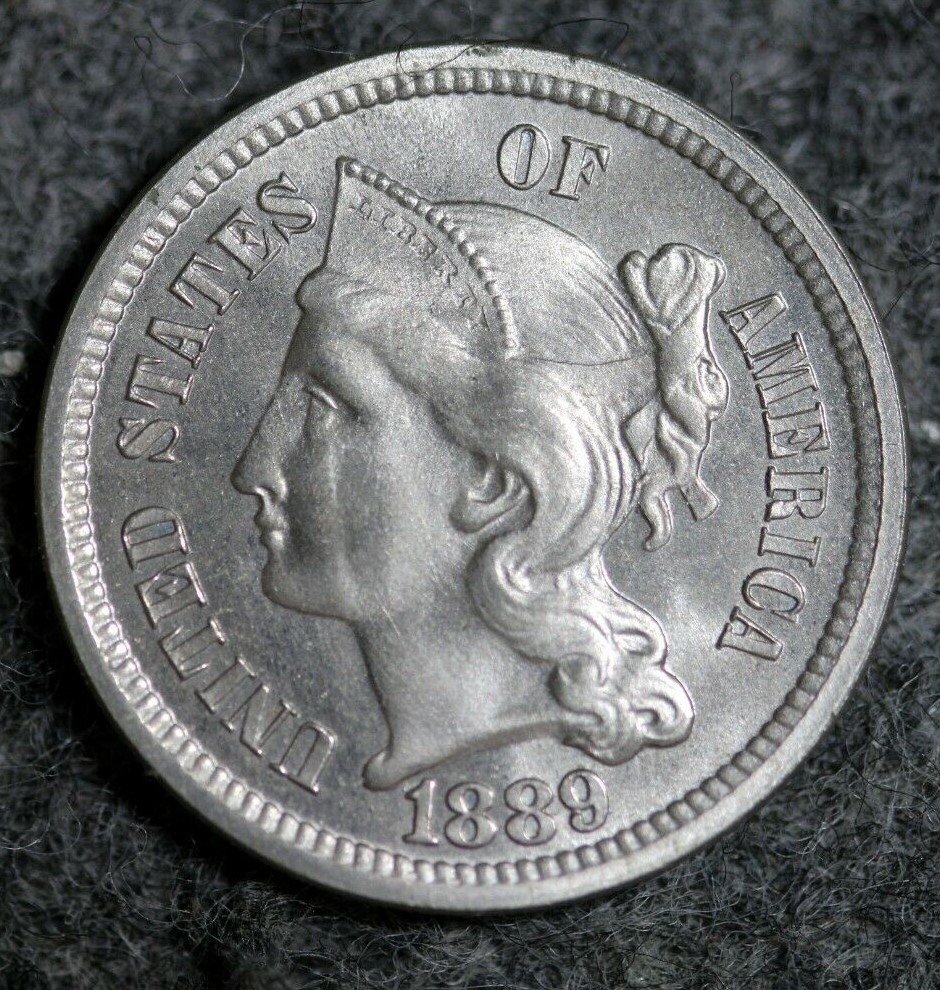
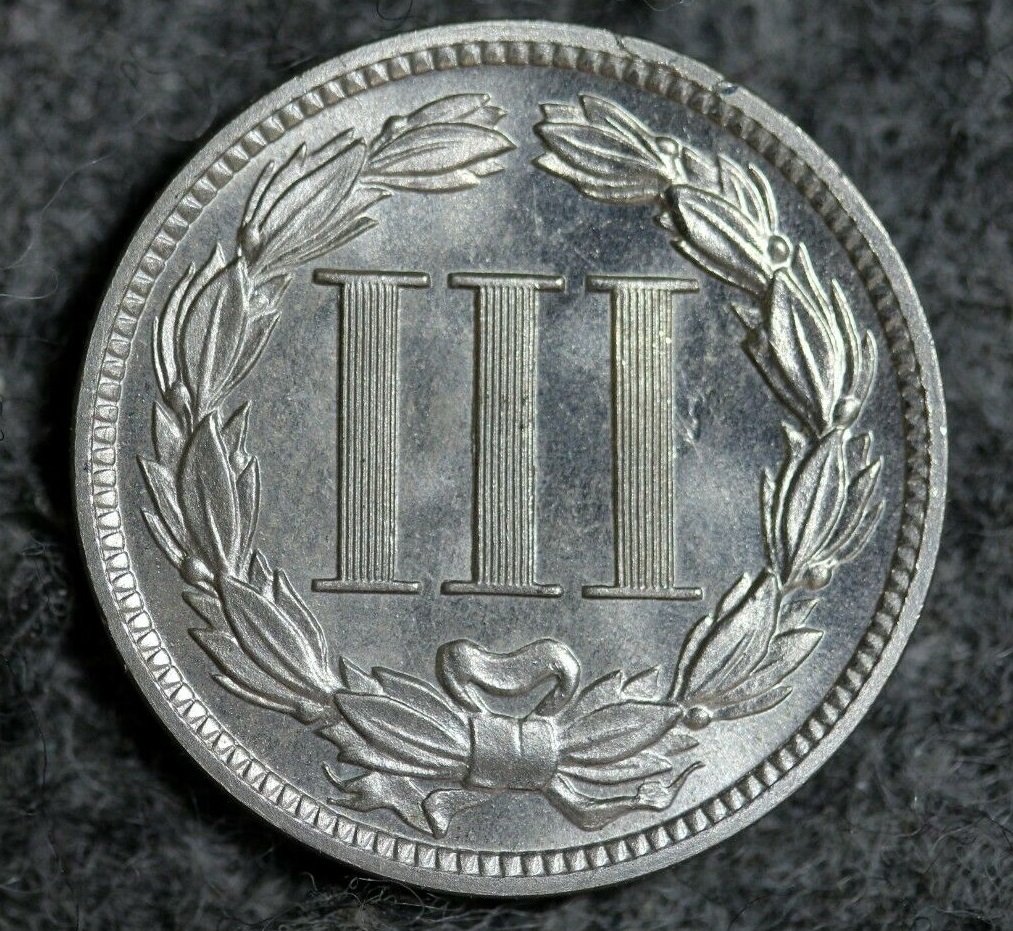
At first glance it appears to be, and is marketed as a nice BU Business strike.
Given that it is advertised as a business strike it'd be proper to first make the distinction on if it does or does not match any of the business strike die pairs. Remember that as stated above, all business strikes show a repunched date.
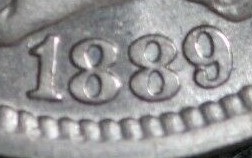
Now it doesn't show an obvious repunched date, but for accuracy lets compare it to all known obverse dies.
The first die listed for business strikes is 1889BO4
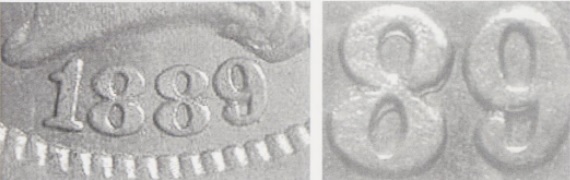
Now it's quite obvious that if it was BO4 the RPD would be very visible, but given that it is not present it is safe to say it is not B04.
The next pairing is BO4a, a later die stage of the first pairing.
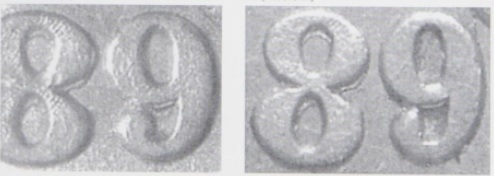
While the repunching is much weaker, it'd still be clearly visible. So again, it's safe to say it is not BO4a.
The last pairing is BO4b, the final die stage of this die marriage.
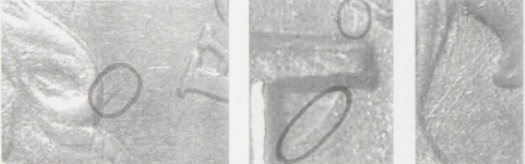
Now with this coin the RPD was polished off after a die clash, however some clash marks remain and are used as the die markers to identify this marriage.
The first is a clash from the hair to the last A in AMERICA.
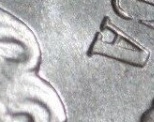
As you can see there is clearly no clash there, while in the above reference there would be a clear clash mark.
The second marker is a pair of die scratches below the bonnet.
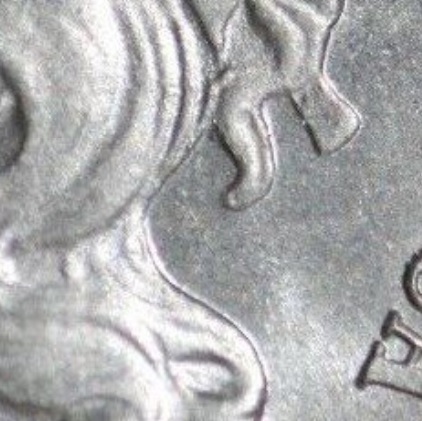
While the photos are a bit blurry here, the scratches are quite pronounced on a genuine example, and would likely still be very visible even in these photos.
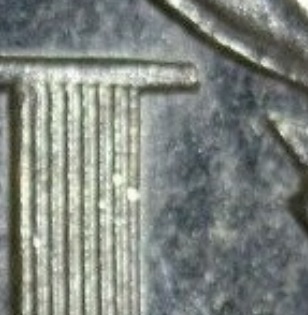
There would be a semi-circular clash mark visible connecting the leg and bar of the numeral on a genuine example, which is clearly not on this coin.
This marks all die pairings for a business strike coin. At this point we can definitively conclude this is not a business strike. So at this point we should look at the possibility of it being a proof coin.
There are a total of 4 proof pairings to look at. The first of which is below, 1889PO1.
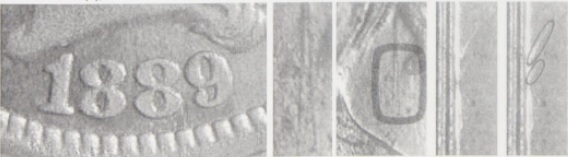
1889PO1 shows a significant clash mark below the bonnet on the obverse. Now compared to the subject coin:
As can be clearly seen those clash marks are not present which rules out PO1.
The second die is PO1a.
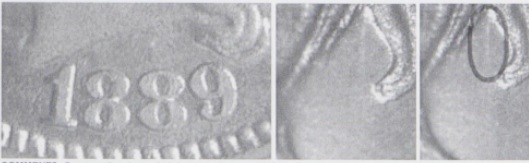
PO1a is the same die as PO1 but has been polished to remove clash marks. The clash below the bonnet as significantly weakened, but is still visible, compared with the subject coin.
On the subject coin no such clash mark is visible.
Now this raises the obvious question, could this simply be a coin struck prior to the die clash in 1889P01? The answer is likely no. There is only a single known example of PO1, making it unique, the chance that a preclash example is unknown is extremely low, if not outright impossible. It is likely that the entire batch was pulled and melted which would explain the rarity of a fully clashed example, and lack of any unclashed specimen.
The next pairing 1889PO2.
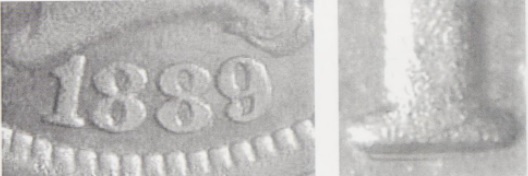
Out of all the dies, PO2 is the closest, and likely the die this coin was copied from (assuming I'm correct about this being a fake.) The example coin above matches very closely in date position with the subject coin (pictured below).
However one key difference is the angle of the 1 in the date. On the example coin, the one is closer to the bust and slightly tilted. Additionally, the 1 is slightly further leftwards than the subject coin.
The final die pairing is 1884P03 shown below.
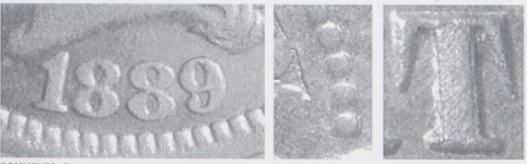
This die can be immediately tossed out due to the fact that the 1 is much further left than on the subject coin (show below). It is also worth mentioning on the example coin the 9 would be much closer to the denticles than on the subject coin.
Those are all known dies, none of which, to my knowledge and observations, are a match, but, given I likely have no idea what I'm talking about, I'd like to hear your thoughts on the matter. What do you think?
Edit:A few additional comments at the end I forgot to originally include. I find it extremely unlikely that this is a proof, regardless of die pairings, due to the strike through on the reverse by the furthest right numeral.
Sources:
The Ultimate Guide to U.S.
Three Cent Nickels: 1865 to 1889, by Allan Gifford.
https://nnp.wustl.edu/library/book/555545









 Posted 02/10/2021 01:17 am