| Author |
 Replies: 10 / Views: 1,523 Replies: 10 / Views: 1,523 |
|
|
New Member
India
18 Posts |
Hey all, I bought these silver coins today and need to know if they are real or fake. Unfortunately, I don't have a scale to weigh them but their diameters are correct. Can someone help me with this just by looking at them? Thanks 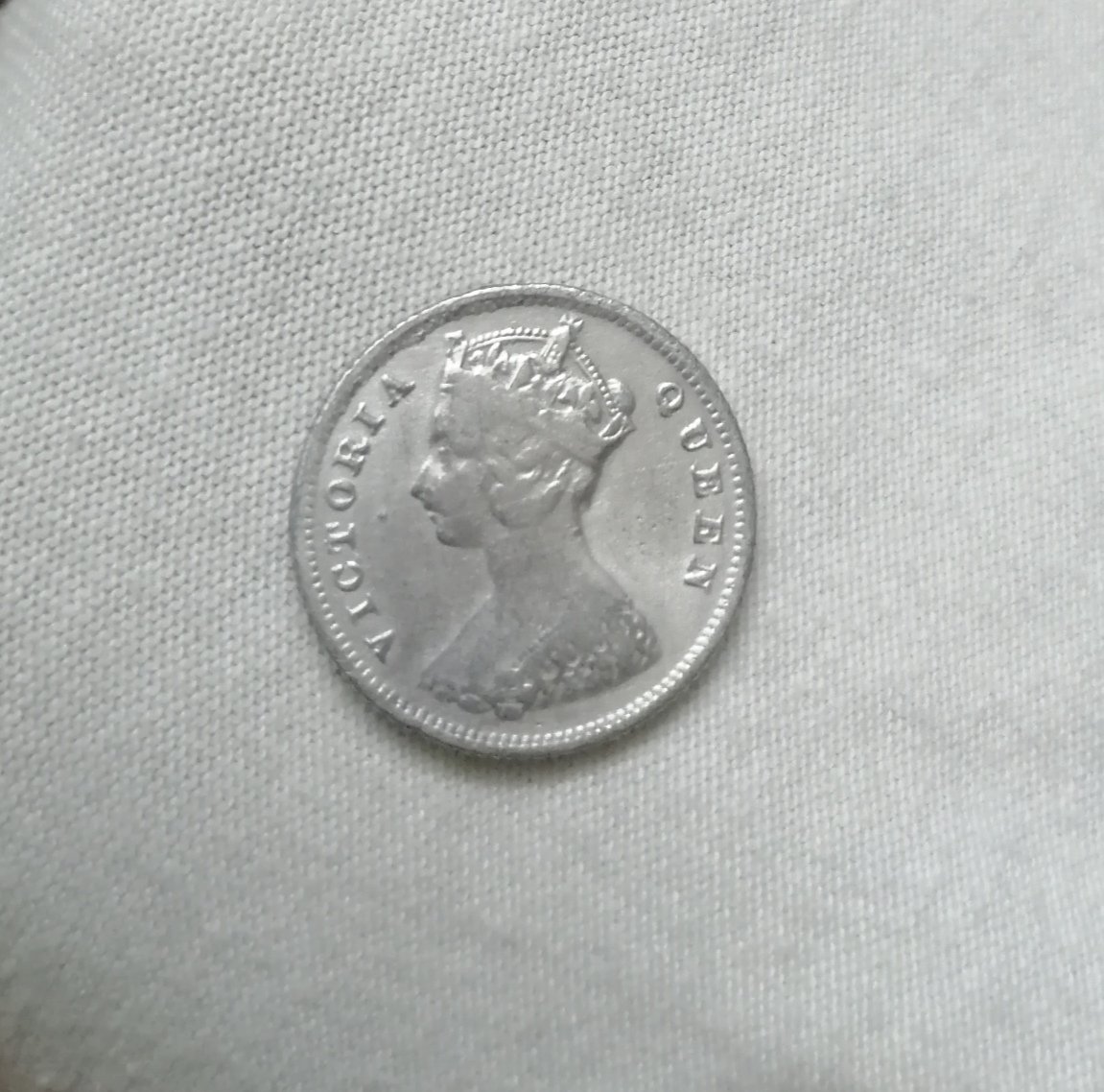 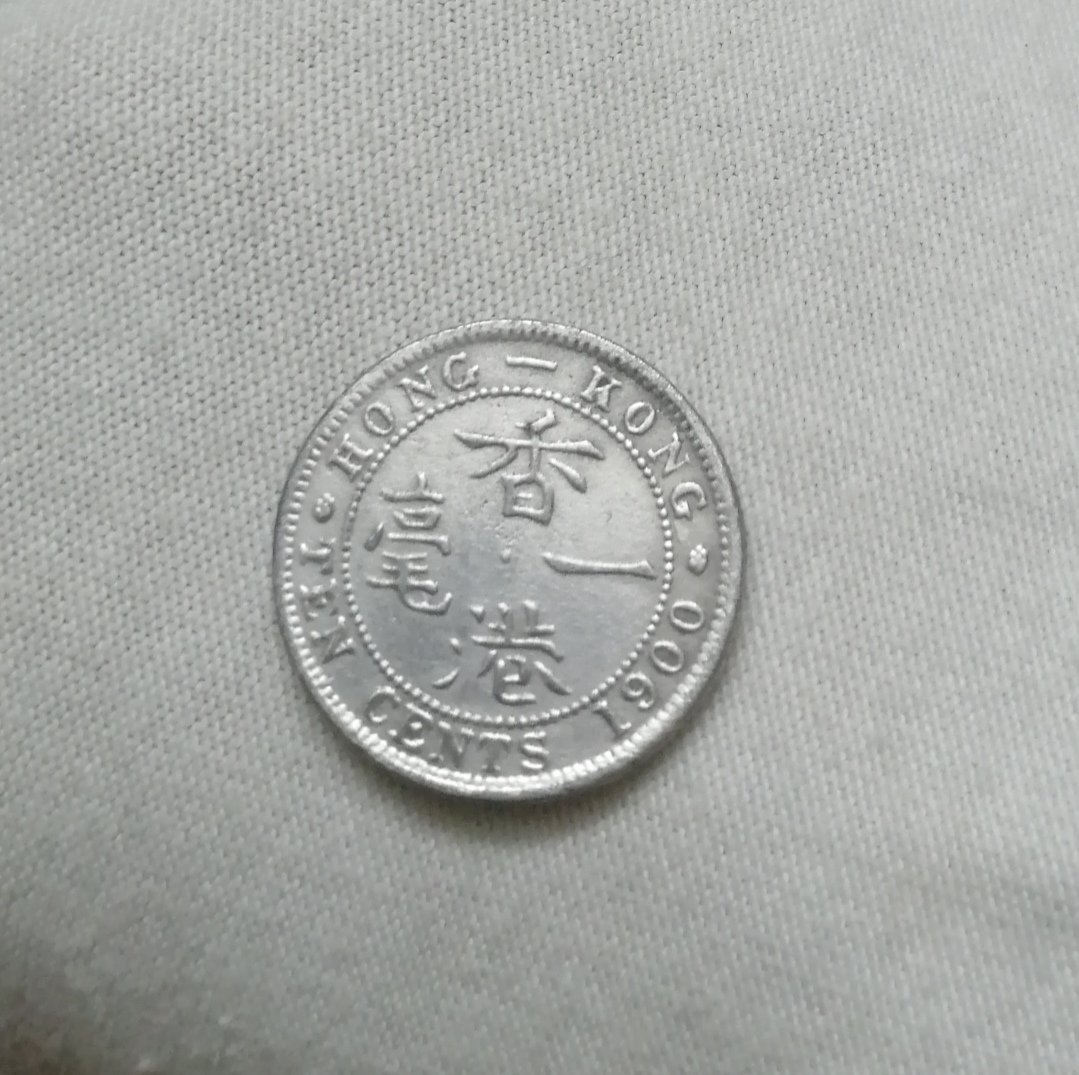 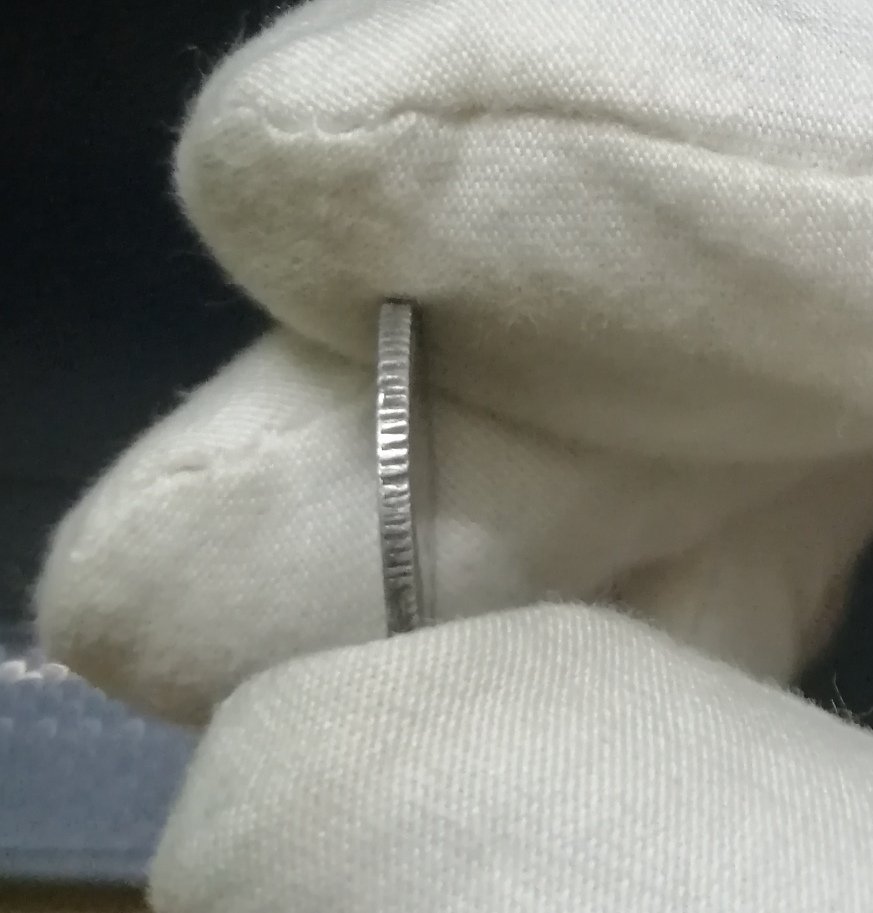 Hong Kong 10 Cents 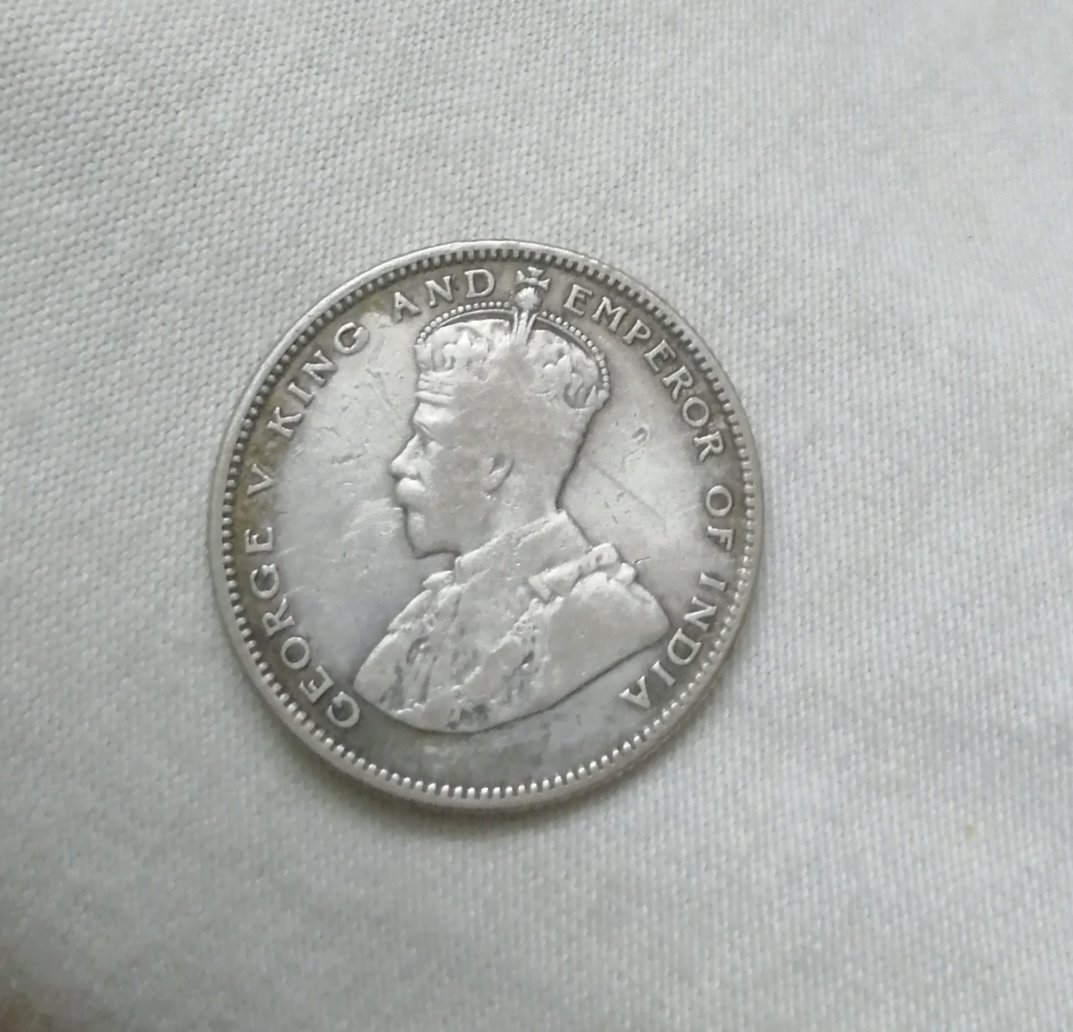 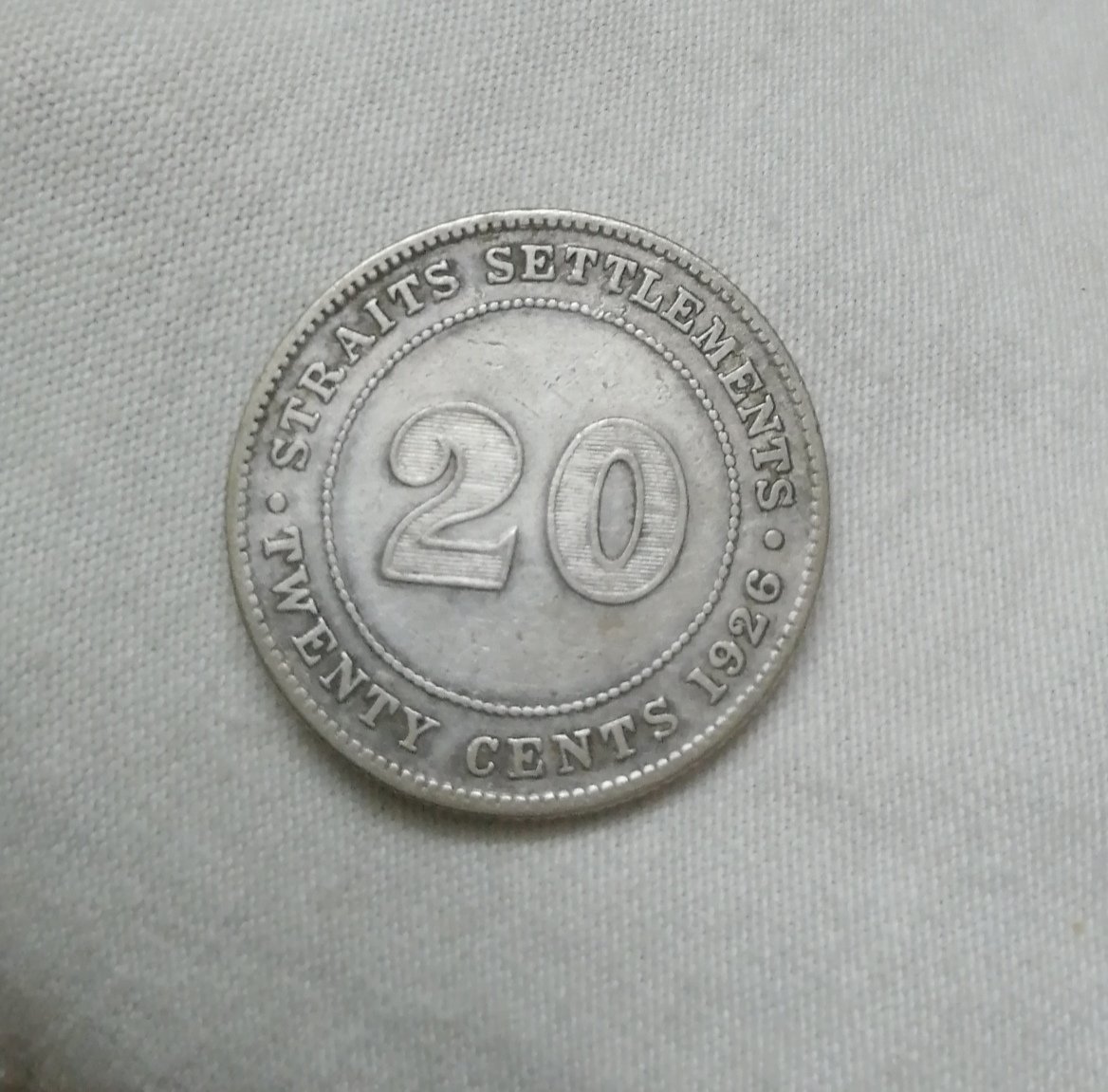 Straits Settlements 20 Cents |
|
|
|
Pillar of the Community
United States
878 Posts |
There's a couple of things you could do to check. Try running a magnet over the coins. If they stick to the magnet, they're fake. Another easy thing you can do is to check the coin alignment. If you hold the coin looking at the queen's face and look over on the other side while holding it steady the ten cents side should be upside down. Often, counterfeiters forget this alignment issue. This test won't work on the one with George because the alignment is the same on both sides.
The value of these is low so there's not much reason to counterfeit them, but you never know!
Where did you get them if you don't mind sharing that info?
Edited by captainmandrake1
02/16/2021 12:49 pm
|
|
Valued Member
404 Posts |
First is fake - details are wrong, the reeding is off, and there is a raised spot on the obverse. The second might be OK (albeit low grade and polished), but just looks off to me.
|
|
Pillar of the Community
Singapore
631 Posts |
Porous surface on the first one.
|
|
New Member
 India
18 Posts |
captainmandrake1 - I checked with both methods you suggested and both of them agree with the properties of the coin. I bought them from a dealer in my city.
norantyki - Are you 100% sure? I guess I was a bit too desperate to buy this one that I didn't notice its quality. So, should I return it to the dealer?
Numister - I'm sorry. Could you explain what it means?
|
|
Pillar of the Community
United States
878 Posts |
I would agree with the other comments. I think the weak reeded edge and the porous surface indicate that the Victoria is not a mint cast coin, which wouldn't have the fuzzy details and crumbly look. In an original, you'd expect sharper details, even on a circulated coin. To me, the dull cull coloration suggests a non-silver metal or, if the coin is genuine, some kind of harsh cleaning that damaged the coin.
Please take a look at the "K" in Kong. It looks a bit odd!
|
|
Valued Member
404 Posts |
@zorosenpai - about the Hong Kong piece, yes, 100%. Get your money back if you can, and avoid whoever sold it to you in future - they are either dishonest, or know little about coins.
|
|
Pillar of the Community
Singapore
631 Posts |
Porous surface means the little holes and uneven surface you see.
The British colonial coins were minted to a high standard and you shouldn't see a porous surface.
Reeding is also clunky.
I got duped with a similar Hong Kong coin before so I'd know, a rare date 20 cents.
Brought it to a dealer and he pointed out the porous surface and "wrinkly" letters.
Lesson learned. Bought it from an elderly couple, doesn't look like they are getting rich of me, so just left it at that.
Who you buy from is as important as the details of the coin.
Kept the coin for future reference.
Edited by Numister
02/19/2021 06:08 am
|
|
Bedrock of the Community
Australia
21789 Posts |
Have seen die struck fakes of the 1935 Hong Kong Ten Cents in silver, when genuine are copper nickel. The die cutting of the 'TEN CENTS' is obviously poor, most of the rest of the detail both sides is OK, but not perfect.
The genuine 1900 Hong Kong Tens Cents are .800 silver.
|
|
New Member
India
18 Posts |
Thank you so much everyone for helping me out! :)
I'll be returning this coin to the dealer soon. I learnt a lot in this thread and hopefully, I won't make the same mistakes again. Also, I assume the Straits settlements silver is a genuine piece at least xD
|
|
Pillar of the Community
Australia
2180 Posts |
Agreed - first one looks fake but the second one could be real.
|
| |
Replies: 10 / Views: 1,523 |
|






 Posted 02/16/2021 4:39 pm





