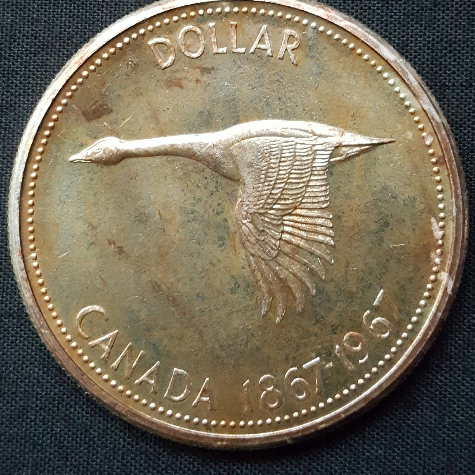
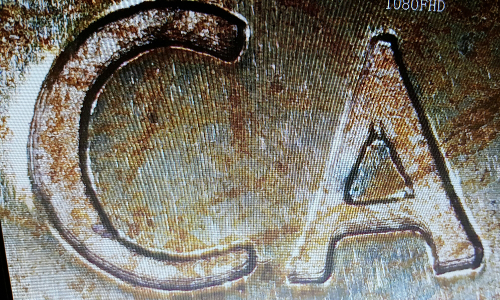
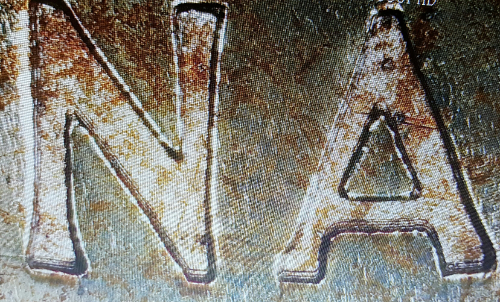
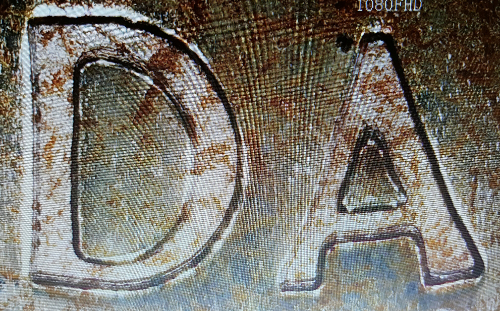
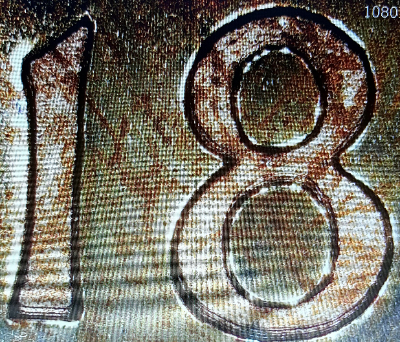
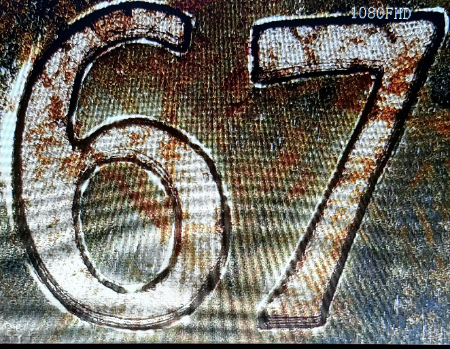
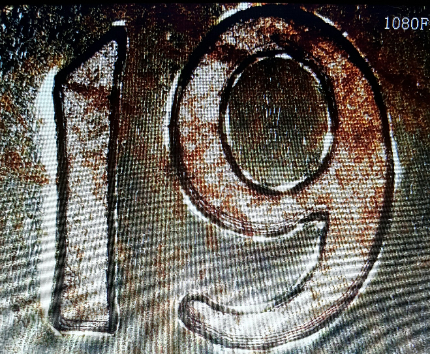
I see the splits, but I have a fairly strong feeling it is nothing more than die vibrations. That does not mean I am not wrong though, Canadian Large Dollars and the large 50 Cent coins are not really my area of expertise by any means, however I have been searching quite a few of them recently and have been passing things like this off as vibrations.
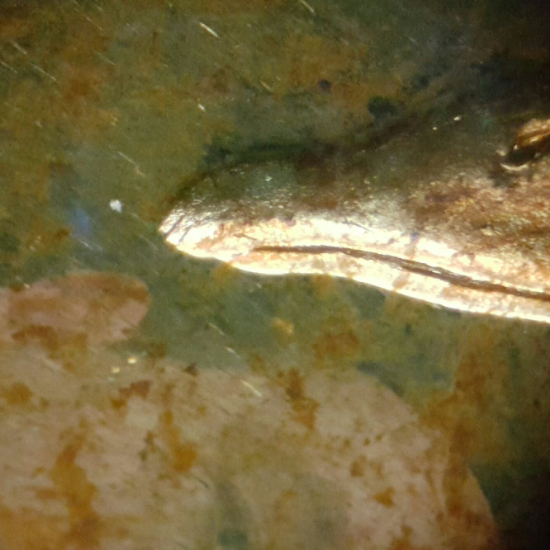
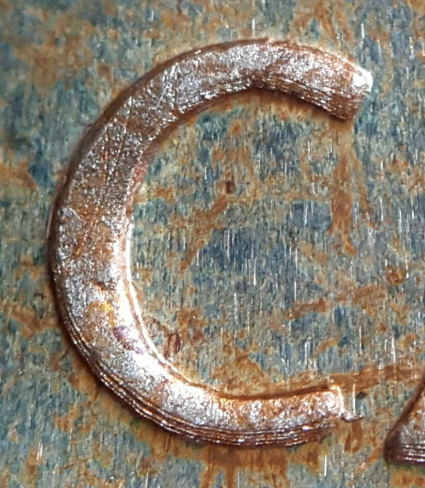
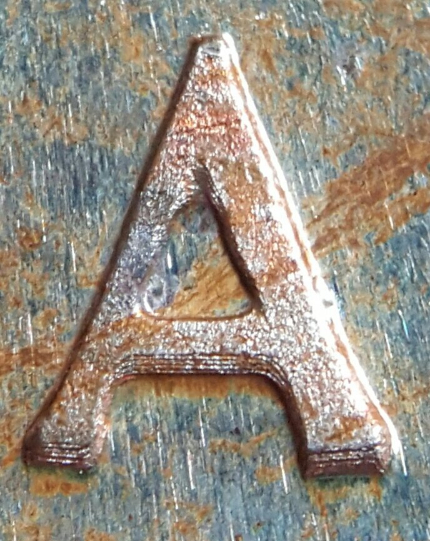
Here are two close ups of the reverse on a 1969 Nickel 50 cent coin for example, first photo is the tip of the Tail, you can see a noticeable split.

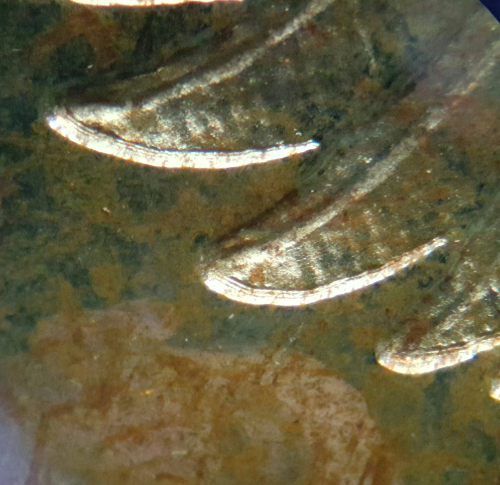
and here is a second photo of the bottom stems, as you can see there is a nice amount of splitting similar to the OP's coin which I was fairly convinced was due to vibrations.

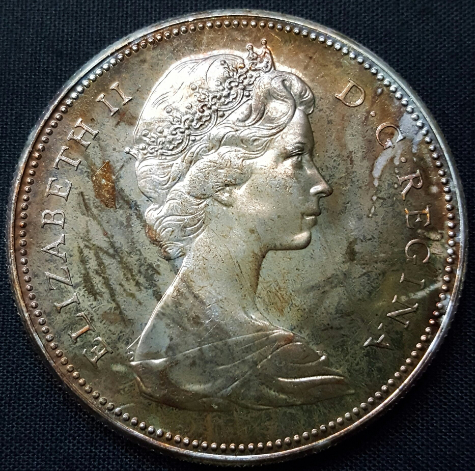
The reason as to why I was passing this off as nothing more than a die vibration is due to the Obverse side having a fair amount of
Machine Doubling. However, I also know
Machine Doubling and
Die Deterioration can both be present on genuine hub doubling I am still leaning towards it being vibrations since it is closer to the edge of the coin.
Finding and discovering modern Canadian doubled die varieties since 2018.
2023 Recent Publications:
Modern Canadian Doubled Die Varieties - First Edition
PDF & Paperback
https://www.mcddv.ca - (New Site, Second Edition, Registry & Services coming fall 2026)
Edited by JohnWayne007
03/22/2021 7:00 pm








 Posted 03/22/2021 6:09 pm


