| Author |
 Replies: 9 / Views: 4,766 Replies: 9 / Views: 4,766 |
|
|
New Member
United States
41 Posts |
|
|
|
|
Pillar of the Community
United States
713 Posts |
|
|
Bedrock of the Community
United States
62064 Posts |
|
|
Valued Member
United States
356 Posts |
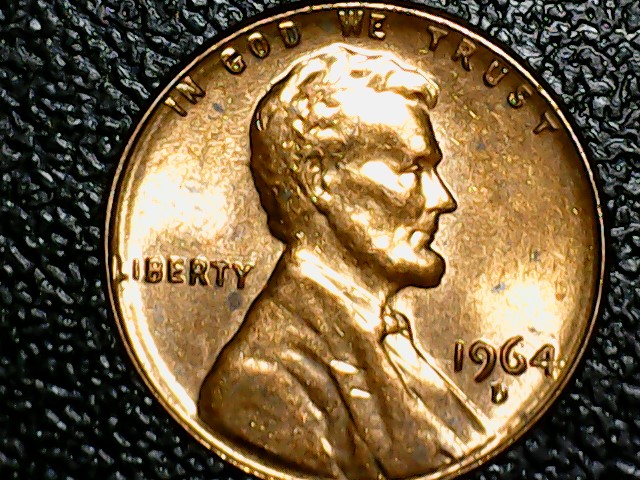
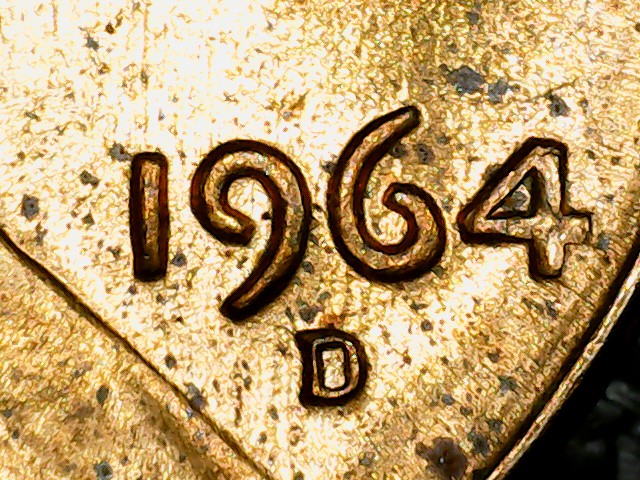
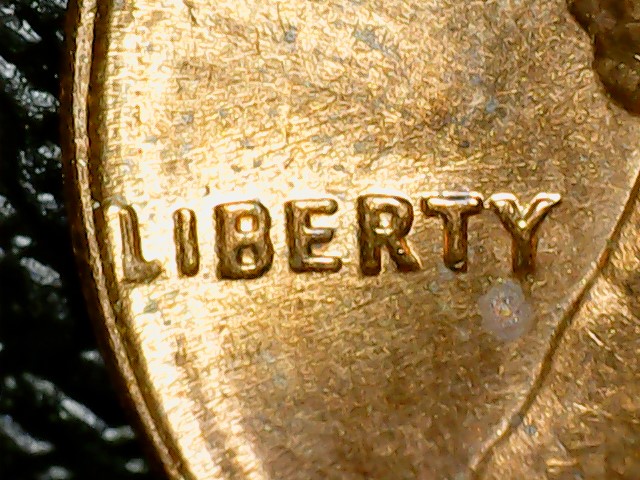
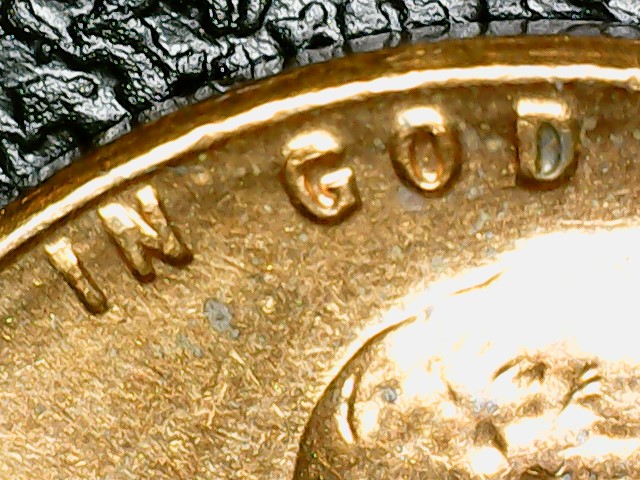
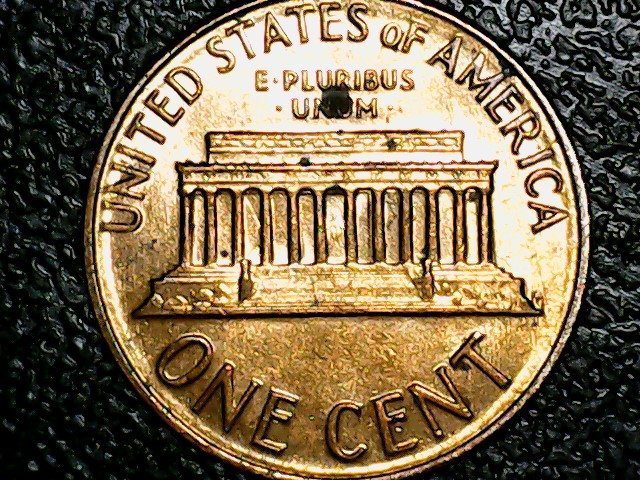
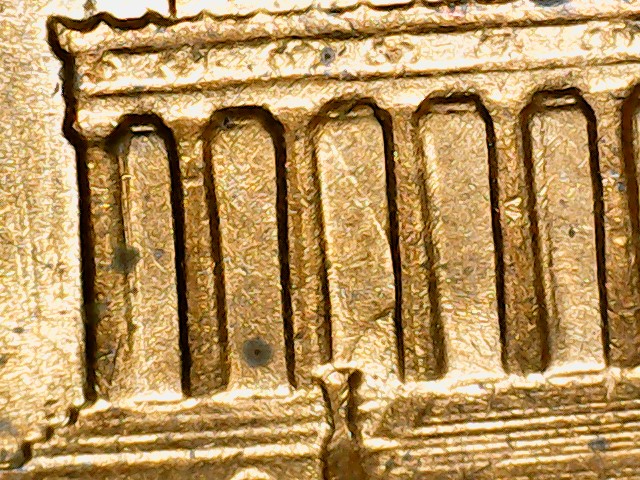
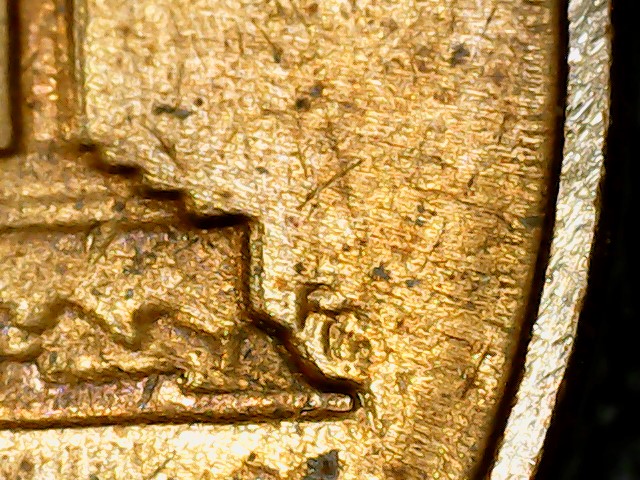
There are a few 1964 D recognized doubled dies. I would recommend visiting the three sites we all visit to determine which variety we have if we actually have one. The sites are: www.doubleddie.com www.varietyvista.com www.coppercoins.com Your cent definitely has what looks like a die clash on the reverse but it may take awhile to determine if this is a DDO or a DDR as the 64'D had several varieties. Hope this helps. |
|
New Member
 United States
41 Posts |
I saw those pictures before I posted this! I did a little more inspecting and just want perspective that its in reverse? I have arrows to the ear in the legs of the statue, possible eye, and the bridge of the nose! What do you think?  |
|
Moderator
 United States
56855 Posts |
All I see is a very very minor die clash on the obverse and a very minor die clash on the reverse. I see no DDO or DDR. John1  |
|
Bedrock of the Community
United States
94367 Posts |
As for a grade, I'd say high AU or MS details (environmental damage.  to the CCF! |
|
New Member
United States
41 Posts |
Sorry if I'm beating a dead horse, but the images that you showed @coop show the reverse overlay is facing the opposite direction of the die clash my penny. Is it possible to have a Reverse REVERSE Overlay?
Or am I just wishful thinking?
|
|
Pillar of the Community
United States
713 Posts |
Your clash is normal. That is the nape of his neck in bay 3.
Edited by CentSation
03/30/2021 10:03 pm
|
|
Bedrock of the Community
United States
62064 Posts |
The position of the overlay is the direction the dies are when the coin is struck. Thus a Canadian coin would be rotated differently. So with the U.S. setup, then a planchet doesn't get into the chamber, the two dies clash against each other leaving the outline of the central devices altered on the fields of each other. Just the clash lines. The clash lines for a single squeeze die will be stronger for the mid devices as the profile is lower on these dies. So unless there is a very strong rotation of the dies, the overlays will work great to identify devices that hit the other dies fields.
|
| |
Replies: 9 / Views: 4,766 |
|












 Posted 03/25/2021 12:10 am