









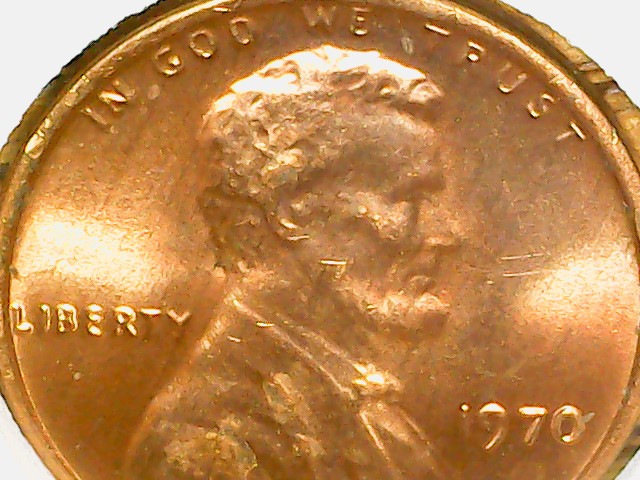
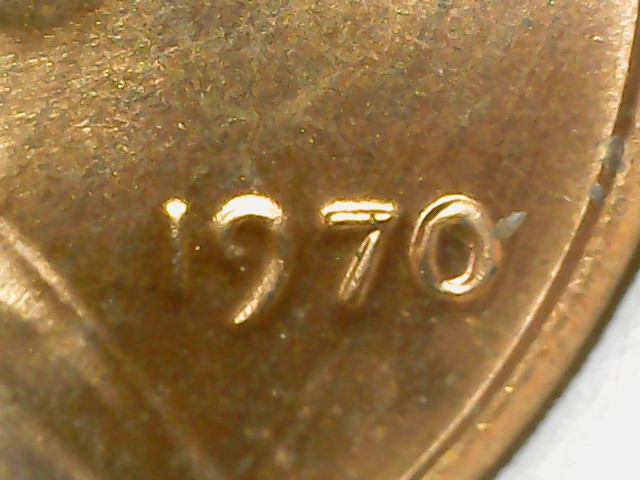
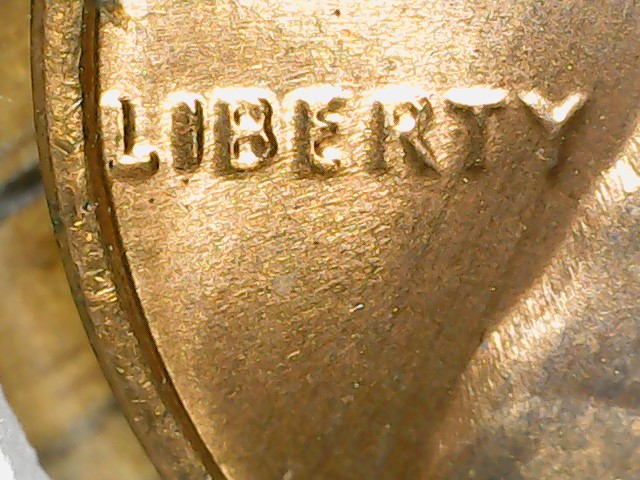
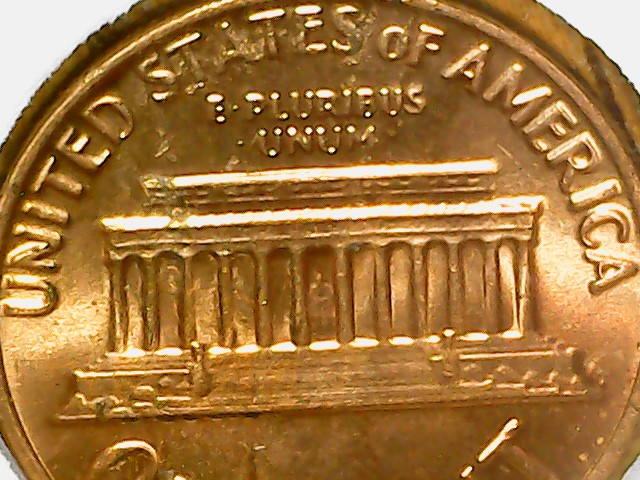
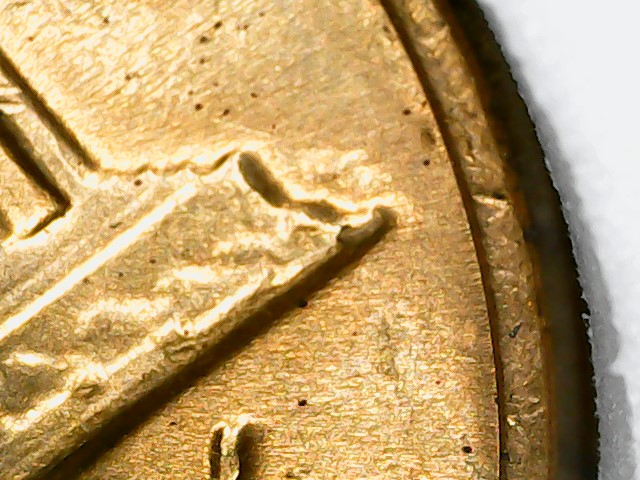


 to CCF. Going to need better photos. If it is in a holder remove it and take new photos with less glare and a bit better focus please.


 Posted 04/08/2021 08:54 am


The glare is hiding what you see, but what we can't see, because of the glare. Glare is often caused by light reflecting back, from too much light, or from reflection on a flattened device. . So taking images can have a better result, if the light flows across the dies devices and not spotlighted on a single area. Diffused light has better results. Also a single light source allows light and shadows. Multiple lighting removes the shadow affect. So getting the light just right, takes forethought to get it right on each image all the time. Experimenting will fix the issue, but getting the light correct is the goal. Keep working on this to get it correct, then we will see, what you are seeing on your coin.
One of the tricks I use on images that have some glare is to invert the image colors:
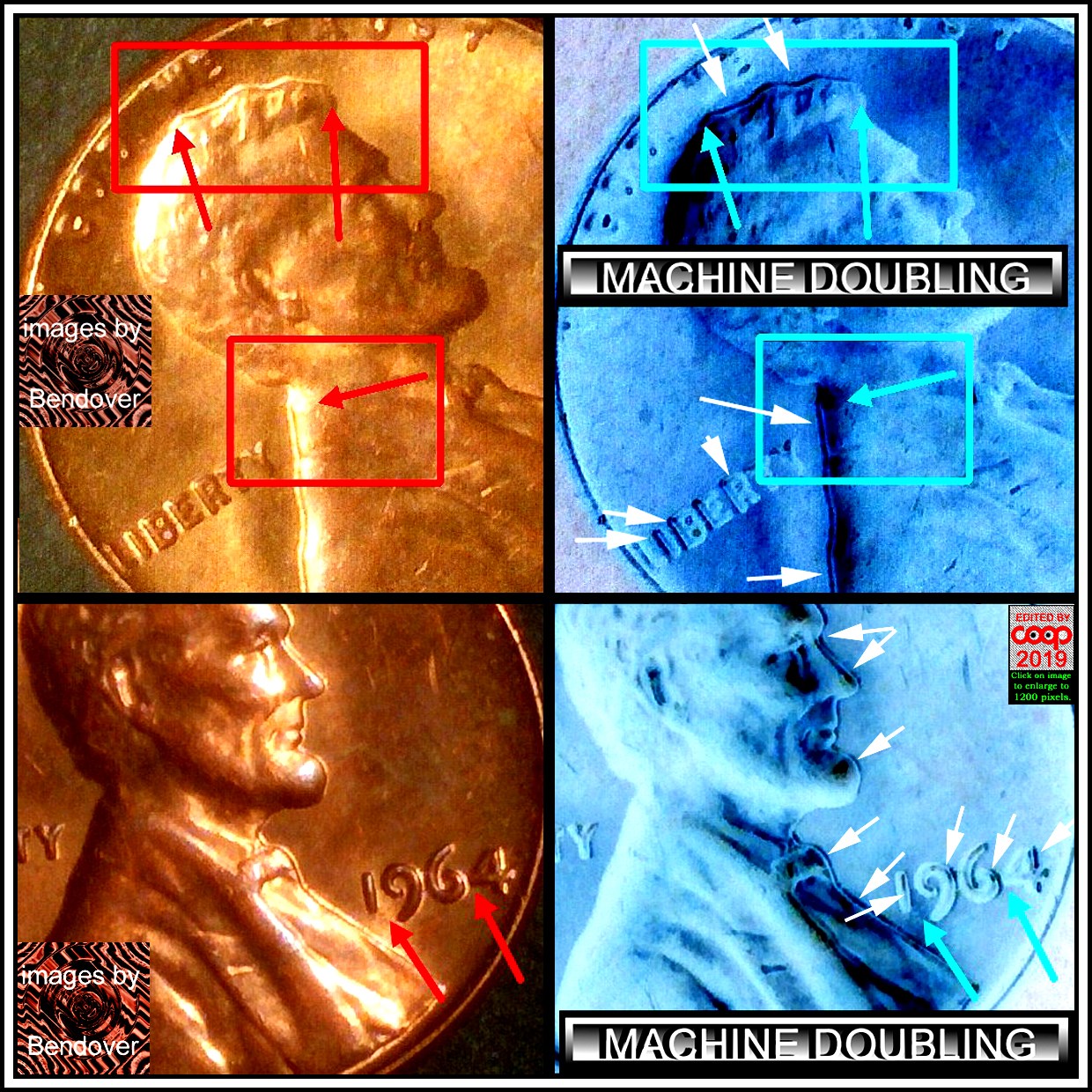
Note On this image, you can see the glare totally block what the finder sees. While we on the other end can't see. On the inverted image, we can see what the glare is hiding. On your images the light is so strong it is like trying to take an image with the best color film of the sun. Controlling the amount of light is important.
I mentioned earlier about the reflecting light. The same inverting the color process let me see what the finder could see, but on our end, we could not see anything different:
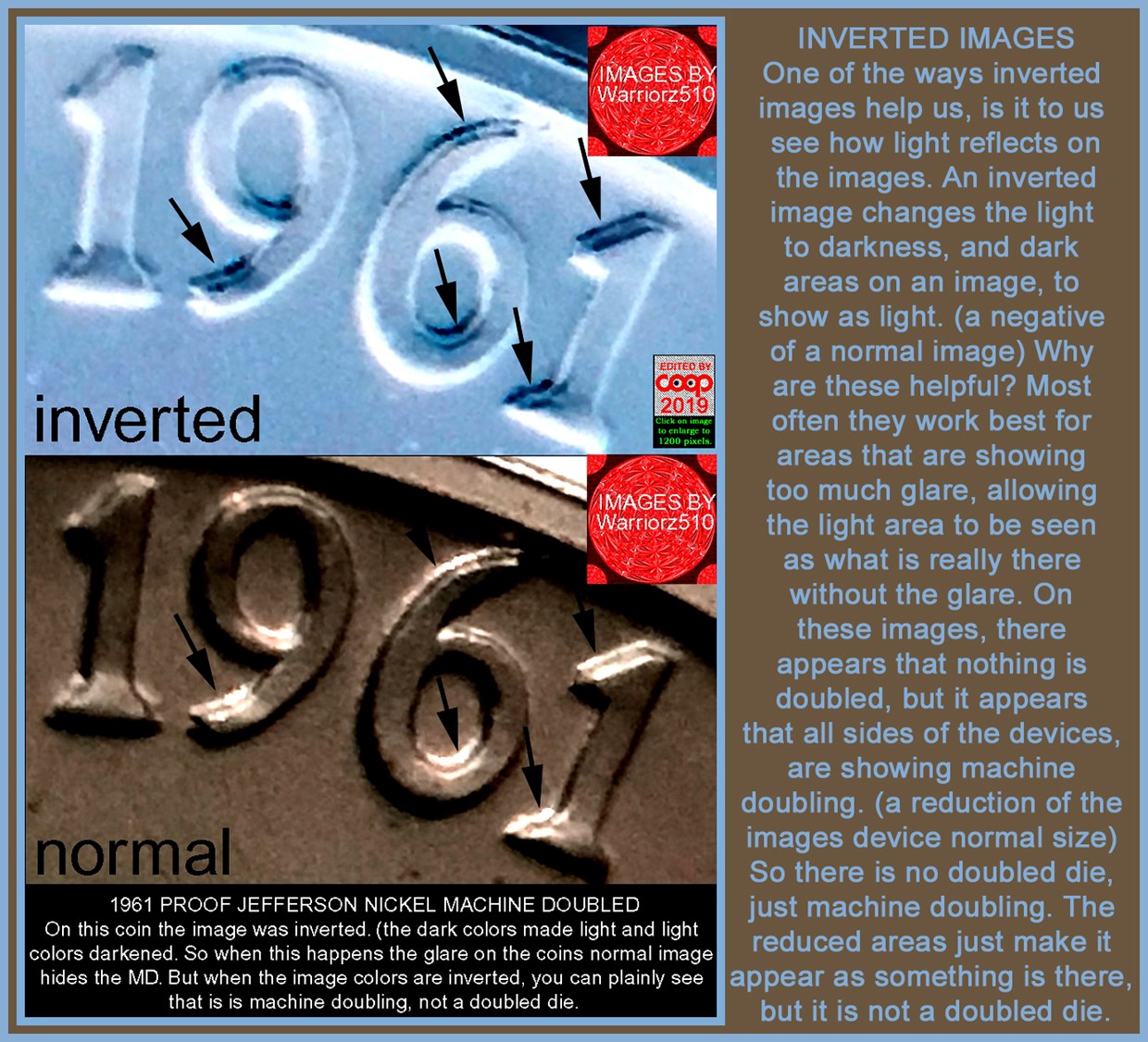
On this one the affected areas were flat, and when the light his these areas, the reflection hid from us what he could see, but we couldn't see.
Getting it right is like shooting at a target and missing it. We want to be on the target. So try different set ups, reduce lighting. Sometimes even unwanted light can create distractions. So I use some ways of blocking the direction of the lighting:
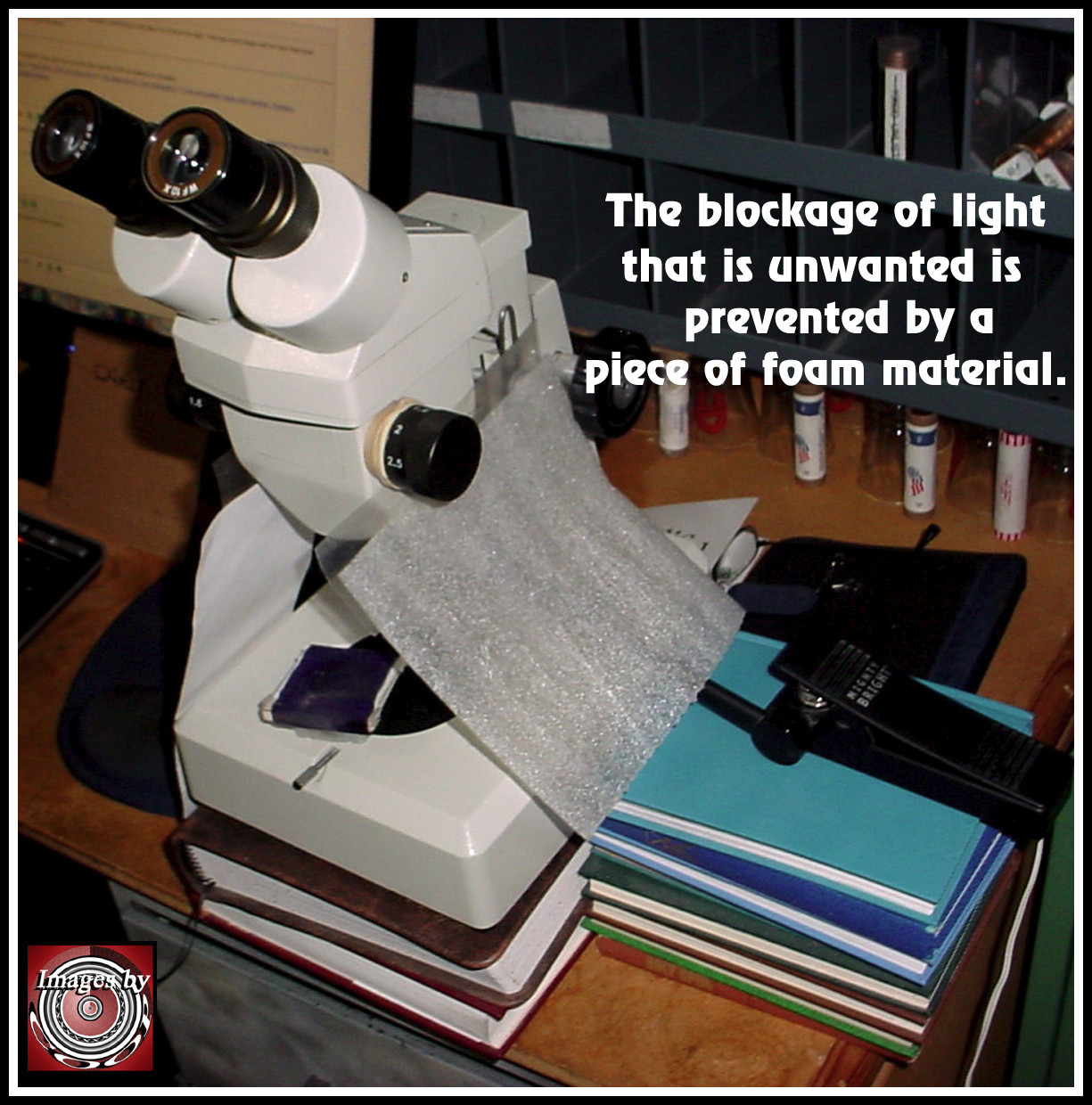
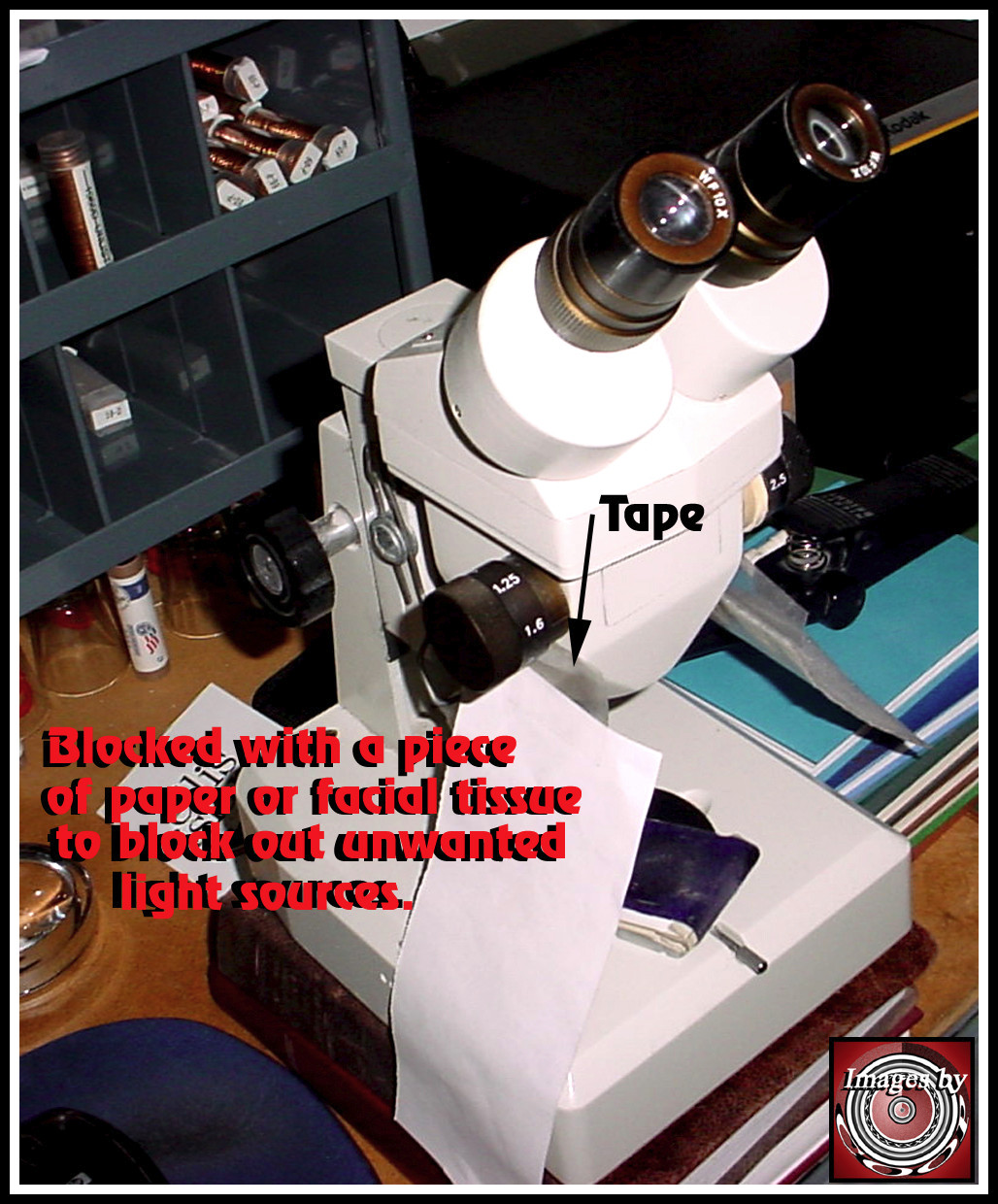
How can your tell what direction the light maybe coming from? by placing you hand around and determine: Room lights, sunligtht through a window, or even reflected light. So the blocker on my scope, even paper can block unwanted lighting.
ALso the single light theory. Some will put a spot light on something, when all they need a light. The result, glare. But allowing the light to fall over a device, may be as simple as rotating the coin to let what you want to be seen, is not in direct light, but allowing the light and shadows to work to your advantage:
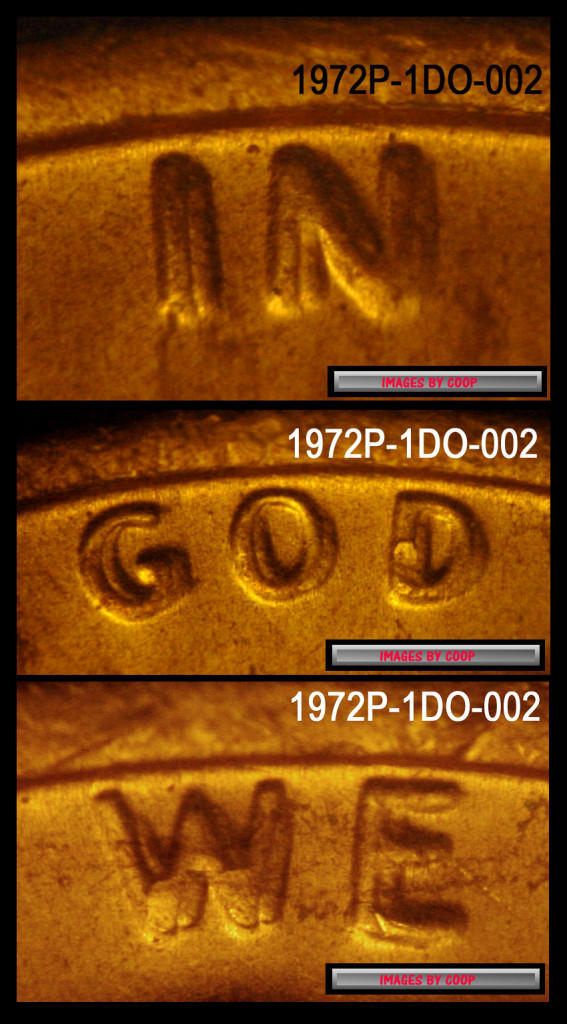
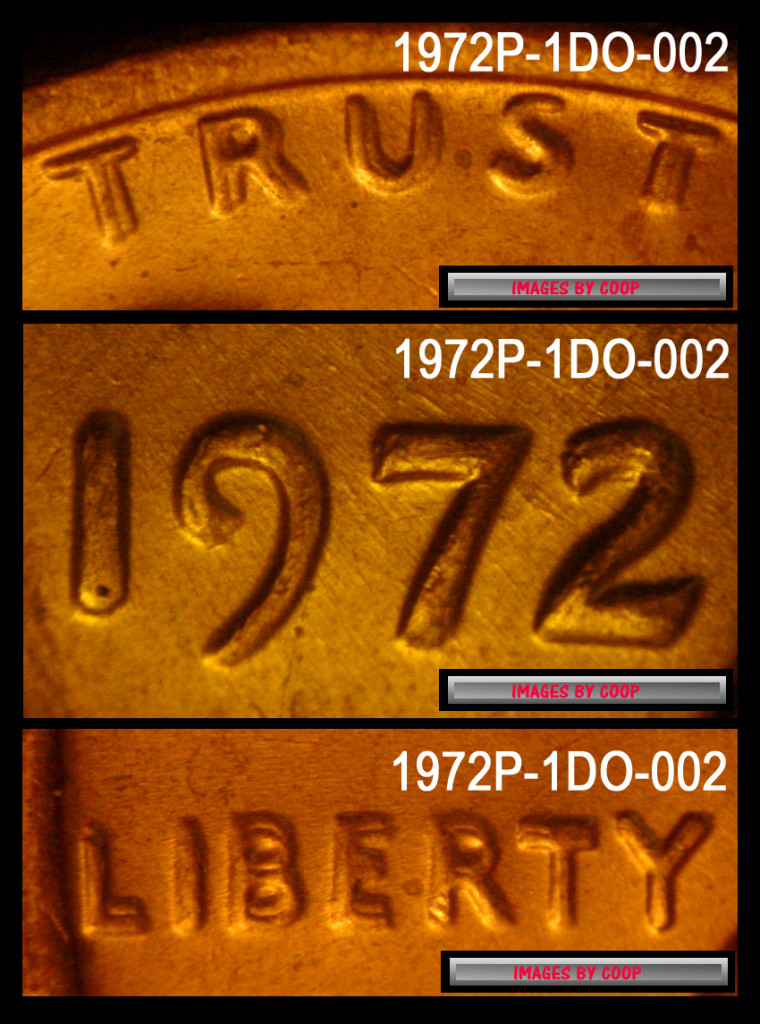
Allow the light/shadows to paint a picture, rather than direct the spot light on what we feel is the the thing we want to see. Sometimes on a painting, the obvious is spot lighted, but other background scenery is just as important. So experiment. Don't settle for what you think works. When you see something different in an image and you feel it is an improvement, try to figure out what you did differently that made that image better. When your do, use it in future images. That is progress. That is a better thing. Hope this helps.
CoopHome : Why can't I get my images to show, what I see on a coin?
One of the tricks I use on images that have some glare is to invert the image colors:
Note On this image, you can see the glare totally block what the finder sees. While we on the other end can't see. On the inverted image, we can see what the glare is hiding. On your images the light is so strong it is like trying to take an image with the best color film of the sun. Controlling the amount of light is important.
I mentioned earlier about the reflecting light. The same inverting the color process let me see what the finder could see, but on our end, we could not see anything different:
On this one the affected areas were flat, and when the light his these areas, the reflection hid from us what he could see, but we couldn't see.
Getting it right is like shooting at a target and missing it. We want to be on the target. So try different set ups, reduce lighting. Sometimes even unwanted light can create distractions. So I use some ways of blocking the direction of the lighting:
How can your tell what direction the light maybe coming from? by placing you hand around and determine: Room lights, sunligtht through a window, or even reflected light. So the blocker on my scope, even paper can block unwanted lighting.
ALso the single light theory. Some will put a spot light on something, when all they need a light. The result, glare. But allowing the light to fall over a device, may be as simple as rotating the coin to let what you want to be seen, is not in direct light, but allowing the light and shadows to work to your advantage:
Allow the light/shadows to paint a picture, rather than direct the spot light on what we feel is the the thing we want to see. Sometimes on a painting, the obvious is spot lighted, but other background scenery is just as important. So experiment. Don't settle for what you think works. When you see something different in an image and you feel it is an improvement, try to figure out what you did differently that made that image better. When your do, use it in future images. That is progress. That is a better thing. Hope this helps.
CoopHome : Why can't I get my images to show, what I see on a coin?
Edited by coop
04/08/2021 09:39 am
04/08/2021 09:39 am


