| Author |
 Replies: 15 / Views: 3,314 Replies: 15 / Views: 3,314 |
|
|
New Member
Lebanon
28 Posts |
|
|
|
|
Pillar of the Community
 United States
8060 Posts |
|
|
New Member
 Lebanon
28 Posts |
Thank you for your reply :)
|
|
Valued Member
Netherlands
177 Posts |
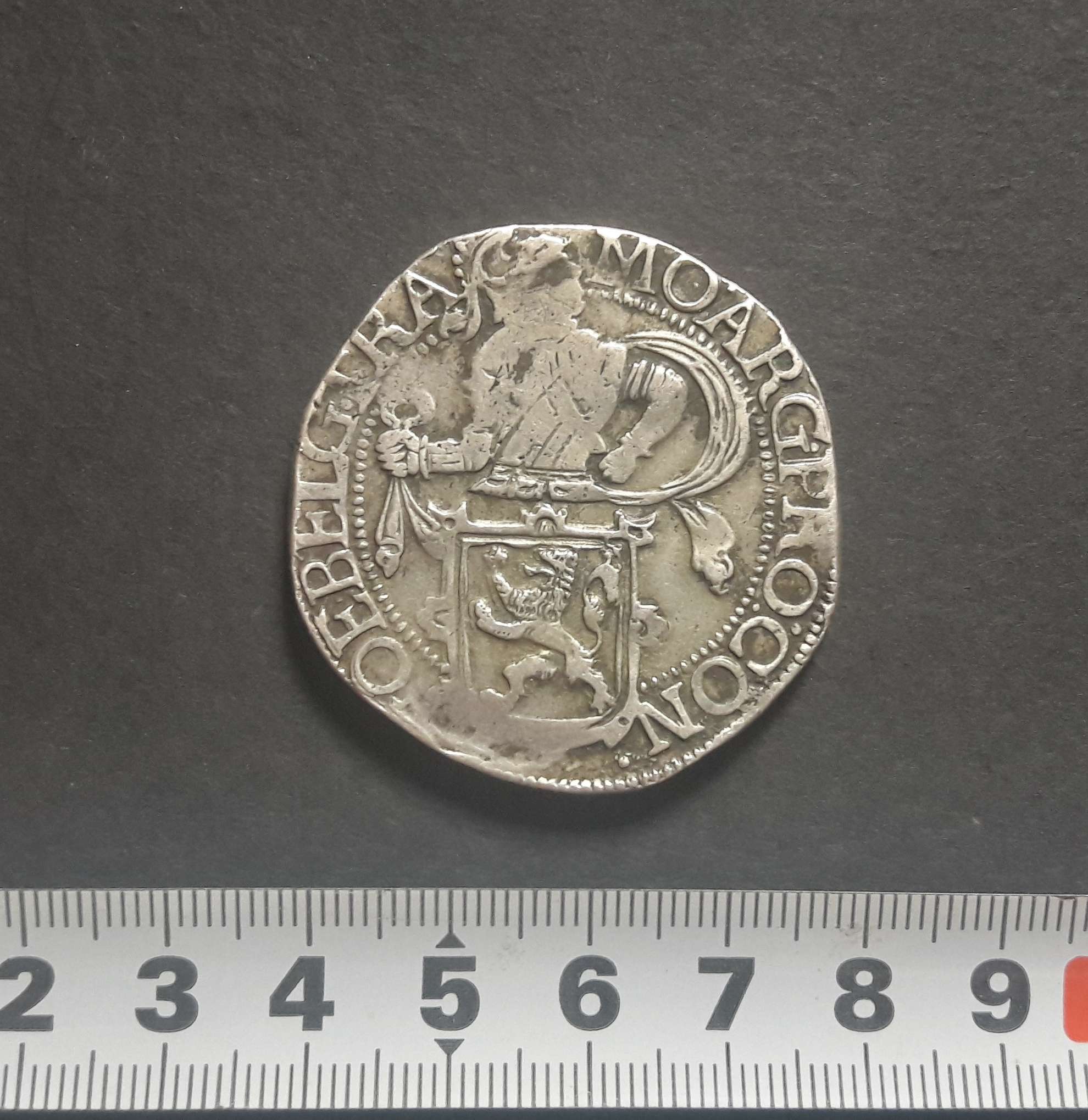
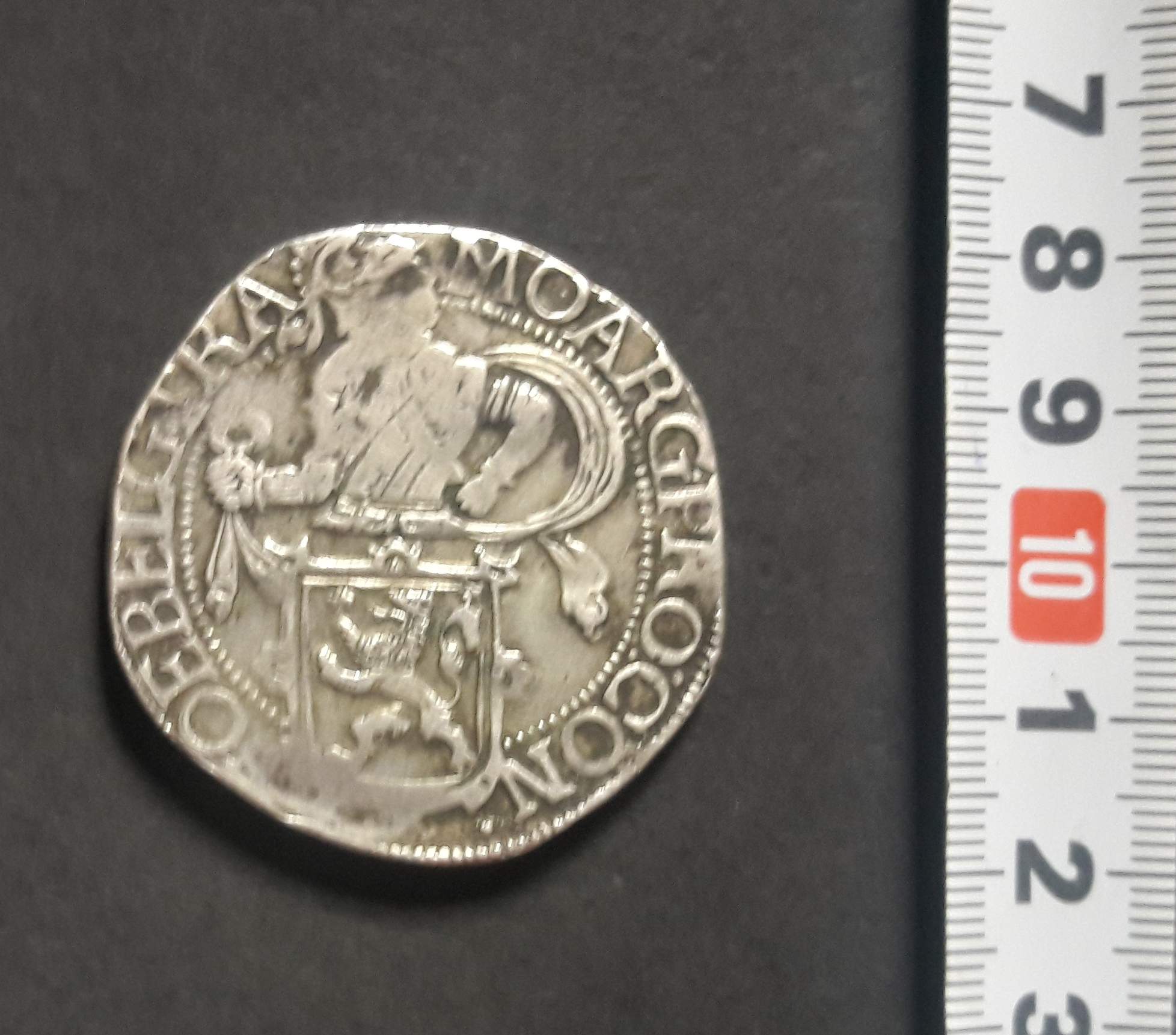
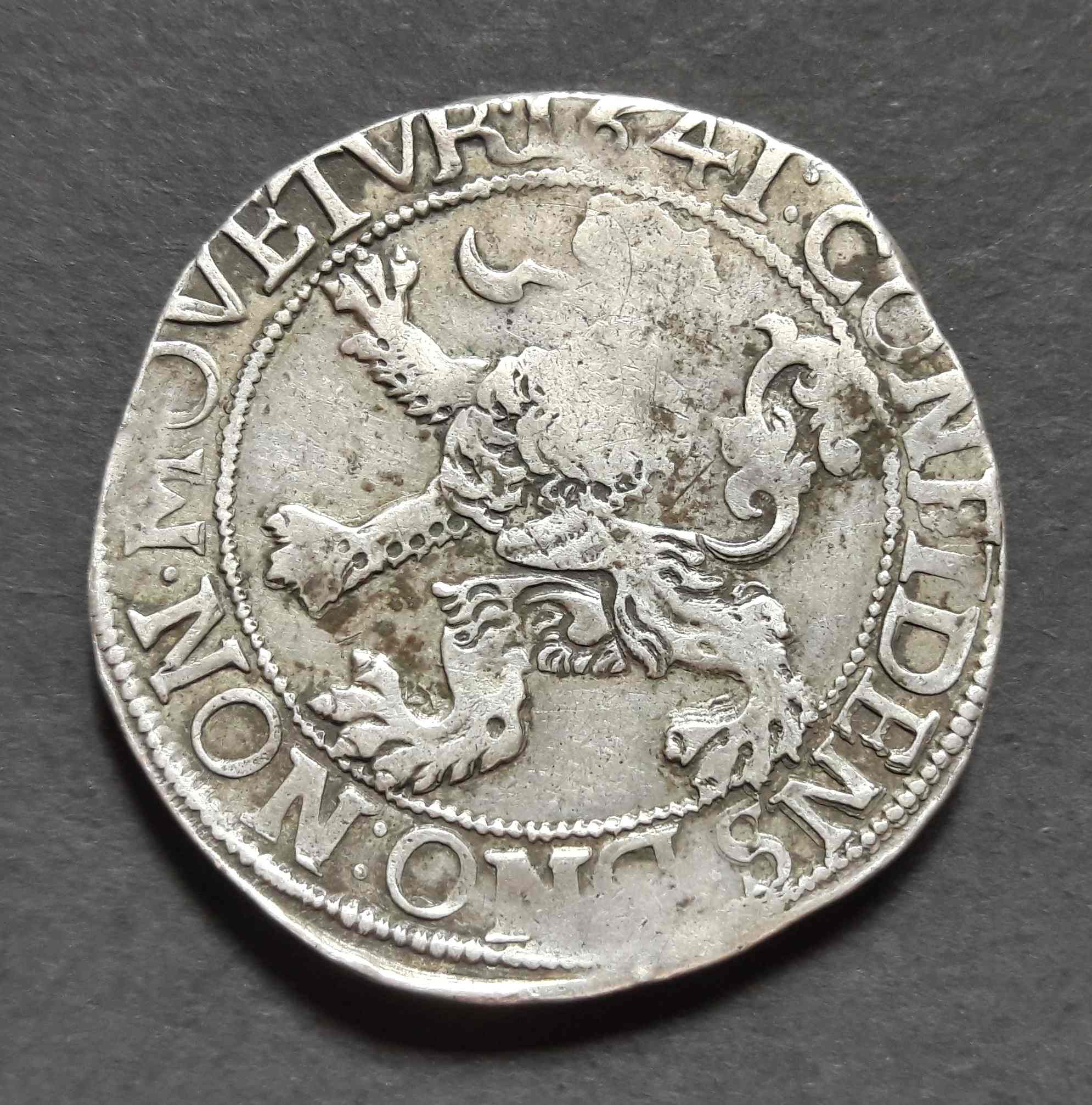
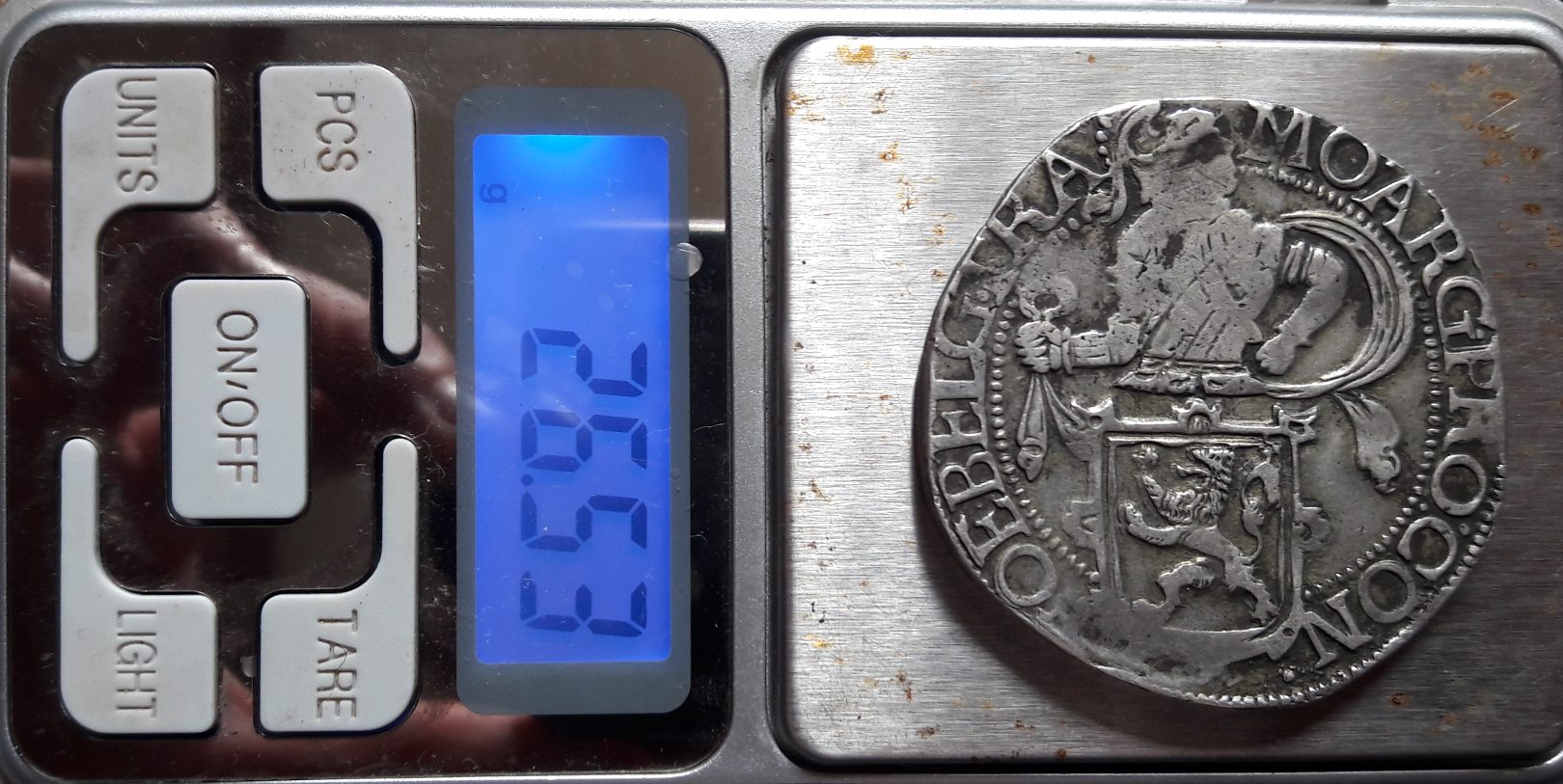
Although about 1.2 grams underweight the coin looks ok to me. I think it is authentic. The two dots are not significant as there are many varieties and these coins were carelessly made.
|
|
New Member
Lebanon
28 Posts |
|
|
Valued Member
Netherlands
177 Posts |
Your daalder is listed as number 856 in the Delmonte Catalog. It is from the province of Overijssel. The mint is indicated as TRA which stands for Transisalania. On some coins the abbreviation is TRAN or TRANS. The same indication is used for the Utrecht mint then TRA stands for Trajectum. Sometimes abbreviated as TRAI. On the Utrecht ones there is a small shield, the arms of Utrecht to the right of the knight's head. This shield is missing on your coin thus it mudt be from Overijssel.
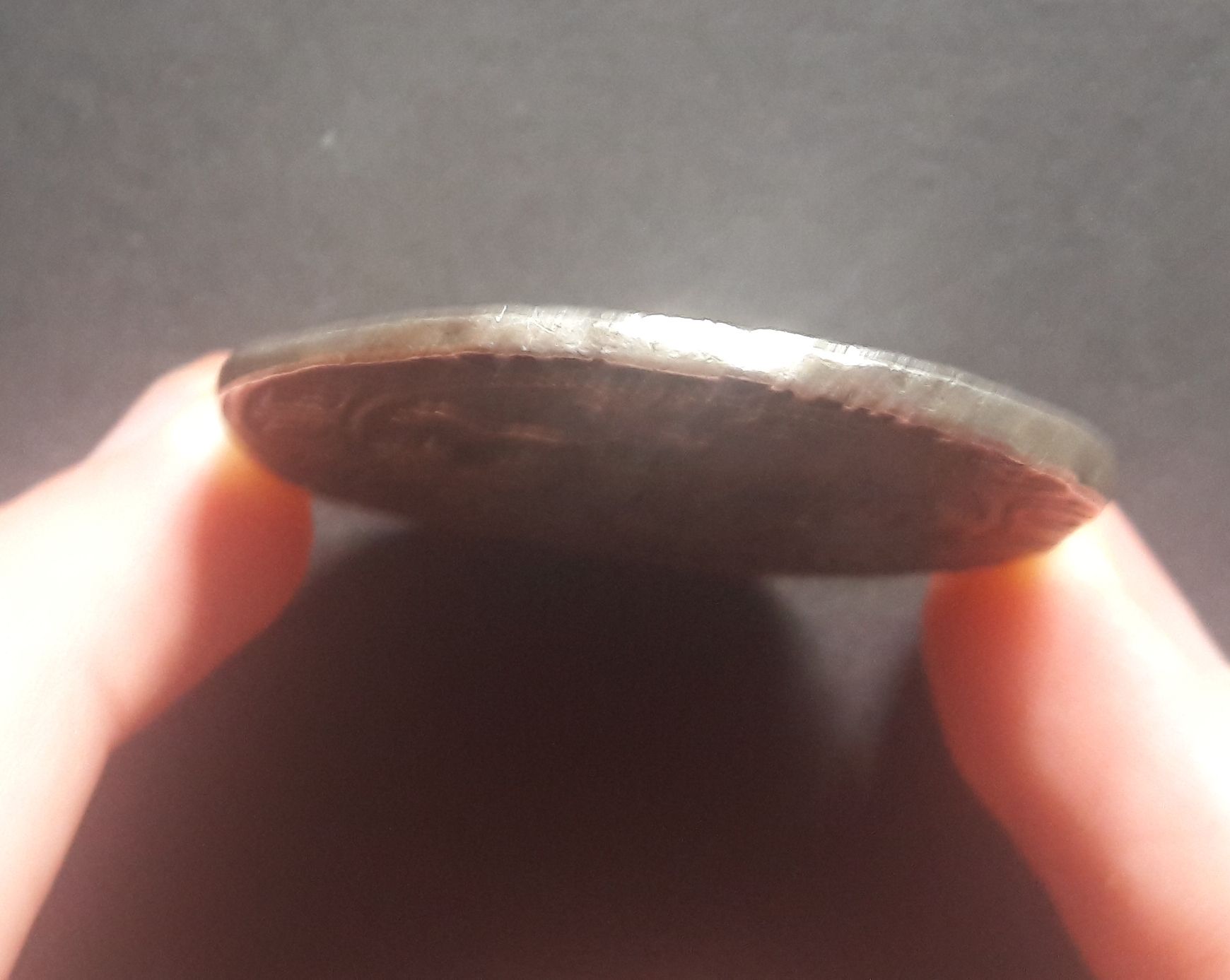
I would grade it as VF. The flat areas are probably not fully stuck up because of an irregular planched an/or worn dies. These coins were carelessly made as is evidenced also by the irregular shape of the planchet.
|
|
New Member
Lebanon
28 Posts |
Woah that was fully detailed, thank you for these new information. Much appreciated everyone.
|
|
Valued Member
Netherlands
177 Posts |
One addition. The coin shown in the link given by @tdziemia is a lion daalder from Utrecht. The Utrecht shield can be clearly seen between the head of the knight and the first letter M of the text.
|
|
Moderator
 United States
34563 Posts |
Quote:
These coins were carelessly made as is evidenced also by the irregular shape of the planchet. @elgius, any thoughts on whether the slightly low weight and irregular shape are due to some shaving a little silver off of this coin back in the day? "If you climb a good tree, you get a push."
-----Ghanaian proverb
"The danger we all now face is distinguishing between what is authentic and what is performed."
-----King Adz
|
|
Valued Member
Netherlands
177 Posts |
To answer your question I used information in a report of a hoard found in Palestine: https://library.alistiqlal.edu.ps/b...6517-ar.html This hoard contained 298 original Dutch Lion Dollars. 6 of these were clipped and the average weight of the rest was 26.90 grams. Lower than the prescribed 27,68 grams. The specification was checked at the mint by weighing a prescribed number of coins. This means that in a batch of coins issued there would be specimens of both a lower and a higher weight than prescribed. Furthermore the mint master was allowed a production margin of 0.07 grams. In order to maximize his profits the mint master would have used this margin. The low average weight of the coins in the hoard was attributed by the authors of the report to the process of "culling". In this process the coins with a weight above specification are be removed from a batch of coins. These "heavy" coins would then be returned to the mint for melting and recoining which yields a small profit. If this coin came from a culled batch then a weight of 26.53 grammes would be normal. Especially if a small amount of wear is taken into account. The average weight of the 6 clipped Lion Dollars in the hoard was 24,24 grams, substantially less then the weight of this coin. So I think it is unlikely to have been clipped. |
|
Pillar of the Community
United States
8060 Posts |
A really interesting analysis  . If I understand correctly, the protocols you describe (culling) would mean that, statistically, we would expect to find more as-minted coins below the specification than at or above it, and that would be even more true after taking wear into account. |
|
Moderator
United States
34563 Posts |
I agree with @tdz. Thx @elgius for your insight--well done. It is especially interesting to note that due to the bulk lot measurement (as opposed to single coin measurement), there were plenty of low weight coins being released into commerce.
"If you climb a good tree, you get a push."
-----Ghanaian proverb
"The danger we all now face is distinguishing between what is authentic and what is performed."
-----King Adz
|
|
Pillar of the Community
Sweden
2124 Posts |
 with tdziemia and Spence. Thank you for sharing, @Eligius!  |
|
New Member
Lebanon
28 Posts |
Thank you for the valuable discussion
|
|
Pillar of the Community
United States
1962 Posts |
Quote:
Although about 1.2 grams underweight (at 26.53g)... From experience, Lion Daalder observed weight is almost always in the mid-26.__g to low 27.__g range. It would be rare to see one near or above 27.5g. This piece looks genuine... normal surfaces, very typical strike/planchet shape. As hinted at by the Palestine hoard find mentioned above, these trade coins frequently found their way to the eastern Mediterranean region (Balkans, Cyprus, the Levant)... also to the Baltic region). |
|
New Member
Lebanon
28 Posts |
|
| |
Replies: 15 / Views: 3,314 |
|









 Posted 04/18/2021 2:39 pm





